Life in the German Democratic Republic (GDR) was a tightly woven tapestry of state control and individual existence, and at its heart lay the omnipresent apparatus of the Ministry for State Security, or the Stasi. For forty years, this formidable organization cast a long shadow over the daily lives of East Germans, shaping their interactions, their thoughts, and even their aspirations. To understand life under the Stasi is to delve into a world where suspicion was a constant companion, where every whisper could be overheard, and where the pursuit of dissent was a national obsession.
The Ministry for State Security was established in 1950, just a year after the founding of the GDR. Its stated purpose was to protect the socialist state from internal and external enemies. However, its mandate quickly expanded to encompass the comprehensive surveillance and control of the entire population. The Stasi operated on the principle that even the smallest deviation from the party line was a threat, and therefore, no aspect of life was considered too private to escape its scrutiny.
The Ideological Imperative: Protecting the Revolution
The Stasi’s primary directive was rooted in the Marxist-Leninist ideology that underpinned the GDR. The state was viewed as the vanguard of the working class, and its survival depended on unwavering loyalty and the suppression of any counter-revolutionary elements. This meant that anyone perceived as challenging the authority of the Socialist Unity Party (SED) or promoting Western influences was deemed an enemy of the people. The Stasi saw itself as the immune system of the socialist body, constantly identifying and eradicating threats to its health and stability.
Beyond Borders: External and Internal Threats
While the external threat of Western espionage and sabotage was a constant theme in Stasi propaganda, the bulk of its efforts were directed inwards. The Stasi was tasked with monitoring not only known dissidents but also ordinary citizens who might harbor “unhealthy” thoughts or tendencies. This broad definition of “enemy” allowed for an unprecedented level of intrusion into the personal lives of East Germans. The emphasis was on preventing dissent before it could even manifest, creating a climate of proactive control.
The Tools of the Trade: Espionage and Informants
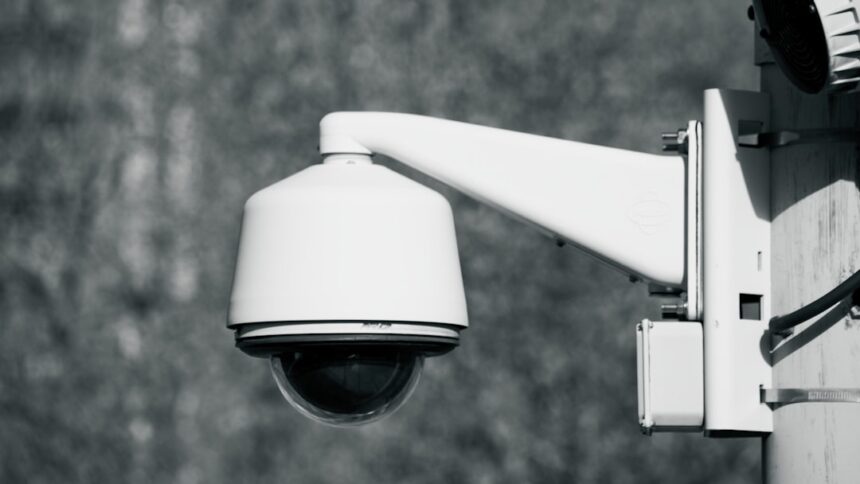
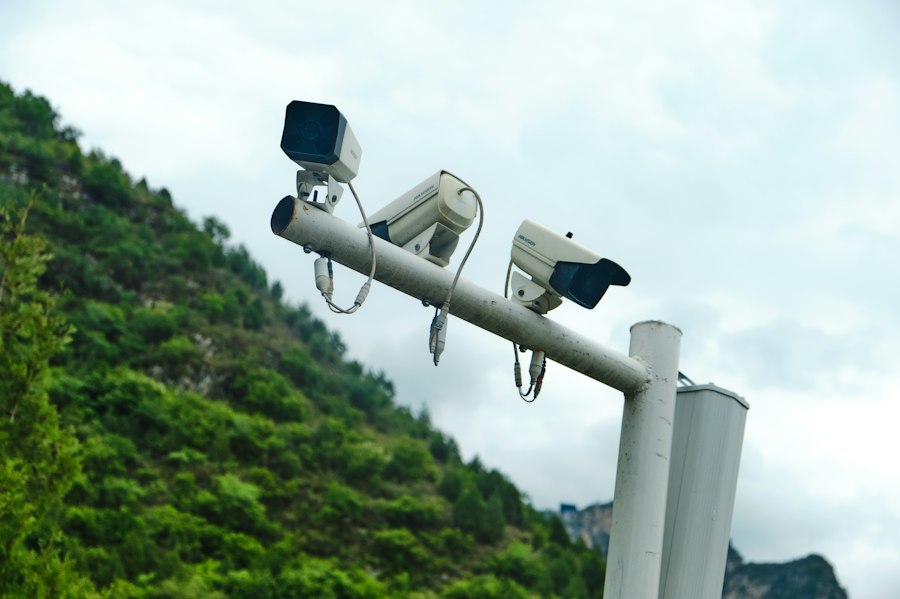
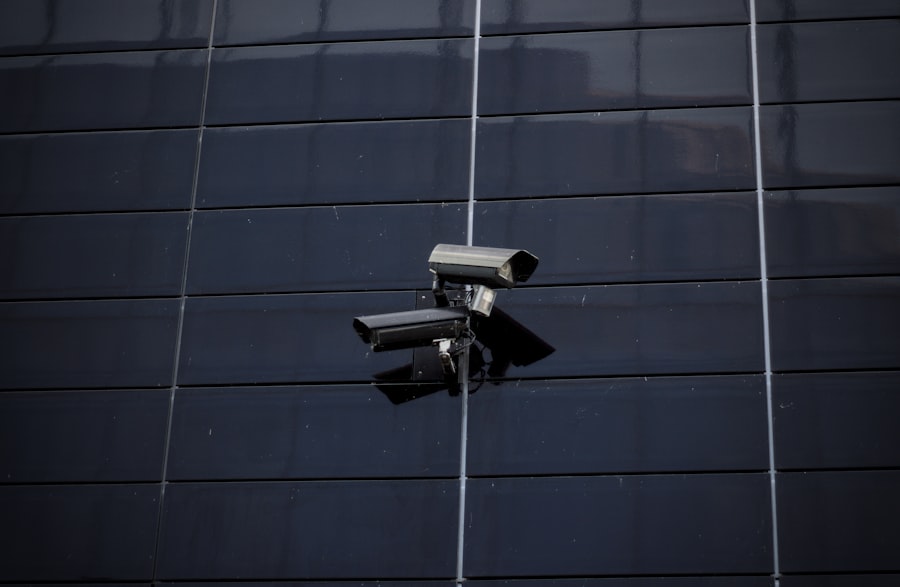
The Stasi’s operational effectiveness rested on a vast network of informants, known as Inoffizielle Mitarbeiter (IMs). These individuals, ranging from zealous party members to opportunistic citizens or those coerced through blackmail, were the eyes and ears of the ministry. They reported on their colleagues, friends, neighbors, and even family members. The Stasi also employed a sophisticated array of surveillance technologies, including bugging devices, mail interception, and extensive photographic and video surveillance. This multi-pronged approach ensured that very little could escape detection.
Life under Stasi surveillance was a complex and often oppressive experience for many East Germans, as the secret police meticulously monitored citizens to maintain control over society. For a deeper understanding of the psychological and social impacts of living under such scrutiny, you can read the article “The Stasi’s Shadow: Life Under Constant Surveillance” on In The War Room. This piece explores personal stories and the broader implications of surveillance culture. For more information, visit The Stasi’s Shadow: Life Under Constant Surveillance.
The Pervasive Presence: Surveillance in Everyday Life
The Stasi’s influence was not confined to overt security operations; it permeated the fabric of everyday life in subtle yet profound ways. The knowledge that one might be under surveillance, or that someone they knew might be an informant, fostered a culture of caution, self-censorship, and distrust.
The Home as a Potential Prison
For many East Germans, their homes, traditionally a sanctuary, became a potential site of surveillance. Stasi operatives were known to plant listening devices in apartments and houses, often disguised as everyday objects. The fear of a bugged conversation meant that even intimate discussions among family members had to be carefully worded, or avoided altogether. Private correspondence was routinely opened and read, and even phone calls could be monitored. This constant threat eroded the sense of privacy and security within the domestic sphere.
The Workplace: A Crucible of Suspicion
The workplace was another fertile ground for Stasi surveillance. Colleagues were encouraged to report on one another’s political opinions, perceived grumbling, or any association with “unreliable” individuals. Employees were often subjected to background checks, and those with a history of perceived disloyalty or connections to the West were systematically denied promotions or opportunities. The atmosphere in many workplaces was one of forced camaraderie, masking underlying suspicion and the ever-present possibility of denunciation.
Education: Indoctrination and Observation
The education system was a key tool for the Stasi in shaping the minds of the younger generation and identifying potential troublemakers. Schools and universities were subject to intense scrutiny. Teachers were expected to report on students who showed signs of critical thinking or questioned the official narrative. Students, in turn, were encouraged to report on their peers and even their teachers. This created an environment where intellectual curiosity could be perceived as a dangerous deviation.
Social Circles: The Erosion of Trust
Perhaps the most insidious impact of Stasi surveillance was on social relationships. The pervasive network of informants made it difficult to know who to trust. Friendships could be strained or broken by suspicion. The fear of inadvertently confiding in an informant could lead to social isolation. Spontaneous gatherings and open discussions were discouraged, replaced by carefully curated interactions where people maintained a guarded demeanor. The concept of genuine, uninhibited social connection was severely undermined.
The Shadow of Repression: The Stasi’s Methods of Control
The Stasi employed a range of tactics to maintain control and suppress dissent, extending far beyond mere surveillance. These methods were designed to break the spirit of individuals and to deter any collective action against the state.
The Art of Psychological Warfare: Zersetzung
One of the most notorious Stasi tactics was Zersetzung, a complex and insidious form of psychological warfare. The aim of Zersetzung was not necessarily to arrest and imprison, but to systematically disrupt and demoralize individuals and groups deemed hostile to the state. This could involve spreading rumors, damaging reputations, orchestrating personal crises, creating professional obstacles, and fostering discord within families and social circles. The goal was to isolate, discredit, and ultimately neutralize perceived opponents without them necessarily being aware of the source of their misfortune.
The Prison System: A Deterrent and a Punitive Tool
While Zersetzung was often preferred for its subtlety, the GDR’s prison system served as a stark deterrent and a punitive tool. Individuals arrested for political offenses often faced lengthy prison sentences in harsh conditions. The Stasi maintained a vast network of detention centers and prisons, where political prisoners were subjected to interrogation, isolation, and often physical and psychological abuse. The mere prospect of ending up in such a place served as a powerful disincentive for dissent.
Travel Restrictions: Limiting Exposure and Escape
Freedom of movement was severely restricted in the GDR, and the Stasi played a crucial role in enforcing these limitations. East Germans were generally not permitted to travel to West Germany or other Western countries. Even travel within the Eastern Bloc was often subject to approval and surveillance. This restriction served multiple purposes: it prevented citizens from seeing the relative freedoms and prosperity of the West, it limited their exposure to alternative ideologies, and it made escape significantly more difficult.
The Banning of Literature and Information: Controlling the Narrative
The Stasi was instrumental in controlling the flow of information within the GDR. Books, newspapers, and other media deemed to be critical of the regime or promoting Western values were banned and confiscated. Access to foreign broadcasts was also discouraged, and individuals caught listening to Western radio stations could face penalties. This censorship ensured that the SED maintained a tight grip on the narrative and prevented East Germans from accessing information that might challenge the official ideology.
The Personal Toll: Living with Constant Anxiety
The psychological burden of living under constant surveillance and the threat of repression was immense. For many East Germans, life was a performance, a careful navigation of unwritten rules and unspoken dangers.
The Weight of Self-Censorship
The most immediate consequence of Stasi surveillance was the pervasive culture of self-censorship. People learned to measure their words, to avoid expressing controversial opinions, and to present a façade of conformity. This constant filtering of thoughts and expressions led to a sense of internal confinement, where individuals felt they could not be their true selves. The spontaneous and the authentic were often suppressed in favor of the safe and the predictable.
The Erosion of Mental Well-being
The perpetual anxiety and the lack of genuine privacy took a significant toll on the mental well-being of many East Germans. Chronic stress, paranoia, and a sense of powerlessness were common. The inability to openly discuss one’s fears or frustrations further exacerbated these issues. The psychological landscape of the GDR was one marked by quiet desperation and a deep-seated weariness.
The Legacy of Mistrust
Even after the fall of the Berlin Wall and the dismantling of the Stasi, the legacy of mistrust continued to haunt East German society. The decades of surveillance and denunciation left scars, making it difficult for people to fully trust their neighbors and even their acquaintances. Rebuilding social cohesion and overcoming the ingrained suspicion took time and a conscious effort.
Life under Stasi surveillance was marked by an atmosphere of fear and mistrust, where the constant presence of informants made it difficult for individuals to express their true thoughts and feelings. This oppressive environment not only affected personal relationships but also stifled creativity and free expression. For a deeper understanding of the impact of such surveillance on everyday life, you can explore a related article that delves into the experiences of those who lived under this regime. The article provides valuable insights into the psychological effects of living in a society where privacy was virtually non-existent. To learn more, visit this article.
The End of an Era: The Fall of the Stasi and its Aftermath
| Metrics | Data |
|---|---|
| Number of Stasi informants | Approximately 189,000 informants |
| Percentage of population under surveillance | Approximately 1 in 50 East Germans |
| Number of Stasi files | Approximately 111 kilometers of files |
| Impact on daily life | Constant fear of being watched and reported |
| Consequences of surveillance | Loss of privacy, trust, and freedom of expression |
The fall of the Berlin Wall in 1989 and the subsequent reunification of Germany marked the end of the Stasi’s reign of terror. The exposure of its vast archives and the prosecution of some of its key figures brought a measure of justice, but the deep societal impact of its surveillance continued to be felt.
The Unveiling of the Archives
The opening of the Stasi archives in the early 1990s was a seismic event. Millions of files detailing surveillance operations, informant networks, and repression tactics were made public. This allowed countless individuals to learn how they had been monitored and who had informed on them. The process of confronting these files was often painful and traumatic, forcing many to re-evaluate their past relationships and experiences.
Accountability and Justice
While many Stasi officers and informants were investigated and some were prosecuted for their crimes, the process of achieving accountability was complex and often controversial. The sheer scale of the organization and the widespread nature of its operations made it impossible to bring everyone to justice. Nevertheless, the efforts to hold individuals accountable sent a clear message that such pervasive state surveillance and repression would not be tolerated.
Rebuilding a Society: The Long Road to Healing
The scars left by the Stasi’s pervasive surveillance and repression were deep and enduring. Rebuilding trust, fostering open dialogue, and healing the societal wounds took time and concerted effort. The experience of living under such a regime left a unique imprint on the collective memory of East Germans, a stark reminder of the fragility of freedom and the dangers of unchecked state power. Understanding life under the Stasi is not merely an academic exercise; it is a crucial lesson in the importance of safeguarding civil liberties and resisting the insidious creep of authoritarianism.

The Stasi Made You Suspect Everyone
FAQs
What was the Stasi?
The Stasi, or Ministry for State Security, was the official state security service of East Germany, known for its extensive surveillance and repression of the population.
How did the Stasi surveil the population?
The Stasi used a wide range of tactics to surveil the population, including informants, wiretapping, hidden cameras, and mail interception. They also collected extensive personal information on individuals.
What were the consequences of being under Stasi surveillance?
Being under Stasi surveillance could lead to imprisonment, loss of employment, social isolation, and psychological trauma. Many individuals lived in constant fear of being reported by informants.
How did people resist Stasi surveillance?
Some individuals resisted Stasi surveillance by forming underground networks, using encryption techniques, and spreading information through samizdat (self-published literature). Others attempted to escape to the West.
What was the impact of Stasi surveillance on East German society?
Stasi surveillance created a climate of fear and mistrust, leading to a pervasive culture of self-censorship and conformity. It also had a lasting impact on the mental and emotional well-being of those who lived under its watch.