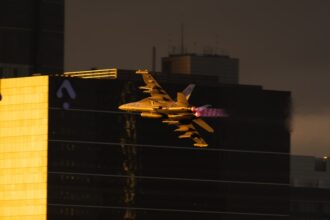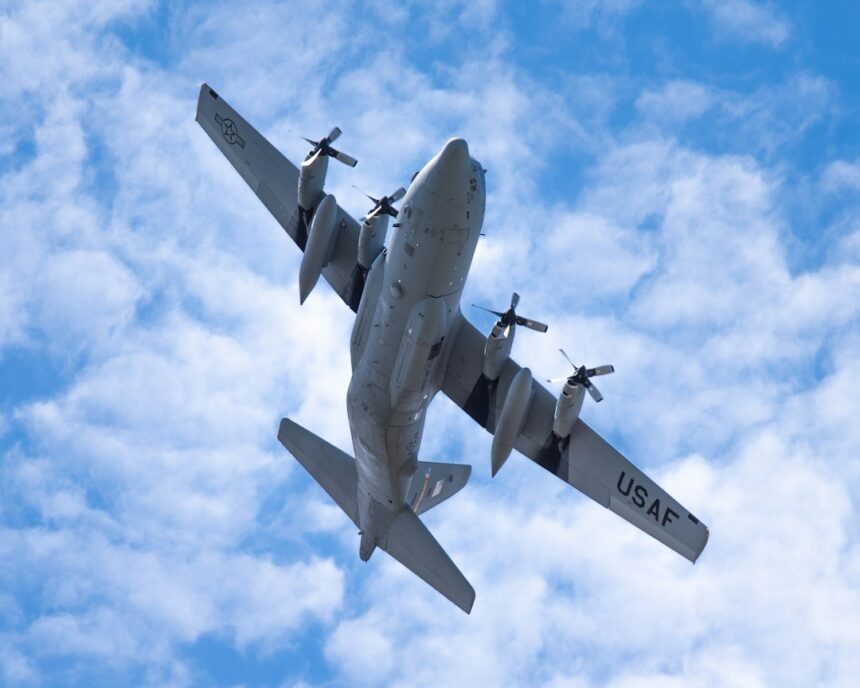
The C-130 Hercules is a ubiquitous symbol of tactical airlift, its sturdy frame and rugged dependability having served air forces worldwide for decades. However, in the dynamic and often unforgiving environment of modern military operations, even established platforms can benefit from enhancements. One such innovation, the YMC 130H Rocket Assisted C-130, represents a significant leap in improving the Hercules’ already formidable tactical airlift capabilities, particularly in demanding take-off and landing scenarios. This advanced variant addresses the inherent limitations of conventional aircraft in austere environments, where runways may be short, unprepared, or heavily contested. By integrating rocket propulsion systems, the YMC 130H unlocks a new dimension of performance, enabling the transport of heavier payloads, faster take-offs, and the ability to operate from an even wider range of challenging locations.
The Genesis of Enhanced Take-Off and Landing Capabilities
The development of the YMC 130H Rocket Assisted C-130 was born from the persistent need to overcome the geographical and operational constraints faced by tactical airlift. For decades, the C-130 platform has been the workhorse for delivering personnel and equipment to forward operating bases and remote regions. However, its performance is intrinsically linked to runway length and condition. In scenarios involving short, unimproved, or potentially compromised airstrips, the standard C-130 can struggle with adequate take-off and landing distances, especially when carrying significant payloads. This limitation directly impacts mission flexibility, operational tempo, and the ability to respond effectively to rapidly evolving tactical situations. The concept of rocket-assisted take-off (RATO), while not entirely new, offered a compelling solution to these enduring challenges. By providing a significant, short-duration thrust augmentation, rockets can drastically reduce the ground roll required for take-off, allowing the aircraft to achieve flying speed and clear obstacles with much less runway.
Addressing Operational Imperatives
The strategic imperative driving the YMC 130H program was clear: to expand the operational envelope of the C-130. This meant enabling the aircraft to operate from shorter runways, a critical factor in deploying forces and supplies to areas where traditional infrastructure is scarce or non-existent. Furthermore, the ability to achieve higher take-off speeds in a shorter distance is paramount in contested environments, where exposure on the ground to enemy fire is a significant risk. Faster take-offs reduce this exposure time, thereby increasing survivability. The YMC 130H was conceived to directly address these pressing operational needs, offering a way to enhance the Hercules’ inherent versatility without requiring a complete redesign of the airframe.
Historical Precedents and Technological Evolution
The concept of rocket assistance for aircraft take-off has a rich history, dating back to World War II with early RATO systems employed on various military aircraft. These systems, often using solid propellant rockets, provided a substantial boost in thrust to overcome the limitations of engine power and runway length. While effective, these early systems were often cumbersome, difficult to manage, and sometimes involved significant logistical considerations. The YMC 130H program built upon this legacy, leveraging advancements in rocket motor technology, materials science, and control systems to create a more integrated, reliable, and efficient RATO solution. The evolution of solid rocket motor design, with improved propellant formulations and casing materials, allowed for lighter, more powerful, and safer rocket units. Similarly, the integration of these rockets into the C-130 airframe required sophisticated engineering to ensure structural integrity and ease of deployment and jettison.
The YMC 130H rocket-assisted C-130 is a fascinating subject in military aviation, showcasing innovative technology that enhances performance in various operational scenarios. For those interested in exploring more about the advancements in military aircraft and their capabilities, I recommend reading a related article on the topic at In The War Room, where you can find in-depth analyses and discussions about the evolution of military transport aircraft and their strategic importance.
The YMC 130H: Design and Integration of Rocket Systems
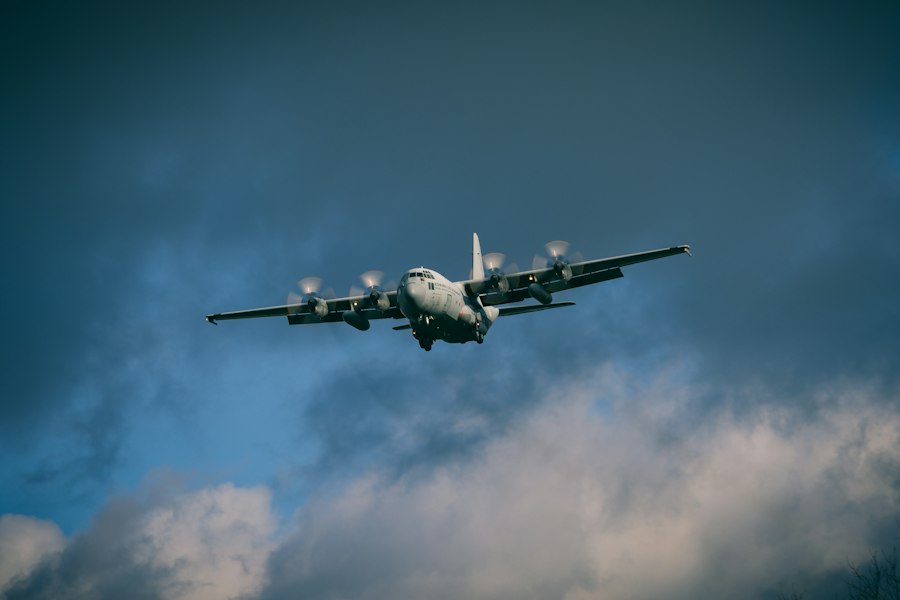
The core innovation of the YMC 130H lies in the strategic integration of rocket propulsion units onto the C-130 airframe. This is not a simple add-on; it involves careful consideration of aerodynamics, structural loads, and operational procedures. The rocket systems are designed to provide a supplementary thrust for a limited duration, specifically during the critical take-off phase. This allows the aircraft to achieve the necessary lift-off speed with significantly reduced ground run, thereby unlocking access to shorter and less prepared airstrips. The placement and number of rocket units are crucial for optimal performance and stability during the assisted take-off.
Rocket Motor Configuration and Placement
The YMC 130H typically employs multiple solid-propellant rocket motors. These motors are strategically mounted on the airframe, often on pylons beneath the wings, in positions that provide balanced thrust and minimize adverse aerodynamic effects. The exact configuration can vary depending on specific mission requirements and the particular variant of the C-130 being modified. However, the general principle involves placing the rockets to augment the primary engine thrust, providing an overwhelming force that propels the aircraft forward at an accelerated rate. The selection of solid propellant offers a good balance of thrust, burn time, and simplicity for tactical applications. These motors are designed to burn for a predetermined duration, typically measured in seconds, delivering their maximum thrust during the most critical phase of the take-off roll.
Structural Modifications and Load Management
Integrating powerful rocket motors necessitates careful structural analysis and, where required, modifications to the C-130 airframe. The immense thrust generated by the rockets, combined with the aircraft’s momentum, creates significant forces. The wing structures, fuselage, and mounting points for the rocket pods must be reinforced to withstand these dynamic loads. Engineers meticulously calculate the stress distribution and ensure that the airframe can safely handle the additional forces without compromising its structural integrity. This involves reinforcing key areas and ensuring that the weight and balance of the aircraft remain within acceptable limits, even with the addition of the rocket system. The design also accounts for the jettisoning of spent rocket casings, ensuring a clean separation that does not interfere with the aircraft’s flight path or landing gear.
Control Systems and Operational Procedures
The activation and management of the rocket systems are integrated into the C-130’s operational procedures and cockpit controls. Pilots are provided with specialized controls to arm, ignite, and monitor the rocket motors. The sequence of activation is critical; rockets are typically fired once the aircraft has begun its take-off roll and has reached a certain ground speed, ensuring that the thrust is applied effectively. Post-ignition, the pilots monitor the rocket burn time and the aircraft’s acceleration. Upon depletion of the propellant, the spent rocket casings are jettisoned safely away from the aircraft. Rigorous training is essential for aircrews to master the procedures for operating the YMC 130H, ensuring safe and effective utilization of the rocket-assisted take-off capability.
Performance Enhancements and Operational Advantages
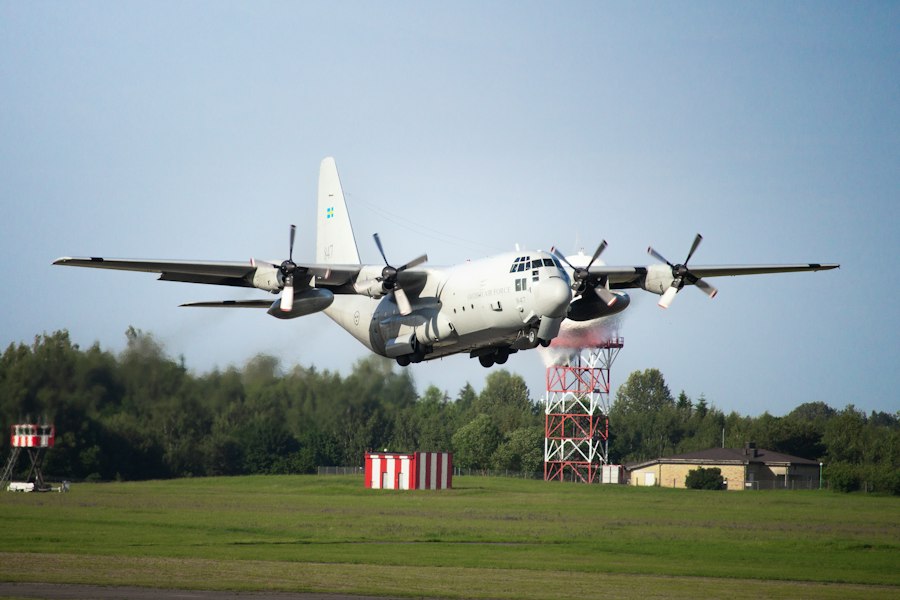
The primary benefit of the YMC 130H Rocket Assisted C-130 is the dramatic improvement in its take-off performance. This translates directly into enhanced operational capabilities and a wider range of mission profiles that the aircraft can undertake. The ability to operate from shorter, less developed airstrips is a game-changer for tactical airlift, opening up new avenues for logistics and personnel deployment. Furthermore, the increased thrust allows for the carriage of heavier payloads, further amplifying the aircraft’s utility.
Reduced Take-Off and Landing Distances
The most significant performance enhancement is the substantial reduction in take-off ground roll. For a given aircraft weight, the addition of rocket thrust dramatically accelerates the C-130 to flying speed. This allows the aircraft to become airborne from runways that would be too short for a conventional take-off. For example, a C-130 operating with RATO might require only a fraction of the runway length needed for a standard take-off, transforming potentially unusable landing sites into viable operational hubs. Similarly, while the primary focus is on take-off, the increased power margin can indirectly benefit landing performance in certain situations, allowing for steeper approach angles or shorter stopping distances if the rockets were to be used for reverse thrust augmentation (though this is less common).
Increased Payload Capacity and Range
By enabling shorter take-offs, the YMC 130H effectively increases the aircraft’s allowable take-off weight. This translates directly into the ability to carry heavier payloads—more troops, more equipment, or more vital supplies—on missions originating from constrained airfields. Alternatively, for missions originating from standard airfields, the increased thrust margin can be used to extend the aircraft’s range by allowing for a lighter initial take-off weight with the same payload, thus conserving fuel for a longer flight. This versatility in payload and range management significantly enhances the strategic flexibility of the C-130 fleet.
Operations in Austere and Contested Environments
The YMC 130H is a pivotal asset for operations in austere environments, where infrastructure is limited. It can access remote forward operating bases, disaster relief zones, or insertion points in undeveloped territories that would otherwise be inaccessible to conventional aircraft. In contested environments, the reduced exposure time on the ground during take-off is a critical survivability enhancement. The ability to rapidly accelerate and climb out of a potentially hostile zone minimizes the time an aircraft is vulnerable to ground-based threats. This makes the YMC 130H invaluable for rapid deployment and resupply in high-risk scenarios.
Training, Safety, and Logistical Considerations
The introduction of any new system, especially one involving powerful propulsion, brings with it specific training, safety, and logistical considerations. The YMC 130H Rocket Assisted C-130 is no exception. Ensuring that aircrews are proficient in its operation, maintaining the highest safety standards, and managing the supply chain for rocket motors are all crucial elements for the successful and sustainable deployment of this capability.
Aircrew Proficiency and Flight Training
Operating the YMC 130H requires specialized training for pilots and flight engineers. Aircrews must be thoroughly familiar with the procedures for arming, igniting, and monitoring the rocket motors, as well as the critical timing involved in their deployment. Training programs include extensive simulator sessions that replicate various take-off scenarios, including engine failures during RATO operations. Understanding the aircraft’s performance characteristics with rocket augmentation, as well as the procedures for emergency jettison of the rocket pods, is paramount. This ensures that aircrews can confidently and safely operate the aircraft in its enhanced configuration.
Safety Protocols and Risk Mitigation
Safety is a paramount concern with any rocket-assisted take-off system. Rigorous pre-flight checks are essential to ensure that the rocket motors are properly installed, armed, and free of any defects. Post-flight inspections are conducted to verify the condition of the airframe and the jettisoned casings. Safety protocols also address the potential hazards associated with handling and storing solid rocket motors, including fire prevention and static discharge precautions. The YMC 130H program adheres to stringent safety regulations and employs multiple layers of redundancy and fail-safes to mitigate risks associated with rocket deployment.
Logistics of Rocket Motor Supply and Maintenance
The continuous operation of the YMC 130H relies on a robust logistics chain for the supply of rocket motors. These are typically specialized consumables that require careful handling, storage, and transportation. Maintaining an adequate inventory of rocket motors at forward operating bases and key logistical hubs is essential to ensure mission readiness. Furthermore, the maintenance and inspection of the rocket motor mounting hardware and associated systems are critical. This involves ensuring that the pylons, electrical connections, and jettison mechanisms are in optimal condition, ready for rapid deployment when required. The logistical footprint of the rocket system, while manageable, is an important consideration for operational planning.
The YMC 130H rocket-assisted C-130 is an impressive aircraft that showcases the innovative advancements in military aviation. For those interested in exploring more about the capabilities and history of this remarkable plane, you can read a related article that delves into its design and operational use. This resource provides valuable insights into how the YMC 130H has been utilized in various missions and its significance in the evolution of air mobility. To learn more, visit this article.
The Future of Tactical Airlift and the YMC 130H Legacy
| Metric | Specification |
|---|---|
| Rocket Type | YMC-130H Rocket Assisted Takeoff (RATO) |
| Aircraft Model | C-130H Hercules |
| Purpose | Enhanced Takeoff Performance |
| Thrust per Rocket | Approximately 1,000 to 2,000 lbf (varies by model) |
| Number of Rockets | Typically 4 to 6 mounted on the fuselage or wings |
| Burn Time | Approximately 10 to 15 seconds |
| Takeoff Distance Reduction | Up to 30% reduction in required runway length |
| Operational Use | Short or rough airstrips, high altitude or hot weather conditions |
| Weight Added | Approximately 200 to 300 lbs per rocket unit |
The YMC 130H Rocket Assisted C-130 represents a significant evolutionary step in the long and distinguished service life of the C-130 Hercules. It demonstrates the enduring adaptability of this iconic airframe and the continuous pursuit of enhanced capabilities within military aviation. While newer generations of transport aircraft are entering service, the lessons learned and the technologies pioneered with the YMC 130H will undoubtedly influence the development of future tactical airlift platforms. The legacy of this rocket-assisted variant lies not just in its enhanced performance metrics but in its embodiment of innovation applied to proven platforms.
Sustaining and Evolving the C-130’s Role
The YMC 130H ensures that the C-130 remains a relevant and potent force multiplier for years to come. By overcoming critical operational limitations, it allows the C-130 to continue fulfilling its vital role in supporting ground forces, delivering humanitarian aid, and responding to crises in even the most challenging environments. The ongoing modifications and upgrades to the C-130 fleet, including capabilities like those demonstrated by the YMC 130H, underscore the strategic importance of maintaining and enhancing existing assets to meet evolving operational demands.
Potential for Future Enhancements and Variants
The success of the YMC 130H opens avenues for further research and development in rocket-assisted propulsion for tactical airlift. Future iterations might explore more advanced rocket motor technologies, such as hybrid rockets or even electric propulsion augmentation, offering greater control, efficiency, and potentially reduced environmental impact. The integration of such technologies could further expand the operational envelope of aircraft, enabling vertical take-off and landing (VTOL) capabilities or significantly reducing runway requirements for a wider range of transport aircraft. The YMC 130H serves as a crucial stepping stone in this ongoing technological progression.
Broader Implications for Aerodynamic Design and Military Aviation
The YMC 130H’s successful implementation of rocket assistance provides valuable data and operational experience that can inform future aerodynamic design principles. The understanding gained from managing the complex forces and flight dynamics associated with augmented thrust during take-off is invaluable. Furthermore, the concept of enhancing existing platforms with supplemental propulsion systems can be applied to other aircraft types, potentially extending their operational utility and lifespan. The YMC 130H’s legacy is one of ingenuity and a testament to the continuous drive for improved performance and strategic advantage in military aviation. It underscores the principle that even well-established platforms can be reimagined and re-engineered to meet the challenges of the modern battlefield and the complex demands of global logistics.
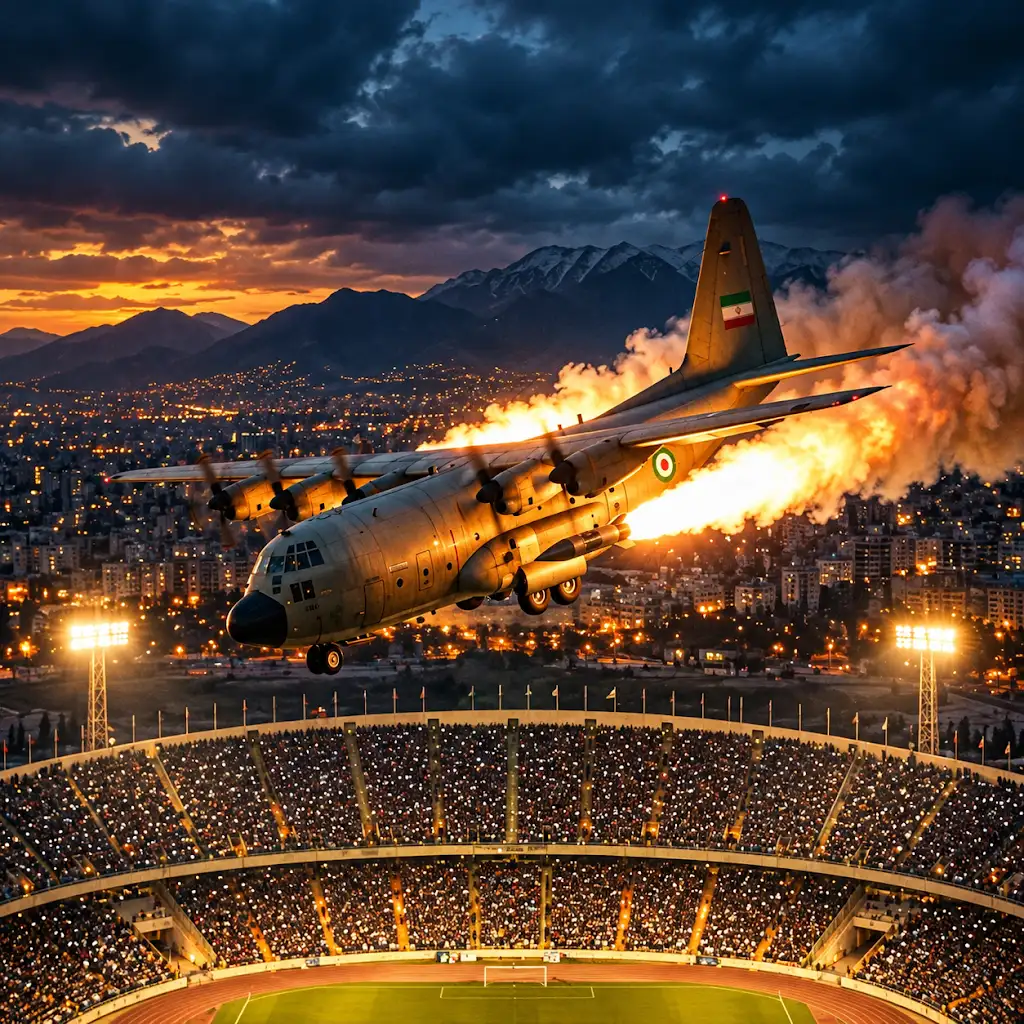
The Secret Plane Built to Land Inside a Stadium
FAQs
What is a YMC 130H Rocket Assisted C-130?
A YMC 130H Rocket Assisted C-130 is a modified version of the C-130 Hercules aircraft that is equipped with rocket boosters to assist in takeoff and landing on short runways.
How do the rocket boosters on the YMC 130H work?
The rocket boosters on the YMC 130H are solid-fuel rockets that provide additional thrust during takeoff and landing, allowing the aircraft to operate from shorter runways than a standard C-130.
What are the advantages of using a YMC 130H Rocket Assisted C-130?
The YMC 130H offers increased flexibility in operations by enabling takeoff and landing on shorter runways, making it suitable for missions in remote or austere environments where traditional aircraft may not be able to operate.
Is the YMC 130H Rocket Assisted C-130 still in use today?
No, the YMC 130H program was ultimately canceled in the 1970s due to budget constraints and changing military priorities. The aircraft never entered full production or operational service.
Are there any other aircraft that utilize rocket-assisted takeoff and landing systems?
While the YMC 130H program was discontinued, other aircraft have been developed with similar systems, such as the Antonov An-22 and the Space Shuttle. These systems provide additional thrust for short takeoff and landing operations.