The blockade, a suffocating grip on a city of millions, was more than just a political maneuver; it was an existential threat. When the Soviet Union severed all land and water routes into West Berlin on June 24, 1948, the Allied powers faced a monumental challenge. The city, a democratic outpost surrounded by Soviet-controlled East Germany, had a mere 36-day supply of food and 45 days of coal. The question wasn’t if the Allies would respond, but how they could possibly sustain a population of over two million people solely through the air. This undertaking, code-named Operation Vittles by the Americans and Operation Plainfare by the British, would become known as the Berlin Airlift, an unprecedented feat of logistics, ingenuity, and sheer willpower. The core of this colossal effort lay in the seemingly impossible task of meeting the daily, hourly, and even minute-by-minute supply needs of a city under siege.
The Scale of the Challenge: A City on the Brink
The sheer magnitude of the problem was staggering. West Berlin, geographically isolated and politically vulnerable, required an unfathomable amount of resources to survive. The Soviets, by cutting off traditional supply lines, gambled on the Western Allies abandoning the city. They underestimated the resolve of the West, and crucially, the capacity of air transport to bridge the chasm.
Estimating the Daily Requirements
Before the first cargo plane even took off with vital supplies, meticulous calculations were undertaken to determine the city’s daily needs. This wasn’t a simple matter of guessing; it involved a complex assessment of essential goods.
Food for the Masses
The most immediate concern was feeding the population. Experts calculated the average caloric intake required per person per day, factoring in various dietary needs and the availability of perishable versus non-perishable items. This included staples like flour, potatoes, and sugar, but also vital items like dried milk, canned meats, and fats.
Fueling the Fires
Beyond sustenance, the city needed to be heated and powered. The harsh Berlin winters were a constant threat, and the absence of coal would have been catastrophic. Calculating the daily coal consumption for residential heating, industrial needs, and power generation was a critical factor in determining the airlift’s payload capacity.
Medical Supplies and Industrial Components
The airlift wasn’t just about keeping people alive; it was about maintaining a semblance of normal life and ensuring the city’s infrastructure could continue to function. This meant a constant stream of medical supplies, from bandages and antibiotics to specialized equipment. Furthermore, West Berlin housed industries that contributed to its economy and provided employment. These factories required raw materials, spare parts, and machinery to continue operation.
The Berlin Airlift, a pivotal operation during the Cold War, required meticulous planning and execution to meet the supply needs of the isolated city. For a deeper understanding of the logistical challenges and strategies involved, you can explore a related article that delves into the supply requirements and operational details of this historic event. For more information, visit this article.
Mobilizing the Fleet: The Sky as a Highway
The immediate response to the blockade was the rapid mobilization of every available aircraft capable of carrying significant cargo. This involved a breathtaking consolidation of resources from across the Allied zones and even from civilian aviation.
The Backbone of the Operation: American and British Aircraft
The United States Air Force and the Royal Air Force formed the core of the airlift, dedicating vast swathes of their transport fleets to the mission.
C-47 Skytrains and C-54 Skymasters
The iconic C-47 Skytrain, a workhorse of World War II, was among the first aircraft pressed into service. While its payload was limited, its reliability and ubiquity made it an indispensable part of the early airlift. As the operation scaled up, the larger and more capable C-54 Skymaster became the primary aircraft, able to carry significantly more cargo, including larger items like coal and machinery.
Diverse Cargo Aircraft
Beyond these dedicated transport planes, other aircraft were adapted or utilized for their cargo-carrying capabilities. This included bombers converted for freight, and even some smaller aircraft for more specialized deliveries.
The Contribution of Other Nations
While the US and UK bore the brunt of the effort, other Allied nations also contributed aircraft and personnel, demonstrating a united front against the Soviet blockade.
French and Other Allied Support
The French Air Force played a crucial role, contributing their own transport aircraft and personnel. Other nations, though their contributions might have been smaller in scale, added to the overall capacity and symbolic importance of the airlift.
The Mechanics of Delivery: From Takeoff to Touchdown
The success of the airlift hinged on a highly efficient and coordinated system of loading, flying, unloading, and returning. Every minute counted, and the aircrews and ground crews worked tirelessly to optimize every stage of the process.
The “Island Hopping” System
To maximize efficiency and avoid congestion, a sophisticated system of air corridors and designated airfields was established. Aircraft flew in on specific, pre-determined routes, minimizing the risk of mid-air collisions and ensuring a steady flow of traffic.
Three Air Corridors
Three main air corridors, meticulously planned and agreed upon with the Soviets, connected West Germany to West Berlin. These corridors were the lifelines of the city, and strict adherence to flight paths was paramount for safety.
Eisenhower and Gatow: The Berlin Airports
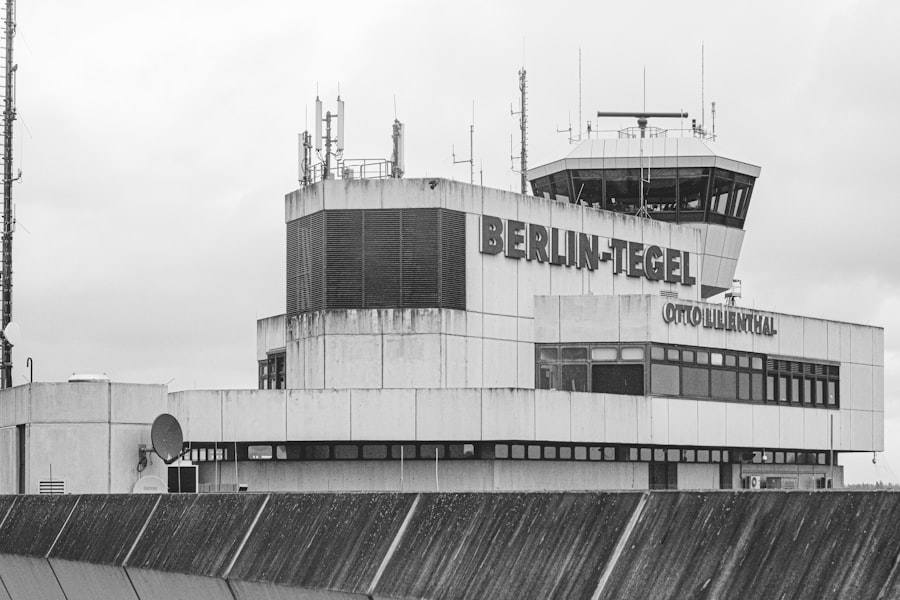
The primary landing sites within Berlin were Tempelhof (American sector), Gatow (British sector), and later, Tegel (built by the Americans during the airlift). These airports became hubs of intense activity, with planes landing and taking off every few minutes.
The Ground Crews: The Unsung Heroes
The pilots and navigators were the visible faces of the airlift, but the ground crews were the silent architects of its success. Their role was critical in ensuring that aircraft could be reloaded and dispatched with incredible speed.
Rapid Loading and Unloading Techniques
Specialized loading equipment and techniques were developed to facilitate the swift transfer of cargo. This included palletized loads, pre-weighed sacks of coal, and organized teams of stevedores working in synchronized movements.
Maintenance and Refueling
Aircraft required constant maintenance and refueling. Ground crews worked around the clock, often in harsh weather conditions, to keep the planes in the air. This included everything from minor repairs to major engine overhauls.
The Cargo Itself: More Than Just Supplies
The “cargo” of the Berlin Airlift was diverse and constantly evolving, reflecting the changing needs of the besieged city. It wasn’t just about bulk commodities; it was about the precise items that kept a modern city alive.
Coal: The Fuel of Survival
Coal was arguably the most critical commodity. The daily requirement was enormous, and the sight of endless lines of coal-laden aircraft became a symbol of the airlift’s success.
The “Operation Little Vittles” for Coal
Specialized techniques were developed for transporting coal efficiently. This included loading coal into large sacks, or “bales,” that could be easily handled and dropped from the aircraft. The scale of this operation was immense, with hundreds of thousands of tons of coal delivered.
Powering the City’s Infrastructure
The coal not only heated homes but also powered the city’s power plants, providing electricity for lighting, transportation, and vital industries. Without this steady supply, the city would have plunged into darkness and paralysis.
Food and Provisions: Sustaining Two Million Lives
The daily dietary needs of over two million people were met through a constant influx of food supplies.
Staple Foods and Perishables
From essential grains like flour and rice to vital proteins like dried eggs and powdered milk, the airlift ensured no one went hungry. Efforts were also made to deliver perishable goods, such as fresh fruit and vegetables, when possible, to maintain morale and nutritional diversity.
The Importance of Variety
While bulk staples were crucial, the airlift also aimed to provide a degree of variety in the diet. This included items like chocolate, cigarettes, and even toys for children, which played a significant role in maintaining the spirit of the population.
Essential Goods and Industrial Materials
Beyond immediate survival, the airlift also focused on keeping the city functional and economically viable.
Medical Supplies and Equipment
The constant flow of medical supplies was vital for the city’s hospitals and clinics. This included everything from basic medicines to specialized surgical equipment, ensuring that the healthcare system could continue to operate.
Spare Parts and Raw Materials
West Berlin housed several industries, and their continued operation depended on a steady supply of raw materials and spare parts. The airlift ensured that factories could continue production, providing employment and contributing to the city’s economy.
The Berlin Airlift was a monumental operation that required meticulous planning and execution to meet the supply needs of West Berlin during the Soviet blockade. For a deeper understanding of the logistical challenges faced during this critical period, you can explore a related article that delves into the intricate supply requirements and strategies employed to sustain the city. This insightful piece can be found at In the War Room, where you will discover more about the complexities of the airlift and its impact on post-war Europe.
The Human Element: The Spirit of the Airlift
Behind the vast machinery of the airlift lay the unwavering dedication and extraordinary resilience of the people involved. From the pilots braving treacherous weather to the ground crews working tirelessly, and the Berliners themselves enduring hardship with remarkable fortitude, the human spirit was the ultimate driving force.
The Pilots and Aircrews: Faces of Hope
The pilots and aircrews were the heroes of the hour, undertaking multiple flights daily in often challenging conditions. Their commitment to delivering the vital cargo inspired the beleaguered population.
The “Rosinenbomber” and the Candy Drops
A particularly poignant aspect of the airlift was the “Candy Bombers” (Rosinenbomber). Pilots would tie handkerchiefs filled with candy to their parachutes and drop them for the waiting children of Berlin. This small act of kindness had an immeasurable impact on morale.
Overcoming Fatigue and Adversity
The demanding schedule and inherent risks of the airlift took a toll on the aircrews. However, their dedication to the mission and the knowledge that they were saving a city kept them going.
The Berliners: Resilience in the Face of Adversity
The citizens of West Berlin endured the blockade with remarkable stoicism and a profound sense of gratitude for the airlift. They understood the sacrifices being made on their behalf.
Rationing and Community Spirit
Life in West Berlin during the blockade was characterized by strict rationing and a strong sense of community. People shared what they had and supported each other through the difficult times.
The Symbol of Freedom
The constant drone of aircraft overhead became a symbol of hope and a tangible demonstration of Western commitment to their freedom. The airlift transformed the sky above Berlin into a lifeline and a beacon of defiance.
The Ground Crews and Support Staff: The Invisible Engine
The success of the airlift was inextricably linked to the tireless efforts of the thousands of ground crew, mechanics, air traffic controllers, and support staff who kept the operation running smoothly.
The Logistics of a Continual Flow
These individuals were responsible for the complex logistics of loading, unloading, refueling, and maintaining the aircraft. Their efficiency and dedication were essential to the continuous flow of supplies.
Innovation and Problem-Solving
Faced with unprecedented challenges, ground crews and engineers constantly innovated and developed new solutions to improve efficiency and safety. This included improvements in loading techniques, aircraft maintenance, and even the construction of new runways.
The Berlin Airlift was far more than a logistical triumph; it was a profound testament to human ingenuity, courage, and the enduring power of solidarity. The sheer scale of the operation, the meticulous planning, and the unwavering dedication of all involved transformed an impossible situation into a resounding victory for freedom and a potent symbol of resistance against oppression. The constant hum of engines overhead, carrying the lifeblood of a city, became the soundtrack to a remarkable chapter in history, forever etched in the hearts of Berliners and a beacon of hope for those facing similar trials.
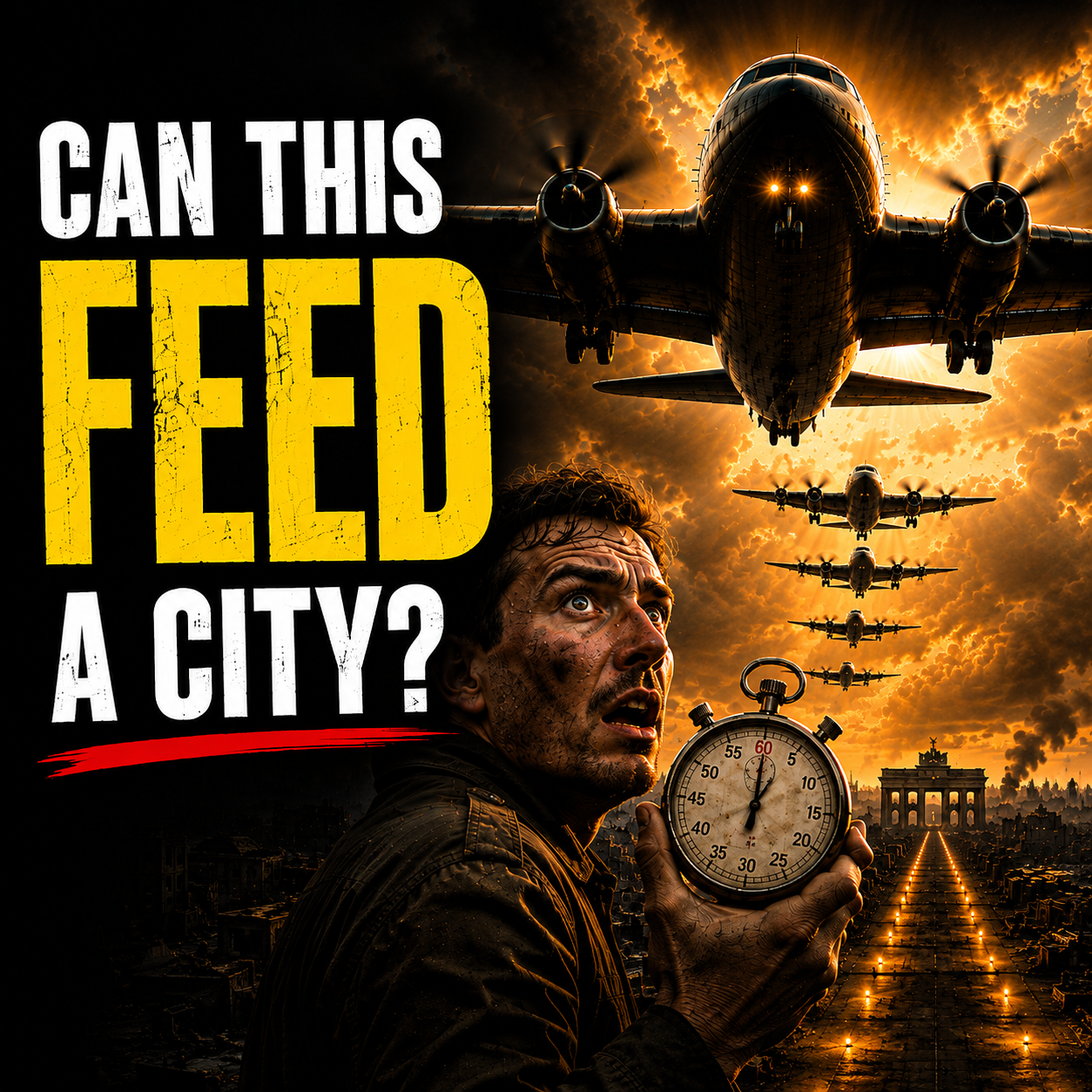
How 90 Seconds Kept 2 Million People Alive
FAQs
What was the Berlin Airlift?
The Berlin Airlift was a massive humanitarian effort to supply the citizens of West Berlin with food, fuel, and other necessities after the Soviet Union blockaded the city in 1948.
What were the supply requirements for the Berlin Airlift?
The supply requirements for the Berlin Airlift were immense, with the need for approximately 4,500 tons of food, coal, and other supplies per day to sustain the 2.5 million people in West Berlin.
How were the supplies delivered during the Berlin Airlift?
Supplies were delivered to West Berlin by air, with a fleet of over 200,000 flights made by the United States, United Kingdom, and other Western Allies over the course of the airlift.
How long did the Berlin Airlift last?
The Berlin Airlift lasted for 11 months, from June 1948 to May 1949, until the Soviet Union lifted the blockade.
What was the impact of the Berlin Airlift?
The Berlin Airlift was a major success, demonstrating the determination of the Western Allies to support West Berlin and thwart Soviet aggression. It also led to the formation of NATO and the eventual division of Germany into East and West.