The whispers of deception had begun long before the roar of Allied guns would echo across the Normandy beaches. In the crucible of World War II, where victory often hinged on outsmarting the enemy as much as overwhelming them, a silent war of information was being waged. This was a war fought not with bullets and bombs, but with radio waves, carefully crafted signals, and the minds of men. The strategic use of wireless deception, particularly in the lead-up to the D-Day landings, stands as a testament to the ingenuity and critical importance of psychological warfare, a game changer that irrevocably altered the course of the invasion and, ultimately, the war itself.
The Shadow War of Signals
The sheer scale of the Normandy invasion, codenamed Operation Overlord, was unprecedented. The Allied forces faced the formidable Atlantic Wall, a heavily fortified German defensive line stretching along the coast of occupied Europe. To breach this wall and establish a foothold on the continent, surprise was paramount. The element of surprise, however, was a fragile commodity, constantly threatened by German reconnaissance and intelligence networks. It was within this precarious balance that the clandestine operations of wireless deception found their crucial role. The goal was simple yet audacious: to convince the German High Command that the main Allied invasion would occur at a different location and at a later date than the actual assault on Normandy. This elaborate charade would tie down German reserves and distract them from the true objective, thereby significantly reducing the Allied casualties and increasing the chances of success.
The Art of Radio Deception
Radio waves, once a novel technology, had become a vital artery of military communication. This very utility, however, made them a double-edged sword. The Germans, like the Allies, relied heavily on radio for command and control, intelligence gathering, and troop movements. Exploiting this reliance was the cornerstone of Allied deception. The creation of phantom armies, the manipulation of radio traffic, and the simulation of troop concentrations were all part of this intricate tapestry of deception. The objective was to feed the enemy a carefully curated stream of misinformation, making them believe in threats that did not exist and misjudging the timing and location of the real danger. This was a psychological battle waged in the electromagnetic spectrum, where every crackle and hiss could carry a message of deceit.
Intelligence as the Foundation
Effective deception cannot exist in a vacuum; it requires a deep understanding of the adversary’s capabilities, perceptions, and vulnerabilities. Allied intelligence agencies worked tirelessly to map out the German communication networks, identify their key decision-makers, and decipher their existing intelligence assessments. This intelligence was then used to tailor the deception plan, ensuring that the fabricated signals and messages would be plausible and impactful. The British intelligence organization, particularly its deception unit known as “A Force,” played a pivotal role in orchestrating these complex operations. They meticulously analyzed German radio intercepts and reconnaissance reports to gauge the effectiveness of their deceptions and make necessary adjustments. Without this constant feedback loop, the wireless deception would have been a shot in the dark, devoid of the precision needed to achieve its strategic goals.
Before D-Day, the Allies faced significant challenges in ensuring the success of their operations, one of which was the strategic use of wireless deception. An insightful article that delves into this topic is available at this link. It explores how misinformation and the manipulation of communication played a crucial role in misdirecting German forces, ultimately contributing to the success of the Normandy landings. Understanding these tactics provides valuable context to the complexities of military strategy during World War II.
Crafting the Phantom Army: Operation Fortitude
The most ambitious and successful component of the Allied wireless deception was Operation Fortitude. This operation was designed to create the illusion of a massive Allied invasion force poised to attack the Pas-de-Calais, the narrowest point across the English Channel, a location that the Germans, based on historical precedents and logistical considerations, considered the most likely landing site. The success of Fortitude was crucial; if the Germans believed the main assault was coming at Calais, they would keep their panzer divisions and strategic reserves in that region, leaving Normandy relatively lightly defended.
The Double Agent Network
A vital element of Operation Fortitude was the utilization of a sophisticated network of double agents. These agents, often recruited from individuals with access to German intelligence or propaganda channels, were tasked with feeding information to their German handlers that supported the deception narrative. The most famous of these was Juan Pujol Garcia, codenamed “Garbo,” a Spaniard who, despite his initial animosity towards the British, offered his services to the Allied cause. Garbo, through his elaborate network of fabricated sub-agents and his persuasive communication with his German handlers, convinced the German Abwehr (military intelligence) that a massive invasion force was gathering in southeast England, ready to cross the Channel to Calais. His reports consistently detailed troop movements, equipment deployments, and invasion plans that all pointed towards Pas-de-Calais.
The Ghost Army of FUSAG
To lend further credibility to the Fortitude deception, the Allies fabricated the existence of the First United States Army Group (FUSAG), supposedly commanded by the renowned General George S. Patton. FUSAG was portrayed as an enormous army, complete with dummy tanks made of inflatable rubber, decoy landing craft, and fabricated radio traffic, all concentrated in East Anglia, directly opposite Calais. This phantom army was meticulously “advertised” through radio broadcasts, planted newspaper articles, and even staged aerial reconnaissance photographs that depicted large concentrations of military hardware. The goal was to make the Germans believe that a vast invasion force was amassing, ready to strike at their most vulnerable point. The immense scale of FUSAG, as presented by Allied deception, played on German fears and biases, making the illusion all the more potent.
The Symphony of Deceptive Signals
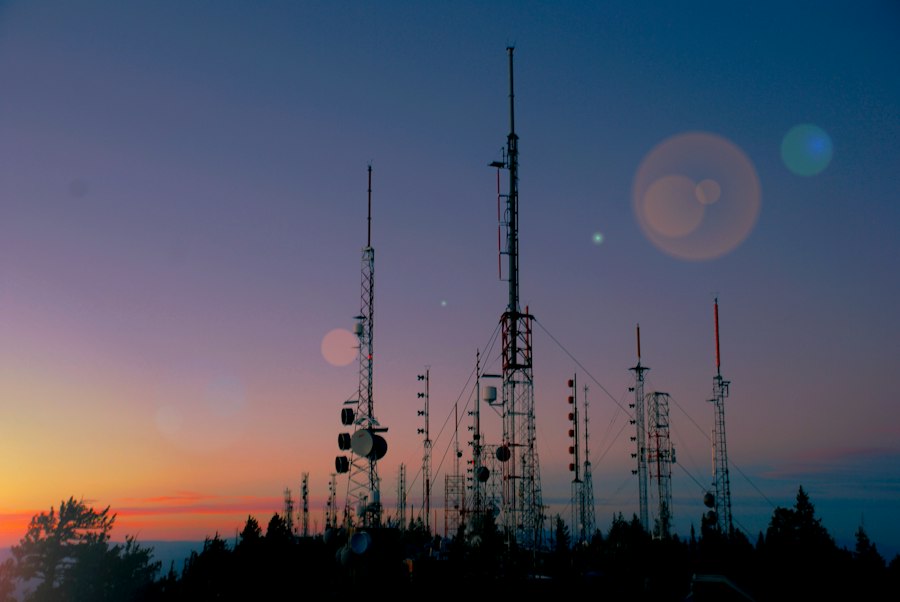
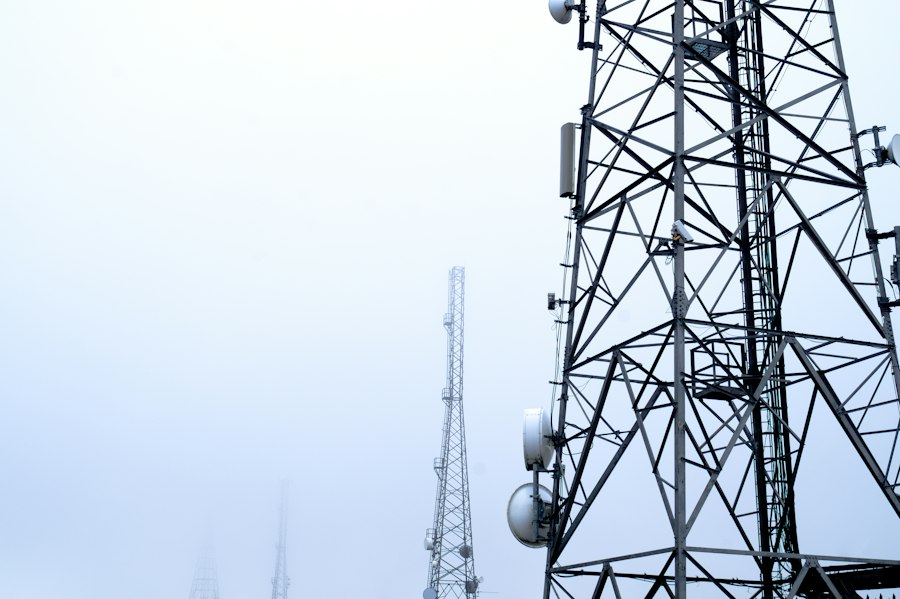
Beyond the visual and agent-based elements of Fortitude, the true mastery of wireless deception lay in the manipulation of radio communications. The Allies meticulously crafted radio traffic that mimicked the patterns and content of genuine military communications, but with a clear objective: to steer German intelligence towards the wrong conclusions. This involved a complex and coordinated effort, often referred to as the “ghost radio” operation.
Mimicking Real Communications
The Allied deception units went to extraordinary lengths to make their fake radio transmissions indistinguishable from real ones. They studied German radio protocols, listened to genuine German communications to understand their cadence and vocabulary, and even employed former German radio operators to ensure authenticity. They created fictitious unit designations, call signs, and frequencies that appeared to be part of a legitimate invasion force preparing for the Pas-de-Calais assault. This included simulating the communication needs of a massive amphibious operation, such as the extensive coordination required for troop movements, artillery support, and naval bombardments. The sheer volume of this fabricated traffic was designed to overwhelm German monitoring stations, making it difficult for them to discern genuine communications from the orchestrated noise.
Misdirecting German Radio Direction Finding
A key aspect of radio deception was the deliberate use of radio direction finding (RDF) to mislead German intelligence. Allied operators would transmit from multiple locations, sometimes disguised as ships or mobile units, to create the impression of widespread troop concentrations in areas far from the actual invasion beaches. They would even intentionally “leak” radio traffic from specific locations that were intended to draw German RDF efforts away from Normandy. This complex dance of radio signals was a sophisticated cat-and-mouse game, designed to lead the German intelligence apparatus on a wild goose chase, focusing their resources and attention on phantom threats. The constant shifting of simulated radio sources also added to the confusion, preventing the Germans from pinpointing the true location of any significant Allied military buildup.
The Psychological Impact on the German Command
The cumulative effect of these elaborate deception operations was a profound psychological impact on the German High Command. The Allies succeeded in creating a credible threat that occupied the German military’s attention and strategic planning, effectively tying down crucial reserves and distracting from the real invasion target. The German leadership, particularly Field Marshal Erwin Rommel and his staff, were convinced that the main Allied effort would be directed at the Pas-de-Calais.
The Overestimation of Calais
German intelligence, influenced by the relentless barrage of deceptive information from Operation Fortitude, became fixated on the Pas-de-Calais. They believed that the sheer volume of apparent Allied preparations in southeastern England, coupled with the historical and logistical advantages of that crossing point, made it the undeniable primary objective. This conviction led them to reinforce the defenses in Calais and hold back their most potent armored divisions, the Panzer Lehr Division and the 12th SS Panzer Division, in anticipation of a landing there. This misallocation of forces proved to be a catastrophic error for the Germans.
The Delayed Reaction in Normandy
Crucially, the deception had created a sufficiently convincing picture that even after the D-Day landings in Normandy, the German command initially hesitated to commit their strategic reserves to the fight. They believed that the Normandy landings were merely a feint, a diversionary tactic, and that the true invasion was still imminent at Pas-de-Calais. This hesitation, even for a critical few hours, allowed the Allied beachheads in Normandy to consolidate their positions and receive vital reinforcements before the German counterattacks could be effectively launched. The wireless deception, therefore, directly contributed to the initial success and survival of the Normandy invasion.
In the lead-up to D-Day, the Allies employed various strategies to mislead German forces, one of which involved sophisticated wireless deception techniques. These tactics played a crucial role in ensuring the success of the Normandy invasion by creating confusion and diverting enemy attention away from the actual landing sites. For a deeper understanding of these methods and their impact on the operation, you can read more in this insightful article on wireless deception during World War II.
The Lasting Legacy of Deception
| Metric | Value | Description |
|---|---|---|
| Number of Fake Wireless Transmissions | Over 1,000 | Approximate count of deceptive wireless messages sent to mislead German forces |
| Duration of Wireless Deception Campaign | 3 months | Period leading up to D-Day during which wireless deception was actively conducted |
| Number of Wireless Operators Involved | 150+ | Allied personnel assigned to transmit deceptive wireless signals |
| Estimated German Forces Misled | Over 50,000 troops | Approximate number of German soldiers diverted or confused by wireless deception |
| Types of Wireless Deception Used | Fake radio traffic, false call signs, simulated unit movements | Methods employed to create the illusion of Allied troop concentrations elsewhere |
| Impact on German Intelligence | Significant confusion and misallocation of resources | Effect of wireless deception on German strategic decisions before D-Day |
The success of wireless deception before D-Day was not a mere footnote in the history of World War II; it was a strategic game changer that profoundly influenced the outcome of the invasion and the war itself. The meticulous planning, the ingenious execution, and the profound psychological impact of these operations highlight the critical role that intelligence and deception played in modern warfare.
The Foundation for Allied Success
The ability to mislead the enemy on such a grand scale allowed the Allied forces to land on the Normandy beaches with significantly fewer casualties than would have otherwise been the case. By diverting German reserves and attention away from Normandy, the deception operations ensured that the initial landings met less concentrated resistance. This allowed the Allied forces to establish a foothold, expand their beachheads, and begin the long and arduous campaign to liberate Europe. The success of D-Day, a pivotal moment in the war, was undeniably facilitated by the intricate web of wireless deception spun by the Allied intelligence services.
A Blueprint for Future Operations
The lessons learned from the wireless deception operations leading up to D-Day had a lasting impact on military strategy and intelligence gathering. The understanding of how to manipulate enemy perceptions through controlled information dissemination became a cornerstone of future military operations. The concept of “information warfare,” as it would later be termed, was in its nascent stages during World War II, and the success of these deception campaigns provided a powerful demonstration of its potential. The legacy of these silent warriors, who fought their battles on the airwaves, continues to influence how modern militaries approach conflict, underscoring the enduring power of deception as a strategic weapon.

How the Allies Built an Army for Germany to Discover
FAQs
What is wireless deception before D-Day?
Wireless deception before D-Day refers to the strategic use of false wireless communications by the Allies to mislead the Germans about the location and timing of the D-Day invasion during World War II.
How was wireless deception used before D-Day?
The Allies employed a variety of tactics, including sending fake radio messages, creating fictitious military units, and manipulating radio traffic to make it seem like the invasion would take place at a different location than the actual Normandy landing.
Why was wireless deception important before D-Day?
Wireless deception played a crucial role in the success of the D-Day invasion by confusing and misleading the German forces, causing them to spread their defenses thin and divert resources away from the actual landing sites.
Who was involved in planning and executing wireless deception before D-Day?
Various intelligence agencies, including the British Special Operations Executive (SOE) and the US Office of Strategic Services (OSS), worked closely with military commanders to develop and implement wireless deception operations leading up to D-Day.
What impact did wireless deception have on the outcome of D-Day?
Wireless deception significantly contributed to the success of the D-Day invasion by helping to surprise and overwhelm the German forces, allowing the Allies to establish a foothold in Normandy and ultimately turn the tide of the war in their favor.