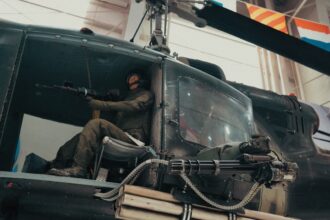
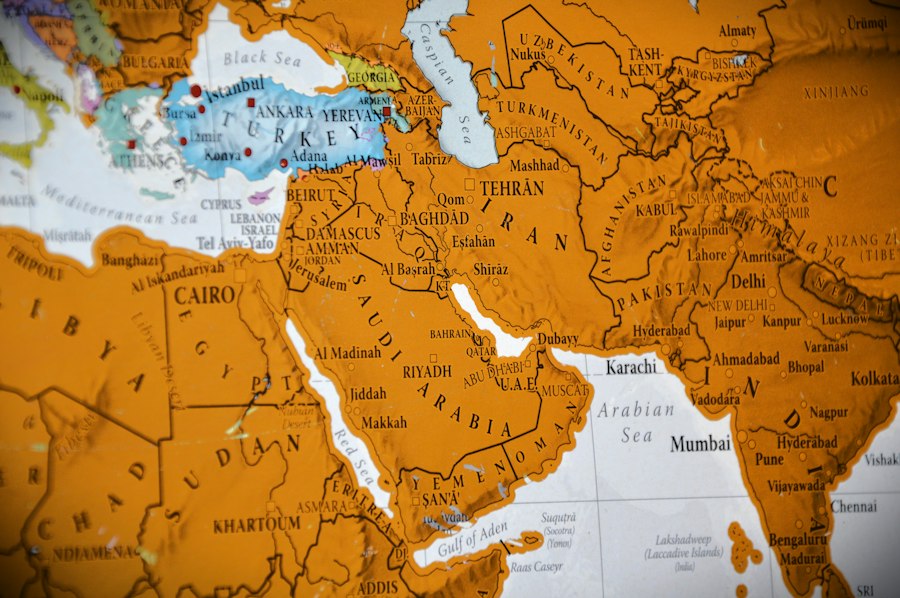
The War of Attrition, a protracted and bloody conflict that raged along the Suez Canal from 1967 to 1970, stands as a grim testament to the devastating consequences of unresolved territorial disputes and entrenched political ideologies. Following the resounding Israeli victory in the Six-Day War, which saw Israel occupy the Sinai Peninsula, the West Bank, the Gaza Strip, the Golan Heights, and East Jerusalem, a tense stalemate ensued. Egypt, humiliated by its swift defeat, was unwilling to accept the loss of its territory, particularly the strategically vital Sinai and the Suez Canal. Israel, on the other hand, viewed the occupied territories as essential security buffers. This deadlock, coupled with burgeoning superpower involvement and a desire to avoid another large-scale conventional war, birthed a new and brutal form of warfare: a war of attrition.
The Genesis of a Grinding Conflict
The seeds of the War of Attrition were sown in the immediate aftermath of the Six-Day War. The unconditional Israeli occupation of the Sinai Peninsula, and specifically its control over the Suez Canal, presented a complex geopolitical challenge. For Egypt, the canal was not merely a waterway; it was a symbol of national pride and a crucial economic artery. The closure of the Suez Canal, mandated by Egypt following the war, severely impacted global shipping and trade, amplifying the strategic importance of the occupied territory. Israel, emboldened by its military successes, was initially resistant to relinquishing any gains. However, the international community, particularly the United States and the Soviet Union, began to exert pressure for a resolution. United Nations Security Council Resolution 242, passed in November 1967, called for the “inadmissibility of the acquisition of territory by war” and the “withdrawal of Israel armed forces from territories occupied in the recent conflict.” While open to interpretation, this resolution became the cornerstone of subsequent diplomatic efforts, though its implementation proved elusive.
The Post-1967 Stalemate and the Suez Canal
The period between the Six-Day War and the commencement of the War of Attrition was characterized by a fragile ceasefire and escalating tensions. Minor skirmishes along the Suez Canal became increasingly frequent, as both sides probed each other’s defenses and signaled their resolve. Egypt, under President Gamal Abdel Nasser, was determined to regain the Sinai Peninsula and reassert its regional dominance. This necessitated a strategy that could overcome Israel’s superior military might. The Suez Canal itself became the primary theater of operations. Its geographical features – the wide expanse of water, the sand dunes of the Sinai, and the fortified Egyptian side – lent themselves to a protracted struggle. Israel established the “Bar Lev Line,” a series of heavily fortified positions along the east bank of the canal, designed to prevent any Egyptian crossing. This line, while imposing, also created a fixed and vulnerable target.
Diplomatic Efforts and Their Faltering
Numerous diplomatic initiatives were launched in the years following the Six-Day War, aimed at de-escalating tensions and finding a peaceful resolution. The “Jarring Mission,” led by Swedish diplomat Gunnar Jarring, was established under the auspices of the UN to mediate between Israel and the Arab states. However, the mission ultimately failed due to fundamental disagreements over the interpretation of Resolution 242, particularly regarding the extent of Israeli withdrawal and the future of Jerusalem. The Arab states, primarily Egypt and Jordan, insisted on a full Israeli withdrawal from all territories occupied in 1967. Israel, on the other hand, was reluctant to withdraw completely without firm security guarantees and recognition of its existence by all Arab states. This impasse fueled frustration and militancy on both sides, pushing them further towards military confrontation.
The War of Attrition between Israel and Egypt, which lasted from 1967 to 1970, was a prolonged conflict characterized by a series of skirmishes and military engagements along the Suez Canal. This conflict aimed to wear down the opponent’s resources and morale, ultimately leading to significant political and military implications for both nations. For a deeper understanding of the strategies and outcomes of this conflict, you can read a related article on this topic at In The War Room.
The Escalation to Direct Warfare

The War of Attrition officially commenced on July 1, 1967, though the intensity of fighting escalated significantly by late 1968. It was a stark departure from the swift, decisive battles of 1967. Instead, it devolved into a grinding war of artillery duels, commando raids, aerial bombardments, and a constant barrage of political maneuvering. The objective for Egypt was not to achieve a decisive battlefield victory, but to inflict heavy casualties on Israeli forces, erode Israeli morale, and ultimately force Israel to negotiate under duress. For Israel, the goal was to deter further Egyptian aggression, inflict unacceptable losses on the Egyptian military, and demonstrate the futility of trying to dislodge them through force.
The Art of Artillery and Aerial Bombardment
The primary tactic employed by both sides was artillery fire. For months on end, massive artillery barrages rained down on both sides of the Suez Canal. Egyptian artillery, supplied by the Soviet Union, pounded Israeli positions along the Bar Lev Line, while Israeli artillery, equipped with American weaponry, retaliated with devastating effect. This constant bombardment inflicted heavy casualties and severely damaged infrastructure. The conflict also saw a significant escalation in aerial warfare. Israel, with its superior air force, launched deep penetration raids into Egypt, targeting military installations, industrial centers, and even civilian areas. These raids aimed to cripple Egypt’s war-making capacity and sow terror among the populace. Egypt, in response, acquired Soviet SA-2 surface-to-air missiles, which posed a significant threat to Israeli aircraft and led to increased dogfights and missile exchanges.
Commando Raids and Sabotage Operations
Beyond the artillery and aerial exchanges, both sides engaged in daring commando raids and sabotage operations. Egyptian commandos, trained by Soviet advisors, launched cross-canal incursions to harass Israeli troops, disrupt supply lines, and gather intelligence. Israel, in turn, conducted its own commando raids, targeting Egyptian radar installations, bridges, and even strategic targets deep within Egypt. The “Operation Gift,” a daring Israeli commando raid in December 1969, saw Israeli commandos parachute into Egypt and destroy critical Egyptian infrastructure, further demonstrating the reach and capability of the Israeli special forces. These clandestine operations, while not decisive in themselves, added to the psychological pressure and the sense of constant vulnerability experienced by both armies.
The Human Cost and International Intervention
The War of Attrition exacted a terrible human toll. The constant shelling and aerial bombardments led to thousands of casualties on both sides, including a significant number of civilians caught in the crossfire. The psychological strain on soldiers manning the front lines for extended periods was immense, contributing to what would later be recognized as combat fatigue and post-traumatic stress. The sheer futility of the daily grind, the constant threat of death, and the seemingly endless nature of the conflict took a heavy toll on the morale of the combatants.
The Impact on Civilian Populations
The civilian populations living along the Suez Canal bore a disproportionate brunt of the conflict. Towns and villages in the canal zone were devastated by shelling, forcing mass evacuations and creating a significant refugee crisis. Families were separated, livelihoods were destroyed, and a generation grew up amidst the sounds of war and the constant fear of attack. The closure of the Suez Canal also had a profound impact on the economies of the cities located along its banks, such as Port Said and Suez, leading to widespread unemployment and hardship.
Superpower Involvement and Shifting Dynamics
The War of Attrition was deeply intertwined with the Cold War rivalry between the United States and the Soviet Union. The Soviet Union, a staunch ally of Egypt, provided extensive military aid, including advanced weaponry and military advisors, in an effort to prop up its client state and counter American influence in the Middle East. The United States, in turn, was a major supplier of military hardware to Israel, committed to its security and stability in the region. The escalation of the conflict, particularly the increasing number of Soviet-supplied missiles threatening Israeli aircraft, led to heightened concerns in Washington. This prompted a more direct American involvement in seeking a diplomatic resolution. The “Rogers Plan,” proposed by U.S. Secretary of State William Rogers in December 1969, called for a ceasefire, Israeli withdrawal from occupied territories, and renewed diplomatic efforts.
The Turning Point and the End of the Fighting
By late 1969 and early 1970, both sides were showing signs of exhaustion. The relentless fighting had inflicted heavy losses, and the economic strain on both nations was considerable. Egypt, despite significant Soviet support, was struggling to achieve any meaningful strategic gains. Israel, while militarily successful in repelling attacks, was grappling with the mounting casualties and the political pressure to find a lasting solution. It was under these circumstances that a renewed push for a ceasefire gained momentum, heavily influenced by the intensifying superpower involvement.
The “War of Attrition” Escalates and the Death of Nasser
The initial phase of the War of Attrition, from July 1967 to late 1968, was characterized by sporadic clashes. However, by late 1968, Egypt, under the leadership of Gamal Abdel Nasser, launched a full-scale offensive, significantly increasing the intensity of shelling and cross-canal incursions. This marked the true beginning of the brutal, grinding warfare. Israel responded with a series of preemptive strikes and aerial bombardments, aiming to degrade Egyptian offensive capabilities. The conflict reached a fever pitch in the spring and summer of 1969, with daily artillery duels and an increase in commando operations. This period saw the Bar Lev Line come under sustained attack, and Israel began to develop its own counter-measures, including sophisticated electronic warfare capabilities. However, the human cost continued to mount, and the economic burden became increasingly difficult to bear. A pivotal moment, though not directly part of the military conclusion, was the death of Egyptian President Gamal Abdel Nasser in September 1970. Nasser was an iconic figure, and his passing created a leadership vacuum and a period of uncertainty in Egypt. This, coupled with the increasing pressure from both superpowers, created an opportune moment for a ceasefire.
The Ceasefire and the Rogers Plan’s Success
The prolonged conflict, coupled with the growing involvement of the United States, eventually led to a breakthrough. The “Rogers Plan,” which called for a 90-day ceasefire, followed by negotiations for Israeli withdrawal from occupied territories in exchange for peace and security, gained traction. Despite initial reservations and considerable diplomatic maneuvering, both Egypt and Israel eventually agreed to the ceasefire, which came into effect on August 7, 1970. The ceasefire, brokered by the United States, provided a much-needed respite from the intense fighting. While it did not resolve the underlying political issues, it effectively ended the War of Attrition and paved the way for future diplomatic endeavors. The Rogers Plan, while not fully implemented in its initial aims, succeeded in halting the bloodshed and creating an environment for further dialogue.
The War of Attrition between Israel and Egypt was a prolonged conflict that lasted from 1967 to 1970, characterized by a series of skirmishes and military engagements along the Suez Canal. This conflict was marked by its strategic focus on wearing down the opponent rather than achieving a decisive victory. For a deeper understanding of the complexities and implications of this war, you can read a related article that explores its historical context and impact on subsequent Middle Eastern conflicts. To learn more, visit this insightful article.
Legacy and Long-Term Consequences
| Metric | Details |
|---|---|
| Conflict Name | War of Attrition (Israel-Egypt) |
| Duration | March 1969 – August 1970 |
| Main Parties | Israel, Egypt |
| Location | Suez Canal Zone, Sinai Peninsula |
| Casualties (Israel) | Approximately 1,424 killed |
| Casualties (Egypt) | Estimated 4,000–5,000 killed |
| Military Tactics | Artillery duels, air strikes, commando raids, trench warfare |
| Outcome | Ceasefire agreement; no significant territorial changes |
| Significance | Set stage for Yom Kippur War (1973) |
The War of Attrition, though ending in a ceasefire, left an indelible mark on the Middle East. It demonstrated the limitations of a pure war of attrition in achieving decisive political objectives and highlighted the devastating consequences of protracted conflict. The immense human and economic costs served as a stark reminder of the price of unresolved territorial disputes. The conflict also underscored the critical role of superpowers in regional conflicts and the complex interplay of military strategy, political objectives, and international diplomacy.
A Strained Peace and the Seeds of Future Conflict
While the War of Attrition ended, the fundamental issues that fueled it remained unresolved. The Sinai Peninsula remained under Israeli occupation, and the political aspirations of both nations were far from being met. The ceasefire, while welcomed, was seen by many as a temporary reprieve rather than a lasting peace. The deep-seated animosity and mistrust between Israel and Egypt persisted. The military lessons learned during the War of Attrition would significantly influence future military planning and strategies. Egypt, in particular, used the intervening years to rebuild its military and prepare for a future conflict, aiming to break the stalemate through a more decisive offensive. This preparedness, in part, set the stage for the Yom Kippur War in 1973.
The Road to the Camp David Accords
The War of Attrition, in its own grim way, contributed to the eventual peace process that culminated in the Camp David Accords. The exhaustion and the immense costs of the conflict fostered a desire for a more sustainable peace among the leadership of both nations. The experience of the prolonged fighting along the Suez Canal, and the realization that neither side could achieve its objectives through military means alone, created a receptiveness to diplomatic solutions. The ceasefire of 1970, though imperfect, kept the door open for further negotiations. The eventual realization by Egyptian leadership that a military victory was improbable and that a political solution was necessary laid the groundwork for the historic peace treaty signed between Egypt and Israel in 1979. The War of Attrition, therefore, stands as a crucial, albeit painful, chapter in the long and complex journey towards peace in the Middle East.
A 3-Year Drought Hit the Hittite Empire. Did It Cause the Collapse?
FAQs
What was the War of Attrition between Israel and Egypt?
The War of Attrition was a prolonged conflict between Israel and Egypt that took place from 1967 to 1970. It was characterized by continuous low-level warfare along the Suez Canal and the Sinai Peninsula.
What were the main causes of the War of Attrition?
The main causes of the War of Attrition included unresolved issues from the Six-Day War in 1967, such as the status of the Sinai Peninsula and the Suez Canal, as well as Egypt’s desire to regain territory lost during that conflict.
How did the War of Attrition impact the civilian populations of Israel and Egypt?
The War of Attrition resulted in significant civilian casualties on both sides, as well as economic hardships and disruptions to daily life. The constant threat of attacks and the need for heightened security measures took a toll on the civilian populations of both countries.
What role did the superpowers play in the War of Attrition?
The United States and the Soviet Union played significant roles in the War of Attrition by providing military support to their respective allies, Israel and Egypt. This external support contributed to the intensity and duration of the conflict.
How did the War of Attrition come to an end?
The War of Attrition came to an end in August 1970 with the signing of the ceasefire agreement between Israel and Egypt. The agreement was brokered by the United Nations and led to a cessation of hostilities along the Suez Canal and the Sinai Peninsula.