Operation Moked: The Israeli Air Force’s Decisive Opening Strikes
The history of modern warfare is punctuated by moments of strategic brilliance and audacious execution. Among these, the opening salvos of the Six-Day War, launched by the Israeli Air Force (IAF) in a meticulously planned operation codenamed “Moked” (Hebrew for “center” or “focus”), stand as a testament to the power of decisive air superiority. On June 5, 1967, the IAF executed a swift and devastating series of strikes that fundamentally altered the trajectory of the conflict and reverberated through the geopolitical landscape of the Middle East for decades to come. This article delves into the intricate planning, execution, and profound impact of Operation Moked, highlighting the strategic genius and operational prowess that characterized this pivotal moment in military history.
The years preceding the Six-Day War were characterized by escalating tensions in the Middle East. The Arab-Israeli conflict, a deeply entrenched dispute over land, identity, and security, had simmered since the establishment of the State of Israel in 1948. By the mid-1960s, a confluence of factors – including border skirmishes, escalating rhetoric from Arab leaders, and the perceived threat of Soviet-backed military build-ups by neighboring Arab states – created an atmosphere of impending war.
Rising Tensions and Border Skirmishes
The period between 1965 and 1967 witnessed a significant increase in violent incidents along Israel’s borders, particularly with Syria and Jordan. Palestinian fedayeen raids, often launched from Syrian territory, targeted Israeli civilian populations and infrastructure. Israel responded with retaliatory strikes, leading to a dangerous cycle of escalation. These skirmishes, while often localized, served to heighten the sense of insecurity and militarize the region further.
The Syrian Front and the Water Dispute
The dispute over the diversion of the Jordan River’s headwaters, particularly the National Water Carrier project, became a major flashpoint between Israel and Syria. Syria, with Soviet encouragement, actively sought to thwart the project, which was vital for Israel’s agricultural and economic development. This led to frequent artillery duels and aerial engagements over the demilitarized zones, further straining relations.
Nasser’s Assertions and the Straits of Tiran
The ascendant pan-Arab leader, Gamal Abdel Nasser of Egypt, played a crucial role in the escalating crisis. Emboldened by Soviet reassurances and a sense of Arab unity, Nasser began to adopt a more confrontational stance towards Israel. In May 1967, he declared his intention to close the Straits of Tiran to Israeli shipping, a move that Israel viewed as a casus belli and an existential threat. The closure of these vital maritime chokepoints would have effectively strangled Israel’s southern port of Eilat, impacting its economy and access to oil.
The Mobilization of Arab Armies
In response to the perceived Israeli threat and Nasser’s assertive rhetoric, Egypt, Syria, and Jordan began to mobilize their armed forces. Large numbers of troops and tanks were deployed to the borders, creating a tangible sense of encirclement for Israel. The international community, while expressing concern, struggled to de-escalate the situation effectively. Israel found itself facing a hostile coalition, with a formidable Arab military presence on multiple fronts.
Operation Moked, the Israeli Air Force’s preemptive strike during the Six-Day War, marked a pivotal moment in military aviation history. For those interested in exploring the strategic implications and outcomes of this operation further, a related article can be found at In the War Room, which delves into the tactics employed and the broader context of the conflict.
The Strategic Imperative: Preemptive Strike
Faced with an imminent threat of invasion and the strategic strangulation of its maritime access, the Israeli leadership made the fateful decision to launch a preemptive strike. The consensus among the Israeli military and political leadership was that delaying action would only increase the risks and casualties. The primary objective of this preemptive strike was to neutralize the Arab air forces, thereby gaining air superiority and preventing a coordinated ground invasion.
The Doctrine of Preemption
The decision to strike first was not taken lightly. It was rooted in a deep understanding of the historical context and the perceived existential threat. Israel’s military doctrine had long emphasized the importance of decisive action to overcome numerical disadvantages. The concept of kadamiyut (preemption) was a cornerstone of this doctrine, arguing that in a situation of overwhelming odds and a clear and present danger, striking first was not only strategically sound but a matter of survival.
Intelligence Gathering and Assessment
Months of diligent intelligence gathering by Mossad and Military Intelligence were crucial in shaping the operational plan. Israeli intelligence meticulously tracked the disposition of Arab air forces, identifying their airfields, aircraft types, and operational readiness. This detailed intelligence allowed for the precise targeting of key assets, maximizing the impact of the initial strikes. Understanding the enemy’s strengths and weaknesses was paramount.
The Goal: Air Superiority
The overarching strategic goal of Operation Moked was to achieve immediate and decisive air superiority over the entire theater of operations. This meant crippling the Egyptian, Syrian, and Jordanian air forces on the ground before they could even take to the skies. The rationale was simple: without air cover, the advancing Arab ground forces would be vulnerable to Israeli air attacks, and Israel’s own ground forces would be protected from enemy air interdiction.
The Dilemma of Intervention
While the strategic imperative was clear, the decision to launch a preemptive strike carried significant diplomatic and moral weight. Israel was acutely aware of the international condemnation that such an action might provoke. However, the perceived inevitability of war and the dire consequences of a delayed response ultimately tipped the scales in favor of preemption. The leadership grappled with the potential fallout but concluded that the survival of the nation depended on this audacious gambit.
Operation Moked: The Mechanics of Destruction
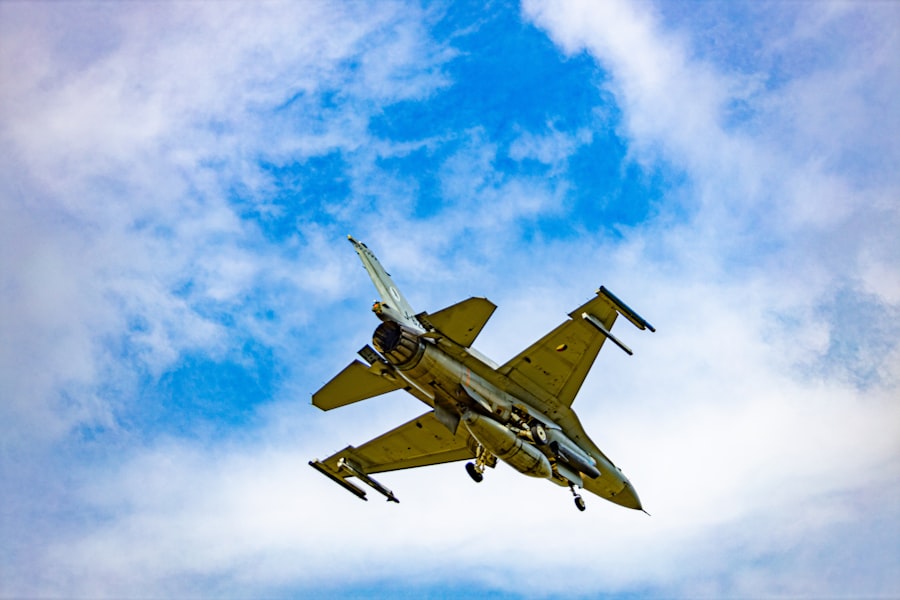
The execution of Operation Moked was a masterpiece of military planning and precise execution. The IAF, under the command of Major General Mordechai Hod, orchestrated a series of complex, multi-wave attacks designed to systematically dismantle the Arab air forces. The element of surprise, coupled with meticulous timing and devastating accuracy, proved to be the hallmarks of the operation.
The Dawn Offensive: Wave One
At approximately 7:45 AM on June 5, 1967, the first wave of Israeli Dassault Mystère IVs and Sud Aviation Vautours, armed with rockets and bombs, took to the skies. Their targets were the main airfields of the Egyptian Air Force (EAF). The element of surprise was absolute. The pilots, briefed on their precise objectives, attacked parked aircraft, runways, and ground support facilities. The efficiency of this first wave was staggering.
Targeting Egyptian Airfields
The primary targets in the first wave included the air bases at El Arish, Bir Gifgafa, Abu Suweir, Inchas, Khargah, and numerous other smaller installations. The objective was to destroy the aircraft on the tarmac before they could take off. The Israeli pilots flew in at low altitudes, often at treetop level, to evade radar detection, and unleashed their payloads with devastating accuracy.
The Effectiveness of Surprise and Timing
The timing of the attack was crucial. The EAF was at its least prepared state, with many pilots off base for morning prayers or breakfast. The airfields were relatively undefended against a surprise ground attack. This allowed the IAF to achieve an unprecedented kill ratio, destroying a significant portion of the EAF’s aircraft in the opening minutes of the conflict.
Subsequent Waves and Escalating Damage
Following the success of the first wave, the IAF launched a series of follow-up waves throughout the day. These waves focused on reinforcing the destruction of the EAF and then expanding their attacks to the air forces of Syria and Jordan. The methodical nature of these attacks ensured that any surviving aircraft were systematically eliminated.
Targeting Syrian and Jordanian Air Forces
As the day progressed, Israeli aircraft turned their attention to the Syrian Air Force (SyAAF) and the Royal Jordanian Air Force (RJAF). Similar tactics were employed, targeting airfields such as Mezzeh, Dumayr, and Khalkhala in Syria, and Mafraq and King Hussein Air Base in Jordan. The objective remained the same: to neutralize any remaining aerial threat.
The Role of Ground Attack Aircraft
The IAF’s fleet of ground attack aircraft, including the Dassault Mystère IV, Fouga Magister, and Nord Noratlas bombers, played a critical role in these subsequent waves. Their ability to carry significant bomb loads and their maneuverability at low altitudes made them ideal for attacking hardened targets and dispersing enemy aircraft.
The “Miracle” of the Mystères
The success of the Mystère IV fighter-bombers was particularly noteworthy. These aircraft, often flying multiple sorties per day, proved to be exceptionally effective in their attack profiles. The pilots’ skill, coupled with the aircraft’s capabilities, contributed significantly to the overwhelming success of the initial strikes.
The Importance of Diversionary Tactics
While not explicitly part of the initial strikes, the IAF also employed diversionary tactics, such as simulated attacks and feints, to draw enemy attention away from the main assault points. These subtle maneuvers further contributed to the overall surprise and effectiveness of Operation Moked.
The Aftermath: Air Superiority and Its Consequences

The impact of Operation Moked was immediate and profound. Within a matter of hours, the Israeli Air Force had achieved overwhelming air superiority. This victory fundamentally altered the complexion of the Six-Day War and had far-reaching consequences for the participants and the region.
The Neutralization of Arab Air Forces
By the end of the first day, the Egyptian, Syrian, and Jordanian air forces had been decimated. Estimates vary, but it is widely believed that the vast majority of their operational aircraft were destroyed on the ground. This meant that the Arab armies fighting on the ground had no air support and were completely vulnerable to Israeli air attacks.
Devastation of the Egyptian Air Force
The EAF, once considered a formidable force, was rendered virtually inoperable. Thousands of sorties were flown by the IAF, destroying hundreds of aircraft. This loss was a catastrophic blow to Egypt’s military capability and its ability to wage a sustained war.
Crippling Syrian and Jordanian Air Power
Similarly, the SyAAF and RJAF suffered heavy losses, severely limiting their ability to contest Israeli air dominance. The coordinated destruction of these forces removed a critical layer of defense for the Arab ground forces.
The Foundation for Ground Victories
With air superiority secured, the Israeli Ground Forces were able to advance rapidly and with minimal casualties from air attack. The IAF played a crucial role in supporting ground operations by interdicting enemy supply lines, providing close air support, and neutralizing enemy strongholds.
The Sinai Campaign
The swift Israeli advance through the Sinai Peninsula, leading to the capture of the Gaza Strip and the Sinai Desert, was greatly facilitated by the absence of Egyptian air power. IAF aircraft provided continuous reconnaissance and attack support for advancing armored columns.
The West Bank and Golan Heights
The capture of the West Bank, including East Jerusalem, from Jordan, and the Golan Heights from Syria, were also significantly aided by the IAF’s dominance. The ability to strike enemy positions from the air without fear of reprisal proved decisive in these campaigns.
The Psychological Impact
The psychological impact of Operation Moked cannot be overstated. For the Arab nations, it was a devastating blow to their military pride and a stark realization of their unpreparedness. For Israel, it was a moment of triumph and a reinforcement of their belief in their military’s capabilities.
Operation Moked, the Israeli Air Force’s pivotal preemptive strike during the Six-Day War, set a precedent for air power in modern warfare. For those interested in exploring the broader implications of air strategies in military conflicts, a related article delves into various air operations throughout history. You can read more about these significant events and their outcomes by visiting this insightful piece on military tactics at this link.
The Legacy of Operation Moked
| Operation Moked Israeli Air Force | Metrics |
|---|---|
| Date | June 5-11, 1967 |
| Objective | Preemptive strike on Egyptian, Syrian, and Jordanian air forces |
| Aircraft involved | Over 200 |
| Targets destroyed | Over 400 enemy aircraft |
| Outcome | Decisive victory for Israeli Air Force |
Operation Moked remains a seminal event in military history, studied for its strategic brilliance, operational efficiency, and lasting impact. It is a case study in how decisive air power can fundamentally shape the outcome of a conflict.
A Masterclass in Air Warfare
The operation is widely regarded as a textbook example of a successful preemptive air strike. The meticulous planning, the element of surprise, the precise execution, and the clear strategic objectives all contributed to its overwhelming success. It demonstrated the vital importance of air superiority in modern warfare.
The Concept of “Killing the Air Force on the Ground”
Operation Moked popularized the concept of “killing the enemy’s air force on the ground.” This strategy, aimed at destroying an adversary’s air assets before they can be deployed, became a significant consideration in military planning worldwide.
The Geopolitical Realignment
The Six-Day War, initiated by Operation Moked, led to a dramatic geopolitical realignment in the Middle East. Israel emerged as a regional military power, occupying significant territories that would become central to future peace negotiations and ongoing conflicts. The war also solidified the United States’ strategic alliance with Israel.
Enduring Lessons for Military Strategists
The lessons learned from Operation Moked continue to inform military doctrine and strategy. The importance of intelligence, the effectiveness of surprise, the need for decisive action, and the critical role of air power are all enduring takeaways that resonate with military planners today. The operation serves as a constant reminder of the power of a well-executed air campaign to achieve strategic objectives and alter the course of history.

The Intelligence System That Won the Six-Day War Before It Began
FAQs
What was Operation Moked?
Operation Moked, also known as Operation Focus, was a surprise Israeli Air Force attack on Egyptian airfields on June 5, 1967, at the beginning of the Six-Day War.
What was the objective of Operation Moked?
The objective of Operation Moked was to gain air superiority over the Egyptian Air Force by destroying its aircraft on the ground, thus preventing them from posing a threat to Israeli forces.
How successful was Operation Moked?
Operation Moked was highly successful, with the Israeli Air Force destroying a significant portion of the Egyptian Air Force on the ground in the opening hours of the Six-Day War. This gave Israel air superiority for the remainder of the conflict.
What impact did Operation Moked have on the Six-Day War?
The success of Operation Moked played a crucial role in Israel’s victory in the Six-Day War. By gaining air superiority early in the conflict, Israel was able to effectively neutralize the threat posed by the Egyptian Air Force and secure a decisive military advantage.
What is the legacy of Operation Moked?
Operation Moked is considered a classic example of the effectiveness of a preemptive strike in modern warfare. It has been studied by military strategists and historians as a successful use of air power to achieve a specific military objective.