Special Forces Execute Swift Extraction in Contested Zone
A specialized team of operatives, belonging to an unnamed Western nation’s elite military units, conducted a clandestine operation deep within Iranian airspace in the early hours of Tuesday. The mission, characterized by its speed and precision, involved the exfiltration of an individual whose identity and the circumstances of their presence in hostile territory remain classified. Initial reports suggest the operation was a high-stakes rescue, leveraging advanced tactics and equipment to overcome significant operational challenges.
The operation, codenamed “Shadow Talon,” commenced under the cover of darkness, with a highly modified aircraft, capable of low-observable flight and silent approach, entering Iranian airspace. The precise location of the extraction point, a rugged and remote area, was identified through extensive intelligence gathering and reconnaissance efforts conducted over weeks. The success of the mission hinges on the meticulous planning and execution by the Special Forces cadre, a group renowned for their ability to operate in denied environments with minimal support and maximum effectiveness.
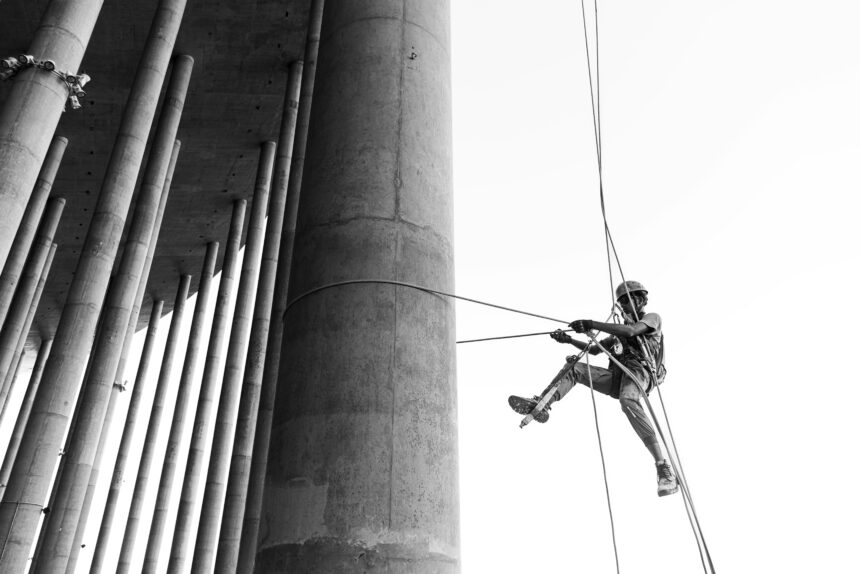
The deployment itself was a testament to the team’s advanced capabilities. Utilizing a fast rope insertion technique, operatives descended from the hovering aircraft directly onto the designated extraction zone. This method, employed when a conventional landing is either impossible or too risky, allows for rapid deployment of personnel and equipment in confined or hazardous terrain. The speed of the insertion was critical, aimed at minimizing the window of exposure to potential detection and interdiction by Iranian forces.
Intelligence and Preparation
The foundation of “Shadow Talon” was laid through a comprehensive intelligence-gathering apparatus. Decades of investment in signals intelligence, human intelligence, and satellite surveillance contributed to the detailed understanding of the target area and the operational landscape. This intelligence was crucial in identifying the individual requiring extraction and assessing the risks associated with operating within Iranian sovereign territory.
Human Intelligence Networks
The role of human intelligence sources within Iran cannot be overstated. These assets, operating under extreme duress, provided the granular, on-the-ground information necessary to pinpoint the individual’s location and to monitor potential Iranian responses. The vetting and management of these sources are complex processes, demanding a high degree of tradecraft and a constant assessment of risk to those involved.
In a recent article discussing the intricacies of special operations, the focus on fast rope rescue techniques within Iranian territory highlights the strategic importance of rapid insertion and extraction methods used by elite forces. This article delves into the challenges faced by special forces in hostile environments and the critical role of precision and speed in successful missions. For more insights on this topic, you can read the full article here: Special Forces Fast Rope Rescue in Iran Territory.
Signals Intelligence and Surveillance
Advanced signals intelligence (SIGINT) capabilities were employed to intercept and analyze Iranian communications, identifying patterns of movement and potential security vulnerabilities. Satellite imagery provided vital topographical data and helped map out ingress and egress routes, as well as potential adversarial patrol patterns. This multi-layered approach to intelligence collection ensured a comprehensive operational picture.
Risk Assessment and Contingency Planning
A thorough risk assessment was conducted, evaluating every conceivable threat, from immediate Iranian military response to environmental hazards. Contingency plans were developed for a multitude of scenarios, including equipment malfunction, compromise of the extraction zone, and the potential for sustained pursuit. These plans were rehearsed extensively in simulated environments to ensure crew and team proficiency.
Infiltration and Extraction
The initial phase of the operation involved the covert insertion of the Special Forces team. The flight path was meticulously calculated to avoid radar detection, utilizing terrain masking and advanced electronic countermeasures. The aircraft’s low noise signature further contributed to its stealth.
Fast Rope Insertion
The fast rope technique, a hallmark of special operations, was chosen for its speed and efficiency. Once positioned over the pre-determined coordinates, the aircraft maintained a stable hover, allowing the operatives to descend rapidly. This method bypasses the need for a landing zone, making it ideal for mountainous or heavily vegetated terrain, or in situations where time is of the essence.
In recent discussions about military operations, the topic of special forces fast rope rescue missions has gained significant attention, particularly in relation to their strategic importance in challenging environments like Iran. Such operations require not only precision and skill but also a deep understanding of the terrain and potential risks involved. For those interested in exploring this subject further, a related article can be found on In the War Room, which delves into the intricacies of these high-stakes missions and their implications for modern warfare. You can read more about it in this insightful piece here.
Securing the Extraction Zone
Upon reaching the ground, the team immediately established a defensive perimeter. Security protocols were enacted to ensure the safety of the individual being extracted and to prevent any compromise of the operation. This included sweep procedures to detect any lurking threats and the establishment of communication links with the awaiting aircraft.
The Exfiltrated Individual
The identity of the individual extracted remains a closely guarded secret. However, the circumstances of their presence in Iranian territory suggest they were either a national of the deploying country or an allied citizen facing an untenable situation. The decision to mount such a risky operation underscores the value placed on this individual’s safety and the broader geopolitical implications of their predicament. The extraction team was tasked with ensuring their well-being and a smooth transition to secure transport.
Egress and Return to Base
The egress from Iranian territory was executed with the same urgency and precision as the infiltration. The primary objective was to depart the area rapidly and make good on established return vectors.
Rapid Ascent and Departure
Following the successful securing of the individual, the extraction team ascended the fast rope back to the aircraft. The aircraft then executed a swift ascent and immediately proceeded on its return trajectory, minimizing any lingering presence within Iranian airspace. The speed of this phase was paramount to avoiding detection and potential interdiction efforts by Iranian air defense systems.
Post-Operation Debriefing
Upon reaching friendly territory, the operative team underwent an immediate and thorough debriefing. This process is crucial for gathering immediate operational feedback, assessing the effectiveness of tactics and equipment, and identifying any lessons learned. The debriefing also serves to account for all personnel and materiel.
Medical and Psychological Assessment
The exfiltrated individual, alongside the operational team, underwent comprehensive medical and psychological assessments. This is standard procedure following any high-stress operation, particularly one conducted in a hostile environment. Ensuring the physical and mental well-being of all involved is a primary consideration.
Operational Challenges and Risk Factors
The execution of “Shadow Talon” was fraught with inherent dangers, each demanding meticulous planning and flawless execution. Operating in a foreign, potentially hostile, air and ground environment presents a constant array of threats.
Air Defense Systems
Iran possesses a robust and increasingly sophisticated air defense network, encompassing a range of radar systems and missile batteries. Penetrating this network undetected requires advanced electronic warfare capabilities and precise flight planning to utilize known blind spots or terrain masking. The risk of detection and engagement was a significant concern throughout the mission.
Iranian Air Force and Ground Forces
The presence of Iranian military forces, both in the air and on the ground, posed another substantial threat. Any deviation from the planned route or protracted presence in a particular area could have triggered a response from fighter aircraft or ground units. The operation’s success depended on maintaining an extremely low profile.
Environmental Hazards
The extraction zone, described as rugged and remote, likely presented its own set of environmental challenges. These could include adverse weather conditions, challenging terrain for any potential ground movement, and limited visibility, particularly during nighttime operations. These factors can complicate extraction procedures and increase the risk of accidents.
Technical Malfunctions
The reliance on complex aircraft and specialized equipment means that any technical malfunction could have catastrophic consequences. Redundancy in critical systems, rigorous pre-flight checks, and the technical expertise of the air and ground crews were vital in mitigating this risk.
Strategic Implications and Future Considerations
The successful execution of “Shadow Talon” carries significant strategic weight, demonstrating a nation’s capacity for decisive intervention in denied territories. The operation also raises questions about the broader geopolitical landscape and the ongoing tensions within the region.
The Message to Adversaries
This operation sends a clear message to potential adversaries that their territories are not inviolable and that an unacknowledged presence within them does not guarantee immunity from swift, targeted action. It underscores a commitment to protecting national interests and personnel, even in the face of considerable risk.
Intelligence and Response Capabilities
The success of “Shadow Talon” highlights the advanced intelligence-gathering and operational response capabilities of the deploying nation. It serves as a potent reminder of the lengths to which states will go to achieve their objectives and the sophistication of modern special operations forces.
Escalation and De-escalation Dynamics
The operation, while successful in its objective, also exists within a delicate balance of escalation and de-escalation dynamics in the region. The potential for Iranian retaliation, whether overt or covert, remains a factor to be carefully considered. The international community will be watching closely for any potential fallout.
The Role of Special Operations in Modern Conflict
“Shadow Talon” exemplifies the evolving role of special operations forces in contemporary conflicts. Their ability to conduct precise, clandestine missions with minimal collateral damage makes them invaluable assets in a wide range of scenarios, from counterterrorism to strategic deterrence. The sustained investment in these units and their capabilities is demonstrably consequential. This mission, born from necessity and executed with exceptional skill, will undoubtedly inform future planning and strategic considerations. The covert nature of the operation ensures that many of its finer details will remain undisclosed, preserving the operational security necessary for future endeavors of similar import. The ramifications for regional stability and the future trajectory of international relations will continue to unfold in the coming weeks and months.
FAQs
What is a fast rope rescue and how are special forces involved?
A fast rope rescue is a technique used by special forces to quickly insert or extract personnel from a location using a rope. Special forces are trained in fast roping techniques to perform rapid and stealthy operations, including rescue missions in hostile territories.
What is the significance of conducting a fast rope rescue in Iran territory?
Conducting a fast rope rescue in Iran territory would be a highly sensitive and complex operation due to the political and diplomatic implications. It would require careful planning, coordination with relevant authorities, and adherence to international laws and regulations.
What are the potential challenges and risks associated with a fast rope rescue in Iran territory?
The potential challenges and risks associated with a fast rope rescue in Iran territory include navigating through hostile or unfamiliar terrain, evading detection by Iranian authorities, and managing potential diplomatic fallout. Additionally, there may be heightened security measures and surveillance in place, increasing the risk of interception or confrontation.
What are the legal and diplomatic considerations for special forces conducting a fast rope rescue in Iran territory?
Special forces conducting a fast rope rescue in Iran territory would need to consider international laws, diplomatic protocols, and potential repercussions from the Iranian government. Any such operation would require careful assessment of the legal and diplomatic implications, as well as coordination with relevant government agencies and international partners.
What are the potential outcomes and impact of a successful fast rope rescue in Iran territory?
A successful fast rope rescue in Iran territory could lead to the safe extraction of personnel from a dangerous situation, potentially preventing a humanitarian crisis or securing valuable intelligence. However, it could also lead to heightened tensions between the involved parties and have broader geopolitical implications.