The spectral ballet of espionage and strategic maneuvering that defined the Cold War was rarely a matter of open pronouncements or easily discernible battlefield victories. For the United States Air Force, this era was characterized by a persistent undercurrent of clandestine operations, missions shrouded in secrecy, designed to probe, deter, and outmaneuver a formidable adversary. These were not the headline-grabbing bomber raids of World War II; instead, they were intricate, often perilous undertakings executed by specialized units, utilizing cutting-edge, and frequently experimental, technology. Unseen for decades, the revelation of these operations paints a more complete and chilling picture of the lengths to which both superpowers would go to gain an advantage in a world teetering on the brink of annihilation.
The Genesis of Stealth: Reconnaissance and Intelligence Gathering
The insatiable demand for accurate intelligence on the Soviet Union’s military capabilities, troop movements, and emerging technologies fueled a significant portion of the US Air Force’s secret operations. The enemy was vast, opaque, and deeply suspicious, making conventional intelligence gathering methods insufficient. This necessity gave rise to a new breed of aircraft and missions, pushing the boundaries of aeronautical engineering and human endurance.
The Eyes in the Sky: High-Altitude Reconnaissance
The U-2 Dragon Lady stands as an iconic symbol of Cold War aerial intelligence. Developed in the mid-1950s, this single-engine, high-altitude reconnaissance aircraft was designed to fly at altitudes exceeding 70,000 feet, far above the reach of Soviet interceptors and anti-aircraft defenses of the time. Its primary mission was to conduct photographic reconnaissance over sensitive Soviet territories. The images captured by the U-2 provided invaluable insights into missile sites, airfields, naval bases, and industrial complexes. Pilots operating the U-2 were specially selected and rigorously trained, often referred to as “guardians of the sky.” They faced extreme environmental conditions, including frigid temperatures and a lack of oxygen, relying on specialized pressure suits for survival. The high-altitude flights, while outwardly appearing as mundane survey missions to the unsuspecting public, were in fact incredibly dangerous gambles. The risk of mechanical failure at such altitudes was immense, and the slightest deviation from the flight path could have catastrophic geopolitical consequences.
The downing of Francis Gary Powers’ U-2 over Sverdlovsk in 1960 served as a stark reminder of the inherent dangers. This incident, which led to a major diplomatic crisis, highlighted the vulnerability of even the most advanced reconnaissance platforms and forced a reevaluation of operational strategies. Despite this setback, the U-2 program continued, adapted, and evolved, proving its indispensability throughout the Cold War and beyond, continually providing crucial intelligence that shaped strategic decisions and averted potential conflicts. Its legacy is etched in the annals of intelligence gathering, a testament to the courage of its pilots and the ingenuity of its creators.
The Shadow of the SR-71: Supersonic Surveillance
Building upon the lessons learned from the U-2 program, the Lockheed SR-71 Blackbird represented a quantum leap in reconnaissance technology. Introduced in the 1960s, the SR-71 was not just a reconnaissance aircraft; it was a technological marvel. Capable of flying at speeds exceeding Mach 3.2 (over 2,200 mph) and at altitudes above 85,000 feet, it was virtually invulnerable to interception. Its sleek, titanium-alloy construction and unique design allowed it to withstand the extreme heat generated by supersonic flight. The SR-71’s mission was to provide real-time, high-resolution imagery and electronic intelligence from deep within enemy territory. Its speed and altitude were its primary defenses, rendering Soviet air defense systems largely obsolete against it.
The operational tempo of the SR-71 was relentless. It routinely conducted missions over vast swathes of Soviet territory, including sensitive areas like Siberia and Cuba. The intelligence gathered by the Blackbird was critical in monitoring Soviet missile development, tracking naval movements, and assessing their strategic capabilities. The pilots and reconnaissance systems officers (RSOs) who operated the SR-71 were among the most skilled and courageous individuals in the Air Force. They endured immense G-forces during maneuvers and operated in an environment of extreme physiological stress. The sheer speed and altitude made any escape from danger virtually impossible, placing immense trust in the aircraft’s performance and the crew’s training. The SR-71’s existence was a closely guarded secret for years, with its distinctive sonic booms explained away as meteorological phenomena. Its unveiling in the late 1970s shocked many, revealing a level of technological superiority that had been silently maintained for decades.
Electronic Warfare and Signal Interception
Beyond photographic intelligence, the US Air Force also engaged in extensive electronic warfare (EW) and signals intelligence (SIGINT) operations. These missions involved intercepting enemy radio communications, radar emissions, and other electronic signals to glean vital information. Specialized aircraft, often modified versions of existing platforms or purpose-built EW craft, were equipped with sophisticated listening devices and jamming equipment.
These operations were crucial for understanding Soviet command and control structures, identifying their electronic capabilities, and developing countermeasures. EW aircraft would fly close to enemy airspace, sometimes even venturing across borders, to gather signals data. This intelligence was not only used for immediate tactical advantage but also to inform long-term strategic planning and to develop effective electronic counter-countermeasures. The development of advanced jamming techniques and the ability to analyze and decipher complex Soviet communication protocols were key components of the Air Force’s secret war, often occurring in the electromagnetic spectrum rather than the visible one.
During the Cold War, the U.S. Air Force conducted numerous secret operations that played a crucial role in shaping military strategy and international relations. For a deeper understanding of these covert activities, you can explore the article titled “The Shadowy Operations of the U.S. Air Force During the Cold War” on In The War Room, which provides an in-depth analysis of the tactics and missions carried out during this tense period. To read more, visit In The War Room.
The Shadow War: Covert Operations and Special Missions
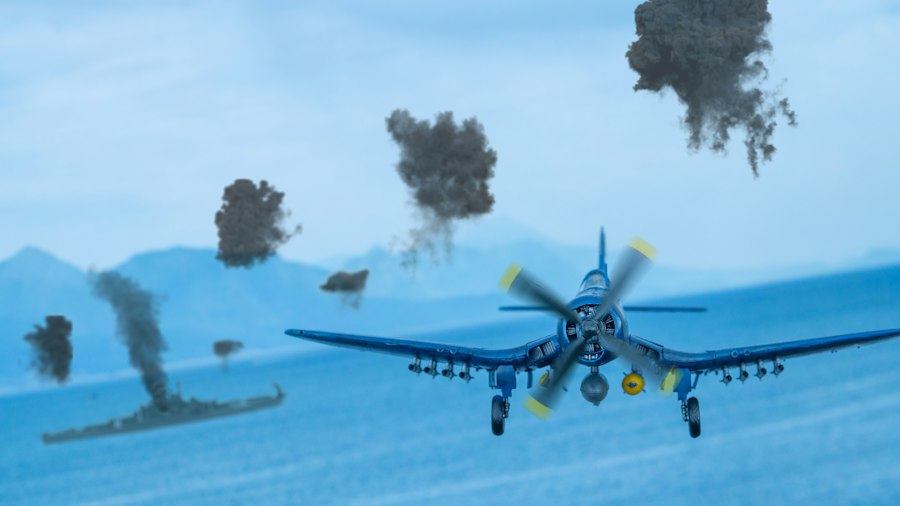
While reconnaissance provided the eyes, the Air Force’s secret operations also involved active intervention and support for clandestine activities that went far beyond passive observation. These missions were designed to disrupt, influence, and sometimes directly engage in conflicts where direct attribution was undesirable or politically impossible.
Special Operations Forces Support
The US Air Force played a critical role in supporting Special Operations Forces (SOF) during the Cold War, providing insertion, extraction, and direct combat support in environments where overt military involvement was not feasible. This included the clandestine deployment of SOF teams into Soviet-aligned territories for reconnaissance, sabotage, or to support resistance movements. Aircraft like the C-130 Hercules, modified for low-level, night-time operations, were instrumental in these covert insertions and extractions. The pilots and crews were highly trained to operate in hostile airspace, often under extreme conditions and with minimal support.
These operations were often politically sensitive, requiring careful planning and execution to avoid escalation. The Air Force’s ability to provide a silent, rapid, and discreet presence was crucial for the success of these SOF missions. The very existence of these operations was often denied, contributing to the “unseen” nature of these crucial contributions to Cold War strategy. The success of these missions was measured not by public recognition but by their quiet effectiveness in achieving strategic objectives without triggering overt conflict.
Covert Airlift and Supply Missions
Throughout the Cold War, the Air Force was involved in covert airlift and supply missions to support various friendly forces and resistance movements behind the Iron Curtain and in other strategically important regions. These operations often involved delivering vital supplies, weapons, and personnel to groups operating in denied or hostile territory. The aircraft used were often unmarked or disguised, and the missions were conducted with the utmost secrecy to avoid detection and international repercussions.
These missions were not limited to Europe. The Air Force also provided covert airlift support in Southeast Asia, Africa, and Latin America, contributing to the broader geopolitical struggle against Soviet influence. The risks associated with these operations were immense, with crews facing the constant threat of detection, capture, or engagement by enemy forces. The dedication and professionalism of the aircrews involved were paramount to the success of these often-unheralded missions, which played a significant role in shaping the outcomes of various proxy conflicts.
Psychological Operations and Propaganda Dissemination
While often associated with intelligence gathering and direct action, the Air Force also contributed to psychological operations (PSYOP) and propaganda dissemination during the Cold War. This involved utilizing aircraft to broadcast messages, drop leaflets, or deliver other forms of information intended to influence the perceptions and actions of targeted populations within Soviet bloc countries or among allied forces.
These operations aimed to sow dissent, undermine the morale of enemy forces, or bolster the resolve of friendly populations. The methods employed ranged from relatively simple leaflet drops to more sophisticated airborne broadcasting systems. The effectiveness of these operations was difficult to measure but was considered a valuable tool in the ideological battle of the Cold War. The Air Force’s ability to project influence and information into denied territories, even through non-kinetic means, was a significant aspect of its covert operations.
The Technological Arms Race: Innovation and Experimentation
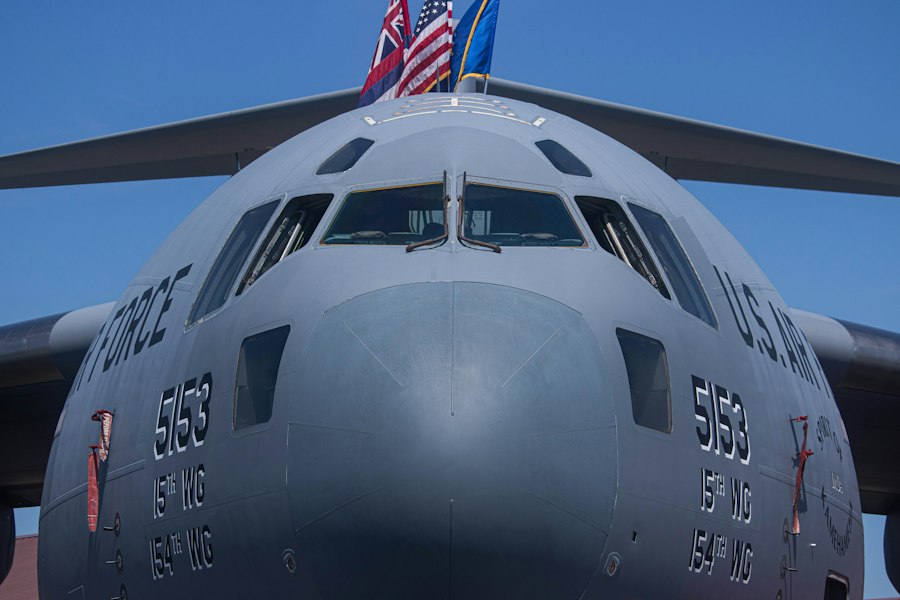
The Cold War was fundamentally a contest of technological superiority, and the US Air Force was at the forefront of this arms race, constantly pushing the boundaries of what was possible in aviation and related fields. Many of the advancements that emerged from this period were initially developed under the veil of secrecy.
The Dawn of Stealth Technology
The concept of stealth, the ability to evade detection by radar and other sensors, was a critical area of research during the Cold War. The US Air Force, in collaboration with defense contractors, invested heavily in developing aircraft designed to minimize their radar cross-section. While the F-117 Nighthawk is the most famous example of early stealth aircraft, its development was preceded by numerous secret research projects and experimental designs.
The foundational work on stealth principles, including the use of radar-absorbent materials and unconventional shaping, began in earnest in the 1970s, driven by the need to penetrate increasingly sophisticated Soviet air defenses. The initial breakthroughs were achieved in highly classified programs, paving the way for the operational deployment of stealth aircraft in the following decades. The pursuit of stealth was not merely about evading detection; it was about gaining a decisive strategic advantage, allowing for the penetration of heavily defended airspace and the execution of missions that would have been previously impossible.
Advanced Propulsion and Aircraft Design
The quest for superior performance in the face of Soviet advancements spurred innovation in aircraft propulsion and design. This included the development of more powerful and efficient jet engines, as well as radical new aerodynamic configurations. The XB-70 Valkyrie, a Mach 3 bomber prototype, although ultimately not deployed, represented a significant leap in high-speed aircraft design and testing. Similarly, research into variable-geometry wings and advanced materials was driven by the need for aircraft that could operate at higher speeds, altitudes, and with greater maneuverability.
These experimental programs, often conducted under the guise of standard research and development, were crucial for identifying and refining the technologies that would define future Air Force capabilities. The insights gained from these highly classified projects informed the design of numerous operational aircraft, providing the US Air Force with a technological edge.
Electronic Countermeasures and Deception Technologies
In tandem with developing advanced detection systems, the Soviets were also working on ways to defeat them. This led to a constant back-and-forth in the development of electronic countermeasures (ECM) and electronic warfare (EW) systems. The US Air Force invested heavily in developing its own sophisticated ECM suites to disrupt enemy radar and communications, as well as advanced deception technologies designed to confuse and mislead enemy sensors.
These secret programs aimed to ensure that US aircraft could operate effectively in contested airspace, even in the face of advanced Soviet air defense networks. The development of advanced jamming pods, decoys, and sophisticated signal processing techniques were all part of this clandestine technological race. The ability to blind, deafen, or confuse enemy electronic systems was as vital as an aircraft’s speed or armament.
The Human Element: Courage, Secrecy, and Sacrifice
Behind every secret mission, every piece of intelligence, and every technological marvel stood the Airmen and Airwomen who made it all possible. Their courage, dedication to secrecy, and willingness to make profound sacrifices often went unrecognized by the public, yet were foundational to the success of the US Air Force’s Cold War endeavors.
The Burden of Secrecy
For the individuals involved in these covert operations, the burden of secrecy was immense. They often could not discuss their work with family or friends, leading to a sense of isolation and the need for extreme discretion. The psychological toll of living a double life, where the reality of their dangerous missions was kept hidden from loved ones, was a significant challenge. Many carried the weight of knowing that a single disclosure, intentional or accidental, could jeopardize national security and endanger lives.
The Air Force implemented rigorous vetting processes and security clearances to ensure that only the most trustworthy individuals were entrusted with sensitive information. The culture of silence and compartmentalization was essential to maintaining operational security. This dedication to secrecy, while necessary, also meant that the incredible bravery and ingenuity of these individuals often went uncelebrated, their contributions largely invisible to the wider world.
Training and Specialization
The unique demands of secret operations necessitated highly specialized training programs. Pilots, navigators, intelligence officers, and support personnel underwent extensive preparation for missions that were unlike anything found in conventional military operations. This training often involved simulated scenarios of extreme danger, including hostile territory penetration, evasion techniques, and operating in highly contested electronic warfare environments.
The development of specialized units, such as the reconnaissance squadrons operating the U-2 and SR-71, or the special operations crews supporting clandestine insertions, fostered a unique esprit de corps. These units were often small, highly skilled, and operated with a deep understanding of the strategic importance of their work. The intense training and shared experiences forged bonds that were crucial for mission success and mutual reliance in high-stakes situations.
Unseen Sacrifices and Legacies
The sacrifices made by those involved in secret Air Force operations during the Cold War extended beyond the immediate dangers of their missions. Many experienced long periods of separation from their families, faced the constant threat of capture or worse, and bore the psychological weight of their clandestine activities. The ultimate sacrifice was often made in anonymity, their bravery unacknowledged publicly.
The legacies of these unseen missions are now slowly coming to light. Declassified documents, oral histories, and historical analysis are piecing together a more comprehensive understanding of the critical role played by the US Air Force in the silent struggle that defined the Cold War. These revelations underscore the importance of these often-forgotten operations, highlighting the courage of the individuals who carried them out and the profound impact they had on shaping the geopolitical landscape. Their stories serve as a testament to the often-unseen efforts that are crucial for national security and global stability.
During the Cold War, the US Air Force engaged in numerous secret operations that played a crucial role in shaping global military strategies. These covert missions often involved advanced technology and intelligence gathering, which are explored in detail in a related article. For those interested in delving deeper into the intricacies of these operations, you can read more about them in this fascinating article that sheds light on the complexities and challenges faced by the Air Force during this tense period in history.
The Evolving Landscape of Covert Aerial Operations
| Operation Name | Time Period | Objective | Aircraft Used | Outcome |
|---|---|---|---|---|
| Operation Chrome Dome | 1960-1968 | Continuous airborne nuclear deterrence patrols | B-52 Stratofortress | Maintained constant readiness; several accidents occurred |
| Operation Black Shield | 1950s-1960s | Reconnaissance and intelligence gathering over Soviet territory | U-2 Spy Plane | Provided critical intelligence; U-2 incident in 1960 exposed operation |
| Operation Senior Surprise | Late 1950s | Testing of stealth and electronic countermeasures | F-100 Super Sabre | Advanced electronic warfare capabilities developed |
| Operation Blue Book | 1952-1969 | Investigation of UFO sightings and potential threats | Various Air Force aircraft | Concluded no threat to national security; data classified |
| Operation Ivy Bells | 1970s (Cold War era) | Undersea wiretapping of Soviet communication cables | Specialized submarines and divers | Gathered valuable intelligence on Soviet naval operations |
The nature of secret aerial operations continued to evolve throughout the Cold War and beyond, adapting to new threats and technological advancements. The lessons learned from the clandestine missions of the Cold War have directly influenced modern intelligence gathering and special operations capabilities.
Post-Cold War Adaptations
Even after the official end of the Cold War, the need for covert aerial operations did not disappear. The focus shifted from a bipolar ideological struggle to a more complex global security environment characterized by regional conflicts, terrorism, and emerging nation-state threats. The US Air Force continued to develop and employ advanced reconnaissance and special operations capabilities, adapting them to new challenges.
The proliferation of advanced air defense systems and the increased accessibility of surveillance technology by non-state actors necessitated further innovations in stealth, electronic warfare, and intelligence gathering. The principles honed during the Cold War – stealth, speed, altitude, and precision – remained vital, but the applications became more diverse.
The Digital Age and Cyber Warfare
The advent of the digital age and the rise of cyber warfare introduced entirely new dimensions to covert operations. While not exclusively an Air Force domain, the intersection of aerial operations and cyber capabilities became increasingly significant. The Air Force began to explore how aerial platforms could support cyber operations, such as providing secure communication relays, deploying cyber effects packages, or gathering intelligence on enemy cyber infrastructure.
The integration of space-based assets and unmanned aerial vehicles (UAVs) with sophisticated sensor and communication suites further enhanced the Air Force’s ability to conduct covert intelligence gathering and support special operations in a digitally interconnected world. The ability to operate in both the physical and digital realms became a defining characteristic of modern covert aerial endeavors.
Continued Secrecy and the Future of Unseen Missions
Despite the increasing transparency brought about by declassifications and the digital age, a significant portion of modern covert aerial operations remains classified. The nature of national security threats necessitates a degree of secrecy, and the technologies and tactics employed by the US Air Force continue to be guarded.
The legacy of the Cold War’s unseen missions serves as a constant reminder of the vital role that covert aerial operations play in maintaining national security. As technology advances and the global threat landscape evolves, the US Air Force will undoubtedly continue to adapt and innovate, ensuring that its unseen missions remain a crucial, albeit often unknown, component of its strategic posture. The courage, ingenuity, and sacrifice of the individuals who undertake these missions will continue to be the bedrock upon which these vital efforts are built.
The Secret Plane Built to Land Inside a Stadium
FAQs
What were some of the secret operations conducted by the US Air Force during the Cold War?
During the Cold War, the US Air Force conducted various secret operations such as Operation Mongoose, Operation Chrome Dome, Operation Looking Glass, Operation Fishbowl, and Operation Blue Book.
How did the US Air Force use reconnaissance aircraft during the Cold War?
The US Air Force used reconnaissance aircraft during the Cold War to gather intelligence on enemy territories, monitor military activities, and conduct surveillance missions. Aircraft like the U-2 spy plane and the SR-71 Blackbird were instrumental in these operations.
What role did the US Air Force play in the Cuban Missile Crisis?
During the Cuban Missile Crisis, the US Air Force played a crucial role in monitoring and responding to the presence of Soviet missiles in Cuba. The Air Force conducted reconnaissance flights over Cuba to gather intelligence and maintain a state of readiness in case of a military confrontation.
How did the US Air Force contribute to the strategy of deterrence during the Cold War?
The US Air Force contributed to the strategy of deterrence during the Cold War by maintaining a strong nuclear arsenal, conducting strategic bombing missions, and developing technologies like intercontinental ballistic missiles (ICBMs) to deter potential adversaries from engaging in hostile actions.
What was Operation Blue Book and why was it significant during the Cold War?
Operation Blue Book was a US Air Force program dedicated to investigating reports of unidentified flying objects (UFOs). It was significant during the Cold War as it aimed to determine whether UFO sightings posed a threat to national security and to debunk any myths or misconceptions surrounding the phenomenon.