The specter of Soviet domination cast a long, chilling shadow across post-war Europe. Following the ashes of World War II, a new, ideological battleground emerged, and for many, the iron fist of the Soviet Union represented not liberation, but a brutal imposition of a totalitarian regime. Yet, in the hearts and minds of countless individuals, a defiant spirit refused to be extinguished. This is the story of European resistance, a multifaceted and often perilous struggle waged in the face of overwhelming Soviet power, a testament to the enduring human will for freedom.
The end of hostilities in 1945 brought a complex and often contradictory reality to Eastern Europe. While some welcomed the defeat of Nazism, the arrival of Soviet forces was frequently met with apprehension. The promises of liberation and self-determination made by the Allied powers, particularly by the Soviet Union during wartime conferences, began to unravel as Soviet influence solidified across the region.
The ‘Liberation’ That Wasn’t
For many, the term “liberation” by Soviet troops quickly proved to be a misnomer. Instead of fostering independent states, the Red Army began to dismantle existing power structures and install pro-Soviet governments. This was not a gradual process; it was often swift and brutal, characterized by political purges, arbitrary arrests, and the silencing of dissent.
The Imposition of Ideology
The Soviet Union was not merely interested in territorial expansion; it sought to export its communist ideology. This involved the forced collectivization of agriculture, the nationalization of industries, and the suppression of all independent political and social organizations. For populations with centuries of diverse traditions and aspirations, this ideological straitjacket was deeply resented.
Early Signs of Resistance
Even in the immediate aftermath, pockets of resistance began to emerge. These were not always organized military units but often took the form of clandestine meetings, the circulation of forbidden literature, and acts of passive defiance. The initial shock and disorientation of the occupation gave way to a growing awareness of the true nature of Soviet rule, fueling a desire to push back.
The European resistance movements that emerged following the Soviet invasion were pivotal in shaping the continent’s response to oppression. These groups, often operating in secrecy, played a crucial role in gathering intelligence and sabotaging Soviet operations. For a deeper understanding of the dynamics and impact of these resistance efforts, you can read more in the article available at In the War Room.
The Cold War Context: A World Divided
The emerging geopolitical landscape of the Cold War provided both a backdrop and a catalyst for European resistance. The ideological struggle between the West and the East meant that any act of defiance in Soviet-controlled territories was imbued with global significance. While direct military intervention from the West was largely off the table due to the existential threat of nuclear war, a complex web of support, intelligence gathering, and propaganda efforts emerged.
The Iron Curtain Descends
Winston Churchill’s famous “Iron Curtain” speech in 1946 vividly depicted the growing divide between Soviet-dominated Eastern Europe and the West. This physical and ideological barrier solidified the separation and made overt resistance even more dangerous, as escape routes and external support became increasingly perilous.
The resilience of European nations in the face of the Soviet invasion has been a topic of extensive analysis, highlighting the various forms of resistance that emerged during this tumultuous period. For a deeper understanding of the strategies employed by these nations, you can explore a related article that delves into the complexities of European resistance movements. This article provides valuable insights into the historical context and the impact of these efforts on the broader geopolitical landscape. To read more about this fascinating subject, visit this article.
Western Support and Ambivalence
The Western powers, particularly the United States, were deeply concerned by Soviet expansionism. While they provided economic aid through initiatives like the Marshall Plan to bolster democratic nations, their direct support for resistance movements within Soviet spheres of influence was often indirect and cautious. The fear of escalating the Cold War into a hot conflict, potentially nuclear, meant that official backing was usually covert, channeled through intelligence agencies and private organizations.
Propaganda and Psychological Warfare
Both sides engaged in extensive propaganda efforts. The West aimed to expose the realities of Soviet oppression and foster hope for a future free from communist rule. Within Eastern Europe, clandestine radio broadcasts from the West, such as Radio Free Europe/Radio Liberty, played a crucial role in disseminating information, countering Soviet narratives, and maintaining contact with isolated resistance cells.
Forms of Defiance: More Than Just Armed Struggle
The resistance against Soviet occupation was far from monolithic. While armed insurgency existed in various forms, the spectrum
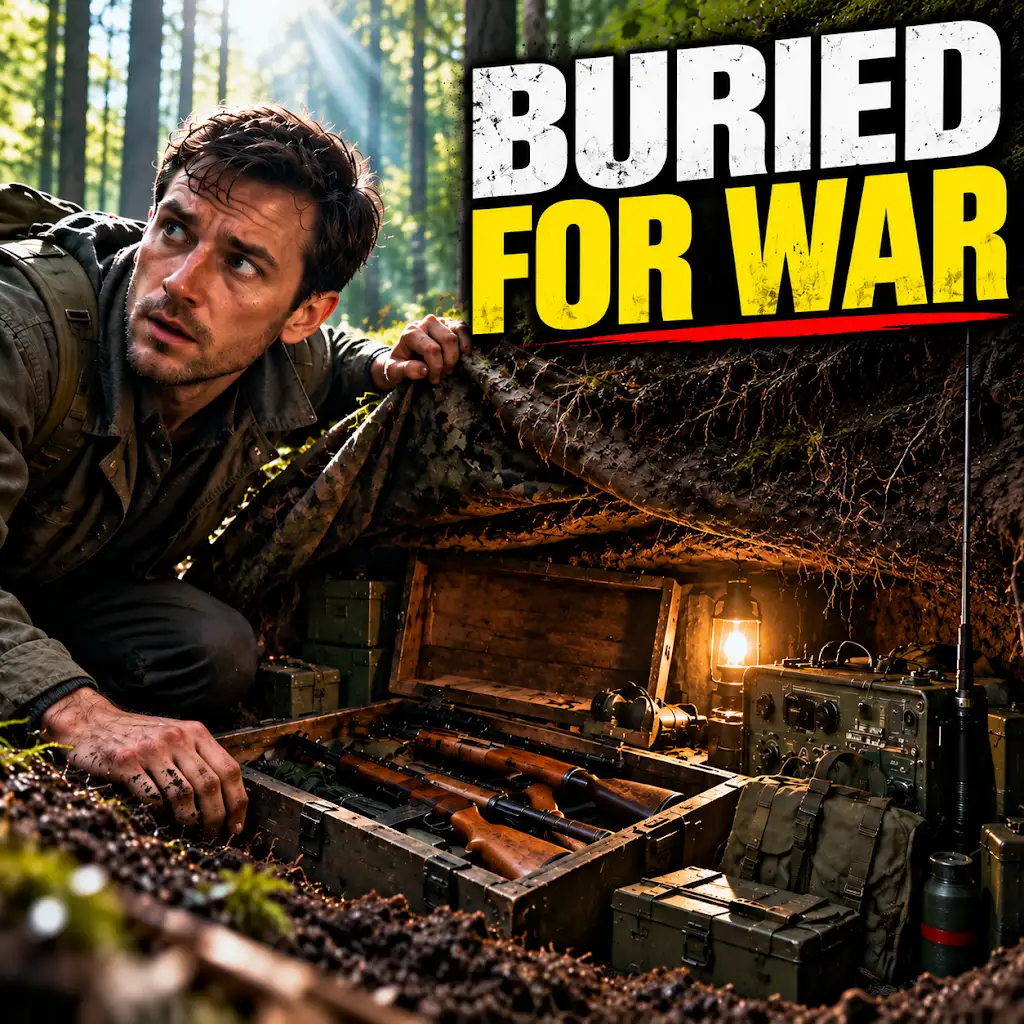
The Secret Armies NATO Prepared for a Soviet Invasion
FAQs
What was the European resistance after the Soviet invasion?
The European resistance after the Soviet invasion refers to the various forms of opposition and rebellion that arose in European countries following the Soviet Union’s military occupation during and after World War II.
Which European countries experienced resistance after the Soviet invasion?
Several European countries experienced resistance after the Soviet invasion, including Poland, Hungary, Czechoslovakia, and the Baltic states of Estonia, Latvia, and Lithuania.
What were the main forms of resistance against the Soviet occupation?
The main forms of resistance against the Soviet occupation included underground movements, partisan warfare, protests, strikes, and political dissent. These resistance efforts aimed to challenge Soviet control and assert national independence.
How did the Soviet Union respond to the resistance in Europe?
The Soviet Union responded to the resistance in Europe with harsh measures, including arrests, executions, and the suppression of dissent. The Soviet authorities sought to maintain control and eliminate opposition to their rule.
What impact did the European resistance have on the eventual collapse of the Soviet Union?
The European resistance played a significant role in shaping the eventual collapse of the Soviet Union. The resistance movements and their demands for freedom and independence contributed to the erosion of Soviet power and the eventual dissolution of the Soviet Union in 1991.