The Titan of the Deep: Unveiling the Largest Submarine of World War Two
The vast, churning expanse of the oceans played host to a silent, deadly ballet during World War Two. Beneath the waves, a new breed of predator stalked, designed for stealth, endurance, and the devastating power to cripple enemy supply lines. While the U-boats of Nazi Germany and the formidable submarines of the Imperial Japanese Navy are etched into naval history, a less widely known, yet arguably more ambitious, titan of underwater warfare was conceived and, in part, realized: the German Type XXI U-boat. This was not merely an evolution; it was a revolution in submarine design, a quantum leap that foreshadowed the dominant submarine technologies of the post-war era. To truly understand the scope of this engineering marvel, one must delve into the desperate, innovative spirit that drove its creation and the technological advancements it embodied.
The largest submarine of World War II, the German U-boat type IX, played a crucial role in the Battle of the Atlantic, showcasing the strategic importance of submarine warfare during the conflict. For a deeper dive into the fascinating history and technological advancements of these underwater giants, you can read more in this related article at In The War Room.
Seeds of Innovation: The Genesis of the Type XXI

The genesis of the Type XXI U-boat lay in the grinding attrition of the Battle of the Atlantic. By 1943, the Allied technological and industrial might, coupled with improved anti-submarine warfare (ASW) techniques, had brought Germany’s U-boat fleet to its knees. The traditional diesel-electric U-boats, while effective in their prime, were fundamentally compromised. Their underwater performance was sluggish, their dive times were lengthy, and their snorkel systems, though an improvement, still exposed them to radar detection. The Kriegsmarine’s high command recognized that a paradigm shift was desperately needed to regain naval supremacy and continue their campaign of interdiction.
The Strategic Imperative: A Changing Battlefield
The initial U-boat campaigns, spearheaded by the Type VIIC, had achieved considerable success in strangling Allied supply routes. However, this success bred countermeasures. The development of radar, sonar, air reconnaissance, and the strategic bombing of German shipbuilding facilities all contributed to a drastically altered operational environment. The traditional U-boat, designed for surface cruising and brief submerged attacks, was becoming increasingly vulnerable. The need for a submarine that could remain submerged for extended periods, operate at higher underwater speeds, and launch more powerful torpedo attacks became an urgent strategic imperative. The very nature of submarine warfare was evolving from hit-and-run tactics to a more persistent, predatory presence beneath the waves.
The Influence of Captured Technology and Allied Progress
While German engineers were at the forefront of U-boat development, they were not operating in a vacuum. Intelligence reports and captured materiel from Allied submarines, particularly the advancements in battery technology and sonar capabilities, provided valuable insights. The Allied submarines were demonstrating an increasing ability to operate submerged for longer durations, a capability that the Kriegsmarine desperately sought to match and surpass. The development of the snorkel, while a German innovation, highlighted the limitations of existing designs and spurred further research into more efficient underwater propulsion. The Type XXI was, in many ways, a response to the growing technological parity and, in some areas, Allied superiority that had emerged. It was a concentrated effort to leapfrog existing designs and achieve a decisive technological advantage.
The Visionaries: Dönitz and the Design Bureau
Admiral Karl Dönitz, the Commander-in-Chief of the U-boat Arm, was a driving force behind the push for a new generation of submarines. Recognizing the dire straits of the U-boat war, he actively championed radical new designs. The design bureau, under the leadership of figures like Walter Gervais, was tasked with creating a submarine that would be not only faster and more agile underwater but also capable of carrying a heavier punch and operating with greater stealth. The concept of a submarine that was truly designed for underwater warfare, rather than being a surface vessel with rudimentary submerged capabilities, began to take shape. This was a visionary undertaking, aiming to redefine what a submarine could be.
Engineering a Leviathan: The Technological Leap of the Type XXI
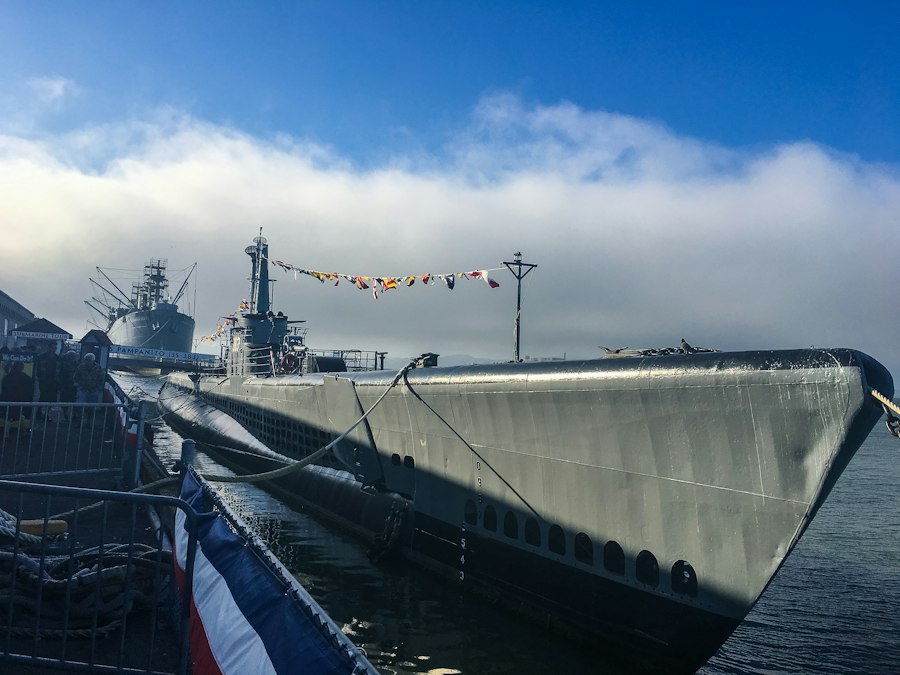
The Type XXI U-boat was a masterclass in naval engineering, incorporating a suite of groundbreaking technologies that set it apart from anything that had come before. Its design was radically different from its predecessors, prioritizing underwater performance and combat effectiveness above all else. The sheer scale of its ambition was reflected in every aspect of its construction and operational capabilities.
Hull Design: The Streamlined Silhouette
The most immediately striking departure from previous U-boat designs was the Type XXI’s hull. Gone was the more conventional, rounded hull shape. Instead, the Type XXI featured a long, slender, cigar-shaped hull with a very fine bow. This was a deliberate aerodynamic and hydrodynamic design, optimized for high speeds underwater. The hull was designed to minimize drag and turbulence, allowing the submarine to achieve speeds previously unimaginable for diesel-electric vessels. This streamlined form was crucial for its intended role as a high-speed hunter, capable of rapid repositioning and escaping Allied ASW forces. The engineering focus was on creating a hull that sliced through the water with minimal resistance.
Propulsion: The Electric Advantage
The heart of the Type XXI’s revolutionary underwater capability lay in its advanced propulsion system. It was equipped with two powerful MAN V12Z32/48 diesel engines for surface running, but its submerged performance was truly astonishing thanks to its electric motors. It boasted two AEG double-armature electric motors, each producing approximately 5,000 horsepower, for a combined total of 10,000 horsepower. This was significantly more powerful than previous U-boats. Crucially, the Type XXI was equipped with a vastly improved battery system. It carried an enormous bank of 62 accumulator batteries, providing exceptional endurance and power for its electric motors. This allowed it to maintain high speeds underwater for extended periods, far exceeding the capabilities of earlier designs. The snorkel system was also improved, allowing for more efficient recharging of the batteries while on the surface, further enhancing its operational range.
Armament: More Torpedoes, More Punch
The Type XXI was designed to carry a significantly larger torpedo load than its predecessors. It was equipped with six torpedo tubes in the bow and two in the stern, allowing for a broadside attack or the launch of more complex torpedo patterns. Furthermore, it could carry a total of 23 torpedoes, a substantial increase over the 12-14 carried by the Type VIIC. This increased firepower meant the Type XXI could engage multiple targets or deliver a sustained barrage without needing to reload as frequently. Beyond its torpedo armament, the Type XXI also boasted a formidable anti-aircraft battery, including two 20mm Flak 38 guns and a 3.7cm Flak M42 gun. This was an acknowledgment of the increasing threat posed by Allied air power and the need for effective self-defense.
Advanced Systems: The Eyes and Ears of the U-boat
The Type XXI was packed with cutting-edge technology that significantly enhanced its operational effectiveness. It was fitted with the revolutionary FuMO 61 “Hohentwiel” radar, a highly advanced system that provided superior detection capabilities against surface ships and aircraft, even at considerable distances. This radar was significantly more effective than previous models and played a crucial role in the U-boat’s ability to locate and track enemy vessels. Additionally, the Type XXI was equipped with a new type of sonar, the GHG (Gruppenhorchgerät), which offered improved passive listening capabilities, allowing the submarine to detect the sound of enemy vessels with greater accuracy and from further away. The periscopes were also improved, offering a clearer and wider field of view. These advancements in sensors were critical for operating in the increasingly complex ASW environment.
The Shadow of Completion: Production and Operational Reality
Despite the groundbreaking nature of its design, the Type XXI U-boat’s operational impact was severely limited. The sheer scale of the project, coupled with the relentless pressure of the war, meant that production was fraught with challenges, and the submarines that were eventually completed saw only limited service. The dream of a U-boat that could dominate the seas remained largely unrealized in terms of wartime success.
The Industrial Challenge: Building the Giant
The sheer size and complexity of the Type XXI presented an unprecedented industrial challenge for Germany. The submarines were significantly larger than their predecessors, requiring specialized construction facilities and advanced manufacturing techniques. The hull sections were prefabricated in separate locations and then transported to shipyards for final assembly. This method, intended to speed up production, was also susceptible to Allied bombing raids, which frequently disrupted the supply chain and the assembly process. The demand for skilled labor and specialized components further strained Germany’s already depleted industrial capacity. The project was ambitious, but the infrastructure and resources to support it at the required scale were simply not available in the later stages of the war.
The Race Against Time: Limited Service and Unrealized Potential
The first Type XXI U-boat, U-2511, was commissioned in June 1944. However, by this time, the tide of the war had decisively turned against Germany. The Allied forces were pushing into Germany from all sides, and the resources for U-boat construction were increasingly diverted to other desperate war efforts. Only a handful of Type XXI U-boats were completed and saw operational service before the end of the war. U-2511, commanded by Kapitänleutnant Adalbert Schnee, is famously reported to have conducted a “war patrol” in the North Sea in the final days of the war, engaging in simulated attacks and demonstrating the submarine’s advanced capabilities, but it did not sink any Allied vessels. The vast majority of the over a hundred Type XXI U-boats built were either incomplete or were scuttled by their crews to prevent their capture by the Allies. The potential of this revolutionary design remained largely a theoretical one, a testament to what might have been.
Post-War Legacy: A Harbinger of the Future
Despite its limited wartime impact, the Type XXI U-boat left an indelible mark on submarine warfare. Its design principles and technological innovations were extensively studied by the Allied navies after the war. The emphasis on high underwater speed, streamlined hull design, and advanced battery technology directly influenced the development of post-war submarines. The Soviet Union captured several Type XXI U-boats, which played a significant role in the design of their own post-war submarine fleet, including the highly successful Whiskey-class submarines. Similarly, the United States and other naval powers incorporated many of the Type XXI’s features into their own designs, recognizing its pioneering role in ushering in the era of the truly submersible submarine. The Type XXI, though a wartime failure in terms of decisive impact, was a resounding success as a technological stepping stone.
The largest submarine of World War II, the German U-boat Type XXI, represented a significant advancement in underwater warfare technology. Its design allowed for greater speed and submerged endurance, making it a formidable opponent in the Atlantic. For those interested in exploring more about the innovations and strategies of submarine warfare during this period, you can read a related article that delves into the impact of these advancements on naval battles by visiting this link.
The Submarine That Wasn’t: Why the Type XXI Didn’t Change the War
| Submarine Name | Country | Type/Class | Length (meters) | Displacement (tons) | Surface Speed (knots) | Submerged Speed (knots) | Armament | Operational Period |
|---|---|---|---|---|---|---|---|---|
| Type IXD2 U-Boat (e.g., U-177) | Germany | Type IXD2 | 87.58 | 1,610 (surfaced) | 20.8 | 6.9 | 6 torpedo tubes, 24 torpedoes, deck gun | 1942-1945 |
| Type XIV “Milchkuh” | Germany | Type XIV | 67.10 | 1,688 (surfaced) | 14.4 | 6.2 | 2 torpedo tubes (for defense), anti-aircraft guns | 1941-1945 |
| Sentinel-class (I-400) | Japan | I-400 class | 122 | 5,223 (surfaced) | 18.7 | 6.5 | 4 torpedo tubes, 3 aircraft, deck gun | 1944-1945 |
| USS Tang (SS-306) | USA | Balao-class | 95 | 1,526 (surfaced) | 20.25 | 8.75 | 10 torpedo tubes, deck gun | 1943-1944 |
The question that inevitably arises when discussing the Type XXI U-boat is: why did this seemingly revolutionary design not alter the course of World War Two? The answer lies in a confluence of factors, primarily revolving around timing, production capacity, and the overwhelming Allied advantage by the time the Type XXI became operational.
The Ticking Clock: War’s End Outpaced Innovation
The most significant factor was the timing of the Type XXI’s development and production. By 1943-1944, Germany was in a desperate defensive posture. The Allied bombing campaign had crippled industrial capacity, and the vast resources required to build these complex submarines were simply not available in sufficient quantities to make a meaningful impact on the war effort. The Allied naval powers, particularly the United States and Great Britain, had already industrialized submarine warfare to a degree that Germany could no longer match. Even if a significant number of Type XXI U-boats had been deployed earlier, the sheer industrial might of the Allies would likely have eventually overcome them. The war was won by production and attrition, and Germany was losing both.
The Shadow of the Allied Advance: Operational Limitations
Even if production had been more robust, the operational environment in the late stages of the war was incredibly challenging for any submarine. The Allies had developed sophisticated hunter-killer groups, advanced sonar and radar technology, and an extensive air cover that made prolonged submerged operations incredibly dangerous. While the Type XXI was designed for this environment, its limited numbers meant it was never able to mass-produce the effect needed to overcome the overwhelming Allied ASW capabilities. The U-boat fleet was already decimated, and the few new vessels that emerged were like a handful of wolves against a vast herd of armed shepherds.
The Psychological Impact: A Glimpse of the Future, Not a Decisive Weapon
The Type XXI represented a significant technological leap, and its existence undoubtedly instilled some concern among Allied naval planners. However, its limited deployment meant it never had the opportunity to inflict the kind of strategic damage that earlier U-boats had achieved. Its impact was more psychological, a stark reminder of Germany’s continued capacity for technological innovation, even in its darkest hour. It served as a powerful harbinger of future submarine design, but it was not the decisive weapon that could have won the war for Germany. The war was too far gone, and the industrial and strategic advantages of the Allies were too profound.
The Lasting Echo: The Type XXI’s Enduring Influence
While the Type XXI U-boat never achieved its intended wartime destiny of crippling Allied shipping and regaining U-boat supremacy, its legacy is far from insignificant. Its innovative design and the technological advancements it embodied had a profound and lasting impact on the development of submarine warfare for decades to come. It served as a crucial evolutionary bridge, showcasing the future of submerged naval operations.
A Blueprint for Post-War Submarines
The most significant and undeniable influence of the Type XXI lies in its role as a blueprint for post-war submarine design. Naval engineers from around the world, having witnessed the capabilities demonstrated by the captured Type XXI U-boats, incorporated many of its key features into their own designs. The emphasis on a streamlined hull for higher underwater speeds, the development of more efficient battery systems for extended submerged endurance, and the integration of advanced sonar and radar systems all owe a debt to the Type XXI. The Soviet Union’s post-war submarine program, in particular, was heavily influenced by captured Type XXI designs, leading to the development of submarines like the Whiskey class, which became a major component of the Soviet Navy.
The Dawn of the True Submersible
The Type XXI U-boat is widely credited with ushering in the era of the “true submersible” submarine. Prior to its development, submarines were largely surface vessels that could operate submerged for limited periods. The Type XXI, with its powerful electric propulsion and massive battery capacity, was designed to operate primarily submerged, using its diesel engines primarily for transit on the surface and battery recharging. This fundamental shift in operational philosophy set the stage for the development of nuclear-powered submarines, which further amplified these capabilities. The Type XXI demonstrated that a submarine could be a persistent, stealthy predator, operating for extended periods unseen beneath the waves.
A Lesson in Innovation and Its Limitations
The story of the Type XXI U-boat also serves as a potent lesson in the interplay between innovation, industrial capacity, and strategic context. Germany possessed the engineering ingenuity to conceive and develop such a groundbreaking vessel, but it lacked the industrial might and the strategic time to fully realize its potential. It highlights how even the most advanced technology can be rendered moot by overwhelming material superiority and unfavorable strategic circumstances. The Type XXI stands as a monument to German engineering prowess, a “what if” scenario that forever changed the underwater battlefield, even if it did not win the war. Its echoes can still be heard in the silent hum of modern submarines, a testament to the ingenuity of its creators and the enduring evolution of naval warfare.
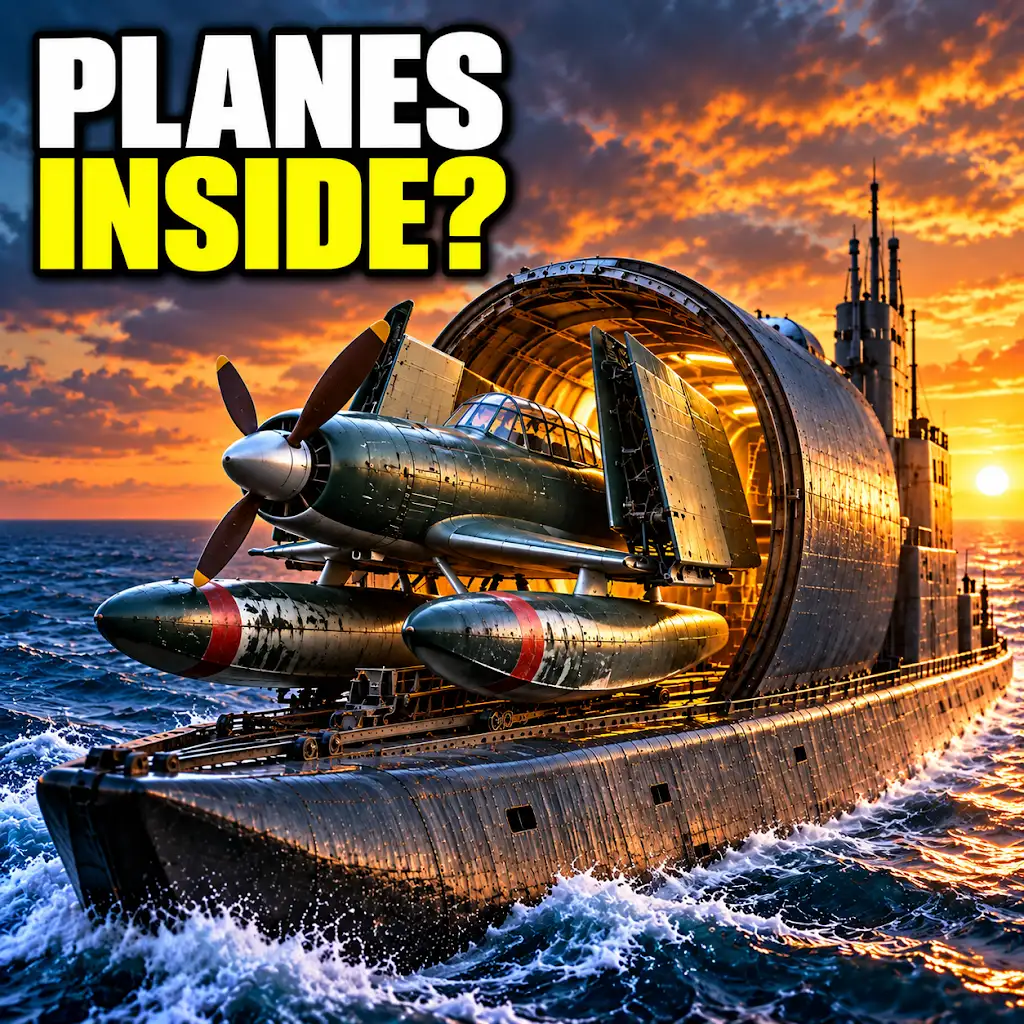
Japan Built a Submarine That Could Launch Three Planes
FAQs
What was the largest submarine of World War Two?
The largest submarine of World War Two was the Japanese I-400-class submarine.
When was the I-400-class submarine built?
The I-400-class submarine was built during World War Two, with the first submarine of the class being launched in 1944.
How big was the I-400-class submarine?
The I-400-class submarine had a length of approximately 122 meters (400 feet) and a displacement of around 6,500 tons when submerged.
What was the purpose of the I-400-class submarine?
The I-400-class submarine was designed as a strategic aircraft-carrying submarine, capable of launching seaplanes for long-range reconnaissance and bombing missions.
How many I-400-class submarines were built?
A total of three I-400-class submarines were built by Japan during World War Two: I-400, I-401, and I-402.