
The intricate world of espionage, often portrayed dramatically in popular culture, is, in reality, a meticulously structured discipline built upon a diverse array of tactics and techniques. This article delves into the underlying methodologies employed by intelligence agencies and their operatives, providing an analytical overview rather than a sensational one. The focus here is on the factual mechanics of collecting sensitive information, influencing events, and safeguarding national interests, often through clandestine means.
Intelligence gathering forms the bedrock of any effective espionage operation. It is the systematic collection and analysis of information about foreign adversaries, potential threats, or any entity deemed relevant to national security.
Human Intelligence (HUMINT)
HUMINT refers to intelligence collected from human sources. This is perhaps the most romanticized form of espionage, involving direct interaction with individuals who possess valuable information. Its effectiveness lies in the ability to gather nuanced, context-rich, and often otherwise unobtainable data.
Recruitment and Handling of Agents
The process of agent recruitment is a delicate art, often likened to a prolonged psychological negotiation. It begins with identifying potential candidates – individuals with access to desired information and vulnerabilities that can be exploited. These vulnerabilities might include financial difficulties, ideological disagreements with their own government, disgruntled attitudes, personal vices, or even a genuine desire to assist a foreign power for altruistic reasons. Once identified, a “spotter” or recruiter initiates contact, often through a seemingly innocuous approach, gradually building rapport and trust. The recruitment pitch itself is carefully crafted, appealing to the individual’s specific vulnerabilities or motivations.
Once recruited, an agent undergoes a process of training, ranging from basic communication methods to advanced espionage techniques. Their handler, the intelligence officer responsible for managing the agent, acts as a crucial link, providing guidance, resources, and often psychological support. The relationship between agent and handler is complex, built on trust, dependence, and often a degree of manipulation. Handlers must effectively manage risk, ensure the agent’s security, and maximize the flow of intelligence while minimizing the agent’s exposure.
Elicitation and Interrogation
Elicitation is the art of subtly drawing out information from individuals without them realizing they are providing it. This can occur in social settings, professional interactions, or seemingly casual conversations. Techniques involve building rapport, asking open-ended questions, feigning ignorance, or introducing compelling topics that encourage the target to volunteer information. It is a nuanced form of information extraction, relying heavily on observation, active listening, and an understanding of human psychology.
Interrogation, in contrast, is a more direct and confrontational method, though not always involving physical coercion. Its goal is to extract specific information from unwilling or reluctant individuals. Techniques can range from rapport-building and psychological manipulation to stress induction and, in extreme cases, coercive methods. Ethical considerations surrounding interrogation are a perennial debate, with international laws and internal regulations often dictating permissible practices. The efficacy and long-term consequences of coercive interrogations remain highly controversial.
Signals Intelligence (SIGINT)
SIGINT, the collection of electronic signals and communications, represents a major component of modern intelligence gathering. It involves intercepting, decoding, and analyzing various forms of electronic transmissions.
Communications Intelligence (COMINT)
COMINT specifically targets human-to-human communications, such as phone calls, emails, text messages, and instant messaging. Technical means are employed to intercept these communications, often through sophisticated tapping devices, satellite interception, or network infiltration. The challenge lies not only in interception but also in decrypting encrypted communications and sifting through vast quantities of data to identify relevant intelligence. Advances in cryptography continuously push intelligence agencies to develop more sophisticated decryption methods, creating an ongoing technological arms race.
Electronic Intelligence (ELINT)
ELINT focuses on non-vocal electronic emissions, primarily from radar systems, weapons systems, and other electronic devices. This type of intelligence provides insights into an adversary’s technological capabilities, deployments, and operational patterns. By analyzing radar signatures, for instance, intelligence agencies can deduce the type of aircraft or missile system being used, its capabilities, and its operational range. ELINT often involves highly specialized equipment and expertise in electronic warfare and signal processing.
Open-Source Intelligence (OSINT)
OSINT refers to intelligence derived from publicly available sources. While seemingly straightforward, the sheer volume of readily accessible information necessitates sophisticated analytical techniques to discern reliable intelligence from noise.
Publicly Available Information Analysis
OSINT analysts pore over a vast ocean of information, including news articles, academic papers, social media posts, public government reports, company filings, and even satellite imagery available commercially. The “dark web” also constitutes a source, albeit a more clandestine one, providing insights into criminal networks and extremist groups. The challenge lies in authenticating information, identifying disinformation campaigns, and piecing together disparate fragments to form a coherent intelligence picture. The rise of big data analytics and artificial intelligence tools are revolutionizing OSINT, allowing for faster processing and identification of patterns within massive datasets.
In recent discussions about espionage tactics and techniques, an insightful article titled “The Evolution of Espionage: Techniques and Tactics in the Digital Age” has been published on In The War Room. This piece delves into how modern technology has transformed traditional espionage methods, highlighting the importance of cybersecurity and digital surveillance in contemporary intelligence operations. For more information, you can read the article here: The Evolution of Espionage: Techniques and Tactics in the Digital Age.
Clandestine Operations and Influence
Beyond intelligence gathering, espionage often involves clandestine operations aimed at influencing events or achieving specific objectives without attribution. These operations often require a delicate balance of stealth and precision.
Covert Action
Covert action refers to operations designed to influence political, economic, or military conditions abroad, where the role of the sponsoring government is not apparent or acknowledged. The impact of such actions can range from subtle informational campaigns to more direct interventions.
Propaganda and Disinformation
Propaganda involves disseminating information, often biased or misleading, to promote a specific political cause, ideology, or point of view. Disinformation, a more insidious form, involves intentionally false or fabricated information spread to deceive and manipulate. Both are powerful tools for shaping public opinion, sowing discord, and undermining adversaries. Modern disinformation campaigns often leverage social media and sophisticated psychological manipulation techniques, making it increasingly difficult for the public to discern truth from falsehood. The goal is often to create cognitive dissonance and erode trust in legitimate information sources.
Psychological Operations (PSYOPS)
PSYOPS are planned operations to convey selected information and indicators to foreign audiences to influence their emotions, motives, objective reasoning, and ultimately the behavior of foreign governments, organizations, groups, and individuals. These operations can involve a wide range of tactics, from distributing leaflets and radio broadcasts to creating fake news websites and manipulating social media narratives. The objective is to achieve specific behavioral outcomes, such as discouraging enemy combatants, promoting dissent, or fostering support for a particular policy. Successful PSYOPS rely on a deep understanding of target audience psychology and cultural sensitivities.
Sabotage and Subversion
Sabotage involves deliberate actions to weaken an enemy through disruption, damage, or destruction of infrastructure, resources, or morale. Subversion, on the other hand, aims to undermine the authority or stability of a government or organization from within.
Infrastructure Disruption
This involves targeting critical infrastructure, such as power grids, communication networks, transportation systems, or water supplies, to create chaos, economic hardship, or military disadvantage. Cyber warfare has emerged as a significant means of infrastructure disruption, with nation-state actors frequently targeting critical systems through sophisticated hacking techniques. The aim can be to disable systems, steal sensitive data, or introduce vulnerabilities for future exploitation.
Support for Insurgencies and Dissident Groups
Intelligence agencies may provide covert support to insurgent groups or dissident movements within an adversary’s territory. This support can take various forms, including financial aid, weapons, training, intelligence sharing, or logistical assistance. The objective is to destabilize the adversary’s government, divert its resources, or create internal pressures that serve the sponsoring nation’s interests. Such operations carry significant risks, including unintended consequences and the potential for blowback.
Counterintelligence Measures

Just as intelligence agencies seek to gather information and influence events, they also dedicate significant resources to protecting their own secrets and operations from foreign espionage. This defensive aspect is known as counterintelligence.
Protecting Sensitive Information
Safeguarding classified information is paramount. This involves a multi-layered approach to prevent unauthorized access, disclosure, or compromise.
Physical Security
Physical security measures include secure facilities, access control systems, surveillance cameras, and the use of safes and vaults for sensitive documents. Personnel are often subject to strict vetting processes and continuous monitoring to minimize the risk of insider threats. The principle is to create a series of physical barriers that deter and detect unauthorized intrusions.
Cybersecurity
In the digital age, cybersecurity has become a critical component of information protection. This includes robust firewalls, intrusion detection systems, encryption protocols for data in transit and at rest, and regular security audits. Training personnel in cybersecurity best practices is also essential, as human error remains a significant vulnerability. Intelligence agencies continuously develop and update their cybersecurity defenses to counter evolving threat landscapes and sophisticated cyber-attacks.
Identifying and Neutralizing Threats
Counterintelligence operations actively seek to identify and neutralize foreign intelligence threats, whether they are attempting to penetrate domestic networks or target national assets abroad.
Surveillance and Monitoring
Surveillance is a cornerstone of counterintelligence, involving the systematic observation of individuals or groups suspected of engaging in espionage. This can involve physical surveillance, electronic monitoring of communications, or a combination of both. The goal is to gather evidence of illicit activities, identify co-conspirators, and understand the methods employed by foreign intelligence services.
Agent Detection and Deception Operations
Counterintelligence agencies employ various techniques to detect foreign agents operating within their borders. This can involve analyzing travel patterns, financial transactions, or unusual communication activities. Deception operations are also used to identify or mislead adversaries. This might involve creating false leads, planting disinformation, or setting up controlled environments to monitor the reactions of suspected agents. The aim is to turn the adversary’s efforts against them, gleaning intelligence from their reactions to the fabricated scenarios.
Technical Espionage and its Evolution
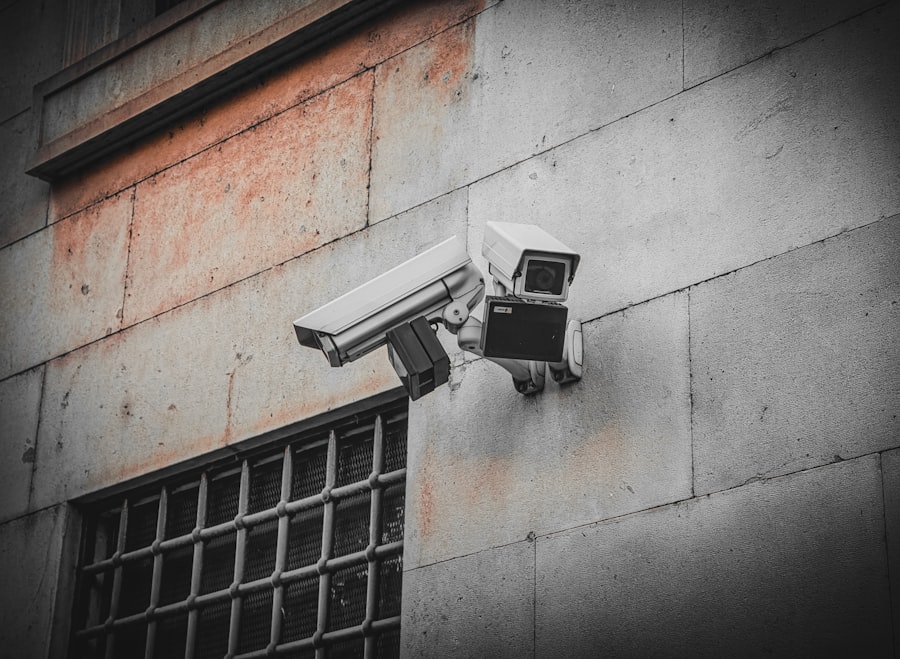
Technological advancements have consistently reshaped the landscape of espionage, offering new avenues for intelligence gathering and new challenges for counterintelligence.
Cyber Espionage
Cyber espionage involves using computer networks to gain illicit access to confidential information. It represents a significant and growing threat in the 21st century.
Network Infiltration and Data Exfiltration
Sophisticated hacking techniques are employed to breach computer networks, often through phishing attacks, exploiting software vulnerabilities, or distributing malware. Once inside a network, adversaries seek to exfiltrate sensitive data, which can include state secrets, intellectual property, military plans, or personal information of key individuals. The “Advanced Persistent Threat” (APT) is a common designation for nation-state sponsored cyber espionage groups, characterized by their stealth, persistence, and sophisticated methodologies.
Exploitation of Software Vulnerabilities
Zero-day exploits, vulnerabilities unknown to software vendors, are highly prized in cyber espionage. Intelligence agencies invest significant resources in identifying and acquiring these exploits, which can provide them with exclusive access to targeted systems before any patch is available. The race to discover and exploit these vulnerabilities is a continuous and clandestine battle between intelligence agencies and cybersecurity researchers. This is a perpetual cat-and-mouse game where the advantage shifts as new exploits are discovered and patched.
Technical Surveillance Countermeasures (TSCM)
TSCM involves the detection and neutralization of technical surveillance devices (“bugs”). It is a proactive measure to prevent clandestine eavesdropping and data exfiltration.
Bug Sweeps and Electronic Countermeasures
TSCM specialists conduct thorough searches of sensitive locations – offices, meeting rooms, residences, and vehicles – using specialized equipment to detect hidden microphones, cameras, GPS trackers, and other electronic eavesdropping devices. These “bug sweeps” are often conducted regularly, especially before high-level meetings or sensitive discussions. Electronic countermeasures also involve employing jamming devices or acoustic barriers to disrupt illicit surveillance attempts.
Secure Communication Technologies
The development and use of secure communication technologies, such as encrypted phones and highly secure networks, are vital for protecting sensitive conversations and data. Intelligence agencies invest heavily in developing their own secure communication platforms, often employing advanced cryptographic techniques to ensure confidentiality and integrity. The principle here is to create a digital fortress around communications that are critical to ongoing operations.
Recent developments in the field of espionage have shed light on various tactics and techniques employed by intelligence agencies around the world. A fascinating article that delves into these methods can be found at this link, where readers can explore the intricacies of surveillance, infiltration, and information gathering. Understanding these strategies not only highlights the complexities of modern espionage but also raises important questions about privacy and security in our interconnected world.
The Ethical and Legal Landscape of Espionage
| Espionage Tactic | Description | Common Techniques | Countermeasures |
|---|---|---|---|
| Human Intelligence (HUMINT) | Gathering information through interpersonal contact | Recruitment of agents, surveillance, interrogation | Background checks, surveillance detection, secure communication |
| Signals Intelligence (SIGINT) | Intercepting communications and electronic signals | Wiretapping, radio interception, cyber eavesdropping | Encryption, secure networks, frequency hopping |
| Cyber Espionage | Using digital means to infiltrate systems and steal data | Phishing, malware, zero-day exploits | Firewalls, antivirus software, employee training |
| Physical Infiltration | Gaining unauthorized access to facilities or assets | Lock picking, disguise, tailgating | Access control, surveillance cameras, security personnel |
| Disinformation | Spreading false information to mislead adversaries | Fake documents, rumors, planted stories | Verification protocols, intelligence cross-checking |
The very nature of espionage, operating in the shadows and often involving deception, raises profound ethical and legal questions.
International Law and National Sovereignty
Espionage often involves operations conducted within the sovereign territory of other nations without their consent, a clear violation of international law. However, most nations engage in espionage, considering it a necessary evil for national security. The concept of “plausible deniability” is often employed, where governments can deny their involvement in clandestine operations. This creates a complex and often hypocritical international environment.
Balancing Security with Civil Liberties
Within democratic nations, intelligence agencies operate under a delicate balance between safeguarding national security and protecting the civil liberties of their citizens. Surveillance programs, data collection, and restrictions on freedom of speech, while sometimes deemed necessary, often spark fierce debates about privacy, governmental oversight, and accountability. Striking the right balance is an ongoing challenge, particularly in the face of evolving threats and technological capabilities.
Intelligence Oversight and Accountability
To mitigate the risks of abuse of power, intelligence agencies in democratic states are typically subject to various forms of oversight. This can include parliamentary committees, independent review boards, and internal ethics committees. The aim is to ensure that intelligence operations adhere to legal frameworks, ethical guidelines, and democratic principles. However, the inherent secrecy of intelligence work often makes comprehensive oversight challenging, leading to continuous debates about the appropriate level of transparency and accountability.
In conclusion, the world of espionage is a complex ecosystem of intricate tactics and highly specialized techniques. From the clandestine world of human intelligence to the vast data streams of signals intelligence and the ever-evolving landscape of cyber warfare, the methods employed are diverse and constantly adapting. Counterintelligence tirelessly works to defend against these threats, creating a perpetual strategic dance between offense and defense. While often shrouded in secrecy and ethical ambiguities, the mechanisms of espionage undeniably represent a significant, albeit often unseen, force in international relations and national security. It is a field defined by its constant evolution, driven by technological progress and the enduring human imperative to gather information, influence outcomes, and protect interests in a world of complex and sometimes perilous interactions.
FAQs
What are some common espionage tactics used by intelligence agencies?
Common espionage tactics include surveillance, infiltration, use of informants, cyber espionage, and covert communication methods. These tactics help gather sensitive information without detection.
How do spies typically communicate securely during espionage operations?
Spies often use encrypted messages, dead drops, coded language, and secure digital communication channels to ensure their messages remain confidential and undetected by adversaries.
What role does technology play in modern espionage techniques?
Technology plays a crucial role by enabling cyber espionage, electronic surveillance, data interception, and the use of advanced gadgets for covert operations, significantly enhancing intelligence-gathering capabilities.
How do espionage agents avoid detection while conducting operations?
Agents use disguises, false identities, counter-surveillance measures, and operate in secrecy to avoid detection. They also employ tradecraft techniques such as secure meeting protocols and minimizing digital footprints.
What are the legal and ethical considerations surrounding espionage?
Espionage often involves violating laws and international agreements, raising ethical concerns about privacy, sovereignty, and human rights. While some espionage is sanctioned by governments, it remains a controversial and sensitive activity.