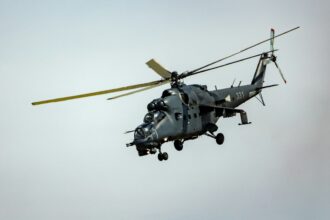
The flickering image on the screen, a grainy black and white recording from the Second World War, showed a lone bomber lumbering through a cloudy sky. The narrator’s voice, grave and authoritative, explained the precariousness of the mission, the vulnerability of the aircraft to unseen threats. Then, a shift. A subtle hum filled the soundtrack, accompanied by a visual representation of invisible waves emanating from a mast-like structure. This was the initial, rudimentary unveiling of radar, a technology that would fundamentally alter the landscape of warfare. The documentary series, “Unveiling Radar: A Military History Exploration,” embarks on a comprehensive journey through the genesis, development, and profound impact of this revolutionary sensing system, tracing its evolution from theoretical concept to an indispensable pillar of modern military operations. This exploration is not merely a chronological account; it delves into the human ingenuity, the intense scientific competition, and the strategic imperatives that propelled radar from obscurity to global dominance.
The Dawn of Invisible Sight
The genesis of radar lies not in a single eureka moment, but in a confluence of scientific inquiry and a growing awareness of the limitations of traditional detection methods. The early 20th century was a period of burgeoning technological advancement, yet the ability to detect approaching aircraft or ships at a distance remained largely dependent on human observation and auditory cues. This inherent unreliability, particularly in adverse weather conditions or at night, created a pressing need for a more robust and persistent form of surveillance. The documentary meticulously reconstructs this pre-radar era, highlighting the vulnerabilities that characterized naval engagements and aerial reconnaissance.
Early Explorations of Electromagnetic Waves
The theoretical underpinnings of radar were laid decades before its practical application. Pioneers like Heinrich Hertz demonstrated the existence of electromagnetic waves in the late 19th century, proving they could be reflected off objects. These early experiments, while not directly aimed at military applications, established the fundamental principles that would later be harnessed. “Unveiling Radar” dedicates significant attention to these foundational scientific breakthroughs, illustrating how abstract physics gradually began to suggest practical possibilities. The series emphasizes the work of scientists who, while perhaps not anticipating the scale of its eventual military impact, recognized the potential for these invisible waves to interact with matter in measurable ways. This period is depicted as one of intellectual ferment, where the seeds of a world-changing technology were being sown in university laboratories and scientific journals.
The Impetus of Pre-War Tensions
As geopolitical tensions escalated in the years leading up to the Second World War, the strategic advantage offered by an effective early warning system became increasingly apparent. Nations began to invest in research and development with a renewed sense of urgency. The documentary highlights the parallel, and often competitive, efforts underway in Britain, Germany, and the United States. This section vividly portrays the atmosphere of wartime preparation, where scientific minds were being directed towards solving immediate tactical problems. The perceived threat of aerial bombardment, particularly after the rise of air power in the Spanish Civil War and the invasion of Poland, provided a powerful impetus for rapid technological advancement. The documentary showcases the initial, often crude, prototypes and the painstaking process of refining them to overcome technical hurdles.
For those interested in the intricate details of military history, the documentary radar offers a fascinating glimpse into the evolution of warfare and its impact on society. A related article that delves deeper into this subject can be found at In The War Room, where you can explore various aspects of military strategies, significant battles, and the stories of those who served. This resource is invaluable for anyone looking to enhance their understanding of military history through engaging narratives and expert analyses.
The Crucible of Conflict: Radar’s Wartime Baptism
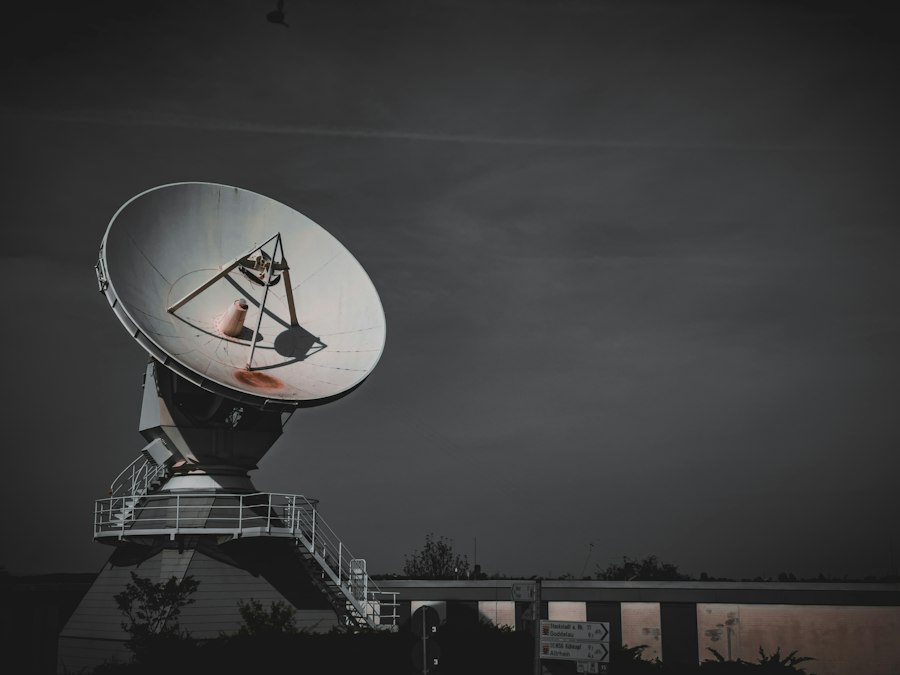
The Second World War served as the ultimate proving ground for radar technology, accelerating its development and demonstrating its profound strategic value. From the skies over Britain to the vast expanses of the Pacific, radar played a pivotal role in shaping the course of battles and ultimately the outcome of the war. “Unveiling Radar” devotes a substantial portion of its narrative to this critical period, showcasing the ingenuity and bravery of the individuals who operated and relied upon this nascent technology.
The Battle of Britain: A Guardian Angel in the Clouds
The Battle of Britain stands as a quintessential example of radar’s transformative power. The documentary meticulously details the development and deployment of the Chain Home radar system, a network of coastal stations that provided invaluable early warning of approaching German bombers. This section brings to life the tense moments of air raid alerts, the frantic scramble of fighter planes scrambled into the air, and the crucial seconds of warning that radar provided, allowing RAF pilots to intercept enemy formations with greater effectiveness. The series interviews surviving veterans and utilizes archival footage to convey the palpable sense of desperation and the dawning realization of radar’s life-saving capabilities. It highlights how this technological advantage helped to offset numerical inferiority, a key factor in Britain’s ability to withstand the onslaught. The narrative underscores the strategic gamble taken by the British in prioritizing radar research, a gamble that paid off handsomely.
The U-Boat Menace and the Pacific Theater
Beyond the European theater, radar proved equally vital in combating the insidious threat of German U-boats and in the vast, often unseen, engagements of the Pacific. The documentary explores the evolution of airborne and shipborne radar, crucial for detecting submarines lurking beneath the surface and for navigating the treacherous waters of the Pacific. The challenges of operating radar in the humid, tropical conditions of the Pacific are detailed, as are the innovative adaptations made by Allied forces. The series illustrates how radar was used for night fighter operations, anti-submarine warfare, and crucially, in naval battles where visibility was often hampered by darkness or fog. The dramatic accounts of naval engagements, where radar enabled ships to engage targets at ranges previously unimaginable, are particularly compelling. The narrative emphasizes the cat-and-mouse game between radar technology and its countermeasures, a dynamic that would continue throughout the war.
Radar’s Role in Strategic Bombing and Reconnaissance
“Unveiling Radar” also examines the integration of radar into strategic bombing campaigns and reconnaissance missions. The use of airborne radar for navigation, target acquisition, and even for “seeing” through cloud cover to identify targets provided a significant tactical advantage. The documentary explores the development of specialized radar systems for bombing, such as the H2S radar used by Bomber Command. This section delves into the ethical considerations and the devastating impact of these bombing raids, while simultaneously highlighting the technological prowess that enabled them. The narrative acknowledges the dual nature of such advancements, capable of both defense and offense. The documentary uses vivid animations to explain how these complex systems functioned in the hostile environment of enemy airspace.
The Cold War Arms Race and Technological Escalation

The end of the Second World War did not mark the cessation of radar development; rather, it ushered in a new era of technological escalation, fueled by the ideological divide of the Cold War. The perceived threat of nuclear annihilation and the constant jockeying for strategic superiority spurred unprecedented investment in more sophisticated radar systems. “Unveiling Radar” meticulously chronicles this period, showcasing the leap from bulky, relatively imprecise systems to highly advanced, multi-functional technologies.
The Imperative of Early Warning: Ballistic Missile Defense
The advent of intercontinental ballistic missiles (ICBMs) presented a terrifying new dimension to warfare. The ability to detect these missiles at their launch or during their trajectory became paramount to national security. The documentary details the development of massive radar installations, such as the Distant Early Warning (DEW) Line, designed to provide critical minutes of warning against Soviet missile launches. This section highlights the immense engineering challenges involved in building and maintaining these vast networks in remote and hostile environments. The narrative emphasizes the concept of “mutual assured destruction” (MAD) and how radar formed a crucial component of the deterrent strategy by ensuring that any first strike would be detected, allowing for a retaliatory response. The immense scale and complexity of these projects are conveyed through archival footage and expert commentary.
Doppler Radar and the Elusive Target
The development of Doppler radar represented a significant advancement, enabling the detection of moving targets with greater precision. This technology proved invaluable in distinguishing between stationary clutter and enemy aircraft or missiles. “Unveiling Radar” explains the principles of the Doppler effect in an accessible manner, illustrating how the frequency shift of reflected radar waves provides information about the velocity of a target. The documentary explores the application of Doppler radar in fighter aircraft, allowing pilots to track and engage enemy planes with increased accuracy, and in ground-based systems for tracking fast-moving aerial threats. This section underscores the continuous refinement of radar’s ability to overcome atmospheric interference and other detection challenges.
Electronic Countermeasures and the Arms Race in Ingenuity
The Cold War was also characterized by a relentless arms race not just in hardware, but in electronic warfare. As radar systems became more sophisticated, so too did the methods of jamming and deceiving them. The documentary dedicates a section to the intricate cat-and-mouse game between radar developers and those seeking to neutralize its effectiveness. This includes the development of sophisticated jamming techniques, decoy systems, and stealth technologies designed to reduce radar cross-section. The narrative portrays this as a dynamic and evolving battlefield, where innovation on one side spurred counter-innovation on the other, driving the continuous improvement of both offensive and defensive electronic capabilities. The documentary showcases the ingenuity employed by engineers on both sides of the Iron Curtain.
Modern Radar: Ubiquity and Versatility
The trajectory of radar development has not abated. In the post-Cold War era, radar has transcended its purely military origins to become an indispensable tool across a vast spectrum of civilian and military applications. “Unveiling Radar” concludes its exploration by examining the contemporary landscape of radar technology, highlighting its ubiquitous nature and its ever-expanding versatility.
Air Traffic Control and Weather Forecasting: Civilian Applications
The documentary illustrates how the principles of radar, first developed for military observation, have been adapted to ensure the safety and efficiency of air travel. The intricate network of air traffic control systems, relying heavily on radar to track aircraft, is presented as a testament to radar’s civilian impact. Furthermore, the series explores the vital role of Doppler radar in modern weather forecasting, enabling meteorologists to track storms, predict rainfall, and issue timely warnings for severe weather events. This section emphasizes the significant societal benefits derived from technologies originally conceived in the context of conflict. The clarity with which these complex civilian systems are explained provides a compelling contrast to the earlier, more rudimentary military applications.
Global Surveillance and Precision Targeting
In the contemporary military, radar systems are more sophisticated and integrated than ever before. The documentary explores the role of advanced radar in global surveillance, encompassing everything from maritime patrol to the tracking of satellites. It delves into the capabilities of airborne early warning and control (AEW&C) aircraft, which act as flying command centers equipped with powerful radar systems. The series also examines the integration of radar into precision-guided munitions, allowing for accurate targeting even in adverse weather conditions. This aspect of the documentary highlights the evolution of warfare towards greater precision and reduced collateral damage, a trend significantly enabled by advanced sensing technologies. The visual demonstrations of how these systems achieve such pinpoint accuracy are particularly striking.
The Future of Radar: AI and Beyond
Looking ahead, “Unveiling Radar” touches upon the burgeoning role of artificial intelligence (AI) in radar systems. The integration of AI promises to further enhance radar’s capabilities, enabling more intelligent signal processing, automated target recognition, and predictive maintenance. The documentary speculates on future advancements, such as multi-static radar, cognitive radar, and the potential for quantum radar. This forward-looking perspective underscores that the story of radar is far from over, with its continued evolution poised to shape the future of both military and civilian endeavors. The series concludes on a note of optimism, acknowledging the enduring power of human innovation in harnessing the invisible forces of nature.
In exploring the fascinating realm of military history documentaries, one cannot overlook the significant advancements in radar technology and its impact on warfare strategies. A compelling article that delves into this subject is available at In the War Room, where it discusses how radar transformed aerial combat and intelligence gathering during pivotal conflicts. This resource provides valuable insights into the evolution of military tactics and the crucial role that technological innovations have played throughout history.
The Human Element: Inventors, Operators, and Strategists
| Documentary Title | Year Released | Focus Area | Duration (minutes) | Key Technologies Covered | Notable Battles Featured |
|---|---|---|---|---|---|
| Radar Revolution in WWII | 2015 | Development of Radar Technology | 60 | Early Radar Systems, Chain Home Radar | Battle of Britain |
| Silent Watchers: Radar in Combat | 2018 | Radar Use in Military Strategy | 75 | Airborne Radar, Ground Radar | Battle of Midway, D-Day |
| Echoes of War: Radar’s Impact | 2020 | Radar Evolution and Impact | 90 | Pulse Radar, Doppler Radar | Battle of the Atlantic |
| Radar and the Cold War | 2022 | Radar in Post-WWII Conflicts | 80 | Early Warning Systems, Missile Tracking | Korean War, Vietnam War |
While “Unveiling Radar” meticulously details the technological evolution of radar, it never loses sight of the human stories behind this transformative invention. The documentary consistently brings to the forefront the individuals who conceived, developed, operated, and strategically deployed radar systems, imbuing the historical narrative with a powerful human dimension.
The Visionaries and the Engineers
The series dedicates significant screen time to the brilliant minds who, often with limited resources and facing considerable skepticism, pushed the boundaries of scientific understanding. From the early theoretical work of physicists to the tireless efforts of engineers who translated theory into practical machines, these individuals are portrayed as the unsung heroes of radar’s development. The documentary features biographical sketches and interviews with descendants or scholars of key figures, offering insights into their motivations, challenges, and their often-humble contributions. The narrative highlights the collaborative nature of scientific endeavor, even within competitive national contexts, and the persistence required to overcome seemingly insurmountable technical obstacles. The challenges of securing funding and gaining acceptance for radical new ideas are also explored, providing context for the perseverance of these pioneers.
The Operators: The Eyes and Ears of the Invisible War
The success of any technology ultimately rests with those who operate it. “Unveiling Radar” places a strong emphasis on the men and women who worked tirelessly in radar stations, on ships, and in aircraft, interpreting the signals and making critical decisions under immense pressure. Through compelling interviews with veterans, the documentary conveys the operational realities of radar, from the monotonous watchkeeping in remote installations to the adrenaline-fueled moments of detecting an enemy. The series highlights the essential role of these individuals in translating raw data into actionable intelligence, underscoring that radar is not just a machine but a system reliant on human vigilance and judgment. The personal anecdotes of individuals who served in radar roles offer a poignant reminder of the human cost and bravery involved in the conflicts where radar played a crucial part. The rigorous training and the psychological toll of constant alert are also explored.
The Strategists: Shaping the Battlefield with Invisible Waves
Finally, the documentary acknowledges the crucial role of military strategists and policymakers who understood the potential of radar and integrated it into broader military planning. These individuals, often working with classified information and facing complex geopolitical considerations, made the decisions that shaped the deployment and utilization of radar technology. “Unveiling Radar” explores how strategic thinking evolved alongside technological advancements, with radar influencing everything from naval tactics to air defense strategies. The documentary provides context for the immense resources allocated to radar research and development, demonstrating how these decisions were driven by a calculated assessment of strategic advantage. The series concludes by reinforcing the idea that radar is not merely a technological marvel but a powerful instrument that, when wielded with foresight, has irrevocably altered the course of human history. The interwoven threads of scientific inquiry, engineering prowess, operational execution, and strategic vision are presented as the essential components that have defined the enduring legacy of radar.

A 3-Year Drought Hit the Hittite Empire. Did It Cause the Collapse?
FAQs
What is the significance of radar in military history?
Radar played a crucial role in military history by providing early warning of enemy aircraft, ships, and missiles, allowing for better defense strategies and increased situational awareness.
How did radar technology evolve over time in military applications?
Radar technology evolved from early experimental systems in the 1930s to sophisticated, highly accurate systems used in modern military operations, incorporating advancements in signal processing, target tracking, and stealth detection.
Can you provide examples of famous military engagements where radar played a decisive role?
One famous example is the Battle of Britain during World War II, where British radar stations provided early warning of incoming German aircraft, allowing the Royal Air Force to effectively intercept and defend against Luftwaffe attacks.
What are some challenges faced by military historians when studying radar technology in warfare?
Challenges include accessing classified information, deciphering complex technical details, and understanding the impact of radar on military tactics and strategies in different historical contexts.
Are there any notable military history documentaries that focus on radar technology?
Yes, there are several documentaries that explore the role of radar in military history, such as “Battlefield Mysteries: The Radar War” and “Secrets of War: The Cold War – Radar’s Early Warning System.”