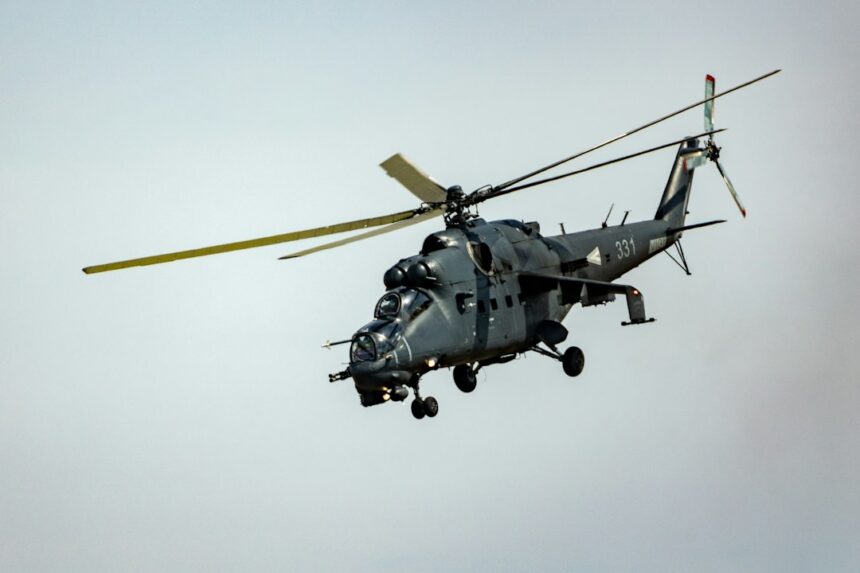
The relentless pursuit of enhanced operational flexibility and logistical efficiency has driven significant advancements in military helicopter heavy lift capabilities. For decades, these colossal rotorcraft have served as the backbone of airborne logistics, transporting troops, equipment, and essential supplies to otherwise inaccessible theaters of operation. However, the evolving nature of modern warfare, characterized by dispersed forces, complex terrain, and the need for rapid response, has spurred a continuous evolution in the design, performance, and application of these formidable machines. From increased payload capacities and extended operational ranges to improved survivability and the integration of cutting-edge technologies, the landscape of military heavy lift helicopters is undergoing a profound transformation. This exploration delves into the key areas of advancement, examining the technological leaps, operational implications, and future trajectories that are redefining what is possible in airborne heavy lift.
Evolving Design Philosophies and Technological Innovations
The foundational principle behind heavy lift helicopter development has always been raw power and payload. However, modern advancements are moving beyond simply increasing size and engine output. A more holistic approach is now prevalent, focusing on integrating a suite of technologies to enhance overall mission effectiveness. This includes optimizing aerodynamic efficiency, developing more robust and lightweight materials, and pioneering advancements in propulsion systems. The aim is not just to lift more, but to lift more, more efficiently, more safely, and more effectively in a wider range of environments.
Super-heavy Lift Rotorcraft: Pushing the Boundaries of Payload
The quest for ultimate payload capacity has led to the development of truly monumental aircraft. These “super-heavy lift” helicopters represent the pinnacle of current engineering, capable of transporting immense loads that were previously unthinkable. Their design is often dictated by the specific needs of strategic deployment and logistical support for large-scale military operations.
The Legacy and Continued Relevance of the CH-47 Chinook Family
The Boeing CH-47 Chinook, in its various iterations, stands as a testament to enduring design and continuous improvement. Its tandem rotor configuration provides inherent stability and a large internal volume, making it exceptionally versatile. Recent upgrades have focused on enhancing its lift capacity, extending its operational range, and improving its survivability through the integration of advanced defensive systems and airframe reinforcements. The introduction of the CH-47F Block II variant, for example, incorporates a redesigned fuel system, strengthened airframe, and improved drive train, all contributing to a significant increase in its effective payload and operational endurance. This commitment to iterative development ensures that the Chinook remains a relevant and indispensable asset for decades to come, capable of tackling increasingly demanding logistical challenges.
Emerging Concepts in Super-Heavy Lift
Beyond the established platforms, research and development are exploring entirely new concepts for super-heavy lift. These include proposals for even larger rotorcraft with advanced aerodynamic features, such as variable rotor geometries and active wing surfaces, to optimize performance under extreme load conditions. Furthermore, the potential of hybrid propulsion systems, combining traditional turboshaft engines with electric or even nuclear power sources, is being investigated for future generations of super-heavy lift platforms, promising unprecedented levels of power and endurance. The challenges are immense, but the potential payoff in terms of strategic mobility and rapid global force projection is equally significant.
Advanced Rotor and Airframe Technologies
The rotors and airframe of a heavy lift helicopter are critical components that directly influence its performance, efficiency, and survivability. Innovations in these areas are crucial for achieving higher lift capacities, greater speed, and improved maneuverability.
Lighter, Stronger, and More Aerodynamically Efficient Rotor Blades
The evolution of rotor blade design has been a key driver in increasing lift capabilities. Modern composite materials, such as carbon fiber reinforced polymers (CFRP), have revolutionized blade construction, allowing for lighter, stronger, and more aerodynamically optimized designs. These advanced materials enable blades to withstand higher stresses, operate at greater rotational speeds, and incorporate more sophisticated airfoil shapes that generate more lift with less drag. Furthermore, research into active rotor systems, which can dynamically adjust blade pitch and twist in flight, holds the promise of further enhancing efficiency and control, particularly under varying load conditions and in challenging flight regimes.
Advanced Airframe Structures and Survivability Enhancements
The airframe of a heavy lift helicopter must be robust enough to withstand the immense stresses of carrying heavy loads while also offering protection to its crew and cargo. Advancements in materials science, including the use of advanced aluminum alloys, titanium, and composite structures, have enabled the construction of lighter yet stronger airframes. This weight reduction translates directly into increased payload capacity or extended range. Moreover, significant effort has been directed towards enhancing survivability. This includes the integration of advanced armor plating, self-sealing fuel systems, and sophisticated electronic warfare suites designed to counter threats from radar-guided missiles and other airborne dangers. The design also considers blast resistance and damage tolerance to ensure mission completion even in contested environments.
For those interested in the advancements and capabilities of military helicopter heavy lift operations, a related article can be found at In The War Room. This article delves into the latest technologies and strategies employed in heavy lift missions, highlighting the critical role these helicopters play in modern military logistics and support.
Propulsion System Evolution: Powering the Giants
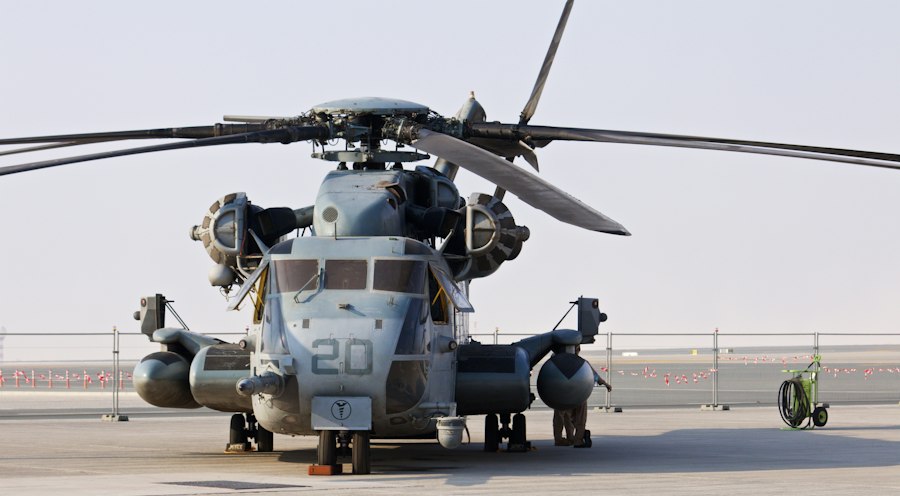
The heart of any heavy lift helicopter lies in its propulsion system. These systems must provide immense power to lift colossal weights, maintain stable flight, and operate reliably in diverse and often harsh conditions. Continuous innovation in turbine engine technology, fuel efficiency, and power management is critical to pushing the boundaries of what heavy lift helicopters can achieve.
Turboshaft Engine Advancements for Enhanced Power and Efficiency
Turboshaft engines have long been the primary power source for military helicopters, and significant advancements have been made to increase their power output, improve fuel efficiency, and enhance reliability. Modern engines benefit from advances in materials science, allowing for higher operating temperatures and pressures, which translates into greater power density. Sophisticated digital engine control systems (FADEC) provide precise management of engine parameters, optimizing performance, reducing fuel consumption, and extending engine life. Furthermore, ongoing research into novel thermodynamic cycles and alternative fuels aims to further improve efficiency and reduce the logistical burden associated with fuel supply in forward operating areas. The development of engines with higher power-to-weight ratios is a constant focus, enabling aircraft to carry more while remaining relatively agile.
Alternative Propulsion Concepts and Future Power Sources
While turboshaft engines remain dominant, the long-term future of heavy lift propulsion may involve exploring alternative concepts. Hybrid-electric propulsion systems, which combine traditional turbine engines with electric motors and energy storage devices, are being investigated for their potential to improve fuel efficiency during certain flight phases, such as hover, and to provide additional power on demand. Looking further ahead, the possibility of more radical power sources, such as compact nuclear reactors, is a topic of theoretical research, though significant technological and regulatory hurdles remain. The overarching goal is to provide cleaner, more efficient, and more sustainable power solutions for future generations of heavy lift aircraft, ensuring their operational relevance in an era of increasing environmental awareness and resource constraints.
Enhanced Avionics, Sensors, and Mission Systems
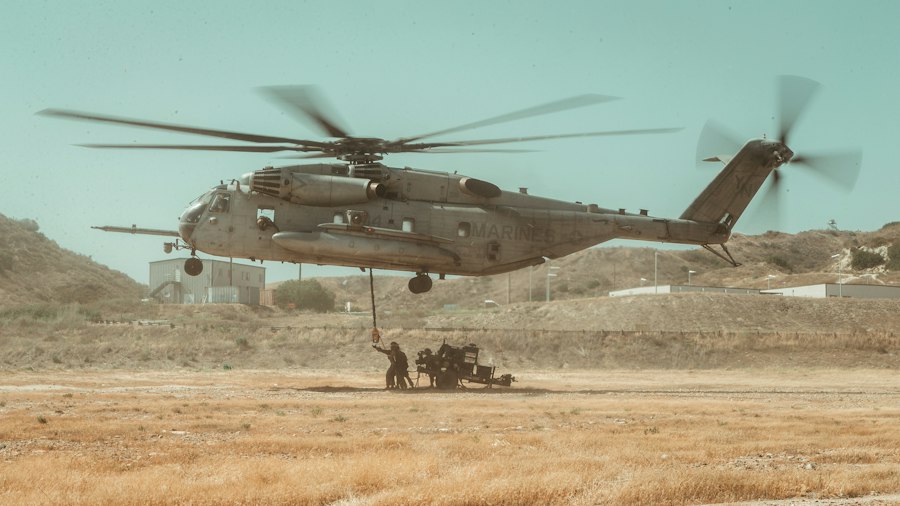
Beyond raw lifting power, the operational effectiveness of military heavy lift helicopters is profoundly influenced by their avionics, sensor suites, and integrated mission systems. These technologies enable pilots to navigate with precision, avoid threats, communicate effectively, and execute complex missions with greater accuracy and safety. The integration of artificial intelligence and advanced networking capabilities is further revolutionizing how these aircraft operate.
In the realm of military aviation, heavy lift helicopters play a crucial role in logistics and troop deployment. These versatile aircraft are designed to transport large payloads, making them indispensable for various operations. For those interested in exploring this topic further, a related article discusses the advancements in heavy lift capabilities and their impact on modern warfare. You can read more about it in this insightful piece here. Understanding these developments is essential for grasping the evolving dynamics of military strategies.
Advanced Navigation and Situational Awareness Systems
Precise navigation is paramount for heavy lift operations, especially in adverse weather or complex terrain. Modern heavy lift helicopters are equipped with sophisticated GPS and inertial navigation systems, often augmented by satellite-based augmentation systems (SBAS) for enhanced accuracy. Beyond navigation, comprehensive situational awareness is achieved through a suite of advanced sensors. This includes weather radar, terrain avoidance systems, and forward-looking infrared (FLIR) cameras, which provide pilots with a clear understanding of their surroundings, day or night, and in all weather conditions. The integration of these systems into a unified cockpit display reduces pilot workload and improves decision-making capabilities, crucial for safe and efficient operations, particularly when carrying valuable or sensitive cargo.
Communication, Networking, and Data Integration
In contemporary military operations, seamless communication and data integration are non-negotiable. Heavy lift helicopters are increasingly equipped with advanced secure communication systems, including satellite communications (SATCOM) and tactical data links, enabling them to maintain constant contact with command centers, other aircraft, and ground forces. This connectivity allows for real-time mission updates, intelligence sharing, and coordinated operations. The integration of onboard data processing capabilities enables these aircraft to act as mobile communication nodes or airborne intelligence platforms, relaying crucial information from the battlefield. The future will likely see even greater integration of artificial intelligence to manage complex sensor data, optimize flight paths, and provide intelligent decision support to the aircrew.
Defensive Systems and Electronic Warfare Capabilities
Operating in contested airspace necessitates robust defensive capabilities. Heavy lift helicopters are outfitted with a layered defense system, including radar warning receivers (RWR) to detect incoming threats, missile approach warning systems (MAWS) to identify and track missiles, and countermeasures such as chaff and flares to decoy them. Advanced electronic warfare (EW) suites can actively jam enemy radar and communication systems, further enhancing survivability. The integration of these systems is crucial, allowing the aircraft to operate with a higher degree of confidence in environments where threat levels are significant. Continuous development in this area focuses on developing more sophisticated jamming techniques and faster-reacting defensive systems to counter emerging threats.
Expanding Operational Roles and Future Trajectories
The advancements in heavy lift capabilities are not merely about incremental improvements; they are fundamentally expanding the operational roles that these helicopters can fulfill and shaping future military strategies. From humanitarian aid to direct combat support and strategic deployment, their versatility is being leveraged in increasingly innovative ways.
Humanitarian Assistance and Disaster Relief Operations
The ability of heavy lift helicopters to access remote and devastated areas makes them indispensable assets in humanitarian assistance and disaster relief (HADR) operations. They can rapidly deliver critical supplies, evacuate injured personnel, and transport specialized equipment to areas cut off by natural disasters. Their capacity to land in unprepared zones and their ability to operate in challenging environmental conditions, such as during floods or earthquakes, are crucial for saving lives and mitigating suffering. The ongoing development of enhanced capabilities, such as improved precision landing systems and extended-range fuel tanks, will further amplify their effectiveness in these vital missions, solidifying their role as force multipliers in global humanitarian efforts.
Special Operations Support and Special Purpose Missions
The unique capabilities of heavy lift helicopters also lend themselves to specialized missions, particularly those supporting special operations forces (SOF). Their ability to transport large amounts of equipment, specialized vehicles, and even deploy SOF teams directly into remote or hostile areas without the need for established landing zones is invaluable. This includes covert insertion and extraction, rapid deployment of reconnaissance assets, and providing a vital lifeline for isolated units. The development of quieter flight profiles and advanced stealth technologies, even in their nascent stages for these large platforms, could further enhance their utility for clandestine operations, ensuring that these powerful assets can be employed with the utmost discretion.
The Future of Heavy Lift: Autonomous Operations and Swarming Concepts
The trajectory of military aviation is increasingly pointing towards greater autonomy and networked operations. For heavy lift helicopters, this translates into the exploration of autonomous flight capabilities and the concept of “swarming.” Autonomous systems could enable these aircraft to perform complex missions with reduced crew requirements, potentially allowing for extended operational durations or deployment in highly dangerous environments. Swarming, the coordinated operation of multiple unmanned or semi-autonomous heavy lift platforms, could revolutionize logistical support by enabling the delivery of massive quantities of supplies or the rapid deployment of forces across vast distances with unprecedented speed and flexibility. While still in developmental stages, these concepts represent a significant paradigm shift in how heavy lift capabilities will be leveraged in future conflicts, promising enhanced efficiency, reduced risk to personnel, and a more agile and responsive military force. The integration of artificial intelligence will be key to managing the complexities of such advanced operational concepts.

A 3-Year Drought Hit the Hittite Empire. Did It Cause the Collapse?
FAQs
What is a military helicopter heavy lift?
A military helicopter heavy lift refers to a type of helicopter specifically designed and equipped to transport heavy cargo or equipment for military purposes.
What are some common uses of military helicopter heavy lift?
Common uses of military helicopter heavy lift include transporting vehicles, artillery, supplies, and personnel to remote or inaccessible locations, as well as supporting disaster relief efforts and medical evacuations.
How much weight can a military helicopter heavy lift typically carry?
The weight-carrying capacity of a military helicopter heavy lift can vary depending on the specific model and configuration, but they are generally capable of lifting several tons of cargo, with some models able to carry up to 20,000 pounds or more.
What are some examples of military helicopter heavy lift models?
Some examples of military helicopter heavy lift models include the Boeing CH-47 Chinook, Sikorsky CH-53 Sea Stallion, and Mil Mi-26 Halo, which are known for their ability to transport heavy loads over long distances.
How do military helicopter heavy lift operations differ from regular helicopter operations?
Military helicopter heavy lift operations require specialized training, equipment, and planning to safely and efficiently transport heavy cargo in challenging environments, such as combat zones or disaster areas, which sets them apart from regular helicopter operations.