The annals of warfare are not solely comprised of grand battles and overt declarations of hostilities. Beneath the surface of conventional conflict lies a shadow realm, a domain of whispers, deception, and clandestine actions that have profoundly shaped the course of history. Covert warfare, the art of achieving strategic objectives through hidden means, represents a vital and often overlooked facet of military history. It is a tapestry woven with threads of intelligence gathering, psychological manipulation, special operations, and political intrigue, all designed to achieve aims that direct confrontation either cannot, or will not, accomplish. This exploration delves into the hidden military operations that have characterized covert warfare throughout history, revealing the ingenuity, ruthlessness, and often the sheer audacity involved in these secret struggles.
The Genesis of Shadowy Engagements
The practice of operating in the shadows is as old as conflict itself. Even in antiquity, before the formal structures of modern intelligence agencies, leaders understood the value of knowing their enemy’s intentions and sowing discord within their ranks. These early forays into covert action, while lacking the sophisticated technology and organizational framework of later eras, laid the foundational principles that would inform centuries of clandestine operations. The objective remained the same: to gain an advantage by operating unseen, influencing events indirectly, and striking where the enemy least expected.
Ancient Espionage and Sabotage
From the earliest civilizations, the act of spying and disrupting enemy capabilities was integral to warfare. The biblical account of Joshua sending spies into Jericho, for instance, exemplifies the strategic importance of reconnaissance. These individuals, disguised and operating under the guise of ordinary travelers, gathered vital intelligence about the city’s defenses and morale. Similarly, the Roman legions employed scouts and informants to gather information on barbarian tribes, using this knowledge to anticipate enemy movements and devise effective countermeasures. Sabotage, too, found its early manifestations. The burning of crops, the poisoning of wells, or the destruction of supply lines were all crude but effective methods of weakening an adversary without engaging in direct combat. These acts, while often brutal, were precursors to the more nuanced forms of disruption seen in later covert operations. The deliberate dissemination of rumors and propaganda, aimed at undermining enemy morale or inciting internal dissent, can also be traced back to these ancient practices. The strategic use of deception, a cornerstone of covert warfare, was already being honed in these nascent conflicts.
Medieval Intrigue and Mercenary Prowess
The medieval period saw a rise in the complexity of political maneuvering and the use of specialized agents. Feudal lords and monarchs relied on networks of spies and informants to monitor rival kingdoms and uncover plots. The Venetian Republic, with its vast trading network, developed an extensive intelligence apparatus, utilizing merchants and diplomats as eyes and ears across Europe and the Levant. The employment of mercenaries also introduced a new dimension to covert operations. These soldiers of fortune, often operating with less loyalty to a specific state and more to their paymasters, were frequently employed for tasks that required discretion and a willingness to engage in morally ambiguous actions. Assassination, the most extreme form of covert action, became a tool of statecraft. Poisonings, staged accidents, and the direct elimination of rivals or key figures were not uncommon, particularly in the often-treacherous courts of Europe and the Middle East. The Crusades, while ostensibly religious wars, were also rife with covert operations, including espionage, sabotage, and the manipulation of local populations to sow discord among Muslim factions.
For those interested in the intricate world of military history and hidden operations, a fascinating article can be found at In The War Room. This piece delves into the clandestine missions that have shaped modern warfare, exploring the strategies and tactics employed by military leaders throughout history. It highlights the significance of covert operations and their impact on both the battlefield and broader geopolitical landscapes, making it a must-read for enthusiasts and scholars alike.
The Enlightenment and the Rise of Organized Espionage
The Age of Enlightenment, with its emphasis on reason and systematic inquiry, paradoxically also saw a significant evolution in the organized nature of intelligence gathering and covert operations. The rise of powerful nation-states, with their expanding bureaucracies and burgeoning foreign policy objectives, necessitated more sophisticated methods of information acquisition and influence projection. This era marked a transition from ad-hoc arrangements to dedicated institutions and formalized procedures for conducting secret warfare.
The Birth of Secret Services
As monarchies consolidated power and international relations grew more complex, the need for dedicated intelligence services became apparent. Early forms of formal secret services began to emerge, particularly in France and Britain. These organizations were tasked with gathering political, military, and economic intelligence from rival powers, as well as conducting covert operations to further their governments’ agendas. The use of ciphers and codes became more sophisticated, as did the methods for recruiting and managing agents. The French Directorate, for example, established a sophisticated network of spies and informants during the French Revolution, using them to identify and neutralize counter-revolutionary threats and to gather intelligence on foreign powers. Similarly, the British government began to formalize its intelligence operations, particularly during periods of conflict with France and Spain. These early services were often secretive and operated with considerable autonomy, their activities shrouded in even deeper layers of secrecy than is typical today.
Psychological Warfare and Political Manipulation
The Enlightenment also witnessed a growing understanding of the power of ideas and public opinion. Covert operators began to exploit this understanding, employing psychological warfare and political manipulation as tools to destabilize adversaries and influence events. The deliberate dissemination of propaganda, often through anonymous pamphlets, forged documents, or bribed journalists, aimed to shape public discourse, sow dissent, and undermine the authority of targeted regimes. The American Revolution provides a compelling example. Both the American patriots and the British employed agents to spread propaganda, incite loyalties, and gather intelligence. Benjamin Franklin, a master diplomat and statesman, was also an adept at utilizing clandestine methods to garner support for the American cause in Europe. The manipulation of political factions within rival nations, by covertly supporting specific groups or instigating internal conflicts, became a common tactic. This era laid the groundwork for the more sophisticated propaganda machines and covert political action campaigns that would become hallmarks of 20th-century warfare.
The Industrial Age and the Modernization of Covert Operations
The Industrial Revolution ushered in an era of unprecedented technological advancement, and this transformation inevitably extended to the realm of warfare, including its covert dimensions. New technologies offered novel ways to gather intelligence, communicate secretly, and conduct operations with greater precision and reach. The scale and scope of covert operations began to expand dramatically, mirroring the global ambitions of the increasingly industrialized nation-states.
Technological Leaps in Intelligence Gathering
The 19th century saw the introduction of technologies that revolutionized intelligence gathering. The telegraph allowed for near-instantaneous communication of sensitive information across vast distances, albeit with the inherent risk of interception. Early photographic techniques, though cumbersome, began to be explored for reconnaissance purposes. The development of more sophisticated analytical tools and the establishment of dedicated archives allowed for the systematic collection and evaluation of intelligence. Secret police forces, often empowered by newly codified laws, became more prevalent, employing surveillance techniques and informants to monitor internal dissent and foreign agents. The rise of industrial espionage also became a significant factor, with nations actively seeking to steal technological and manufacturing secrets from their rivals. The establishment of more formal diplomatic corps also provided a convenient cover for intelligence operatives, allowing them to operate under the guise of official representation.
The Dawn of Special Operations Forces
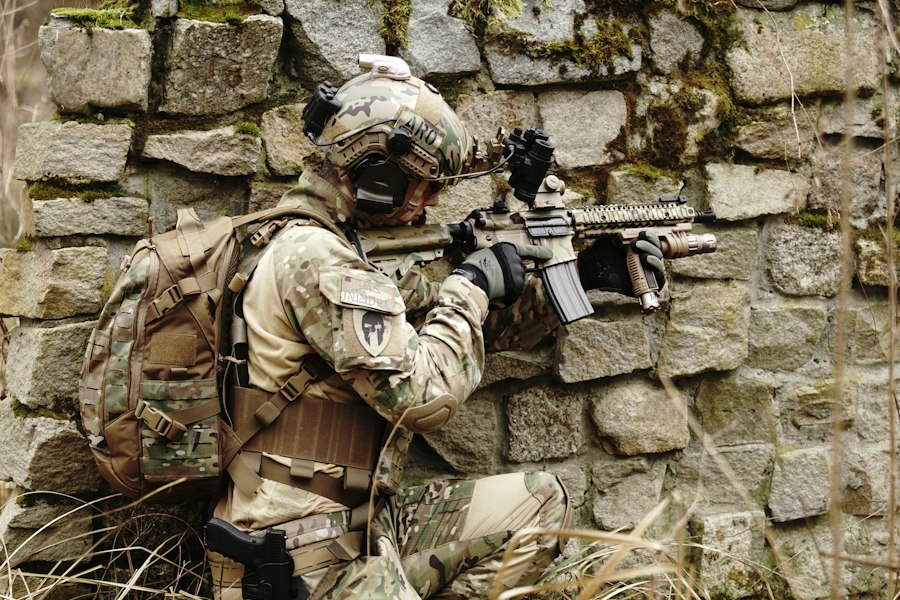
While special operations units in their modern form are largely a 20th-century development, the roots of specialized clandestine action can be seen in the 19th century. Small, highly trained units were sometimes employed for specialized tasks such as reconnaissance behind enemy lines, sabotage of critical infrastructure, or the extraction of key personnel. These units were often drawn from existing military or naval forces but were tasked with missions that fell outside the scope of conventional warfare. The development of new weaponry, such as concealed firearms and explosives, also contributed to the effectiveness of these specialized operatives. The clandestine insertion and extraction of agents, often using disguises and forged documents, became increasingly important in these operations. The groundwork was being laid for the highly skilled and specialized units that would later become synonymous with modern covert warfare.
The World Wars and the Intensification of Covert Struggle
The two World Wars represent a pivotal period in the history of covert warfare. The global scale of these conflicts, the ideological stakes, and the unprecedented technological advancements combined to create an environment where clandestine operations became not just supplementary, but often essential to achieving victory. The sheer volume and sophistication of covert activities during this period are unparalleled in prior history.
World War I: The Crucible of Modern Espionage
World War I, often considered the first truly modern war, saw a dramatic escalation in the scale and sophistication of espionage and covert operations. The rigid trench warfare created a stalemate on the battlefield, making intelligence gathering and undermining the enemy’s will to fight even more critical. The development of new technologies like the radio and the airplane opened up new avenues for intelligence collection and clandestine communication. Networks of spies operated behind enemy lines, gathering information on troop movements, fortifications, and morale. Propaganda became a powerful weapon, with governments actively engaging in psychological warfare to demonize the enemy and bolster domestic support. The use of saboteurs to disrupt enemy supply lines and industrial capacity became commonplace. The Russian Revolution, a seismic event in itself, was also heavily influenced by clandestine actors and intelligence operations, with foreign powers seeking to shape its outcome.
World War II: The Golden Age of Covert Action
World War II arguably represents the zenith of overt and covert warfare intertwined. The ideological struggle against fascism and Nazism spurred unprecedented innovation in covert operations. The British, through agencies like the Special Operations Executive (SOE) and the Government Code and Cypher School (GC&CS), pioneered highly effective methods of sabotage, subversion, and intelligence gathering. The SOE trained and supported resistance movements in occupied Europe, undertaking daring missions to disrupt enemy infrastructure, assassinate key figures, and gather vital intelligence. The cracking of the Enigma code by the Allies at Bletchley Park was one of the most significant intelligence coups in history, providing invaluable insights into German military plans. On the Axis side, the Abwehr, Germany’s intelligence service, also engaged in extensive espionage and sabotage operations. The use of double agents, radio deception, and complex disinformation campaigns became standard practice. The Office of Strategic Services (OSS) in the United States, a precursor to the CIA, also played a crucial role, conducting a wide range of covert operations, from intelligence gathering to psychological warfare and support for resistance groups. The sheer audacity and ingenuity displayed during this period laid the foundation for many of the covert warfare techniques still employed today.
In exploring the fascinating realm of military history, one cannot overlook the significance of hidden operations, which have often played a crucial role in shaping the outcomes of conflicts. For a deeper understanding of these covert missions, you might find it interesting to read an insightful article that delves into various aspects of clandestine warfare. This article provides a comprehensive overview of the strategies and tactics employed in such operations, shedding light on their impact throughout history. To learn more, check out this detailed piece on hidden operations in military history at In The War Room.
The Cold War and the Era of Proxy Conflicts and Technological Espionage
| Operation Name | Year | Country | Objective | Outcome | Notes |
|---|---|---|---|---|---|
| Operation Ajax | 1953 | USA/UK | Overthrow Iranian Prime Minister Mossadegh | Successful | Covert CIA and MI6 operation to reinstate the Shah |
| Operation Northwoods | 1962 | USA | False flag attacks to justify invasion of Cuba | Rejected | Never executed, revealed in declassified documents |
| Operation Gladio | Post-WWII to 1990s | NATO/Western Europe | Stay-behind anti-communist resistance | Controversial | Secret paramilitary networks exposed in 1990s |
| Operation Mincemeat | 1943 | UK | Deceive Axis about Allied invasion plans | Successful | Used a corpse with fake documents to mislead Nazis |
| Operation CHAOS | 1967-1974 | USA | Domestic surveillance of anti-war activists | Exposed and terminated | Conducted by CIA, raised legal and ethical issues |
The post-World War II era ushered in the Cold War, a period of ideological and geopolitical tension that fundamentally reshaped the landscape of covert warfare. The threat of nuclear annihilation meant that direct confrontation between the superpowers was too risky, leading to an intensification of proxy conflicts, political subversion, and a relentless arms race in intelligence and clandestine capabilities. The shadow war between the United States and the Soviet Union and their respective allies became a defining feature of the latter half of the 20th century.
The Shadow War: Proxy Conflicts and Political Subversion
The Cold War was characterized by a global struggle for influence, fought not on open battlefields, but in the shadowy arenas of proxy wars and political subversion. Both superpowers engaged in extensive covert operations to support sympathetic regimes, destabilize adversaries, and promote their ideologies. The CIA and the KGB, the primary intelligence agencies of the US and the Soviet Union, respectively, became masters of covert action. This included funding and arming insurgent groups in conflicts like the Korean War, the Vietnam War, and numerous proxy wars in Africa, Asia, and Latin America. Political subversion was another key tactic, involving the covert funding of political parties, the manipulation of elections, the instigation of coups, and the spread of propaganda to undermine targeted governments. The Iranian coup of 1953, the Bay of Pigs invasion of Cuba, and the Soviet interventions in Afghanistan are all stark examples of the scale and impact of these covert political operations. These actions, often shrouded in secrecy, had profound and long-lasting consequences for the regions involved.
Technological Espionage and the Information Battlefield
The Cold War also witnessed a fierce competition in technological espionage. Both sides poured vast resources into stealing each other’s military, scientific, and industrial secrets. The development of advanced reconnaissance satellites, spy planes like the U-2, and sophisticated listening devices enabled intelligence agencies to gather unprecedented amounts of information. The race for nuclear superiority and the development of new weapon systems fueled an intense period of intelligence gathering and counter-intelligence. The KGB and CIA engaged in a constant cat-and-mouse game, with agents attempting to penetrate enemy research facilities, steal blueprints, and recruit defectors. The information battlefield became as critical as any physical front, with the control and dissemination of knowledge being a key strategic objective. The defection of scientists and engineers, the theft of classified documents, and the elaborate efforts to deceive enemy intelligence agencies were all integral parts of this technological arms race. The constant threat of espionage and counter-espionage created an atmosphere of deep suspicion and secrecy that permeated international relations.
The Evolution of Special Forces and Unconventional Warfare
The Cold War solidified the role of special forces units in modern military doctrine. The need to conduct operations behind enemy lines, support insurgencies, and undertake high-risk clandestine missions led to the development of highly trained and specialized units. Organizations like the US Navy SEALs, the British Special Air Service (SAS), and the Soviet Spetsnaz became synonymous with elite covert operations. These units were trained in a wide range of skills, including infiltration, exfiltration, direct action, reconnaissance, and unconventional warfare. They were deployed in numerous conflicts and covert operations, often operating with a high degree of autonomy and under extreme secrecy. The concept of unconventional warfare, which involves training and supporting indigenous forces to fight against a common enemy, became a key component of superpower strategy during the Cold War, allowing them to project power and influence without direct military intervention. The enduring legacy of these Cold War developments continues to shape the capabilities and doctrines of special operations forces worldwide.
A 3-Year Drought Hit the Hittite Empire. Did It Cause the Collapse?
FAQs
What are hidden operations in military history?
Hidden operations in military history refer to covert or clandestine missions carried out by military forces to achieve specific objectives without the knowledge of the general public or enemy forces.
What are some examples of hidden operations in military history?
Examples of hidden operations include the British Special Operations Executive (SOE) during World War II, the CIA’s involvement in the Bay of Pigs invasion, and the US Navy SEAL Team Six operation that led to the death of Osama bin Laden.
How are hidden operations different from conventional military operations?
Hidden operations differ from conventional military operations in that they are conducted secretly, often with a small group of specially trained personnel, and are designed to achieve specific objectives without direct engagement with enemy forces.
What are the challenges faced by military forces in carrying out hidden operations?
Challenges in hidden operations include maintaining secrecy, ensuring the safety of personnel involved, obtaining accurate intelligence, and avoiding detection by enemy forces or hostile entities.
What impact do hidden operations have on military history?
Hidden operations have had a significant impact on military history by influencing the outcomes of conflicts, shaping geopolitical events, and showcasing the capabilities of special forces units in carrying out complex and high-risk missions.