The Iran Hostage Crisis, a pivotal event in late 20th-century history, can be traced back to a complex interplay of political, social, and historical factors that had been brewing for decades. The roots of the crisis lie in the long-standing tensions between Iran and the United States, particularly following the 1953 coup that overthrew Iran’s democratically elected Prime Minister, Mohammad Mossadegh. This coup, orchestrated by the CIA and British intelligence, reinstated the Shah, Mohammad Reza Pahlavi, who ruled with an iron fist.
The resentment towards foreign intervention and the Shah’s autocratic regime sowed the seeds of discontent among various segments of Iranian society. As the 1970s progressed, widespread dissatisfaction with the Shah’s rule intensified. His regime was characterized by political repression, human rights abuses, and a Westernization agenda that alienated many traditional and religious factions.
The Islamic Revolution, led by Ayatollah Khomeini, gained momentum as it capitalized on the public’s disillusionment with the Shah’s government. By 1979, the revolution culminated in the overthrow of the Shah, leading to a power vacuum and a surge of anti-American sentiment that would ultimately trigger the hostage crisis.
Key Takeaways
- The Iran Hostage Crisis originated from longstanding tensions involving the Shah’s rule and US involvement in Iran.
- The Shah’s controversial regime and US support fueled Iranian resentment leading to the hostage takeover.
- The crisis began with the seizure of the US embassy in Tehran, holding diplomats hostage for 444 days.
- Failed rescue attempts and prolonged negotiations marked the crisis, severely damaging US-Iran relations.
- Declassified documents have since revealed new insights, reshaping the understanding of the crisis’s secret history and legacy.
The Role of the Shah in the Crisis
The Shah’s role in the Iran Hostage Crisis cannot be overstated. His reign was marked by a series of policies that alienated large segments of Iranian society. The White Revolution, which aimed to modernize and secularize Iran, was met with fierce opposition from religious leaders and traditionalists who viewed these reforms as an affront to their values.
The Shah’s reliance on brutal security forces to suppress dissent further fueled resentment among the populace. As protests erupted in 1978, it became increasingly clear that his regime was losing legitimacy. When the Shah fled Iran in January 1979, he sought refuge in the United States for medical treatment.
This decision would prove to be a catalyst for the hostage crisis. Many Iranians viewed his presence in America as a symbol of continued American interference in Iranian affairs. The revolutionary fervor that had swept through Iran transformed into a fervent demand for justice against the Shah and his perceived collaborators.
The subsequent storming of the U.S. Embassy in Tehran on November 4, 1979, was a direct response to this sentiment, as revolutionaries sought to hold American officials accountable for their support of the ousted monarch.
The United States’ Involvement in Iran
The United States’ involvement in Iran dates back to World War II when it sought to secure oil supplies and counter Soviet influence in the region. However, it was the 1953 coup that solidified America’s role as a key player in Iranian politics. By supporting the Shah’s regime, the U.S.
aimed to establish a stable ally in the Middle East during the Cold War.
As the Shah’s regime became increasingly autocratic, American officials often turned a blind eye to his oppressive tactics.
This complicity bred resentment among Iranians who felt that their sovereignty was compromised by foreign intervention. The U.S.’s unwavering support for the Shah created a perception that America was more interested in maintaining its geopolitical interests than in promoting democracy or human rights in Iran. This perception would later play a significant role in shaping public opinion during the hostage crisis.
The Hostage Crisis Begins
| Metric | Details |
|---|---|
| Event | The Hostage Crisis Begins |
| Date | November 4, 1979 |
| Location | U.S. Embassy, Tehran, Iran |
| Number of Hostages | 52 American diplomats and citizens |
| Duration | 444 days |
| Initial Cause | U.S. allowing Shah Mohammad Reza Pahlavi into the U.S. for medical treatment |
| Outcome | Hostages released on January 20, 1981 |
The hostage crisis officially began on November 4, 1979, when a group of Iranian students stormed the U.S. Embassy in Tehran, taking 52 American diplomats and citizens hostage. This dramatic event unfolded against a backdrop of heightened tensions and anti-American sentiment that had been building for years.
The students demanded the extradition of the Shah, who was receiving medical treatment in the United States, as well as an end to American interference in Iranian affairs. The takeover of the embassy was not merely an act of aggression; it was also a symbolic gesture representing a broader rejection of Western influence in Iran. The students saw themselves as defenders of their nation’s sovereignty and were motivated by a desire to hold accountable those they believed had wronged their country.
As news of the hostage situation spread, it captured global attention and ignited a national crisis in the United States, leading to widespread outrage and calls for action.
Negotiations and Failed Rescue Attempts
In the months following the initial takeover, various attempts were made to negotiate the release of the hostages. Diplomatic channels were established between U.S. officials and Iranian representatives, but these discussions were fraught with challenges.
The revolutionary government in Iran was deeply divided, with hardliners advocating for a more confrontational stance against America while moderates sought a resolution to restore diplomatic relations. As negotiations stalled, President Jimmy Carter faced mounting pressure from both domestic and international fronts to secure the hostages’ release. In April 1980, he authorized a military rescue operation known as Operation Eagle Claw.
However, this mission ended in failure when mechanical issues and poor planning led to a disastrous outcome, resulting in the deaths of eight American servicemen and further humiliation for the Carter administration. The failed rescue attempt only deepened the crisis and solidified anti-American sentiment among Iranians.
The Impact of the Hostage Crisis on US-Iran Relations
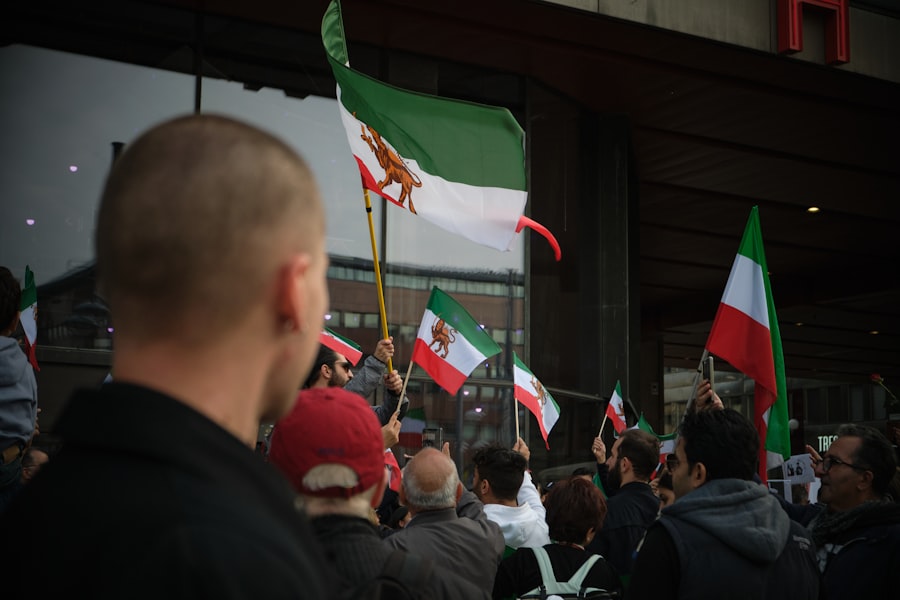
The Iran Hostage Crisis had profound implications for U.S.-Iran relations that continue to resonate today. The immediate aftermath saw a complete breakdown of diplomatic ties between the two nations, with both sides viewing each other with deep mistrust and animosity. The crisis not only solidified Iran’s position as an adversary of the United States but also marked a significant shift in American foreign policy towards the Middle East.
In America, public opinion turned sharply against Iran, leading to calls for punitive measures against the new Iranian regime. Economic sanctions were imposed, and diplomatic isolation became the norm. The crisis also influenced U.S.
domestic politics; President Carter’s inability to resolve it contributed to his defeat in the 1980 presidential election, paving the way for Ronald Reagan’s administration and a more aggressive stance towards Iran.
The Release of the Hostages
After 444 days of captivity, the hostages were finally released on January 20, 1981, coinciding with Ronald Reagan’s inauguration as President of the United States. Their release was negotiated through complex diplomatic channels involving Algeria as an intermediary. The timing of their liberation was seen by many as a calculated move by Iranian leaders to undermine Carter’s presidency while simultaneously signaling their willingness to engage with Reagan’s administration.
The hostages’ return was met with widespread relief and celebration across America. However, it also left lingering questions about what had transpired during their captivity and how such an event could have occurred in the first place. For many Americans, this episode marked a turning point in their perception of foreign policy and national security.
The Aftermath of the Hostage Crisis
In the years following the hostage crisis, U.S.-Iran relations remained strained as both nations grappled with its consequences. The crisis had lasting effects on American foreign policy, leading to an increased focus on counterterrorism and intelligence operations in the Middle East. It also prompted a reevaluation of how America engaged with authoritarian regimes around the world.
For Iran, the hostage crisis solidified its revolutionary identity and reinforced its anti-American stance. The new regime used anti-American rhetoric as a means of consolidating power domestically while deflecting attention from its own internal challenges.
The Legacy of the Hostage Crisis
The legacy of the Iran Hostage Crisis is multifaceted and continues to influence both U.S.-Iran relations and American foreign policy today. It served as a stark reminder of how quickly diplomatic relations can deteriorate and how deeply historical grievances can shape contemporary politics. For many Americans, it became emblematic of their vulnerability abroad and underscored the importance of national security.
Moreover, it laid the groundwork for future conflicts between Iran and the United States, including tensions over nuclear proliferation and regional influence. The crisis also contributed to a broader narrative about America’s role in the Middle East—one characterized by interventionism and unintended consequences that would echo through subsequent decades.
The Secret History of the Hostage Crisis
In recent years, new insights into the Iran Hostage Crisis have emerged from declassified documents and historical research that shed light on previously hidden aspects of this complex event. These revelations have revealed that behind-the-scenes negotiations were more intricate than initially understood, involving various actors both within Iran and among international stakeholders. Additionally, some historians argue that there were elements within both governments that sought to exploit the crisis for their own political gain.
This secret history complicates traditional narratives about good versus evil and highlights how geopolitical interests often intersect with domestic politics in ways that can exacerbate conflicts.
Uncovering the Truth: Declassified Documents and New Perspectives
The release of declassified documents has provided historians with valuable resources to reassess key events surrounding the hostage crisis. These documents reveal previously unknown details about negotiations between U.S. officials and Iranian leaders, illustrating how miscommunication and mistrust hindered efforts to resolve the situation peacefully.
Furthermore, new perspectives have emerged regarding public sentiment during this tumultuous period. Polls conducted at various points during the crisis indicate fluctuating levels of support for different approaches to resolving it—ranging from military intervention to diplomatic engagement—reflecting a nation grappling with its identity on the world stage. In conclusion, while much has been written about the Iran Hostage Crisis since it unfolded over four decades ago, ongoing research continues to uncover layers of complexity that challenge established narratives.
As historians delve deeper into this critical moment in history, they reveal not only its immediate consequences but also its enduring impact on U.S.-Iran relations and global geopolitics.
The Secret History of the Iran Hostage Crisis reveals the complex political maneuvers and personal stories behind this pivotal event in American history. For a deeper understanding of the broader implications of U.S.-Iran relations during this period, you can explore the article on the historical context and aftermath of the crisis at this link. This resource provides valuable insights into how the hostage crisis shaped future diplomatic interactions between the two nations.
WATCH THIS! The Disaster That Saved Them: How Eagle Claw’s Failure Freed the Hostages
FAQs
What was the Iran Hostage Crisis?
The Iran Hostage Crisis was a diplomatic standoff between the United States and Iran that began on November 4, 1979, when Iranian militants seized the U.S. Embassy in Tehran and took 52 American diplomats and citizens hostage. The crisis lasted for 444 days, ending on January 20, 1981.
What led to the Iran Hostage Crisis?
The crisis was triggered by the U.S. decision to admit the deposed Shah of Iran, Mohammad Reza Pahlavi, for medical treatment. Many Iranians opposed the Shah due to his autocratic rule and close ties with the U.S., which fueled anti-American sentiment and led to the embassy takeover.
Who were the hostages during the crisis?
The hostages were 52 American diplomats and citizens who were working at or visiting the U.S. Embassy in Tehran at the time of the seizure. They were held captive for 444 days under harsh conditions.
How did the U.S. government respond to the hostage crisis?
The U.S. government, led by President Jimmy Carter, initially pursued diplomatic negotiations and economic sanctions. A rescue mission, Operation Eagle Claw, was attempted in April 1980 but failed due to mechanical issues and a helicopter crash, resulting in the deaths of eight American servicemen.
What was the outcome of the Iran Hostage Crisis?
The hostages were released on January 20, 1981, the day Ronald Reagan was inaugurated as U.S. President. Their release followed lengthy negotiations mediated by Algeria, culminating in the Algiers Accords, which included the unfreezing of Iranian assets and a pledge by the U.S. not to interfere in Iranian affairs.
What is the secret history behind the Iran Hostage Crisis?
The “secret history” refers to lesser-known details and covert operations related to the crisis, including back-channel negotiations, intelligence activities, and the complex geopolitical context involving the Cold War, U.S. support for the Shah, and internal Iranian politics. Some classified documents and insider accounts have revealed the extent of U.S. and Iranian government actions behind the scenes.
How did the Iran Hostage Crisis affect U.S.-Iran relations?
The crisis severely damaged diplomatic relations between the U.S. and Iran, leading to a break in formal ties that persists to this day. It also contributed to long-standing mistrust and hostility between the two nations.
What impact did the crisis have on U.S. domestic politics?
The crisis had a significant impact on U.S. politics, contributing to President Jimmy Carter’s loss in the 1980 presidential election. It also led to increased public scrutiny of U.S. foreign policy and intelligence operations.
Are there any books or documentaries about the secret history of the Iran Hostage Crisis?
Yes, several books and documentaries explore the secret history and behind-the-scenes aspects of the crisis. Notable works include “Guests of the Ayatollah” by Mark Bowden and various documentaries produced by PBS and other media outlets that provide detailed accounts based on declassified information and interviews.