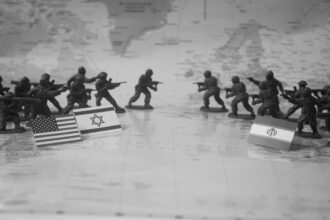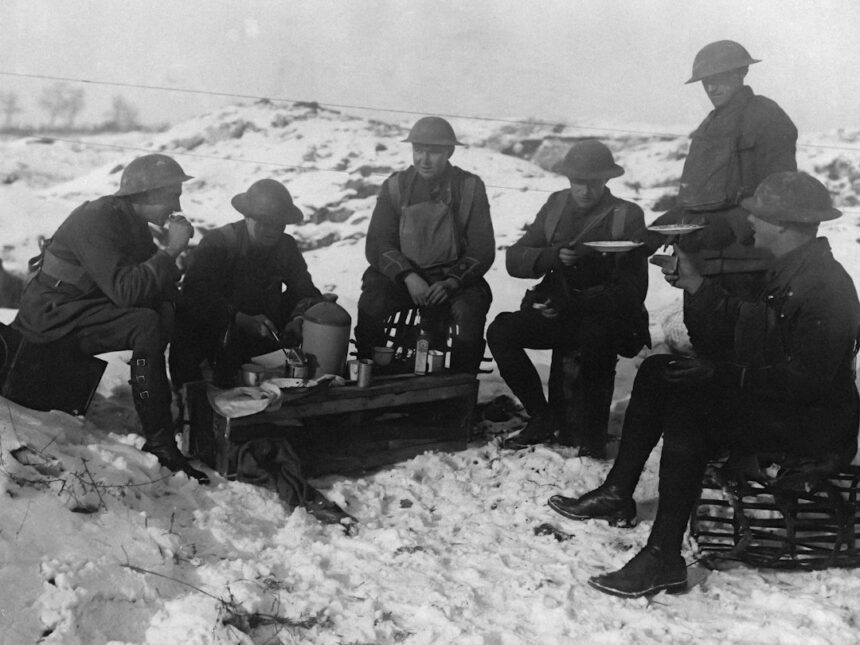
The chilling shadow of the Cold War cast a long, pervasive gloom over the latter half of the 20th century. While the world witnessed the stark ideological battle waged through propaganda, proxy wars, and an ever-escalating nuclear arms race, much of the true machinations remained shrouded in secrecy. Behind the carefully constructed facades of diplomatic pronouncements and publicly displayed military might lay a labyrinth of clandestine operations, ingenious strategies, and groundbreaking – often terrifying – technological advancements. For decades, these hidden realities were known only to a select few within the intelligence agencies and military establishments of the United States and the Soviet Union, their existence hinted at in fragmented whispers and tantalizing rumors. Now, as declassified documents, memoirs, and academic research slowly peel back the layers of this formidable secrecy, a clearer, though often more unsettling, picture of the Cold War’s hidden military landscape begins to emerge.
The Shadow Wars: Unseen Fronts and Proxy Battlegrounds
The Cold War was not solely fought on the plains of Europe or in the skies above the oceans. Its most insidious battles were often waged in the shadows, in regions far from the direct confrontation of superpowers. These “shadow wars” involved intricate webs of espionage, covert support for allied factions, and the deployment of special forces operating under extreme secrecy. The objective was not necessarily outright conquest, but rather to gain strategic advantage, undermine the enemy’s influence, and test the limits of technological and human endurance without triggering full-scale global conflict. These operations, though often unacknowledged at the time, profoundly shaped the political destinies of numerous nations and left indelible marks on the geopolitical map.
Intelligence Gathering: The Eyes and Ears of the Cold War
The lifeblood of any military strategy, especially one operating in the shadows, is intelligence. Both the United States and the Soviet Union poured immense resources into developing sophisticated espionage networks and cutting-edge surveillance technologies. The clandestine collection of information about the adversary’s intentions, capabilities, and vulnerabilities was paramount to maintaining the delicate balance of power and avoiding strategic surprise.
The Art of Infiltration and Exfiltration: Agents in Place
One of the most enduring images of the Cold War is the lone agent, deep behind enemy lines, risking everything to gather vital intelligence. From the daring infiltration of Soviet military bases by American U-2 pilots to the recruitment of disillusioned citizens within hostile regimes, human intelligence (HUMINT) remained a critical, albeit highly dangerous, component of Cold War strategy. These agents provided invaluable insights into troop movements, technological developments, and political machinations, often paying the ultimate price for their service. The sheer bravery and ingenuity involved in such operations, the clandestine meetings, the dead drops, and the elaborate exfiltration plans, are testament to the extreme measures taken to gain an information edge.
Signals Intelligence: Listening to the Enemy’s Whispers
Beyond human agents, the Cold War saw an unprecedented leap in the capabilities of signals intelligence (SIGINT). The development of sophisticated listening posts, satellite surveillance, and code-breaking operations allowed both sides to intercept, decipher, and analyze the enemy’s communications. The continuous monitoring of radio transmissions, telex messages, and later, even early forms of digital communication, provided a real-time glimpse into the inner workings of the opposing military and political apparatus. The iconic images of massive radio listening arrays, such as those operated by the NSA, represent the tangible manifestation of this invisible war of information. The ability to decrypt enemy codes, such as the Soviet’s “KGB codebreakers” and the American “NSA cryptanalysts,” could reveal critical details about imminent attacks or the status of sensitive weapon systems.
Covert Support and Proxy Warfare: Fueling the Flames of Conflict
The Cold War was characterized by its indirect nature. Rather than engaging in direct military confrontation, the superpowers often supported proxy forces in conflicts around the globe. This allowed them to advance their strategic interests without the direct risk of all-out war. From arming and training mujahideen in Afghanistan to providing covert assistance to anti-communist movements in Latin America, these proxy wars were a key feature of the Cold War’s hidden strategies.
Arming the Resistance: The Flow of Weapons and Training
The flow of weapons, training, and financial aid to various insurgent and resistance groups was a cornerstone of superpower proxy policy. The United States, through agencies like the CIA, actively supported groups fighting against Soviet-backed regimes, providing them with advanced weaponry and specialized training. Similarly, the Soviet Union backed communist and anti-colonial movements, arming them to challenge Western influence. These interventions often prolonged conflicts, fueled regional instability, and had devastating humanitarian consequences, yet they were a calculated means to achieve geopolitical objectives. The intricate logistics of delivering these supplies, often through clandestine routes and under extreme secrecy, highlight the immense planning and operational complexity involved.
Ideological Subversion: The Psychological Battlefield
Beyond the overt exchange of arms, the Cold War was also a battle for hearts and minds. Covert operations focused on ideological subversion, aiming to undermine the enemy’s political systems and sow discord among their populations. This included propaganda campaigns, the dissemination of misinformation, and the subtle encouragement of dissent. The use of radio broadcasts, leaflets, and even seemingly organic social movements were all employed to achieve these psychological objectives. The goal was to weaken the adversary from within, making them more susceptible to external pressure or internal collapse.
For those interested in uncovering the lesser-known aspects of Cold War military history, a fascinating article can be found at this link: Cold War Military Secrets Revealed. This piece delves into the clandestine operations and strategies employed by both the United States and the Soviet Union, shedding light on the intricate web of espionage and military tactics that defined this tense period. It offers a unique perspective on how these secrets shaped global politics and military alliances during the Cold War era.
Technological Arms Race: Innovations Born from Fear

The intense rivalry of the Cold War fueled an unprecedented surge in technological innovation, particularly in the military sphere. The constant threat of a devastating conflict spurred both sides to develop ever more powerful and sophisticated weapons systems, surveillance technologies, and defensive capabilities. Many of these advancements, while born out of fear and the pursuit of strategic advantage, have had a profound and lasting impact on the modern world.
The Nuclear Deterrent: The Ultimate Weapon and Its Shadow
The specter of nuclear annihilation loomed large throughout the Cold War. The development of atomic and thermonuclear weapons became the ultimate deterrent, a terrifying sword of Damocles hanging over humanity. The strategic doctrines built around these weapons, such as Mutually Assured Destruction (MAD), shaped the geopolitical landscape and led to an arms race of unimaginable scale.
The Race for Supremacy: Bombers, Missiles, and Submarines
The pursuit of nuclear superiority involved a relentless race to develop and deploy more advanced delivery systems. This included the creation of long-range strategic bombers capable of reaching enemy territories, the development of intercontinental ballistic missiles (ICBMs) that could strike with unprecedented speed and accuracy, and the construction of nuclear-powered submarines that could launch ballistic missiles from the silent depths of the ocean. Each advancement was met with a counter-advancement, creating a dizzying cycle of escalation and a constant state of high alert. The sheer cost and complexity of these programs were staggering, diverting vast resources that could have been used for other societal needs.
The Stealth Factor: Emerging Technologies in Warfare
As the Cold War progressed, the desire for an edge in military technology led to the development of groundbreaking innovations that still influence modern warfare. Stealth technology, for instance, emerged from the need to penetrate enemy air defenses undetected. Aircraft designed to absorb radar signals, reducing their visibility to enemy sensors, became a reality. This was not just a matter of speed or payload, but of fundamentally changing how aircraft could operate in contested airspace. Similarly, advancements in electronic warfare, intended to disrupt enemy communications and radar systems, became increasingly sophisticated. These technologies aimed to create a decisive advantage by enabling operations that were previously impossible, making the battlefield a more complex and unpredictable environment.
Beyond Nuclear: Conventional and Unconventional Weapons
While nuclear weapons dominated headlines, the Cold War also witnessed significant developments in conventional and unconventional weaponry. The need for tactical advantages and the desire to project power without resorting to nuclear escalation drove innovation in a wide range of military technologies.
The Arms of Conventional Superiority: Tanks, Aircraft, and Naval Power
The conventional arms race was equally intense, focusing on the development of superior tanks, fighter jets, and naval vessels. Both sides continuously upgraded their armored divisions with more powerful guns and thicker armor, while naval forces engaged in a constant game of cat and mouse, seeking to maintain dominance of the seas. The development of advanced aircraft, capable of supersonic speeds and carrying a variety of sophisticated weaponry, became a symbol of military might. The constant refinement of these conventional forces was crucial for prosecuting regional conflicts and for projecting power globally, even without the immediate threat of nuclear war.
The Darker Side: Chemical and Biological Weapons Development
Perhaps the most chilling aspect of the Cold War military secrets involves the clandestine development and stockpiling of chemical and biological weapons. While these weapons were largely outlawed by international treaties, both the United States and the Soviet Union engaged in extensive research and development programs, amassing vast arsenals of deadly agents. The rationale often cited was deterrence, the idea that possessing such weapons could prevent their use by an adversary. However, the ethical implications and the potential for catastrophic accidental release or intentional use have left a dark stain on this period of history. Declassified information has revealed the horrifying scale of these programs and the grave risks they posed to civilian populations and the environment.
Covert Operations and Psychological Warfare: The Unseen Battles for Influence
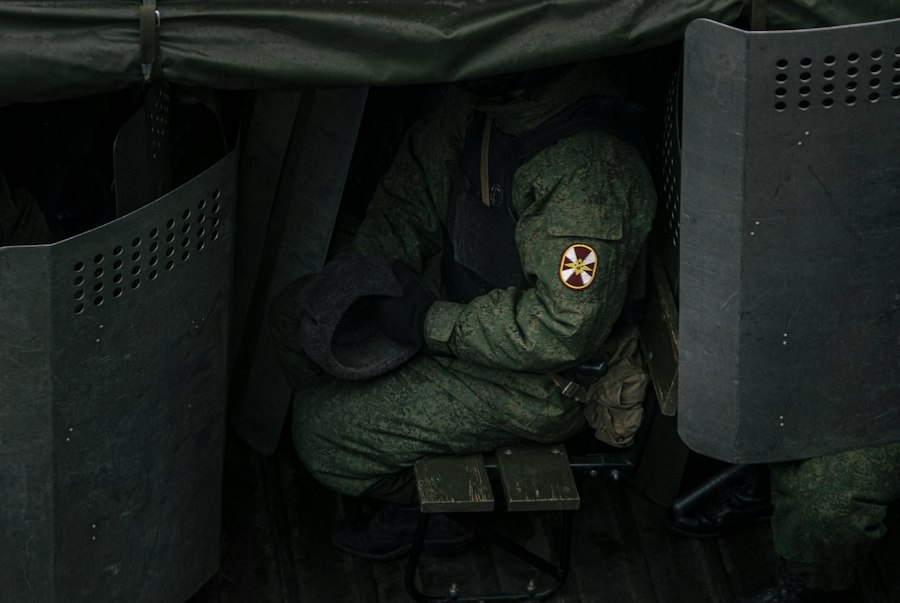
The Cold War was a contest of ideologies, and the battle for influence was waged not only through military might but also through subtle, often insidious, covert operations and psychological warfare. These campaigns aimed to destabilize enemy regimes, influence public opinion, and sow seeds of doubt and discord, all while remaining hidden from the public eye. The success or failure of these operations could have profound geopolitical consequences, shaping alliances and undermining adversaries without a single shot being fired directly between the superpowers.
The Realm of Espionage: Deception, Infiltration, and Sabotage
Espionage was the silent engine driving many Cold War conflicts. Intelligence agencies on both sides engaged in a constant struggle to penetrate enemy organizations, gather vital intelligence, and sometimes, to actively sabotage the enemy’s efforts. The stories of double agents, elaborate schemes for information extraction, and the constant threat of exposure paint a picture of a world perpetually on edge.
The Art of Disinformation: Shaping Perceptions and Manipulating Truth
Disinformation was a potent weapon in the Cold War arsenal. By deliberately spreading false or misleading information, intelligence agencies sought to confuse, discredit, and undermine their adversaries. This could range from fabricating news stories and influencing media outlets to creating elaborate hoaxes designed to sow panic or distrust. The goal was to shape public perception, both domestically and internationally, in favor of their own ideology and against the enemy’s. The effectiveness of these campaigns lay in their subtlety, often making it difficult to distinguish truth from fiction.
Sabotage and Destabilization: Undermining the Enemy’s Infrastructure
Beyond information warfare, covert operations also included acts of sabotage aimed at disrupting enemy infrastructure and capabilities. This could involve anything from damaging key industrial facilities to interfering with communication networks. The aim was to weaken the enemy’s economic and military potential, making them more vulnerable and less capable of projecting power. These operations were meticulously planned and executed, often by small, highly trained teams operating in deep cover, adding another layer of secrecy to an already clandestine world.
The Cold War was a period shrouded in secrecy, with countless military strategies and operations remaining classified for decades. A fascinating exploration of these hidden aspects can be found in an article that delves into the covert operations and espionage tactics employed during this tense era. For those interested in uncovering more about the clandestine activities that shaped global politics, this insightful piece is a must-read. You can find it here: Cold War Military History Secrets.
Psychological Warfare: The Battle for Minds
Psychological warfare (PSYWAR) was a critical component of the Cold War’s hidden strategies. It aimed to influence the thoughts, emotions, and behavior of enemy populations and military personnel. This was achieved through a variety of means, often blending propaganda with covert actions.
Propaganda Machines: Radio, Media, and Cultural Influence
Both superpowers invested heavily in propaganda, using radio broadcasts, film, and other media to promote their own ideologies and demonize the enemy. Radio Free Europe and Voice of America, funded by the U.S., aimed to counter Soviet propaganda in Eastern Europe, while Soviet-backed media outlets sought to spread communist narratives globally. Cultural exchanges, art exhibitions, and even sporting events were sometimes leveraged as platforms for ideological competition. The subtle manipulation of these channels sought to sway public opinion and foster dissent within the enemy’s sphere of influence.
The Defection Game: Coercion and Co-option
The defection of key personnel from one side to the other was a significant event during the Cold War, both for the intelligence gained and the propaganda value. Agencies on both sides actively sought to recruit defectors, offering them protection, financial incentives, and new lives. Conversely, they also worked to prevent their own personnel from defecting, sometimes through coercion or by discrediting potential defectors. The “defection game” was a constant chess match, where every successful defection was a victory and every failed attempt a potential disaster.
The Legacy of Secrecy: Unearthing Hidden Truths
The sheer volume of classified information from the Cold War continues to be a source of ongoing revelation. As governments declassify documents, historians, researchers, and the public gain a deeper understanding of the intricate strategies, the ethically ambiguous operations, and the technological leaps that defined this era. The full impact of these hidden maneuvers is still being assessed, and the lessons learned continue to inform contemporary defense and foreign policy.
Declassification Efforts: Unveiling the Past
The process of declassification is a slow but crucial endeavor. For decades, the vast archives of intelligence agencies and military commands remained sealed, their contents known only to a select few. However, driven by public interest, legislative mandates, and the passage of time, these secrets are gradually being brought to light. The release of documents related to specific operations, individuals, and technological programs offers invaluable insights into the clandestine world of the Cold War. These releases are not simply academic exercises; they provide a more complete and often starker understanding of the risks and sacrifices involved.
The Ethical Dilemmas: Morality in the Shadow Wars
The revelations from declassified documents often raise profound ethical questions. Operations that involved deception, manipulation, and even the support of unsavory regimes, while perhaps deemed necessary at the time for national security, now appear in a different light. The long-term consequences of these covert actions, including their impact on global stability and human rights, are a subject of ongoing debate and critical re-evaluation. Understanding these ethical complexities is vital for learning from the past and avoiding similar missteps in the future.
Enduring Impact: Lessons for the Present and Future
The strategies, technologies, and operational doctrines developed during the Cold War have left an indelible mark on the modern world. Many of the intelligence-gathering techniques, counter-terrorism methodologies, and even the geopolitical fault lines we contend with today have their roots in the clandestine battles of the Cold War. The lessons learned from the successes and failures of these hidden strategies continue to inform contemporary defense planning, international relations, and the ongoing struggle for global security. The secrets unearthed offer a stark reminder of the complexities and dangers inherent in international conflict, a reminder that continues to resonate in the 21st century.

A 3-Year Drought Hit the Hittite Empire. Did It Cause the Collapse?
FAQs
What were some of the key military strategies used during the Cold War?
Some key military strategies used during the Cold War included deterrence, containment, brinkmanship, and proxy wars. These strategies were employed by both the United States and the Soviet Union to gain strategic advantages and influence global events.
How did espionage play a role in Cold War military operations?
Espionage played a crucial role in Cold War military operations as both the US and the Soviet Union sought to gather intelligence on each other’s military capabilities, strategies, and intentions. Spies were used to gather classified information and engage in covert operations.
What were some of the secret military projects developed during the Cold War?
During the Cold War, both the US and the Soviet Union developed secret military projects such as stealth aircraft, spy satellites, and advanced missile systems. These projects were often shrouded in secrecy and aimed at gaining a technological edge over the other side.
How did the arms race impact Cold War military history?
The arms race between the US and the Soviet Union had a significant impact on Cold War military history. Both sides engaged in a competition to develop and stockpile nuclear weapons, leading to an escalation of tensions and fears of a potential nuclear conflict.
What role did military alliances play in Cold War military strategies?
Military alliances played a crucial role in Cold War military strategies, with NATO (North Atlantic Treaty Organization) and the Warsaw Pact being the two main alliances. These alliances were formed to provide collective defense against potential aggression and to strengthen the military capabilities of member countries.