Project Jennifer, a clandestine operation shrouded in the shadows of the Cold War, remains one of the Central Intelligence Agency’s most audacious and controversial undertakings. The documentary, Unveiling CIA Project Jennifer, endeavors to peel back the layers of secrecy surrounding this complex endeavor, offering a detailed examination of its objectives, execution, and ultimate repercussions. This article, which acts as a guide through the documentary’s revelations, aims to shed light on the factual accounts presented, allowing the reader to navigate the intricate landscape of intelligence operations.
The seeds of Project Jennifer were sown in the fertile ground of the Cold War’s escalating tensions. The documentary delves into the geopolitical climate of the late 1960s, a period marked by intense ideological struggle and a relentless pursuit of strategic advantage. The Soviet Union’s burgeoning submarine fleet, a growing menace to Western maritime interests, presented a significant intelligence gap for the United States. Information regarding the capabilities, deployment, and operational parameters of these Soviet vessels was critically scarce, leaving American strategists in a state of uncertain preparedness.
The Strategic Imperative: Soviet Submarine Capabilities
The documentary meticulously lays out the perceived threat posed by Soviet submarines. It illustrates how these underwater behemoths were capable of projecting power and potentially disrupting global naval dominance. The absence of concrete intelligence meant that the US Navy and intelligence agencies were essentially navigating in fog, unable to anticipate Soviet movements or effectively counter their strategic deployments. This uncertainty fueled a desperate search for a breakthrough, a method to gain unprecedented access to the Soviet underwater world.
The Political Climate: A Race for Supremacy
Unveiling CIA Project Jennifer contextualizes the project within the broader Cold War narrative. The documentary highlights the intense pressure on the US government to maintain technological and intelligence superiority. Every perceived advantage held by the Soviet Union was viewed as a direct threat to national security. The Bay of Pigs fiasco and the ongoing Vietnam War, while different in nature, had arguably heightened the stakes for successful intelligence operations, underscoring the need for undeniable victories.
Early Intelligence Gaps and Frustration
The film emphasizes the pervasive frustration experienced by intelligence analysts and military planners due to the lack of granular data on Soviet submarines. Reports and educated guesses formed the bulk of available information, a situation deemed untenable given the potential consequences of miscalculation. This void in knowledge became the fertile ground from which the audacious idea of Project Jennifer began to sprout.
The documentary on CIA Project Jennifer delves into the covert operations surrounding the recovery of a sunken Soviet submarine during the Cold War, highlighting the lengths to which the U.S. government went to gather intelligence. For a deeper understanding of the broader implications of such clandestine missions, you can explore a related article that discusses the historical context and impact of these operations on modern espionage tactics. Check it out here: In The War Room.
Operation Azorian: The Elaborate Scheme
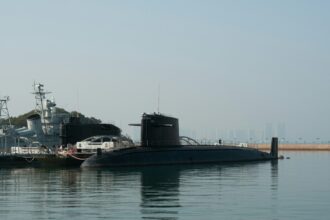
The core of Project Jennifer, as revealed in the documentary, was Operation Azorian. This monumental undertaking was conceived as a method to recover a sunken Soviet submarine, the K-129, which had mysteriously sunk in the Pacific Ocean in 1968. The belief was that within the wreckage lay invaluable intelligence – the submarine’s communication systems, codebooks, sonar technology, and potentially even nuclear warheads, offering an unparalleled glimpse into the Soviet Union’s most advanced naval secrets.
The Sunken Prize: The K-129’s Significance
The documentary meticulously details the K-129’s fateful voyage and its subsequent demise. It presents evidence suggesting the submarine sank while on a missile deployment near Hawaii. The potential intelligence haul from this vessel was deemed so significant that it justified an undertaking of unprecedented scale and complexity. The K-129 was not merely a lost vessel; it was a treasure chest of secrets waiting to be unearthed.
The Cover Story: Hughes Glomar Explorer
A significant portion of the documentary is dedicated to explaining the ingenious cover story for Operation Azorian: a deep-sea mining venture. The CIA, through a shell company, commissioned the construction of a massive, technologically advanced ship named the Hughes Glomar Explorer. This vessel, disguised as a commercial enterprise, was equipped with a revolutionary “capture vehicle” designed to lift the submarine from the ocean floor, a feat that had never been attempted on such a scale. The sheer audacity of this deception underscores the elaborate planning involved.
The Technical Marvel: The Capture Vehicle
Unveiling CIA Project Jennifer showcases the technological prowess behind the Hughes Glomar Explorer and its capture vehicle. The documentary provides technical schematics and archival footage, illustrating the gargantuan mining equipment and the intricate mechanisms designed to grapple and lift the K-129 from depths exceeding 16,000 feet. This technological marvel was the lynchpin of the entire operation, a testament to human ingenuity in the face of immense engineering challenges.
The Risks and Repercussions
Project Jennifer was a high-stakes gamble, and the documentary does not shy away from detailing the immense risks involved. From the financial outlay to the potential for international embarrassment should the operation be exposed, the consequences of failure were significant. The documentary explores the constant threat of Soviet detection and the ethical considerations that accompanied such a clandestine mission.
The Financial Investment: A Monumental Undertaking
The documentary meticulously details the staggering financial cost of Project Jennifer. The construction of the Hughes Glomar Explorer and the logistical support required for such a prolonged and complex operation represented a substantial investment of public funds. The film presents figures that highlight the sheer scale of this investment, prompting viewers to consider the allocation of resources in the pursuit of national security objectives. The project, in essence, was a deep-sea financial ocean, with vast sums poured into its depths.
The Threat of Exposure: A Constant Shadow
The documentary paints a vivid picture of the constant shadow of exposure that loomed over Project Jennifer. Soviet intelligence was highly sophisticated, and any misstep could have led to the unmasking of the operation, a diplomatic crisis, and a significant blow to American credibility. The film recounts instances where near-discoveries threatened to derail the entire endeavor, underscoring the nerve-wracking nature of the mission.
Ethical Dilemmas: The Morality of Espionage
Unveiling CIA Project Jennifer probes the ethical quandaries inherent in such clandestine operations. The documentary raises questions about the justification of such elaborate deception, the potential for unintended consequences, and the moral boundaries of intelligence gathering. While the pursuit of national security is often framed as a paramount concern, the film encourages contemplation of the ethical costs associated with achieving it through covert means.
The Unforeseen Outcomes: Successes and Failures
The documentary acknowledges that Project Jennifer did not unfold entirely as planned. While a significant portion of the submarine was indeed recovered, the operation was met with both successes and significant failures. The film details what was retrieved and what remained lost to the ocean’s abyss, offering a nuanced perspective on the operation’s ultimate achievements.
The Documentary’s Narrative and Presentation
Unveiling CIA Project Jennifer is not merely a dry recitation of facts. The documentary weaves together archival footage, interviews with key figures (where available and permissible), and expert analysis to create a compelling narrative. The filmmakers employ various techniques to immerse the viewer in the story, from the use of dramatic reenactments to the poignant score that enhances the emotional impact of the revelations.
Archival Footage: A Window to the Past
The documentary relies heavily on a treasure trove of archival material. This includes declassified government documents, photographs, and rare film footage from the era. The visual evidence presented offers a tangible connection to the past, allowing viewers to witness the construction of the Hughes Glomar Explorer, the clandestine meetings, and the tense atmosphere that characterized the Cold War. This footage acts as a direct conduit to the historical events being recounted.
Expert Interviews: Voices of Authority
Unveiling CIA Project Jennifer features interviews with historians, former intelligence officials, and maritime experts. These individuals provide critical context, analysis, and personal insights into the project. Their testimonies lend credibility to the documentary’s claims and offer diverse perspectives on the motivations, challenges, and consequences of Project Jennifer. Their words act as intellectual signposts, guiding the audience through the complexities of the narrative.
The Art of Storytelling: Engaging the Audience
The filmmakers skillfully employ narrative techniques to keep the audience engaged. The documentary builds suspense, reveals information strategically, and humanizes the individuals involved in the operation. The pacing is carefully controlled, ensuring that the complex intricacies of Project Jennifer are presented in an accessible and compelling manner. The documentary is not just an informational piece; it is a narrative that aims to captivate and educate.
The Impact of Declassification: Unlocking Secrets
The documentary highlights the crucial role of declassification in bringing the story of Project Jennifer to light. For decades, the operation remained a closely guarded secret. The gradual release of classified documents has allowed historians and filmmakers to piece together the puzzle, revealing the remarkable scope and ambition of this CIA initiative. This process of unveiling has been like slowly lifting the lid on a long-sealed vault.
The CIA’s Project Jennifer, which aimed to recover a sunken Soviet submarine, has sparked interest in various historical and military analyses. For those looking to delve deeper into the intricacies of covert operations during the Cold War, a related article can be found at this link, where the complexities of espionage and intelligence gathering are explored in greater detail. Understanding the context of such projects helps illuminate the broader implications of military strategy and international relations during that era.
Legacy and Lessons Learned
| Metric | Details |
|---|---|
| Project Name | CIA Project Jennifer |
| Type | Documentary |
| Subject | Recovery of Soviet submarine K-129 |
| Year of Operation | 1974 |
| Documentary Release Year | 2018 |
| Duration | Approximately 1 hour 30 minutes |
| Director | Unknown / Various sources |
| Key Technologies Featured | Deep-sea recovery, underwater robotics, covert operations |
| Primary Location | North Pacific Ocean |
| Significance | Cold War espionage and technology recovery |
The legacy of Project Jennifer is multifaceted. The documentary argues that while the operation provided valuable intelligence, it also served as a stark reminder of the immense resources and risks associated with large-scale clandestine intelligence endeavors. The film encourages viewers to consider the lessons that can be drawn from this historical episode, particularly in the context of contemporary intelligence gathering and national security strategies.
Intelligence Gains: A Strategic Advantage
The documentary asserts that Project Jennifer did yield significant intelligence dividends. The information recovered, though perhaps not entirely comprehensive, provided analysts with unprecedented insights into Soviet naval capabilities. This knowledge undoubtedly influenced strategic planning and military readiness during a critical period of the Cold War. The recovered data acted as a vital piece of the strategic chessboard.
The Cost of Secrecy: A Price to Pay
Conversely, the film suggests that the extreme secrecy and the immense cost of Project Jennifer also highlight the potential downsides of such operations. The financial outlay and the ethical compromises raise questions about the long-term sustainability and wisdom of pursuing every intelligence advantage through such elaborate and resource-intensive means. The veil of secrecy, while necessary, also carried a hefty price tag.
The Evolving Landscape of Intelligence
Unveiling CIA Project Jennifer implicitly comments on the evolving nature of intelligence gathering. The documentary’s focus on a singular, massive operation stands in contrast to the more decentralized and technologically driven intelligence methods of today. The film prompts reflection on how intelligence priorities and methodologies have shifted in the post-Cold War era.
A Cautionary Tale: Balancing Ambition and Prudence
Ultimately, the documentary presents Project Jennifer as a case study for balancing ambition with prudence in intelligence operations. It underscores the importance of rigorous planning, risk assessment, and ethical consideration when embarking on missions of such magnitude. The film serves as a valuable historical document, offering insights that remain relevant to the challenges of national security in the 21st century. It is a story that whispers lessons from the deep, urging careful consideration for future endeavors.

WATCH NOW ▶️ SHOCKING: How The CIA Stole A Nuclear Submarine
FAQs
What is the CIA Project Jennifer documentary about?
The CIA Project Jennifer documentary explores a secret Cold War-era mission by the Central Intelligence Agency to recover a sunken Soviet submarine, K-129, from the Pacific Ocean floor in the early 1970s.
When did Project Jennifer take place?
Project Jennifer was conducted primarily between 1974 and 1975, during the height of Cold War tensions between the United States and the Soviet Union.
What was the objective of Project Jennifer?
The main objective of Project Jennifer was to retrieve the Soviet submarine K-129, which had sunk in the Pacific Ocean, in order to gather intelligence on Soviet naval technology and cryptographic materials.
Who was involved in Project Jennifer?
The project was led by the CIA in collaboration with the U.S. Navy and involved specialized engineers, deep-sea recovery experts, and intelligence operatives.
Is the documentary based on true events?
Yes, the CIA Project Jennifer documentary is based on real historical events and declassified information about the covert operation to recover the Soviet submarine.