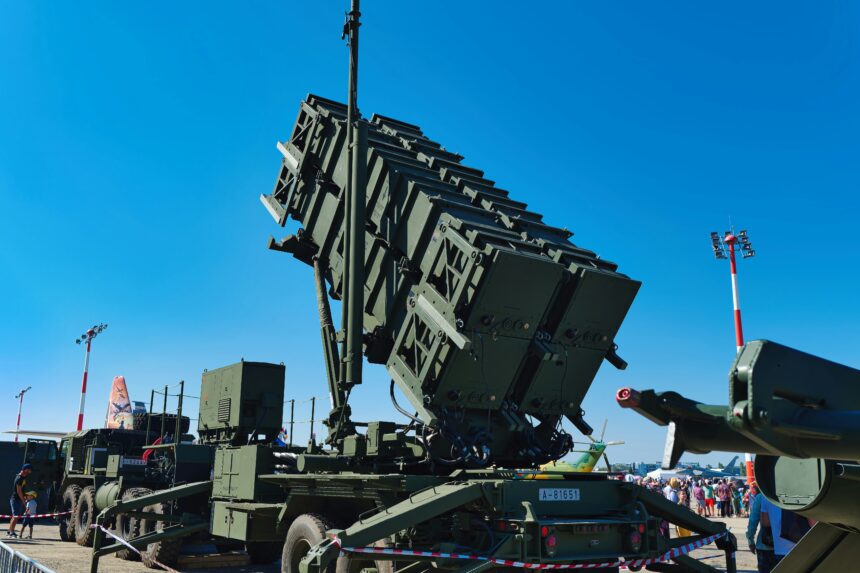
The United States Air Defense, a critical component of national security and global power projection, finds itself grappling with a growing concern: a significant shortage of crucial missile inventory. This deficiency, shrouded in increasing urgency, has far-reaching implications for the nation’s ability to deter adversaries, respond to emergent threats, and uphold its commitments to allies. The complexities of modern warfare, coupled with the relentless demands placed upon this vital defense shield, have exposed vulnerabilities that demand immediate and comprehensive attention.
The narrative of a missile shortage within US air defense is not a sudden eruption but rather a slow, insidious erosion of stockpiles, compounded by a confluence of factors. Years of sustained operations, coupled with the rapid pace of technological advancement, have placed an unprecedented strain on the existing arsenal. The very effectiveness of these systems, designed to neutralize advanced threats, has ironically contributed to their depletion.
Sustained Operational Tempo and Global Commitments
The post-9/11 era has been characterized by a persistent global security environment, necessitating the continuous deployment of air defense assets. From the skies over the Middle East to the protection of critical infrastructure at home, US air defense units have been on high alert and actively engaged in a multitude of missions. This sustained operational tempo, while crucial for maintaining stability and projecting American power, has inevitably led to a higher rate of missile expenditure than anticipated in peacetime planning. Each intercept, each training exercise, each defensive posture consumes valuable munitions, leaving less available for future contingencies. The sheer geographical expanse of US interests and the diverse nature of potential threats necessitate a robust and readily available supply of defensive weapons, a demand that is increasingly challenging to meet.
The Evolution of Threat Landscapes
The adversaries facing the United States have not stood still. Missile technology, once the exclusive domain of a few state actors, has proliferated. New and emerging threats, from sophisticated ballistic missiles capable of reaching intercontinental distances to swarming drone attacks and hypersonic weapons, present a constantly evolving challenge. To counter these advanced capabilities, US air defense systems require a commensurate level of sophistication in their interceptors. This necessitates the development and procurement of new missile types, a process that is inherently time-consuming and expensive. Furthermore, the older generation of missiles, while still effective against certain threats, may be insufficient against the most cutting-edge adversaries, leading to a greater reliance on newer, and often scarcer, interceptors.
The Complexities of Production and Procurement
The manufacturing of advanced missile systems is a highly intricate and capital-intensive endeavor. It involves specialized materials, sophisticated manufacturing processes, and a highly skilled workforce. Global supply chains, often reliant on a limited number of suppliers for critical components, can be fragile and susceptible to disruption. Geopolitical tensions, natural disasters, or even trade disputes can impact the timely delivery of essential parts, thus hindering production rates. Furthermore, the procurement process itself can be protracted, involving extensive testing, validation, and bureaucratic approvals. This lengthy lead time between identifying a need and fielding a weapon means that even with increased funding, replenishing stockpiles is not an immediate solution. The inherent lag in the defense industrial base means that addressing a current shortage requires foresight and sustained investment over many years.
The ongoing concerns regarding the United States’ air defense missile shortage have been highlighted in various articles, including a recent piece that discusses the implications of this deficit on national security and military readiness. For a deeper understanding of the challenges faced by the U.S. military in maintaining adequate air defense systems, you can read more in this related article: here.
The Ripple Effects of Scarcity
The implications of a diminished missile inventory extend far beyond the immediate tactical concerns. They ripple through strategic planning, alliance dynamics, and the fundamental ability of the United States to project strength and security. The perception of vulnerability, whether real or perceived, can embolden adversaries and create instability in the international arena.
Strategic Deterrence Under Strain
A cornerstone of US foreign policy has been its strategic deterrence, the ability to dissuade potential aggressors through the credible threat of retaliation. A robust and well-equipped air defense capability is an integral part of this deterrent posture. If adversaries perceive that the United States lacks sufficient missiles to defend its territory or its allies, they may be more inclined to test the boundaries of international norms or engage in aggressive actions. The ability to intercept incoming threats, particularly those that could bypass traditional defenses, is a powerful message of resolve. A shortage of such interceptors can dilute this message, creating an environment where deterrence is weakened. This can lead to an increase in regional conflicts and a greater likelihood of direct confrontation.
Alliance Commitments and Trust
The United States has a vast network of alliances and security partnerships around the globe. These alliances are built on mutual trust and the shared understanding that the US will provide security assurances. A demonstrable inability to adequately defend its own airspace or provide critical defensive assets to allies can erode this trust. Allies may question the reliability of US security guarantees if they perceive that the US is unable to sustain its own defensive capabilities. This could lead to allies seeking alternative security arrangements, potentially undermining decades of diplomatic and military investment. The provision of air defense capabilities is often a tangible demonstration of commitment, and a shortfall here can be interpreted as a waning of that commitment, leading to strategic realignments.
The Cost of Rapid Replenishment
Addressing a significant missile shortage after it has become acute is a far more expensive proposition than maintaining a healthy inventory. When production lines have been slowed or shut down, restarting them or scaling them up to meet urgent demand comes with a premium. The need for rapid replenishment often necessitates expedited production schedules, which can increase manufacturing costs and may require additional investments in infrastructure and workforce training. Furthermore, the rush to procure available missiles can lead to less favorable contract terms and potentially inflate prices. The long-term cost of neglecting inventory management is often far greater than the cost of consistent, proactive procurement. This can create a fiscal strain on the defense budget, potentially diverting funds from other critical modernization or readiness initiatives.
The Industrial Base: A Bottleneck of Production
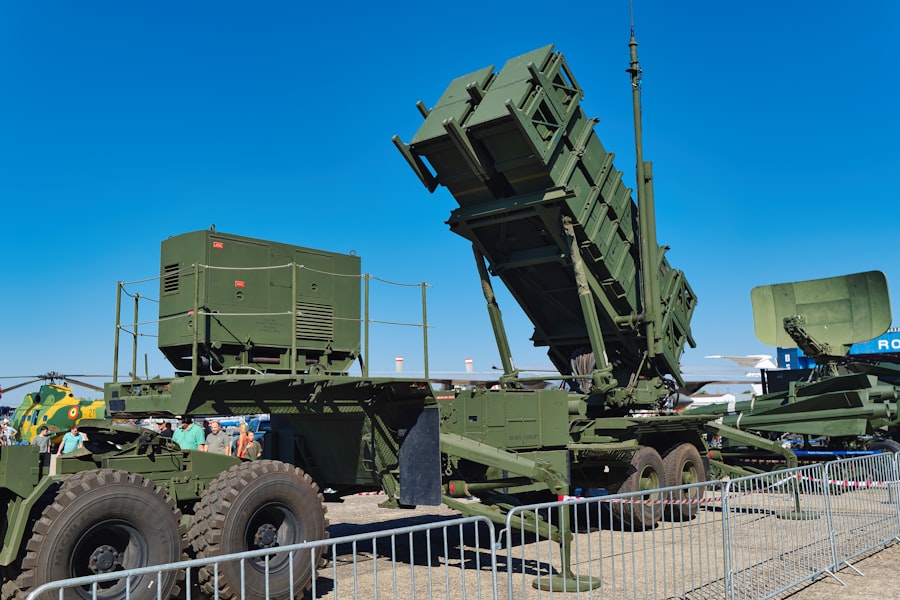
The ability of the United States to produce and replenish its missile inventory is intrinsically linked to the health and capacity of its defense industrial base. This complex ecosystem of manufacturers, suppliers, and research and development institutions is currently facing significant challenges that are directly contributing to the missile shortage.
Aging Infrastructure and Workforce Challenges
Many of the facilities responsible for missile production are aging, requiring significant investment in modernization and upgrades to meet the demands of current and future technologies. Furthermore, the defense industry faces a growing challenge in attracting and retaining a skilled workforce. Decades of fluctuating defense spending have led to a cyclical employment landscape, making it difficult to maintain a consistent pool of experienced engineers, technicians, and manufacturing specialists. As experienced workers retire, there is a growing concern about the pipeline of new talent to fill their roles. This demographic shift, coupled with the specialized nature of defense manufacturing, creates a significant bottleneck in production capacity.
Supply Chain Vulnerabilities and Dependencies
The production of advanced missiles relies on a complex global supply chain, often involving specialized components and raw materials sourced from various countries. This intricate network is susceptible to disruptions from geopolitical events, trade disputes, and global economic fluctuations. A single critical component sourced from a single supplier can halt the production of an entire missile system. The COVID-19 pandemic exposed the fragility of many global supply chains, and the defense industrial base was not immune to these disruptions. The reliance on foreign sources for certain materials or components can create strategic vulnerabilities that must be addressed through diversification and domestic production initiatives.
The Pace of Innovation and Obsolescence
The rapid pace of technological innovation, while a strength in military capability, also presents a challenge for missile production. As new threats emerge and existing technologies advance, there is a constant need to develop and produce next-generation interceptors. This requires continuous investment in research and development, as well as the agility of the industrial base to adapt to new designs and manufacturing requirements. The obsolescence of older missile systems also necessitates their replacement, further increasing the demand on production lines. Balancing the need to produce current systems with the imperative to develop future capabilities creates a dynamic and demanding environment for the defense industrial base.
Strategic Implications and Future Readiness

The missile shortage is not merely a logistical problem; it is a strategic vulnerability that demands a comprehensive and forward-looking approach. Addressing this issue requires more than just increasing immediate procurement; it necessitates a fundamental rethinking of defense industrial strategy and long-term readiness planning.
The Need for Proactive Industrial Modernization
To overcome the current challenges, a significant and sustained investment in modernizing the defense industrial base is paramount. This includes upgrading manufacturing facilities, investing in advanced automation and robotics, and developing more resilient and diversified supply chains. Encouraging innovation within the industrial base through research and development grants and partnerships can foster the development of cutting-edge manufacturing techniques. Furthermore, long-term defense spending strategies that provide predictable demand for the industrial base can incentivize private investment and capacity expansion. This proactive approach is essential to ensure that the US can rapidly scale production to meet future demands, whether for routine replenishment or during times of crisis.
Stockpile Management and Strategic Stockpiling
A critical component of addressing the missile shortage is the implementation of robust stockpile management policies. This involves a comprehensive assessment of current inventory levels against projected threats and operational requirements. Strategic stockpiling, maintaining a carefully curated reserve of critical munitions, becomes essential. This requires a long-term vision that anticipates future needs and accounts for the inherent lead times in production. Furthermore, incorporating obsolescence management into stockpile strategies is crucial, ensuring that older systems are replaced proactively rather than reactively. The development of sophisticated modeling and simulation tools can aid in predicting future demand and optimizing stockpile levels.
Investment in Research and Development for Future Generations
The current missile shortage highlights the imperative to invest heavily in research and development for the next generation of air defense interceptors. This includes exploring advanced propulsion systems, new guidance technologies, and countermeasures against emerging threats like hypersonic weapons and directed energy weapons. Fostering collaboration between government research institutions, academia, and the private sector can accelerate the pace of innovation. A robust R&D pipeline ensures that the US remains at the forefront of air defense technology, capable of countering the threats of tomorrow. This investment not only addresses current deficiencies but also ensures future strategic advantage.
The ongoing discussions about the U.S. air defense missile shortage have raised significant concerns among military analysts and policymakers alike. A recent article highlights the implications of this shortage on national security and military readiness, emphasizing the urgent need for increased production and innovation in missile technology. For a deeper understanding of the challenges faced by the U.S. military in this context, you can read more in this insightful piece on the topic at In The War Room.
The Path Forward: A Multifaceted Solution
| Year | Number of Missiles Shortage | Impact |
|---|---|---|
| 2019 | 200 | Increased risk of vulnerability to aerial threats |
| 2020 | 300 | Heightened concerns over national security |
| 2021 | 400 | Challenges in maintaining air defense readiness |
The challenges facing US air defense missile inventory are complex and multifaceted, demanding a coordinated and sustained effort from various stakeholders. A singular solution is unlikely to suffice; rather, a comprehensive approach that addresses industrial capacity, strategic planning, and technological innovation is required.
Strengthening the Domestic Defense Industrial Base
A cornerstone of any effective solution lies in bolstering the domestic defense industrial base. This involves incentivizing domestic manufacturing of critical components, reducing reliance on foreign suppliers, and fostering a more robust ecosystem of small and medium-sized enterprises that can contribute to the supply chain. Government policies that promote long-term contracts and predictable demand can encourage private sector investment in new facilities and technologies. Furthermore, workforce development programs aimed at training and retaining skilled labor within the defense industry are essential. This includes partnerships with educational institutions and apprenticeships that create a sustainable talent pipeline.
Enhancing Interoperability and Collaboration with Allies
In an increasingly interconnected world, strengthening interoperability and collaboration with allies on missile development and production can offer significant advantages. Sharing research and development efforts, jointly procuring certain missile systems, and establishing common production standards can lead to economies of scale and reduce the burden on individual nations. This collaborative approach can also enhance burden-sharing within alliances and ensure that allies have access to critical defensive capabilities, further strengthening collective security. The development of joint defense industrial strategies can lead to more efficient and cost-effective solutions for all involved.
Embracing Innovation and Emerging Technologies
The future of air defense hinges on embracing innovation and developing next-generation missile technologies. This includes investing in research and development for advanced interceptors capable of countering hypersonic missiles, novel electronic warfare threats, and sophisticated drone swarms. Exploring technologies such as directed energy weapons and advanced sensor fusion can provide complementary defensive capabilities. Furthermore, fostering agility within the defense acquisition process to rapidly field these new technologies is crucial. The ability to adapt quickly to evolving threats is paramount in maintaining a strategic edge.
A Call for Sustained Political Will and Investment
Ultimately, addressing the US air defense missile shortage requires sustained political will and consistent, long-term investment. This is not an issue that can be resolved with short-term fixes or one-off budget increases. It demands a strategic commitment from policymakers to prioritize national security and invest in the readiness of the armed forces. This includes ensuring adequate funding for research, development, procurement, and sustainment of air defense capabilities. The long-term implications of neglecting this critical aspect of national defense far outweigh the immediate costs of proactive investment. A clear and unwavering commitment from leadership is essential to navigate the complexities and ensure the enduring security of the United States and its allies.

What Happens If China Moves Before America Rearms?
FAQs
What is the current status of the US air defense missile supply?
As of [current date], the US is facing a shortage of air defense missiles, particularly in the Army and Marine Corps. This shortage has raised concerns about the country’s ability to defend against potential aerial threats.
What are the reasons behind the shortage of air defense missiles?
The shortage of air defense missiles in the US can be attributed to a combination of factors, including budget constraints, production delays, and increased demand for these missiles due to evolving global security threats.
How is the US government addressing the air defense missile shortage?
The US government is taking steps to address the air defense missile shortage by increasing funding for missile production and accelerating procurement processes. Additionally, efforts are being made to explore alternative solutions and partnerships with allied countries.
What are the potential implications of the US air defense missile shortage?
The shortage of air defense missiles in the US could have significant implications for national security, as it may compromise the country’s ability to effectively deter and defend against aerial threats. This shortage could also impact the readiness and capabilities of the US military forces.
What are the long-term solutions to prevent future air defense missile shortages?
To prevent future air defense missile shortages, long-term solutions may include investing in advanced missile production technologies, diversifying the supplier base, and enhancing collaboration with allied nations to ensure a more robust and sustainable supply of air defense missiles.