The Vietnam War, a conflict etched into the collective memory, is often recalled through images of intense firefights, jungle ambushes, and the stark realities of combat. Yet, beneath the surface of these widely recognized events lay a landscape of clandestine and unconventional operations. These were missions conceived in the crucible of a complex and protracted war, designed to exploit psychological weaknesses, alter the environment, and undermine the enemy’s will to fight. From the spectral whispers of Operation Wandering Soul to the ambitious meteorological manipulations of Operation Popeye, these unusual undertakings reveal the lengths to which military strategists would go in their quest for an advantage.
The Vietnam War was as much a battle of minds as it was a clash of arms. Recognizing the importance of morale and belief, both sides employed psychological warfare tactics, with the United States developing some particularly innovative and peculiar methods. These operations aimed to sow fear, confusion, and doubt among Viet Cong and North Vietnamese Army (NVA) soldiers, often leveraging cultural beliefs and superstitions.
Operation Wandering Soul: The Echoes of the Dead
Perhaps one of the most eerie and unsettling operations of the Vietnam War was Operation Wandering Soul, undertaken by American psychological operations (psyops) units in 1968 and 1969. The premise was chillingly simple yet profoundly effective: to exploit the deep-seated Vietnamese belief in spirits and the afterlife. This operation sought to convince enemy soldiers that the ghosts of their fallen comrades, denied proper burial and rest, were roaming the jungle, crying out for them to desert and return home.
The Mechanics of the Eerie
The execution of Operation Wandering Soul involved a sophisticated, albeit macabre, approach. Specialized teams would venture into contested jungle areas at night, often near enemy encampments. They would then broadcast pre-recorded sounds designed to mimic the mournful cries of the dead. These sounds were often a mix of weeping, moaning, and fragmented Vietnamese phrases that translated to pleas for the living to join them or to return to their families. The audio recordings were crafted to be as authentic and unsettling as possible, utilizing techniques to simulate the disembodied nature of spectral voices.
Exploiting Cultural Beliefs
The success of Operation Wandering Soul hinged on a profound understanding of Vietnamese culture and folklore. Belief in animism and ancestor worship was prevalent, and the idea of restless spirits was a potent fear. The operation aimed to tap into this fear, suggesting that soldiers who died in battle and were not properly honored would become malevolent spirits, forever wandering and seeking companionship in their torment. The ultimate goal was to erode the enemy’s resolve, leading them to question their participation in the war and to experience heightened anxiety and fear of the unseen.
The Impact and Controversy
While precise casualty figures or confirmed enemy defections directly attributable to Operation Wandering Soul are difficult to quantify, anecdotal evidence suggests it had a significant psychological impact. Soldiers reportedly became jumpy, heard voices, and were sometimes found to have deserted their posts, perhaps out of sheer terror. However, the operation also generated considerable ethical debate. Critics questioned the morality of using deeply ingrained cultural beliefs as a weapon, arguing that it was a form of psychological manipulation that bordered on torture. Regardless of the ethical concerns, Operation Wandering Soul stands as a stark example of the unconventional and often unsettling lengths to which the war’s psychological dimension extended.
Operation Tailwind: The Whispers of Doubt
While not solely a psychological operation, Operation Tailwind, a controversial covert mission in Laos in 1970, also incorporated elements of deception and psychological impact. The mission involved a team of Green Berets and allied indigenous troops tasked with disrupting North Vietnamese supply lines along the Ho Chi Minh Trail.
The Covert Nature
The details of Operation Tailwind remain heavily classified, contributing to its mystique and the controversies surrounding it. The mission’s primary objective was to conduct raids and gather intelligence, but the use of deception and the creation of a perception of a larger, more widespread American presence were likely components to instill fear and uncertainty in the enemy.
The “What If” Scenario
The controversy surrounding Operation Tailwind largely stems from allegations made years later by journalists and former participants. These allegations suggested that the mission involved the use of controversial tactics, including the alleged use of “rainbow gas” (a type of tear gas) and the targeting of civilian areas, claims that have been vehemently denied by the U.S. government. The psychological impact of such an operation, even if confined to military objectives, would have been to create a sense of pervasive threat and unpredictability for enemy forces operating in the region. The mere knowledge that covert operations were occurring, even without direct engagement, could lead to heightened paranoia and a disruption of routine enemy activities.
One of the most intriguing aspects of the Vietnam War was the series of unconventional operations that took place, showcasing the creativity and resourcefulness of military strategists. For a deeper dive into some of the strangest operations conducted during this tumultuous period, you can read the article titled “Unusual Tactics: The Strangest Operations of the Vietnam War” on In the War Room. This article explores various unique missions that highlight the complexities and challenges faced by soldiers in the field. To read more, visit In the War Room.
Engineering the Battlefield: Environmental Warfare and Its Consequences
Beyond the realm of psychological manipulation, the United States also explored methods of directly altering the battlefield environment, aiming to hinder enemy movement, disrupt their logistics, and undermine their capacity to fight. These operations, while less overtly psychological, carried their own set of unique challenges and ethical considerations.
Operation Popeye: Seeding the Clouds for Victory
Operation Popeye, conducted from 1967 to 1972, was a highly unusual and ambitious meteorological modification program. Its primary objective was to induce rainfall over targeted areas of the Ho Chi Minh Trail in Laos, with the aim of disrupting enemy supply lines and making the terrain more difficult to traverse.
The Science of Cloud Seeding
The underlying principle of Operation Popeye was cloud seeding, a weather modification technique that involves introducing substances into clouds to encourage precipitation. In this case, the substance used was silver iodide, dispersed from aircraft. The theory was that by increasing rainfall, the operation would cause landslides, floods, and impassable mud, thereby slowing down the movement of North Vietnamese troops and supplies along the Ho Chi Minh Trail, which was often a network of trails and roads susceptible to weather conditions.
The Strategic Rationale
The strategic rationale behind Operation Popeye was to create a logistical nightmare for the enemy without engaging in direct combat, thus minimizing American casualties. The Ho Chi Minh Trail was the lifeline of the North Vietnamese war effort in the South, and any disruption to its flow had significant strategic implications. By making the trail a perpetually muddy and treacherous route, it was hoped that the enemy’s logistical capacity would be severely hampered.
Unintended Consequences and International Scrutiny
While the exact effectiveness of Operation Popeye remains a subject of debate among historians, it did appear to have some impact on rainfall in targeted areas. However, the operation also drew considerable international scrutiny. Critics argued that it constituted a form of environmental warfare, with potentially devastating consequences for the local ecology and the civilian populations of Laos. Furthermore, concerns were raised about the long-term implications of deliberately altering weather patterns, with fears of unintended climatic changes and ecological damage. The operation was eventually halted, partly due to these concerns and the growing recognition of the potential for negative repercussions. The legacy of Operation Popeye serves as a cautionary tale about the potential unintended consequences of attempting to weaponize natural forces.
Operation Ranch Hand: Defoliation of the Green Hell
While perhaps more widely known than some other unconventional operations, Operation Ranch Hand (1962-1971) still stands out for its unique approach to warfare: the widespread use of herbicides and defoliants. The operation’s stated aim was to remove the dense jungle canopy that provided cover for enemy forces and to destroy crops that might be used to feed them.
The Agent Orange Legacy
The most infamous chemical used in Operation Ranch Hand was Agent Orange, a potent herbicide that also contained highly toxic dioxin. Millions of gallons of Agent Orange were sprayed over vast swathes of Vietnam, Laos, and Cambodia. The intention was to deny the enemy concealment and to disrupt their food sources.
The Devastating Environmental and Human Cost
The environmental impact of Operation Ranch Hand was catastrophic. Vast areas of forest were destroyed, leading to long-term ecological damage and soil erosion. However, the most devastating consequences were borne by the Vietnamese people and the American soldiers who participated in the spraying. Exposure to Agent Orange has been linked to a wide range of severe health problems, including various cancers, birth defects, and neurological disorders. The legacy of Agent Orange continues to affect generations of Vietnamese and veterans, serving as a stark reminder of the profound and lasting human and environmental toll of chemical warfare.
Beyond the Conventional: Covert Operations and Unconventional Tactics
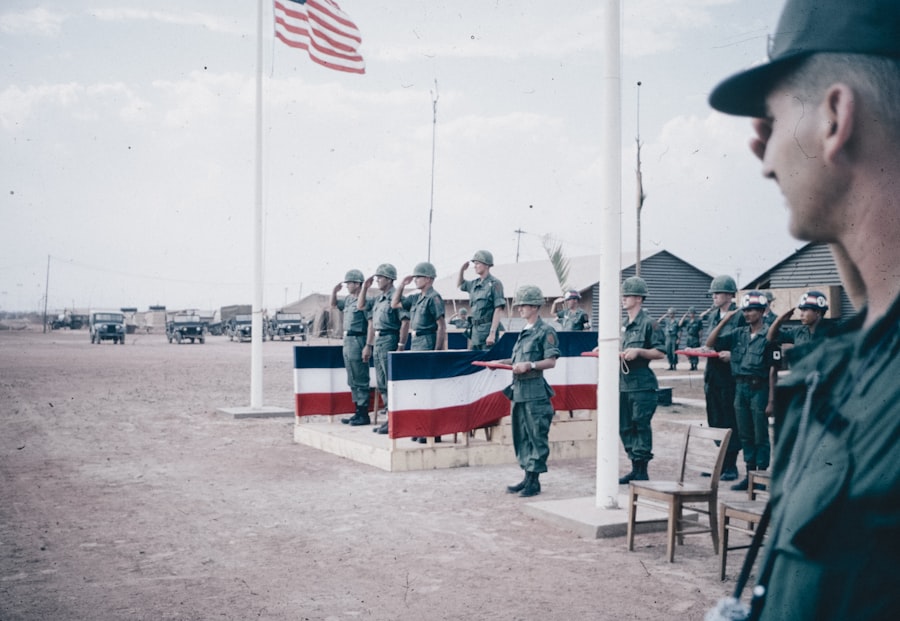
The Vietnam War was characterized by a constant need to adapt and innovate. This led to a plethora of covert operations and unconventional tactics that, while not always directly visible in historical accounts, played a role in shaping the conflict. These operations often blurred the lines between espionage, sabotage, and direct action, operating in the shadows of the main conflict.
Project GAMMA: Intelligence Gathering in the Shadows
Project GAMMA was a highly classified program aimed at gathering intelligence on enemy movements and capabilities through a variety of unconventional means. This included the use of reconnaissance missions deep within enemy territory, often involving small, specialized teams operating with minimal support.
The Role of Special Forces
Special Forces units, renowned for their training and adaptability, were often at the forefront of these operations. They would undertake long-range reconnaissance patrols, ambushes, and sabotage missions, often with the objective of gathering intelligence rather than engaging in large-scale combat. The psychological impact of these operations, even when undetected, was the constant threat of unseen adversaries and the disruption of enemy logistics and supply lines.
The Use of Human Intelligence
Beyond technical means, Project GAMMA also relied heavily on human intelligence (HUMINT). This involved recruiting and debriefing local informants, defectors, and prisoners of war. The information gathered through these clandestine channels was crucial in understanding enemy intentions, troop movements, and the effectiveness of American strategies. The very act of knowing that such intelligence gathering was ongoing could create a climate of suspicion and distrust within enemy ranks.
Operation Igloo White: The Electronic Battlefield
Operation Igloo White, initiated in 1968, represented a significant leap in the application of technology to the battlefield. This was an electronic surveillance system designed to detect enemy movements along the Ho Chi Minh Trail.
The Network of Sensors
The core of Igloo White was a vast network of seismic, acoustic, and other types of sensors that were secretly deployed by air into enemy territory. These sensors could detect the vibrations of marching troops, the sound of vehicles, and even the passage of aircraft. The data collected by these sensors was then transmitted to processing centers, allowing U.S. forces to track enemy movements in near real-time.
The Unseen Hand of Technology
The psychological impact of Igloo White was the creation of an “electronic battlefield.” Enemy forces operating along the Ho Chi Minh Trail were constantly under surveillance, with the unsettling knowledge that their every move could be detected. This created a sense of pervasive unease and made it difficult for them to operate with impunity. The constant threat of being identified and targeted by air strikes or ground forces based on sensor data undoubtedly had a significant psychological effect on enemy morale and operational effectiveness.
The Unconventional Arsenal: Tools and Techniques Beyond the Norm

The ingenuity and desperation born from the protracted conflict led to the development and deployment of a range of unusual tools and techniques. These were not always the headline-grabbing operations but rather the less visible, often experimental, methods that contributed to the complex tapestry of the war.
Acoustic and Seismic Warfare: The Earth Trembles
Beyond Operation Igloo White, there were other, less publicized, efforts to exploit acoustic and seismic phenomena as tools of warfare. This could involve using explosives to create seismic disturbances that could be interpreted as enemy troop movements, or even attempting to use sound to disorient or demoralize enemy forces.
The Psychological Resonance of Sound
The psychological impact of such tactics, even if their military effectiveness was debatable, was in the creation of an unpredictable and unsettling environment for the enemy. The idea that the very ground beneath their feet could be used against them, or that unseen sounds could be a harbinger of attack, would have contributed to a heightened state of anxiety and fear.
Specialized Sabotage and Interdiction
Covert units also engaged in specialized sabotage operations aimed at disrupting enemy infrastructure, supply lines, and weapon systems. These could range from the mundane yet effective destruction of bridges and fuel depots to more intricate operations involving the disabling of enemy equipment through novel means.
The Subtle Art of Disruption
The psychological impact of these acts of sabotage lay in their ability to create a sense of constant vulnerability. Even if the enemy could repair or replace what was destroyed, the knowledge that their assets were not safe and that unseen forces were actively working against them would have a corrosive effect on morale and operational planning.
One of the most intriguing aspects of the Vietnam War was the variety of unconventional operations carried out by both sides. For instance, a fascinating article explores some of the strangest Vietnam War operations that took place, shedding light on the creativity and resourcefulness of soldiers during this tumultuous time. To learn more about these unusual tactics and missions, you can read the full article here.
The Ethical and Strategic Quandaries of Unusual Warfare
| Operation Name | Description | Outcome |
|---|---|---|
| Operation Wandering Soul | A psychological warfare operation where eerie sounds and voices were played to scare the Viet Cong soldiers. | It had a mixed impact, with some reports of success in demoralizing the enemy, but also some skepticism about its effectiveness. |
| Operation Popeye | A cloud seeding operation to extend the monsoon season over the Ho Chi Minh Trail, in an attempt to disrupt enemy supply lines. | It was partially successful in creating heavy rainfall, but its overall impact on the war is debated. |
| Operation Igloo White | An electronic surveillance and sensor operation to track enemy movements along the Ho Chi Minh Trail. | It provided valuable intelligence but also faced technical challenges and criticism for its cost. |
The unusual operations of the Vietnam War, while often born out of a desire to gain a strategic advantage or reduce casualties, raised profound ethical and strategic questions that continue to be debated today. The line between acceptable military practice and questionable morality was frequently blurred.
The Morality of Psychological Warfare
Operations like Wandering Soul, while effective in potentially exploiting enemy fears, raised serious ethical concerns. Was it morally justifiable to weaponize deeply ingrained cultural beliefs and superstitions? The long-term impact on the psyches of those subjected to such tactics, and the potential for unintended psychological damage, were significant considerations.
The Slippery Slope of Deception
The extensive use of deception and covert operations in the Vietnam War also raised questions about the potential for a “slippery slope.” When does the pursuit of strategic advantage through deception become a self-defeating tactic, eroding trust and undermining broader strategic objectives?
The Environmental Cost of Warfare
Operations like Popeye and Ranch Hand highlighted the devastating environmental consequences of warfare. The long-term damage to ecosystems and the enduring human health impacts served as stark reminders that the battlefield is not merely a tactical space but also an ecological system with profound interconnectedness.
The Precedent of Environmental Manipulation
The deliberate manipulation of weather patterns, even for seemingly limited tactical gains, set a precedent that was deeply concerning. The potential for unforeseen and irreversible environmental damage, not just in the immediate conflict zone but on a global scale, loomed as a significant cautionary note for future military endeavors.
In conclusion, the Vietnam War was a conflict that pushed the boundaries of conventional warfare, giving rise to a series of unusual operations. From the eerie whispers of Operation Wandering Soul to the meteorological aspirations of Operation Popeye, these clandestine endeavors reveal a desperate ingenuity and a willingness to explore unconventional avenues in the pursuit of victory. While some of these operations may have offered fleeting tactical advantages, they also left a complex legacy, prompting critical reflection on the ethical dimensions of warfare, the environmental impact of military action, and the enduring psychological scars of conflict. The lessons learned, both positive and negative, from these unusual chapters of the Vietnam War continue to inform military strategy and ethical considerations to this day.

The Vietnam Plot That Made Soldiers Fear Their Own Guns
FAQs
What were some of the strangest Vietnam War operations?
Some of the strangest Vietnam War operations included Operation Wandering Soul, where the US military used eerie recordings to demoralize the enemy, and Operation Popeye, which involved cloud seeding to extend the monsoon season and disrupt enemy supply lines.
How did Operation Wandering Soul work?
Operation Wandering Soul involved playing recordings of eerie sounds and voices in the jungle at night, intended to exploit the Vietnamese belief in the afterlife and demoralize enemy soldiers.
What was Operation Popeye and how did it work?
Operation Popeye was a weather modification program that aimed to extend the monsoon season over specific areas of the Ho Chi Minh Trail, disrupting enemy supply lines by causing heavy rainfall and flooding.
Were there any other unusual operations during the Vietnam War?
Yes, there were other unusual operations such as Operation Igloo White, which used sensors to detect enemy movement along the Ho Chi Minh Trail, and Operation Ranch Hand, which involved the widespread use of herbicides, including Agent Orange, to destroy enemy crops and vegetation.
Did these strange operations have any lasting impact?
The impact of these strange operations varied. Operation Popeye’s cloud seeding had a temporary impact on the weather, while the use of herbicides like Agent Orange had long-lasting and devastating effects on the environment and the health of both Vietnamese civilians and US veterans.