Unveiling MACV SOG: Secret Vietnam Ops
The Vietnam War, a conflict etched into the global consciousness for its sheer brutality and prolonged duration, was not solely fought on the conventional battlefields. Beneath the surface of large-scale engagements, a clandestine war was waged, a shadow conflict designed to sow chaos, gather intelligence, and disrupt enemy operations far beyond the established frontlines. This was the domain of Military Assistance Command, Vietnam – Studies and Observation Group, or MACV SOG. Born from the necessity of a rapidly escalating conflict, MACV SOG represented a radical departure from traditional military doctrine, an organization forged in secrecy and tasked with missions that would remain classified for decades. Its creation was a direct response to the growing realization that conventional military might alone was insufficient to counter the elusive and pervasive threat posed by the Viet Cong and the North Vietnamese Army (NVA).
A Need for the Unconventional
As the United States became increasingly entangled in Vietnam, it became apparent that the enemy was not adhering to Western military norms. The Viet Cong, in particular, operated through a network of tunnels, jungle sanctuaries, and clandestine routes, making them difficult to track and engage using standard infantry tactics. Intelligence gathering was hampered by the limited reach of conventional reconnaissance units and the pervasive secrecy maintained by the communist forces. The need for a specialized, highly trained, and deniable force to operate in these denied areas became paramount. This need was articulated by visionary military leaders who understood that a purely reactive and conventional approach would ultimately fail. They recognized the necessity of proactive, unconventional warfare to gain a decisive advantage.
The Birth of MACV SOG
The seeds of MACV SOG were sown in the early 1960s, during a period of escalating American involvement. The initial concept was to develop a small, elite unit capable of conducting highly classified cross-border operations into Laos and Cambodia, as well as along the Ho Chi Minh Trail. The objective was to disrupt enemy supply lines, conduct reconnaissance, and even engage in psychological warfare. The formal establishment of MACV SOG occurred in January 1964, under the command of Brigadier General William P. Yarborough. From its inception, the organization was shrouded in secrecy, with its very existence and missions largely unknown to the public and even many within the U.S. military establishment. This operational security was crucial to its effectiveness and the political implications of its actions.
The covert operations conducted by MACV SOG during the Vietnam War remain a fascinating yet often overlooked aspect of military history. For those interested in delving deeper into these secretive missions, a related article can be found at In the War Room, which explores the complexities and challenges faced by Special Operations forces in the region. This resource provides valuable insights into the strategies and experiences of soldiers involved in these high-stakes operations.
The Multifaceted Mission of MACV SOG
MACV SOG was not a monolithic entity; its operational scope was remarkably diverse, encompassing a wide array of clandestine activities designed to achieve specific strategic objectives. The organization was divided into several critical directorates, each with its unique set of responsibilities, all converging on the overarching goal of undermining enemy capabilities and gathering vital intelligence. These missions were inherently dangerous, pushing the boundaries of military operations and demanding extraordinary courage and skill from the men who undertook them. The complexity of their tasks meant that a high degree of specialization was required, with operatives trained in a multitude of disciplines.
Strategic Intelligence Gathering
One of the primary and most crucial functions of MACV SOG was the collection of actionable intelligence. In a war where information was a critical weapon, the ability to penetrate enemy territory and gather firsthand data on troop movements, supply caches, and enemy intentions was invaluable.
Ground Reconnaissance Teams (GRTs)
The heart of MACV SOG’s intelligence-gathering efforts lay with its Ground Reconnaissance Teams, often referred to as “strikeforce” or “recon” teams. These small, highly trained units, typically composed of a few American Special Forces soldiers and several indigenous Montagnard or Cambodian mercenaries, were inserted deep into enemy-controlled territory. Their missions were straightforward but perilous: to observe, report, and, if opportunity arose, to strike. They operated for extended periods, living off the land and relying on their wits and training to evade detection. The data they collected, often transmitted via covert radio communications or carried back through dangerous exfiltration routes, provided invaluable insights into enemy strategy and disposition.
Bomb Damage Assessment (BDA)
Following aerial bombing missions, MACV SOG teams were often tasked with conducting Bomb Damage Assessment (BDA). This involved infiltrating the target areas, often under hazardous conditions, to visually confirm the effectiveness of the bombing runs. This feedback loop was essential for refining bombing strategies and ensuring that resources were being used efficiently. The teams had to navigate potentially unexploded ordnance and enemy patrols while documenting the impact of the strikes.
Special Operations and Direct Action
Beyond intelligence gathering, MACV SOG was also tasked with conducting direct action missions, aimed at disrupting enemy logistics, personnel, and infrastructure. These operations were designed to inflict maximum damage and sow confusion among enemy ranks.
Hatchet Force Operations
The “Hatchet Force” was a more aggressive component of MACV SOG’s operations. These were larger units, typically comprising an American Special Forces commander, an American NCO, and a larger contingent of indigenous soldiers. Their missions were primarily offensive, involving ambushes, raids on enemy installations, and the destruction of enemy supplies. The Hatchet Force was designed to be a quick-strike capability, capable of engaging and overwhelming enemy patrols.
Search and Destroy Missions in Denied Areas
While the term “search and destroy” is often associated with conventional operations, MACV SOG’s version was far more specialized. They operated in areas heavily controlled by the enemy, where regular U.S. forces could not operate effectively. These missions were not about clearing territory but about eliminating specific enemy targets, disrupting supply lines, and gathering intelligence through direct engagement.
Psychological Operations (PSYOP)
MACV SOG also played a significant role in psychological operations, aiming to undermine enemy morale and encourage defections. These efforts, while less frequently discussed than their combat missions, were an integral part of the overall strategy.
Leaflet Drops and Radio Broadcasts
MACV SOG assisted in the dissemination of propaganda materials, including leaflets dropped from aircraft and covert radio broadcasts aimed at enemy soldiers and sympathetic populations. These messages often promised leniency for defectors or highlighted the futility of continued resistance.
Exploitation of Enemy Prisoners of War (EPWs)
While not a primary function, MACV SOG’s intelligence operatives were often involved in the interrogation of enemy prisoners of war (EPWs) captured during their operations. The information gleaned from these interrogations could be crucial for ongoing intelligence assessments and future mission planning.
The Deniable Assets: MACV SOG’s Unique Structure
The effectiveness and the political viability of MACV SOG rested heavily on its clandestine nature and its carefully constructed deniability. This meant that its operations could be carried out without official acknowledgment, allowing the U.S. government to maintain a degree of plausible deniability regarding its involvement in certain actions. This deniability was woven into the very fabric of the organization.
Cross-Border Operations and International Law
MACV SOG’s most controversial and impactful missions involved operations conducted outside the recognized borders of South Vietnam, primarily into Laos and Cambodia. These cross-border raids were designed to interdict the Ho Chi Minh Trail, a vital North Vietnamese supply artery that ran through both countries. These operations were highly sensitive due to the potential for international outcry and the risk of escalating the conflict.
The Ho Chi Minh Trail Interdiction
The Ho Chi Minh Trail was the lifeline of the North Vietnamese war effort, a complex network of jungle paths, roads, and waterways used to transport troops, weapons, and supplies from North Vietnam to the battlefields in the South. MACV SOG’s primary objective in Laos and Cambodia was to disrupt this flow. Reconnaissance teams infiltrated the trail to identify critical nodes, while Hatchet Forces conducted ambushes and raids to destroy trucks, supply dumps, and enemy encampments. These missions were incredibly dangerous, operating in terrain that favored the enemy and where American presence was strictly forbidden by international agreements.
The Cambodian Incursions
The incursion into Cambodia in 1970, while a joint operation with conventional forces, was heavily influenced by the prior clandestine activities of MACV SOG. The Special Forces operatives had already been gathering intelligence and conducting limited strikes in Cambodia for years, paving the way for the larger operation. Their knowledge of the terrain and enemy disposition proved invaluable during the incursion.
The Role of Indigenous Personnel
A significant and often overlooked aspect of MACV SOG’s success was its reliance on indigenous personnel. These individuals, recruited from ethnic minority groups within Vietnam and neighboring countries, possessed invaluable knowledge of the local terrain, culture, and languages. They served as invaluable guides, interpreters, and combatants, often risking their lives alongside their American counterparts.
Montagnard Warriors
The Montagnards, indigenous peoples of the Central Highlands of Vietnam, were a crucial component of MACV SOG’s indigenous forces. Their intimate knowledge of the jungle environment and their fierce warrior traditions made them ideal for reconnaissance and combat missions in difficult terrain. Many Montagnards joined MACV SOG out of a desire to fight against the communist forces, who they saw as a threat to their way of life.
Cambodian and Laotian Auxiliaries
MACV SOG also recruited and trained Cambodian and Laotian auxiliaries to conduct operations within their respective countries. These individuals provided invaluable local knowledge and facilitated operations in areas where American presence would have been immediately detected and condemned.
Life on the Edge: The Operative’s Experience
The men of MACV SOG lived lives defined by constant danger, extreme stress, and an extraordinary camaraderie born from shared adversity. They were a brotherhood forged in the crucible of clandestine warfare, operating in environments that tested the limits of human endurance and courage. Their experiences were etched into their souls, shaping them in ways that few could comprehend.
The Constant Threat of the Enemy
Operating in denied territory meant that MACV SOG operatives were in a perpetual state of high alert. They were constantly vulnerable to detection by enemy patrols, booby traps, and the unforgiving jungle environment. The enemy was deeply entrenched and familiar with the terrain, often having the advantage of surprise.
The Art of Infiltration and Exfiltration
Getting into and out of enemy territory was as dangerous as the missions themselves. MACV SOG operatives often employed HALO (High Altitude-Low Opening) jumps, helicopter insertions, and covert boat operations. Exfiltration often involved a desperate fight to reach a pre-arranged extraction point, frequently under heavy enemy fire. The success of an operation often hinged on the ability to disappear back into the shadows once their objective was achieved.
The Psychological Toll
The sustained exposure to combat, the constant threat of death, and the isolation inherent in their missions took a significant psychological toll on MACV SOG operatives. They often operated with a sense of being forgotten, their sacrifices unseen and unacknowledged. The psychological resilience required to perform under such extreme pressure was immense.
The Bonds of Brotherhood
Despite the inherent dangers and the secrecy surrounding their missions, a profound sense of brotherhood developed among the men of MACV SOG. They relied on each other for survival, sharing their fears, their hopes, and their experiences. This shared bond was often the only thing that sustained them through the darkest of times.
A Different Kind of Soldier
The operatives of MACV SOG were not your typical soldiers. They were volunteers, hand-picked for their exceptional physical and mental fortitude, their adaptability, and their willingness to operate outside the conventional military structure. They were often described as “renaissance soldiers,” proficient in a wide range of skills, from demolitions and survival to intelligence gathering and close-quarters combat.
The Weight of Secrecy
The very nature of their operations meant that MACV SOG operatives often carried the burden of secrecy even after returning home. Many of their missions remained classified for decades, leaving them unable to share their experiences with loved ones or even fellow veterans. This often led to a sense of isolation and a feeling that their sacrifices were not fully understood or appreciated.
The covert operations conducted by MACV SOG during the Vietnam War remain one of the most intriguing aspects of military history, showcasing the complexities of unconventional warfare. For those interested in delving deeper into these secret missions, a related article can provide further insights into the strategies and challenges faced by these elite units. You can explore this fascinating topic in more detail by visiting this article, which sheds light on the intricacies of MACV SOG’s operations and their impact on the war.
Legacy and the Unveiling of MACV SOG
| Date | Operation Name | Location | Objective |
|---|---|---|---|
| 1964-1972 | Operation Shining Brass | Laos | Conduct reconnaissance and sabotage missions |
| 1964-1972 | Operation Tailwind | Laos | Harass and disrupt North Vietnamese forces |
| 1964-1972 | Operation Prairie Fire | Laos | Conduct covert cross-border operations |
The story of MACV SOG is a testament to the extraordinary lengths to which nations will go in times of conflict and the incredible bravery of the individuals who undertake the most dangerous missions. For years, the full extent of their operations remained hidden, shrouded in the veil of national security. However, as declassification efforts progressed, the true scope and impact of MACV SOG began to emerge, revealing a critical, albeit controversial, chapter of the Vietnam War.
The Enduring Impact on Special Operations
MACV SOG served as a crucial proving ground for many of the tactics, techniques, and procedures that would become the bedrock of modern special operations forces. The lessons learned in the jungles of Southeast Asia, the emphasis on small-unit leadership, intelligence-driven operations, and unconventional warfare, continue to influence special operations doctrines worldwide. Many of the individuals who served in MACV SOG went on to become leaders in the development of future special operations units.
Shaping Modern Special Forces
The emphasis on highly trained, self-sufficient teams, the integration of indigenous forces, and the execution of specialized missions in denied areas were all pioneered by MACV SOG. Their operational models and training methodologies were foundational for the development of units like SEAL Team Six, Delta Force, and various other special operations commands.
The Moral and Ethical Debates
The operations of MACV SOG, particularly the cross-border incursions and the use of indigenous forces, generated significant moral and ethical debates. The potential for civilian casualties, the violation of international law, and the long-term consequences of such covert actions continue to be subjects of historical and philosophical inquiry. The ethical considerations of operating in a deniable capacity are complex and continue to be debated.
The Price of War and Secrecy
The men of MACV SOG paid a heavy price for their service, both physically and psychologically. The legacy of their operations is intertwined with the broader moral complexities of the Vietnam War, forcing a critical examination of the strategies employed and the human cost of prolonged conflict and clandestine operations. The unveiling of their story allows for a more comprehensive understanding of the sacrifices made and the difficult choices faced by military leaders and operatives alike.
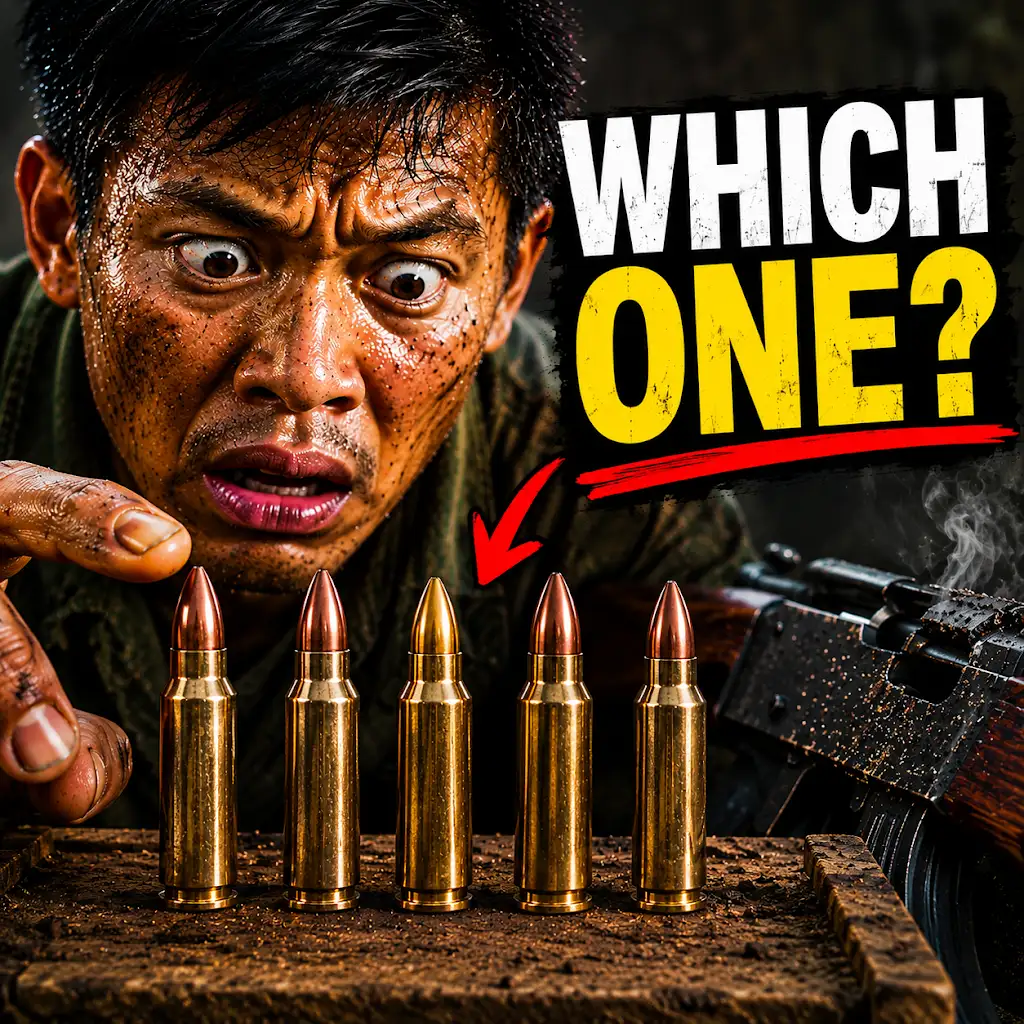
The Vietnam Plot That Made Soldiers Fear Their Own Guns
FAQs
What was MACV SOG?
MACV SOG, or Military Assistance Command, Vietnam – Studies and Observations Group, was a highly classified, multi-service United States special operations unit which conducted covert unconventional warfare operations prior to and during the Vietnam War.
What were the primary objectives of MACV SOG?
The primary objectives of MACV SOG were to conduct reconnaissance, sabotage, psychological operations, and direct action missions in Laos, Cambodia, and North Vietnam, as well as in South Vietnam.
What were some of the key operations conducted by MACV SOG?
Some of the key operations conducted by MACV SOG included the interdiction of enemy supply routes along the Ho Chi Minh Trail, the gathering of intelligence on enemy movements and activities, and the rescue of downed pilots.
How was MACV SOG organized and structured?
MACV SOG was organized into specialized teams, including recon teams, hatchet force teams, and spike teams, each with specific missions and capabilities. The unit also included air and ground support elements.
What was the legacy of MACV SOG?
MACV SOG’s legacy includes its reputation for conducting some of the most dangerous and daring missions of the Vietnam War, as well as its influence on the development of modern special operations forces and tactics. The unit’s contributions and sacrifices are commemorated in various memorials and honors.