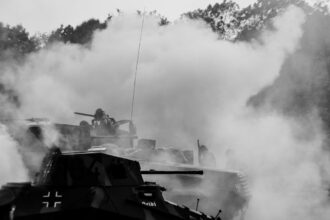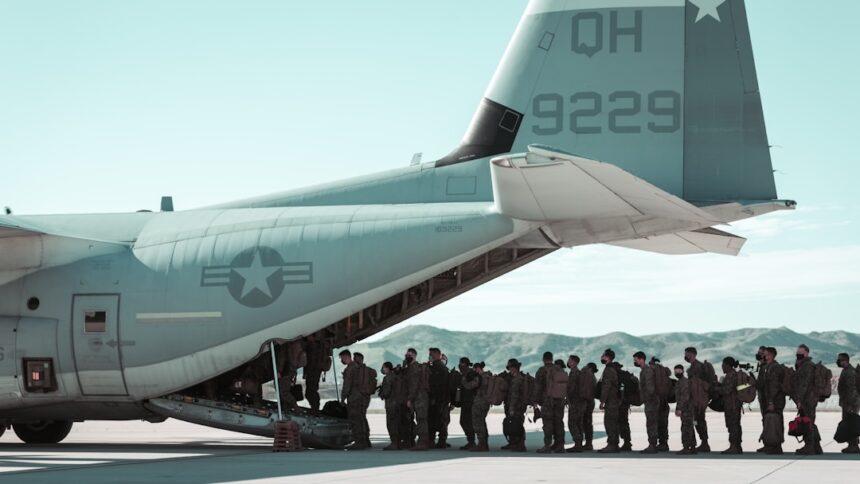
The roar of the battlefield was not just of artillery and gunfire; it was also the thunderous symphony of a supply chain pushed to its absolute limit, a testament to human ingenuity and unwavering resolve. In the annals of military history, some campaigns stand out not merely for their strategic brilliance or the valor of their combatants, but for the sheer, audacious logistical triumphs that made them possible. These are the stories of operations where the seemingly impossible was achieved, where the fragile thread of supply was woven into an unbreakable chain, defying geography, enemy action, and the very laws of probability. This is the narrative of unthinkable military logistics, a triumph against all odds.
The genesis of these extraordinary logistical feats often lies in the crucible of necessity. Faced with overwhelming odds, a determined adversary, or an unforgiving terrain, conventional approaches crumble. It is in these moments of extreme pressure that innovation is not a choice, but a fundamental requirement for survival and victory. The planning phase, even when meticulous, rarely accounts for every contingency. The battlefield is a dynamic, chaotic environment where plans are constantly tested and re-written in the ink of experience.
The Tyranny of Distance and Terrain
The most formidable enemy of any military operation is often not an opposing army, but the sheer vastness of the distances to be covered and the unforgiving nature of the terrain. Imagine attempting to supply an army deep within an inhospitable desert, where water is scarcer than gold and the sun beats down with relentless fury. Or consider the challenge of maintaining a flow of matériel to troops entrenched in mountainous regions, where narrow passes are easily choked and every incline demands Herculean effort. These were not abstract challenges; they were existential threats to any force operating beyond the immediate reach of established infrastructure.
Desert Deluge: The Sahara’s Thirst and the Oasis Lifeline
The campaigns fought in North Africa during World War II serve as a stark example. The vastness of the Sahara Desert presented a logistical nightmare. Miles upon miles of arid wasteland stretched between meager supply depots and the front lines. Water, the most critical commodity, had to be transported in enormous quantities, often under direct enemy fire. The utilization of captured wells and the establishment of a network of temporary supply points, often ingeniously disguised or heavily defended, became crucial. The success of desert warfare hinged not on tanks alone, but on the ability to deliver fuel, ammunition, and sustenance to those tanks, often across hundreds of miles of treacherous sand dunes. The development of specialized vehicles, adapted to traverse the soft sand, and the establishment of airfields at strategic oases were pivotal. Without these seemingly mundane, yet critically important, logistical networks, the daring offensives and tenacious defenses that characterized the North African campaign would have been utterly impossible. The roar of the engines was a promise of reinforcement, the glint of water trucks a beacon of hope.
Mountain Mayhem: The Alps and the Himalayas
The logistical challenges of mountainous warfare are equally daunting, albeit in different ways. The steep gradients, treacherous passes, and unpredictable weather conditions of regions like the Alps or the Himalayas demand a level of planning and execution that borders on the miraculous. Supplies must be transported by pack animals, helicopters, or even by hand, often through snowstorms and avalanches. The very act of moving a single artillery piece or a box of ammunition can become an epic undertaking. In these environments, local knowledge, often possessed by indigenous populations, becomes an invaluable asset, guiding logistics teams through perilous routes and identifying safe havens. The development of specialized climbing gear and the training of dedicated mountain logistics units are essential components of success. The quiet determination of porters, often overlooked in grand narratives, was as vital as the courage of the soldiers they supported.
The Unseen Hand: The Architects of Supply
Behind every successful military operation is an unseen hand, an army of individuals working tirelessly to ensure that the men and women on the front lines have what they need, when they need it. These are the quartermasters, the engineers, the mechanics, the truck drivers, the stevedores – the unsung heroes of military logistics. Their work is often invisible, their efforts unheralded, yet their impact is immeasurable. They are the ones who bridge the gap between the factory and the foxhole, the warehouse and the war zone.
The Master Planners: Orchestrating the Unorchestrable
The intricate dance of military logistics begins with master planners. These individuals are tasked with anticipating needs, calculating capacities, and coordinating the movement of vast quantities of resources across complex networks. They must consider everything from the type of ammunition required for a specific engagement to the dietary needs of the troops, and the spare parts needed to keep vital machinery operational. The advent of sophisticated computer modeling and real-time tracking systems has revolutionized this aspect of logistics, allowing for greater flexibility and responsiveness. However, the human element remains paramount – the intuition, experience, and sheer dedication of these planners are what truly set them apart.
The Forge and the Field: From Production to Deployment
The journey of military supplies begins long before they reach the battlefield, at the humming factories and sprawling depots where they are manufactured and stored. The ability to rapidly scale up production in times of conflict, while maintaining quality and efficiency, is a testament to the industrial might and organizational prowess of a nation. Once produced, these goods must be transported to staging areas, then to the front lines. This involves a complex web of rail, road, sea, and air transportation, each with its own unique challenges and limitations. The seamless integration of these various modes of transport is a logistical masterpiece in itself.
The Battlefield Backbone: Maintenance and Repair
Even the most well-supplied army will falter if its equipment breaks down. The ability to maintain and repair vehicles, weapons, and other critical assets in the field is a vital component of logistical success. This requires a highly skilled workforce of mechanics and technicians, equipped with the necessary tools and spare parts. Mobile repair units, often operating under fire, are essential for keeping the fighting force operational. The ingenuity of these individuals in improvising repairs and salvaging damaged equipment often saves the day.
In exploring the complexities of military logistics, one cannot overlook the challenges presented by operations deemed impossible due to geographical and resource constraints. A related article that delves into these intricate logistics scenarios is available at this link. It provides insightful analysis and case studies that highlight the innovative strategies employed by military planners to overcome seemingly insurmountable obstacles in the field.
Against the Current: Disrupting the Flow of Supplies
The enemy, too, understands the critical importance of logistics. A fundamental tenet of warfare is to disrupt the enemy’s ability to wage war by targeting their supply lines. This can take many forms, from strategic bombing of infrastructure to the deployment of special forces to conduct raids on convoys. The logistical planners must therefore operate with an acute awareness of the threats posed by the enemy, constantly adapting their routes, timings, and security measures to mitigate these risks.
The Shadow War: Interdiction and Sabotage
The clandestine operations aimed at disrupting enemy logistics are often the stuff of legend. Sabotage missions, designed to destroy bridges, railways, or fuel depots, can have a devastating impact on an enemy’s ability to sustain operations. The covert insertion of reconnaissance teams to identify vulnerable supply routes and the targeting of enemy convoys by partisan groups or specialized units are also highly effective. The psychological impact of these disruptions, instilling fear and uncertainty in the enemy’s logistical backbone, can be as significant as the material damage.
The Hunter and the Hunted: Navigating the Enemy’s Zone
For the logistics units operating deep within enemy territory, every journey is a perilous undertaking. They are the hunted, their convoys predictable targets for ambushes and air strikes. The ability to operate with speed, stealth, and an unwavering commitment to mission accomplishment is paramount. The development of hardened vehicles, advanced navigation systems, and robust communication networks are crucial for survival. The psychological resilience of these drivers and their escorts, facing constant threat, is a testament to their dedication.
The Art of Deception: Misdirection and Evasion
Logistics planners often employ sophisticated deception tactics to mislead the enemy about the true nature, direction, or timing of supply movements. This can involve creating ghost convoys, using decoys, or employing electronic warfare to disrupt enemy reconnaissance. The ability to confuse and misdirect the enemy’s interdiction efforts is a vital component of ensuring that critical supplies reach their intended destinations. The success of these operations often hinges on meticulous planning and flawless execution.
The Digital Battlefield: Cyber Threats to Supply Chains
In the modern era, the threat to logistics extends beyond the physical realm into the digital domain. Cyberattacks aimed at disrupting communication networks, corrupting inventory data, or disabling tracking systems can cripple even the most robust supply chains. The protection of these digital infrastructures against cyber threats is now as crucial as defending physical assets against conventional attacks.
The Invisible Intrusion: Protecting the Data Highway
The sophisticated nature of cyber warfare requires a layered defense strategy. This includes robust firewalls, intrusion detection systems, and continuous monitoring of network traffic. Personnel must be trained to recognize and report suspicious activity, and contingency plans must be in place to ensure operational continuity in the event of a cyberattack. The battle for information supremacy is as critical as the battle for territory.
Resilience in the Code: Recovering from Digital Disruption
Even with the best defenses, the possibility of a successful cyberattack remains. Therefore, developing resilient systems that can recover quickly from digital disruption is paramount. This involves having redundant data backups, offline operational capabilities, and well-rehearsed incident response plans. The ability to restore critical systems and maintain essential logistical functions in the aftermath of a cyberattack is a key indicator of logistical preparedness.
The Unconventional Solution: Ingenuity Born of Desperation
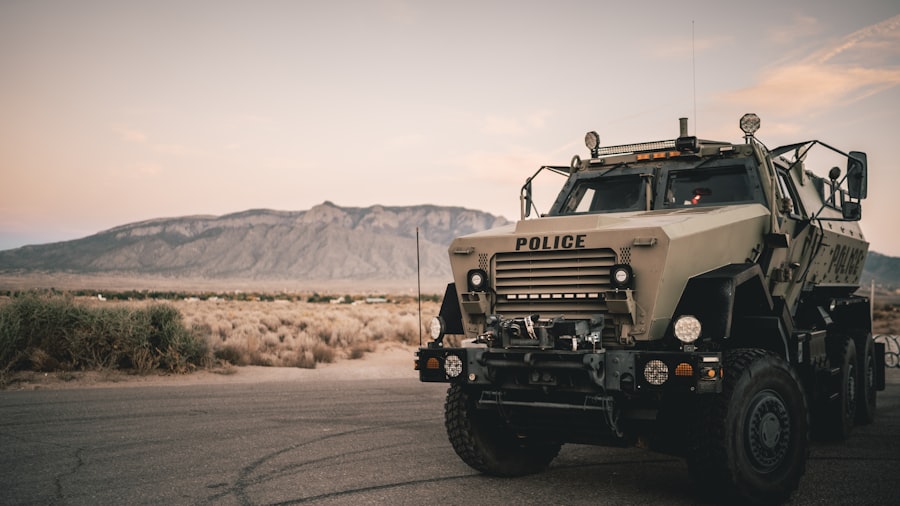
When traditional methods fail, and the stakes are highest, military logistics often resort to the unconventional. These are the moments when ingenuity, resourcefulness, and a touch of daring become the defining factors. From utilizing civilian assets to pioneering new modes of transport, these solutions showcase the adaptability and resilience of the human spirit in the face of extreme challenges.
In the realm of military strategy, the challenges of logistics can often seem insurmountable, as highlighted in a recent article discussing the complexities of impossible military logistics operations. The piece delves into various historical examples and modern scenarios that illustrate the critical importance of effective supply chains in warfare. For those interested in exploring this topic further, you can read the full article on military logistics and its impact on operational success.
The “Can-Do” Spirit: Improvisation and Adaptation
The battlefield is a theater of improvisation. When a specific piece of equipment is unavailable, or a critical part is damaged, logistics personnel often find creative solutions using whatever is at hand. This could involve adapting a civilian vehicle for military use, modifying existing equipment, or even fabricating parts from scratch. The “can-do” spirit, a mindset of relentless problem-solving, is a hallmark of successful military logistics.
The Civilian Hand: Leveraging Public Resources
In times of great need, military forces often leverage civilian resources and expertise. This can range from commandeering commercial shipping and aircraft to utilizing the skills of civilian engineers and technicians. The effective integration of civilian assets into the military logistics chain can significantly augment operational capabilities and overcome critical shortfalls. However, this requires careful coordination and clear lines of authority to ensure efficiency and avoid duplication of effort.
The Tinkerers’ Tale: Field Modifications and Innovations
The stories of mechanics and engineers in the field, transforming damaged equipment into operational assets, are legendary. They are the ones who, with limited resources and under immense pressure, find ways to keep tanks rolling, aircraft flying, and weapons firing. These field modifications, often born of necessity and brilliance, can be critical to the success of an operation, turning potential failures into unexpected victories.
Air-Brute Force: The Power of Airborne Logistics
When ground routes are impossible or too dangerous, the skies become the vital artery of supply. Airborne logistics, utilizing a range of aircraft from massive cargo planes to nimble helicopters, can deliver critical supplies directly to the front lines, bypassing enemy interdiction. This requires precise air traffic control, secure landing zones, and the ability to operate in challenging weather conditions.
The Sky Bridges: Delivering Hope from Above
The establishment of aerial supply routes, often referred to as “sky bridges,” has been instrumental in numerous campaigns. These operations involve the continuous flow of aircraft delivering everything from ammunition and medical supplies to food and reinforcements. The sheer audacity of these missions, often conducted under heavy enemy fire, highlights the bravery and skill of the aircrews and ground crews involved.
The Helo Lifeline: Precision Delivery to Remote Outposts
Helicopters offer unparalleled flexibility for delivering supplies to remote and inaccessible locations. Their ability to hover and land in tight spaces makes them ideal for reaching isolated units or providing rapid medical evacuation. The development of specialized cargo helicopters and the training of skilled pilots have made them an indispensable tool in modern military logistics, particularly in complex terrain or urban environments.
The Human Element: The Unwavering Will to Deliver
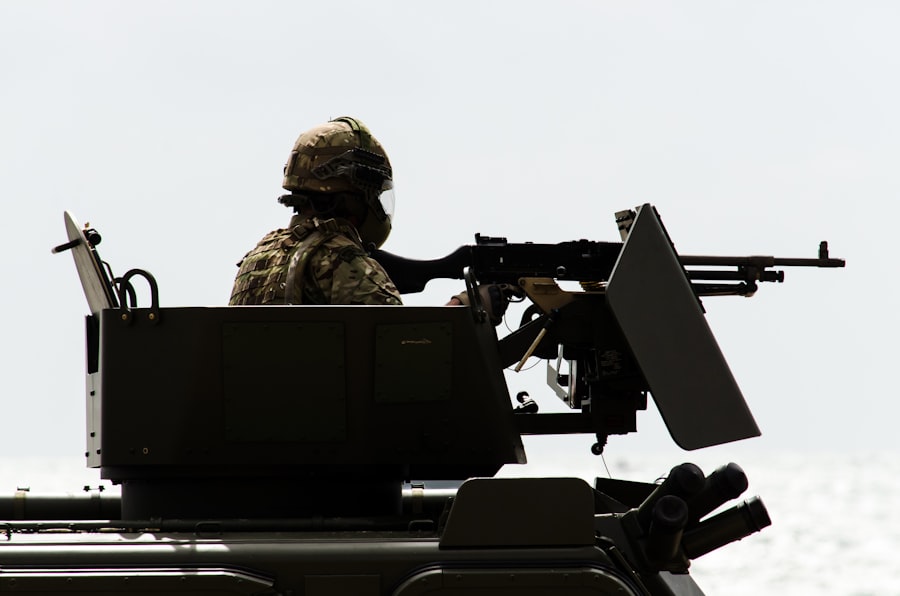
Ultimately, the success of unthinkable military logistics hinges not on machines or technology alone, but on the unwavering will of the people involved. From the planners poring over maps in dimly lit rooms to the drivers navigating treacherous terrain, and the soldiers standing guard over vital convoys, it is the human element that provides the true strength of the logistical chain.
The Weight of Responsibility: The Burden of the Quartermaster
The quartermaster, the individual ultimately responsible for the flow of supplies, carries an immense burden. They must make critical decisions that directly impact the lives of thousands of soldiers. The pressure to anticipate needs, manage scarce resources, and ensure timely delivery is immense. Yet, their commitment and dedication are often the bedrock upon which victory is built.
The Long Haul: The Grit of the Supply Convoy
The drivers of supply convoys, often traveling hundreds or thousands of miles through hostile territory, embody the resilience of the human spirit. They face the constant threat of ambush, mechanical failure, and the sheer exhaustion of long hours. Yet, they push on, driven by a profound sense of duty and the knowledge that their cargo is vital to the survival of their comrades.
The Guardians of the Chain: Security and Vigilance
The security of supply lines is paramount. The soldiers tasked with protecting convoys, depots, and transportation hubs operate with a constant state of vigilance. Their efforts, often unseen by the broader public, are essential in safeguarding the flow of critical resources and preventing the enemy from crippling the war effort.
The Morale Multiplier: Food, Ammunition, and Hope
The impact of effective logistics extends beyond the purely material. A well-supplied army is a motivated army. The timely delivery of food, clean water, and essential comforts can significantly boost morale. The presence of ample ammunition ensures that soldiers can fight with confidence. In essence, logistics delivers not just supplies, but also hope. It is the tangible embodiment of a nation’s commitment to its fighting forces, a promise that they are not forgotten, and that every effort is being made to ensure their success and survival.
In conclusion, the tales of unthinkable military logistics are not merely footnotes in military history; they are chapters that define the very possibility of war. They are stories of human resilience, ingenuity, and an unwavering commitment to a common goal. They demonstrate that even in the face of overwhelming odds, with courage, planning, and a relentless spirit, the seemingly impossible can be achieved, and victory can be forged from the very fabric of necessity. The silent hum of the supply chain, often unheard amidst the din of battle, is indeed a triumph against all odds.

How 90 Seconds Kept 2 Million People Alive
FAQs
What are military logistics operations?
Military logistics operations involve the planning, coordination, and execution of the movement and maintenance of military forces. This includes the transportation of personnel, equipment, and supplies to support military missions.
What makes military logistics operations impossible?
Military logistics operations can be deemed impossible when they face extreme challenges such as harsh terrain, hostile environments, limited resources, and complex geopolitical situations. These factors can make it extremely difficult to effectively and efficiently move and sustain military forces.
What are some examples of impossible military logistics operations?
Examples of impossible military logistics operations include supplying troops in remote and rugged terrains, such as the mountainous regions of Afghanistan, or conducting operations in extreme weather conditions, like the Arctic or desert environments.
How do military forces overcome impossible logistics operations?
Military forces overcome impossible logistics operations through careful planning, innovative solutions, and the use of advanced technology. This may involve utilizing air drops, developing specialized equipment, or establishing strategic supply routes.
What are the implications of successful military logistics operations?
Successful military logistics operations are crucial for ensuring the readiness and effectiveness of military forces. They can directly impact the outcome of military missions, as well as the safety and well-being of personnel on the ground.