The hushed whispers of untold stories, the faint echoes of forgotten ancestors, these are the family mysteries that often lie dormant for generations. They are the unanswered questions that linger at the edges of family trees, the gaps in narratives that spark curiosity and sometimes, even unease. For decades, these enigmas were confined to attic boxes filled with faded photographs and cryptic diary entries, their solutions seemingly lost to time. However, a scientific revolution has emerged, offering a powerful new lens through which to unravel these deeply personal puzzles: DNA.
## The Unseen Threads: How DNA Unlocks Familial Secrets
The human genome, a complex tapestry of nucleotides, holds an astonishing amount of information, not just about our individual traits and predispositions, but also about our lineage. For centuries, genealogical research relied on meticulous archival digging, tracing surnames through census records, birth certificates, and immigration documents. While these methods remain invaluable, they often hit dead ends, particularly when dealing with adoptions, unknown parentage, or ancestors who left scant paper trails. This is where direct-to-consumer DNA testing has become a game-changer, transforming the landscape of genealogical discovery.
### The Science of Ancestry: Understanding Your Genetic Blueprint
At its core, DNA ancestry testing analyzes specific regions of an individual’s DNA, primarily autosomal DNA, which is inherited from both parents. This DNA is then compared to vast databases of genetic information from people around the world. By identifying shared segments of DNA, the tests can reveal ethnic origins and, more importantly, locate genetic relatives. The larger and more diverse the reference database, the higher the probability of finding meaningful matches. These matches are not just random; they indicate a shared common ancestor, the distance of which can be estimated by the length and number of shared DNA segments. It’s akin to finding pieces of a giant jigsaw puzzle scattered across the globe, each piece a genetic signature, and the assembled picture revealing connections long obscured by time and circumstance.
### Building Bridges: Connecting with Lost Relatives
The most profound impact of DNA testing on family mysteries often lies in its ability to connect individuals with biological relatives they never knew existed. For adoptees searching for their birth families, this technology has provided an unprecedented pathway to answers and reunions. Similarly, individuals who discover late in life that their parentage is different from what they were told can now find biological parents, siblings, or other close relatives. These connections can be life-altering, offering not only a sense of identity and belonging but also the opportunity to understand inherited medical histories and family traditions. The emotional impact of these reunions, often documented in heartwarming news stories and online forums, underscores the human need for connection and the power of DNA to fulfill it.
If you’re intrigued by how DNA technology can unravel family mysteries, you might find this article particularly enlightening: Exploring the Role of DNA in Family Ancestry Research. It delves into the fascinating ways genetic testing has transformed our understanding of heritage and identity, shedding light on long-lost relatives and hidden connections. This resource offers insights into the ethical considerations and emotional impacts of discovering one’s lineage through DNA analysis.
## Navigating the Maze: Challenges and Considerations in DNA Genealogy

While the promise of DNA-driven genealogical discovery is immense, it is not without its complexities and potential pitfalls. The journey of unraveling family mysteries through genetics requires careful navigation, an understanding of the limitations of the technology, and a sensitive approach to the information uncovered.
### The Unexpected Findings: When Truth Takes a Surprising Turn
Perhaps the most significant challenge in DNA genealogy is the potential for unexpected or even distressing discoveries. While many embark on these journeys with hopeful anticipation, some uncover truths that challenge their understanding of their family history, their identity, or their very existence. This can range from discovering previously unknown half-siblings to learning about parentage that was deliberately concealed. The emotional preparedness for such revelations is crucial. Genetic counseling and support groups are becoming increasingly important resources for individuals navigating these often tumultuous emotional landscapes. The act of testing itself can be a catalyst for a profound personal journey, requiring introspection and resilience.
### Privacy and Ethical Dilemmas: Protecting Your Genetic Legacy
The collection and storage of vast amounts of genetic data raise significant privacy concerns. Individuals must carefully consider the terms of service of DNA testing companies, understanding how their data will be used, stored, and potentially shared. The possibility of data breaches or the use of genetic information by third parties for purposes beyond genealogy, such as law enforcement investigations, are valid considerations. Furthermore, the ethical implications of discovering relatives without their consent, or the potential for family secrets to be revealed without the permission of all parties involved, must be thoughtfully addressed. Responsible participation in DNA genealogy involves a commitment to ethical practices and a respect for the privacy of all individuals connected by shared DNA.
## Beyond the Match: Advanced Techniques and Investigative Approaches

While simple ancestry matches are a powerful starting point, genealogists and individuals often employ more sophisticated techniques to delve deeper into family mysteries, especially when initial DNA results are ambiguous or raise further questions.
### Triangulation and Clustering: Identifying Common Ancestors
A key technique in DNA genealogy is called triangulation or clustering. This method involves identifying multiple individuals who share DNA with the person being researched. If Person A shares DNA with Person B, and Person A also shares DNA with Person C, and both Person B and Person C share DNA with each other, it strongly suggests that they all share a common ancestor with Person A. By analyzing these shared DNA segments across multiple matches, researchers can work backward to pinpoint the specific ancestral couple or individual from whom the shared DNA originated. This process is akin to assembling a complex puzzle where each match provides a piece of evidence, and triangulation helps to confirm the placement of that piece within the larger familial picture.
### Genealogical DNA Detectives: The Rise of Professional Services
The growing complexity of DNA genealogy has led to the emergence of professional services and dedicated individuals who specialize in using DNA to solve family mysteries. These “genealogical DNA detectives” combine traditional genealogical research methods with advanced DNA analysis techniques. They can help interpret complex DNA matches, build family trees based on genetic evidence, and even work with law enforcement agencies on cold cases through their ability to identify unidentified individuals by comparing their DNA to genealogical databases (with appropriate legal authorization and consent). These professionals offer a specialized skillset that can be invaluable for those facing particularly challenging or deeply entrenched family enigmas.
## Case Studies: Real-Life Transformations Through DNA Discovery
The impact of DNA testing on unraveling family mysteries is best illustrated through compelling real-life stories. These narratives showcase the emotional power and life-changing consequences of genetic discoveries.
### The Adoption Revelation: Finding Biological Roots
One of the most common and poignant uses of DNA ancestry testing is by adoptees searching for their birth families. Sarah, an adoptee raised in a loving adoptive family, always felt a void where her biological roots should be. At the age of 40, she took a DNA test. Within weeks, she received a match with a woman who identified as her birth mother. The reunion was emotional and profound, providing Sarah with answers about her medical history, her ethnic background, and the circumstances surrounding her adoption. This connection not only filled a personal void but also opened up a new branch of her family tree, enriching her life in unexpected ways. Her birth mother, who had always carried the pain of her decision, found solace and closure in connecting with Sarah.
### Uncovering Hidden Paternity: Reconstructing Family Narratives
Another common scenario involves uncovering hidden paternity. John had always been told that his father was a man who raised him, but a nagging doubt persisted. He decided to take a DNA test and discovered a strong genetic match with an individual who was not previously in his known family tree. Further investigation, including testing other family members, confirmed that his biological father was someone entirely different. This revelation brought a mix of emotions – shock, confusion, and a sense of betrayal. However, it also offered him the opportunity to connect with his biological father and a new set of half-siblings, allowing him to reconstruct his family narrative and understand himself on a deeper level. The story highlighted the importance of honest communication within families and the capacity for healing and acceptance when long-held secrets are brought to light.
DNA testing has revolutionized the way we uncover family histories and solve long-standing mysteries. Many individuals have turned to genetic testing to connect with unknown relatives or to gain insights into their ancestry. For those interested in exploring this fascinating topic further, a related article discusses various methods and personal stories of how DNA has helped people uncover their roots. You can read more about these intriguing discoveries in the article found here.
## The Future of Family Discovery: AI and Expanding Genetic Horizons
| Metric | Description | Example Value | Significance |
|---|---|---|---|
| Number of Cases Solved | Total family mysteries resolved using DNA analysis | 1,200+ | Indicates the effectiveness of DNA in resolving family-related questions |
| Average Time to Resolution | Time taken from DNA sample collection to conclusive results | 4-6 weeks | Reflects the efficiency of DNA testing processes |
| Accuracy Rate | Percentage of DNA tests providing conclusive and correct family relationships | 99.9% | Demonstrates reliability of DNA testing in family mysteries |
| Types of Family Mysteries Solved | Common issues addressed by DNA testing | Parentage, Ancestry, Sibling Relationships, Adoption Verification | Shows the range of applications for DNA in family investigations |
| Number of DNA Markers Used | Genetic markers analyzed to determine relationships | 15-20 STR markers | Higher number increases test accuracy and confidence |
| Percentage of Unsolved Cases | Family mysteries where DNA testing was inconclusive or unavailable | 5% | Highlights limitations and challenges in DNA analysis |
The field of DNA-driven genealogical research is constantly evolving, with advancements in technology promising even more powerful tools for uncovering family secrets in the years to come.
### Artificial Intelligence and Predictive Genealogy: Enhancing Discovery
Artificial intelligence (AI) is beginning to play a significant role in genealogical research. AI algorithms can analyze vast datasets of DNA information and historical records with unprecedented speed and accuracy, identifying patterns and making connections that human researchers might overlook. AI can help to predict potential ancestral locations, suggest relationships based on complex genetic markers, and even assist in the interpretation of challenging DNA matches. This integration of AI is set to accelerate the pace of discovery and make genealogical research more accessible and efficient for a wider audience. The ability of AI to process and correlate immense amounts of data will undoubtedly lead to the unraveling of mysteries that have remained stubbornly resistant to traditional methods.
### Expanding Databases and Global Connections: A Shrinking World
As more people participate in DNA ancestry testing, the databases held by testing companies continue to grow. This expansion is crucial for increasing the chances of finding matches, especially for individuals with diverse or less common ancestral backgrounds. Furthermore, the development of international DNA testing networks and partnerships between companies is creating a more interconnected global genealogical landscape. This means that even seemingly obscure family mysteries can potentially be solved by tracing connections across continents and cultures. The shrinking of the world, facilitated by genetic science, is enabling families separated by generations and geography to find each other, transforming the very concept of family and heritage. The power of DNA is not just in revealing the past, but in weaving a more connected and understood present.
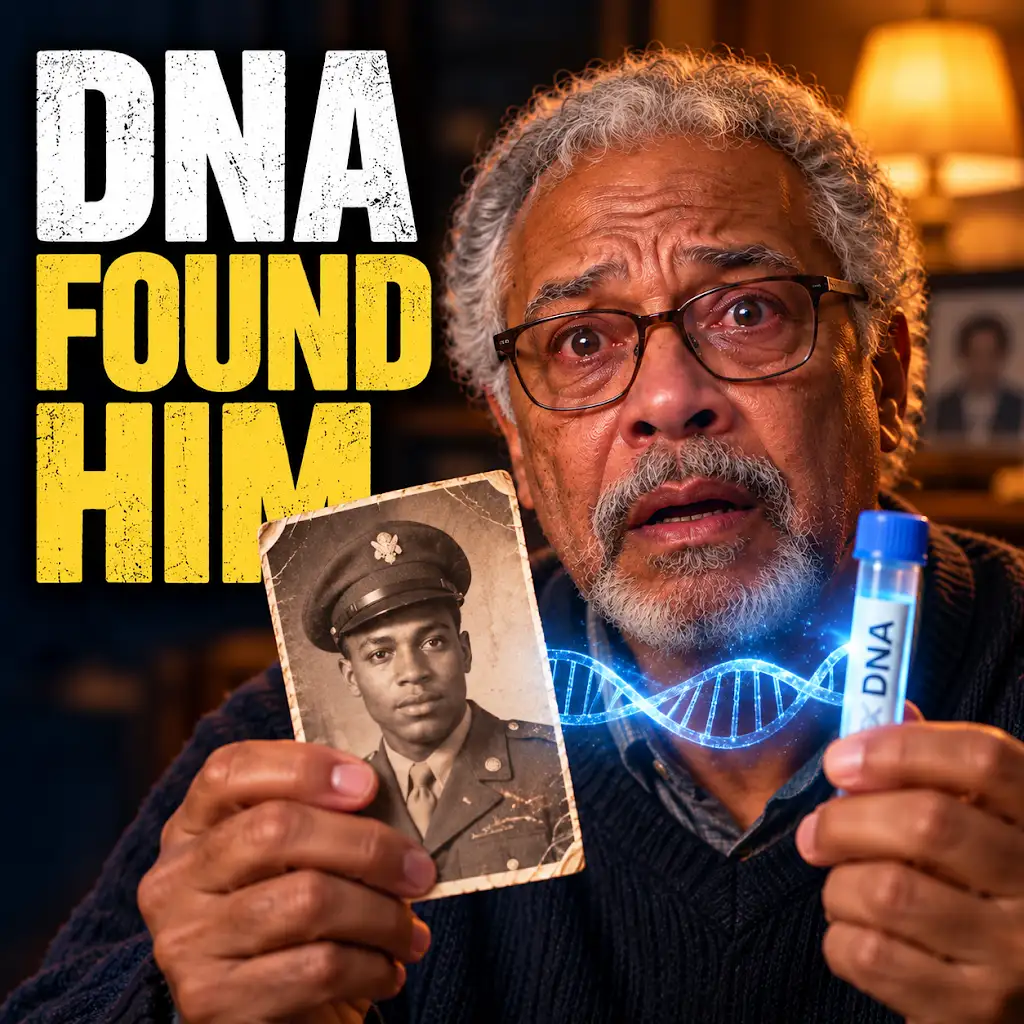
His WWII GI Father Was a Mystery for Nearly 80 Years
FAQs
What is DNA testing and how does it work?
DNA testing is a scientific technique used to analyze an individual’s unique genetic makeup. It works by comparing specific DNA sequences, such as those found in the chromosomes, to determine genetic relationships between individuals.
How can DNA testing help solve family mysteries?
DNA testing can help solve family mysteries by providing information about genetic relationships between individuals. By comparing DNA samples, it is possible to confirm or refute biological relationships, such as parentage or sibling relationships.
What are the different types of DNA tests available for genealogy purposes?
There are several types of DNA tests available for genealogy purposes, including autosomal DNA testing, Y-DNA testing, and mitochondrial DNA testing. Each type of test provides different information about an individual’s genetic ancestry and relationships.
Can DNA testing be used to trace ancestry and ethnicity?
Yes, DNA testing can be used to trace ancestry and ethnicity by analyzing specific genetic markers that are associated with different populations around the world. This information can help individuals learn more about their genetic heritage and origins.
Are there any privacy concerns associated with DNA testing for family mysteries?
There are privacy concerns associated with DNA testing for family mysteries, as the results of the tests can reveal sensitive information about individuals and their genetic relationships. It is important to carefully consider the implications of DNA testing and to understand the privacy policies of the testing companies before proceeding.