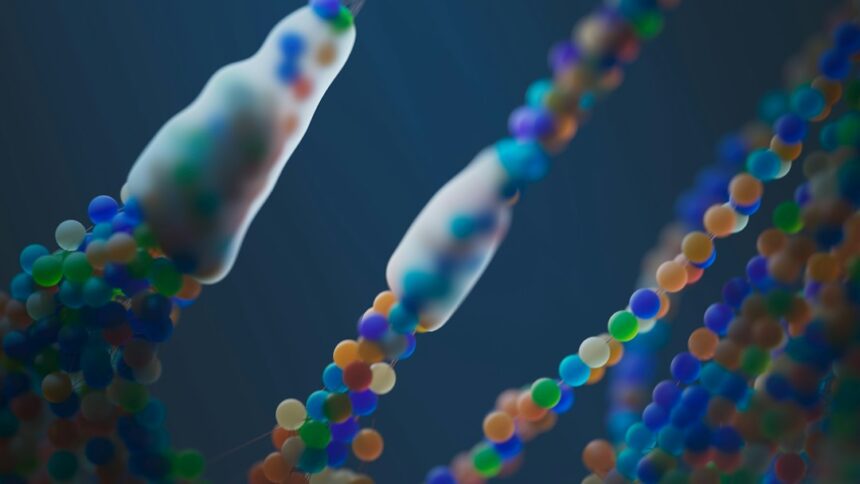
The Genetic Rosetta Stone: Unlocking Ancestral Secrets with Autosomal DNA
For centuries, family history has been a tapestry woven with stories, heirlooms, and carefully documented lineages. Yet, for many, the threads of the past remain elusive, tangled by time, migration, and the simple passage of generations. The advent of autosomal DNA testing has revolutionized this pursuit, offering a powerful, scientific lens through which to peer into the lives of our ancestors. Unlike older methods that relied on historical records and paper trails, which can be incomplete or lost, autosomal DNA offers a direct, biological connection to our heritage, potentially reaching back hundreds, even thousands, of years. This guide will delve into the multifaceted world of autosomal DNA testing, exploring its scientific underpinnings, the insights it can provide, and the practical steps involved in uncovering one’s family history through this remarkable technology.
For those interested in exploring the intricacies of autosomal DNA family history research, a valuable resource can be found in the article titled “Unlocking Your Family’s Genetic Past.” This piece delves into the methodologies and tools available for tracing lineage through autosomal DNA testing, providing insights into how genetic information can reveal unexpected connections and ancestral roots. To read more about this fascinating topic, visit the article here: Unlocking Your Family’s Genetic Past.
Understanding the Blueprint: Autosomal DNA and Inheritance

To truly appreciate the power of autosomal DNA testing, a basic understanding of genetics is essential. Autosomal DNA, named for the 22 pairs of non-sex chromosomes found in humans, is inherited equally from both parents. Each individual receives half of their autosomal DNA from their mother and half from their father. This means that with each generation, an individual inherits approximately 50% of their DNA from each parent, 25% from each grandparent, 12.5% from each great-grandparent, and so on. This constant halving ensures that while the amount of DNA inherited from any single distant ancestor diminishes, the cumulative genetic information from all ancestors remains within an individual’s DNA.
The Chromosomal Dance: Meiosis and Recombination
The key to autosomal DNA’s utility in genealogy lies in the process of meiosis, the cell division that produces gametes (sperm and egg cells). During meiosis, chromosomes pair up, and a crucial event called recombination occurs. This is a form of genetic shuffling where homologous chromosomes exchange segments of DNA. This process ensures genetic diversity by creating new combinations of genes. For genealogical purposes, recombination is both a blessing and a challenge. It means that the specific segments of DNA inherited from our ancestors are unique to us, and no two siblings will inherit the exact same combination of DNA segments from their parents. However, it also means that a particular ancestral segment might be present in one sibling but absent in another, or present in different lengths or locations. This is why comparing DNA with siblings and other relatives is so important for reconstructing family trees.
DNA as a Snapshot: Estimating Ancestry
Autosomal DNA tests analyze hundreds of thousands of specific points, called single nucleotide polymorphisms (SNPs), scattered throughout an individual’s autosomal chromosomes. These SNPs are essentially variations in DNA sequence that are common in the human population. By comparing an individual’s SNP profile to reference databases of DNA from various populations around the world, testing companies can estimate the percentage of an individual’s ancestry that originates from different geographical regions. These ethnicity estimates are not absolute and are subject to ongoing refinement as reference populations grow and algorithms improve. However, they provide a powerful starting point for understanding one’s ancestral origins.
The Genealogical Goldmine: Insights from Autosomal DNA

The insights gleaned from autosomal DNA testing extend far beyond simple ethnicity estimates. The core of its genealogical power lies in its ability to identify and connect with living relatives who share common ancestors. This is achieved through DNA matching.
Finding Cousins: The Power of DNA Matches
When an individual takes an autosomal DNA test, their DNA data is compared against a database of other individuals who have also tested with the same company. If two individuals share a significant amount of DNA, it indicates that they likely share a common ancestor. The amount of shared DNA, measured in centimorgans (cM), provides a clue to the recency of their relationship. For example, sharing around 700-1300 cM often suggests a sibling or parent-child relationship, while smaller amounts, such as 50-100 cM, might indicate a third or fourth cousin. DNA testing companies present these matches in a list, allowing users to explore potential family connections.
Building the Tree: The Role of Shared DNA
The real magic of autosomal DNA for family historians occurs when these DNA matches are combined with traditional genealogical research. By examining shared matches, and by looking at the ethnicity estimates of matches, individuals can begin to identify common ancestors. For instance, if an individual has a DNA match with someone who has a strong Irish ethnicity estimate and both individuals have a common ancestor on their family trees who was known to be from Ireland, this strengthens the likelihood that this ancestor is indeed a shared one. Furthermore, by cross-referencing matches with family trees built through traditional research, one can often pinpoint specific branches of the family tree where the shared ancestry lies.
Beyond Paper Trails: Uncovering Unknown Ancestors
One of the most profound impacts of autosomal DNA testing is its ability to break down “brick walls” in genealogical research. These are instances where traditional research has hit a dead end, often due to missing or destroyed records, or unknown parentage. Autosomal DNA can often identify unknown parents or grandparents by revealing matches to individuals who are clearly related to those unknown ancestors. For example, if an individual has an unknown father, and they receive DNA matches with individuals who share significant amounts of DNA and whose family trees indicate a connection to a specific surname or geographic region, this can provide crucial clues to identifying the paternal lineage.
Navigating the Landscape: Choosing and Using a DNA Test
The proliferation of DNA testing companies can be overwhelming for newcomers. Several major players dominate the market, each with its own strengths and methodologies. Making an informed choice involves considering factors such as database size, ethnicity estimation accuracy, and the tools provided for analyzing matches.
Major Players and Their Offerings
Companies like AncestryDNA, 23andMe, FamilyTreeDNA, and MyHeritage are popular choices for autosomal DNA testing. AncestryDNA boasts the largest database, which can lead to a greater number of potential matches. 23andMe offers a health reporting component in addition to ancestry, which can be appealing to some users. FamilyTreeDNA provides a more open platform and allows for raw data uploads from other companies. MyHeritage is particularly strong for users with European ancestry and offers robust tools for family tree building and record searching. It is important to note that DNA data is generally not transferable between companies due to proprietary data formats and differing privacy policies. Therefore, once a test is taken with one company, it is usually necessary to test with another to access their respective databases.
Preparing for the Test: Sample Collection and Submission
The process of providing a DNA sample is typically straightforward and non-invasive. Most companies send out a saliva collection kit. Users are instructed to spit into a tube, seal it, and mail it back to the company’s lab. It is crucial to follow the instructions carefully, particularly regarding not eating or drinking for a specified period before collecting the sample, to ensure the integrity of the DNA. Once the sample is received and processed, the user will typically receive an email notification when their results are ready to be accessed through an online account.
Interpreting Your Results: Ethnicity and Matches
Interpreting DNA results requires patience and a willingness to learn. Ethnicity estimates are often presented as pie charts or bar graphs, showing percentages of ancestry from various regions. It’s important to remember that these are estimates and can change over time as companies refine their algorithms and expand their reference populations. The “matches” section is where the genealogical work truly begins. Users will see a list of individuals who share DNA with them, along with the amount of shared DNA. Most companies provide tools to filter and sort matches, as well as to view shared matches with other testers, which can be instrumental in identifying common ancestors.
For those interested in exploring the depths of their ancestry through autosomal DNA, a fascinating article can be found that delves into the intricacies of family history research. This resource provides valuable insights into how autosomal DNA testing can uncover connections and reveal hidden branches of your family tree. To learn more about this topic, you can read the article on family history research here.
Advanced Strategies: Maximizing Your Genealogical Discoveries
| Metric | Description | Typical Range/Value | Relevance in Family History Research |
|---|---|---|---|
| Number of Shared Centimorgans (cM) | Amount of DNA shared between two individuals | 0 – 3500 cM | Helps estimate degree of relatedness (e.g., parent-child ~3400 cM) |
| Number of Shared Segments | Count of continuous DNA segments shared | Varies widely (1 – 50+ segments) | Supports relationship verification and identifying common ancestors |
| Segment Length Threshold | Minimum size of DNA segment considered for matching | Typically 7 cM or higher | Filters out false positives and distant matches |
| Match Confidence Level | Statistical confidence in the DNA match | High, Medium, Low | Determines reliability of inferred relationships |
| Ethnicity Estimate Accuracy | Precision of ancestral origin percentages | Varies by database and reference populations | Provides context for geographic and ethnic family history |
| Number of Matches in Database | Total autosomal DNA matches found | Hundreds to thousands | Indicates potential relatives and research leads |
| Generational Distance | Estimated number of generations to common ancestor | 1 – 10+ generations | Helps place matches in family tree context |
Autosomal DNA testing is not a one-time event; it’s a powerful tool that can be utilized over time to deepen one’s understanding of family history. Employing advanced strategies can unlock even more significant discoveries.
The Power of Transferring Raw Data
Many individuals choose to test with one company but then download their raw DNA data and upload it to other testing sites. This allows them to access multiple databases of matches without having to submit additional DNA samples. Companies like GEDmatch and FamilyTreeDNA accept raw data uploads from most major testing providers, offering a vast network of potential connections. This strategy significantly increases the chances of finding distant relatives and uncovering elusive ancestral lines.
Collaborative Genealogy: Working with Matches
The most impactful genealogical discoveries often come through collaboration. When a DNA match is made, reaching out to the match is crucial. A polite and informative message explaining the genealogical purpose of the inquiry can lead to fruitful conversations. Sharing family trees, discussing known ancestors, and comparing research notes can help both individuals identify shared ancestral lines more quickly. Sometimes, a DNA match might have conducted research on a branch of the family that an individual has been struggling with, or vice-versa, leading to a breakthrough for both.
The Chromosomal Browser: Delving Deeper into Shared DNA
Some DNA testing companies offer a “chromosomal browser” tool. This advanced feature allows users to see exactly which segments of DNA are shared with a particular match and on which chromosomes. This level of detail can be incredibly useful for experienced genealogists. By analyzing the pattern of shared segments, it’s possible to infer the specific ancestral couple from whom those segments were inherited. This is particularly helpful when trying to distinguish between different ancestral lines that might lead to the same match.
Ethical Considerations and the Future of Genetic Genealogy
As the field of genetic genealogy grows, so too do the ethical considerations surrounding DNA privacy and responsible use. Understanding these aspects is crucial for any genealogist engaging with autosomal DNA testing.
Privacy and Data Security: Your Genetic Information
When you submit your DNA for testing, you are entrusting your most personal biological information to a company. It is imperative to understand the privacy policies of each testing company. What is done with your DNA? Is it stored indefinitely? Can it be shared with third parties, such as law enforcement or researchers, without your explicit consent? Reputable companies will have clear policies outlining data usage and security measures. Users should be aware of the potential for their DNA to be used in ways they may not have anticipated, and choose companies that align with their privacy comfort levels.
The Ethics of Discovery: Unexpected Relatives and Information
Autosomal DNA testing can sometimes lead to unexpected discoveries that may be emotionally challenging. This could include revealing previously unknown adoption, non-paternity, or distant relatives with whom one has no prior knowledge. It is important to approach these discoveries with sensitivity and to consider the potential impact on individuals involved. Open communication, empathy, and respecting the privacy of others are paramount when navigating the complex human relationships that genetic genealogy can uncover.
The Evolving Landscape: Future Innovations
The field of genetic genealogy is constantly evolving. Researchers are continually developing more accurate ethnicity estimation algorithms, improving the ability to identify deeper ancestral connections, and exploring new applications for genetic data. Innovations in areas like epigenetics and ancient DNA analysis may further revolutionize our understanding of family history. As technology advances, the ability to unravel our ancestral narratives will only become more profound, offering an ever- richer tapestry of human connection and identity. Autosomal DNA testing has opened a remarkable new chapter in our quest to understand where we come from, a journey that promises to continue unveiling the mysteries of our past for generations to come.
His WWII GI Father Was a Mystery for Nearly 80 Years
FAQs
What is autosomal DNA family history research?
Autosomal DNA family history research is a method of using DNA testing to trace and explore one’s genealogy and family history through the analysis of autosomal DNA, which is inherited from both parents.
How does autosomal DNA testing work?
Autosomal DNA testing analyzes the DNA that is inherited from both parents to provide information about one’s ancestry, ethnicity, and potential genetic relatives. This type of testing can help individuals discover relatives across multiple generations.
What can autosomal DNA testing reveal about family history?
Autosomal DNA testing can reveal information about one’s ethnic background, genetic relatives, and potential connections to distant cousins. It can also help individuals confirm or uncover unknown family relationships and connections.
How accurate is autosomal DNA testing for family history research?
Autosomal DNA testing is generally considered to be accurate for determining genetic relationships within a certain range, such as identifying close relatives like siblings, parents, and grandparents, as well as more distant relatives like cousins.
What are some popular autosomal DNA testing companies for family history research?
Some popular autosomal DNA testing companies for family history research include AncestryDNA, 23andMe, MyHeritage DNA, and FamilyTreeDNA. These companies offer DNA testing kits that can provide insights into one’s ancestry and genetic connections.