The Helix of Heritage: How DNA Revolutionizes Genealogical Research
For centuries, the pursuit of ancestry has been a meticulous endeavor, often akin to piecing together a fragmented tapestry. Genealogists, armed with faded documents, church records, and oral histories, painstakingly traced lineage, navigating through generations with the hope of uncovering forgotten relatives and understanding their place in the grand narrative of human history. This traditional approach, while yielding invaluable insights, was often limited by the availability and legibility of records, the geographical dispersal of families, and the sheer volume of information to sift through. However, a paradigm shift has occurred, ushered in by the remarkable advancements in DNA science. The double helix, once a purely biological construct, has become a potent key, unlocking the past in ways previously unimaginable and revolutionizing the very practice of genealogy.
In exploring the fascinating intersection of DNA and historical records in genealogy, a related article can provide valuable insights into how genetic testing is transforming our understanding of ancestry. For those interested in delving deeper into this topic, you can read more about the implications of DNA in tracing family lineage and its impact on historical research in this informative piece: here.
## Unraveling the Genetic Blueprint: The Science Behind Genealogical DNA Testing
The journey from the laboratory to the family tree begins with understanding the fundamental principles of genealogical DNA testing. These tests do not sequence an individual’s entire genome, a process far too extensive and costly for routine genealogical purposes. Instead, they focus on specific regions of DNA that are passed down through generations and contain markers useful for identifying relationships and tracing ancestral origins. The power of these tests lies in their ability to provide objective, verifiable data that can either confirm or challenge existing genealogical theories, or even reveal entirely new branches of a family tree.
### Autosomal DNA: The Broadest Reach
The most common type of genealogical DNA test utilizes autosomal DNA, which is inherited from all of your ancestors, both maternal and paternal, in roughly equal amounts. Because you inherit 50% of your autosomal DNA from each parent, and they each inherit 50% from their parents, the amount of DNA you share with a relative decreases with each degree of removal. Autosomal DNA tests can detect relationships up to five to seven generations back, making them incredibly effective for identifying cousins, both close and distant. These tests analyze millions of single nucleotide polymorphisms (SNPs) across your 22 autosomal chromosomes. By comparing your SNP profile with those of other individuals in a DNA database, the testing company can identify shared segments of DNA, which are indicative of a common ancestor. The length and number of these shared segments are used to estimate the degree of relationship. This allows genealogists to identify potential relatives they may have never known existed and to connect with them, sharing information and collaborating on research.
### Y-Chromosome DNA: Tracing the Paternal Line
The Y-chromosome DNA (Y-DNA) test is specifically designed to trace the direct paternal lineage – that is, from father to son, to son, and so on. The Y-chromosome is passed down almost unchanged from father to son. Therefore, men who share a common paternal ancestor will have very similar, if not identical, Y-DNA profiles. Y-DNA testing is particularly useful for tracing the origins and migrations of surnames that have historically been passed down through the male line. By comparing Y-DNA results, individuals can identify others who share their paternal surname and potentially discover the geographic origins of their ancestral line. This can be incredibly illuminating for families who have lost track of their surname’s history or who are seeking to understand the ancient roots of their family.
### Mitochondrial DNA: The Maternal Thread
Mitochondrial DNA (mtDNA) analysis focuses on the maternal lineage, tracing ancestry from mother to child, to child, and so on. Mitochondria, the powerhouses of cells, contain their own small, circular DNA. Unlike nuclear DNA, which is inherited from both parents, mtDNA is exclusively inherited from the mother. This means that both men and women inherit mtDNA from their mothers, but only women can pass it on to their children. mtDNA testing is less precise for close relationships compared to autosomal DNA, but it can trace the deep maternal lineage back tens of thousands of years, providing insights into the ancient migrations of human populations. It can help identify ancient maternal haplogroups and connect individuals to very distant ancestral groups.
## Beyond the Birth Certificate: Historical Records and Their Genealogical Significance

While DNA provides a powerful new lens through which to view our ancestors, the foundation of genealogical research has always been, and continues to be, historical records. These tangible links to the past, meticulously preserved through time, offer the narrative context and specific details that DNA alone cannot provide. The interplay between DNA evidence and historical documentation is where the true magic of genealogical discovery lies, transforming raw genetic data into compelling family stories.
### Vital Records: The Cornerstones of Lineage
Vital records, encompassing birth, marriage, and death certificates, form the bedrock of genealogical research. These documents, often mandated by governmental authorities, provide official confirmation of key life events, including dates, locations, and the names of parents. Birth certificates are crucial for establishing parent-child relationships and identifying the names of both maternal and paternal grandparents. Marriage records offer insights into the union of couples, often listing their ages, places of residence, and the names of their witnesses, who may themselves be relatives. Death certificates can provide valuable information about the deceased’s date and place of death, as well as the names of their parents and spouse, serving as a vital bridge to earlier generations. The accuracy and availability of these records vary significantly by region and historical period, but their importance cannot be overstated.
### Census Records: Snapshots of Family Life
Census records, taken at regular intervals by governments, offer invaluable snapshots of households at specific points in time. These records typically list the names of all individuals residing in a household, their ages, relationships to the head of the household, occupations, places of birth, and often details about immigration status. By examining census records from different decades, genealogists can track the movement of families, observe changes in household composition, and identify previously unknown family members. The granular detail within census data can paint a vivid picture of ancestral life, from their professions to their living situations, offering a more nuanced understanding of their daily existence.
### Probate and Land Records: Uncovering Wealth and Property
Probate records, which document the distribution of a deceased person’s assets, and land records, detailing property ownership, can provide a wealth of genealogical information. Probate documents often list heirs and beneficiaries, effectively confirming family relationships. They can also reveal the extent of a person’s wealth, their possessions, and how their estate was managed. Land records, particularly in societies where land ownership was a significant marker of status and wealth, can trace the movements of families and their establishment in new areas. They may also provide clues about the economic activities and social standing of ancestors.
### Church and Cemetery Records: Faith and Final Resting Places
Religious institutions have historically played a central role in community life, and their records often hold crucial genealogical data. Church registers, particularly those predating civil registration, document baptisms, confirmations, marriages, and burials. These records can be particularly rich in detail, sometimes including the names of godparents and grandparents, offering further genealogical connections. Cemetery records, including tombstones and burial registers, can confirm death dates and locations, and sometimes even provide information about family plots, indicating relationships between individuals buried in proximity.
## The Synergy of Science and Script: Integrating DNA with Traditional Research
The true power of modern genealogy lies not in choosing between DNA or historical records, but in their synergistic integration. DNA provides the initial clues, the potential connections, and the broad outlines of ancestry, while historical records provide the flesh and blood, the names, dates, and life events that bring those genetic connections to life. This combined approach allows for a more robust, accurate, and meaningful genealogical discovery process.
### Confirming and Expanding Existing Research
For genealogists who have already compiled a family tree through traditional research, DNA testing can serve as a powerful validation tool. If DNA matches with another individual align with the documented relationships on a family tree, it significantly strengthens the confidence in the accuracy of that research. Conversely, if DNA results contradict established theories, it signals the need for further investigation and a re-evaluation of existing assumptions. Unexpected DNA matches can also act as catalysts for new research avenues, prompting genealogists to look for overlooked documents or to explore branches of the family tree that were previously unknown.
### Identifying Unknown Ancestors and Branches
One of the most exciting applications of DNA testing in genealogy is its ability to identify previously unknown ancestors or entire branches of a family. When autosomal DNA tests reveal matches with individuals who do not fit into an existing family tree, it strongly suggests the presence of an unknown parent, grandparent, or more distant relative. This is particularly useful for individuals who have “brick walls” in their research, where traditional methods have failed to uncover further information. By collaborating with these new DNA cousins, genealogists can pool their resources, share their research, and collectively work towards unraveling these mysteries.
### Breaking Down “Brick Walls” and Overcoming Record Gaps
“Brick walls” are a common frustration in genealogy, occurring when records are lost, destroyed, or simply unavailable. DNA testing can be instrumental in overcoming these obstacles. For instance, if an individual knows they have an ancestor from a particular region but cannot find any record of them, DNA ethnicity estimates might point to a different ancestral homeland, or DNA matches might reveal relatives in unexpected locations, prompting a new search strategy. Similarly, if a specific document is missing, but DNA indicates a connection to a family that would have created that document, it provides a strong incentive to search for alternative sources or archives.
### Understanding Ancestral Origins and Migrations
Beyond individual family lines, DNA testing offers profound insights into the broader patterns of human migration and ancestral origins. Ethnicity estimates, provided by most genealogical DNA testing companies, utilize vast databases of genetic information from populations around the world. By comparing an individual’s DNA to these reference populations, the tests can provide an estimation of the percentages of ancestry that originate from various geographic regions. While these estimates are not definitive genealogies, they can offer compelling clues about the historical movements of ancestors and their ancient homelands, adding a layer of global context to personal family histories.
Exploring the intersection of DNA and historical records can significantly enhance our understanding of genealogy, as highlighted in a recent article. This piece delves into how genetic testing can reveal ancestral connections that traditional records may overlook. For those interested in this fascinating topic, you can read more about it in the article on genealogy and DNA. By combining these two approaches, researchers and enthusiasts alike can uncover richer narratives about their family histories.
## The Ethical Compass: Navigating Privacy, Accuracy, and Responsibility
| Metric | Description | Typical Value/Range | Relevance to Genealogy |
|---|---|---|---|
| Autosomal DNA Match Percentage | Percentage of shared DNA between two individuals on autosomal chromosomes | 0.1% – 50% | Helps identify relatives up to 5-6 generations back |
| Y-DNA Haplogroup | Genetic lineage passed from father to son | Haplogroups like R1b, I1, E1b1a, etc. | Traces paternal ancestry and surname lineage |
| mtDNA Haplogroup | Genetic lineage passed from mother to offspring | Haplogroups like H, U, L, etc. | Traces maternal ancestry |
| Number of Historical Records Matched | Count of genealogical records linked to an individual | 0 – 1000+ | Supports building family trees and verifying lineage |
| Average Generations Documented | Number of generations traced through historical records | 3 – 15 generations | Measures depth of genealogical research |
| Common Ancestor Identification Rate | Percentage of DNA matches with identified common ancestors | 10% – 60% | Validates genetic connections with documented genealogy |
| Ethnicity Estimate Accuracy | Confidence level in ethnicity breakdown from DNA analysis | 70% – 95% | Provides regional ancestral origins |
As DNA genealogy becomes increasingly prevalent, it is crucial to approach this powerful technology with a strong ethical framework. The personal nature of genetic information necessitates careful consideration of privacy, the interpretation of results, and the responsible sharing of data. Understanding these ethical considerations ensures that the pursuit of ancestry is conducted with respect for all involved.
### Privacy and Data Security: Protecting Your Genetic Information
Genealogical DNA databases contain highly sensitive personal information. It is paramount that individuals understand how their DNA data is stored, used, and protected by testing companies. Reputable companies adhere to strict privacy policies, but it is essential for users to review these policies and be aware of the potential for data sharing with third parties, even if anonymized. The decision to upload DNA data to public databases or to share it with distant relatives should be made with a full understanding of the implications for personal privacy.
### Interpreting DNA Results: Nuance and Limitations
While DNA testing is a powerful tool, its results should be interpreted with nuance and an understanding of its limitations. Ethnicity estimates are estimations based on current scientific understanding and reference populations, and they can change as databases evolve. Similarly, the degree of relationship suggested by shared DNA segments is an estimation and can sometimes be misleading, especially for very distant relationships. It is important to consult with experienced genealogists or genetic genealogists to help interpret complex DNA results and to avoid drawing definitive conclusions solely based on genetic data.
### The Ethics of Revelation: Surprises and Family Dynamics
DNA testing can sometimes reveal unexpected and potentially sensitive information, such as previously unknown adoptions, affairs, or even half-siblings. While such revelations can be incredibly significant for individuals seeking to understand their heritage, they can also have profound and complex impacts on family relationships. Genealogists should approach such discoveries with sensitivity and discretion, considering the potential emotional implications for all involved. It is important to remember that behind every DNA match is a person with their own history and emotions.
### Collaborative Genealogy and Responsible Sharing
The collaborative nature of DNA genealogy is one of its greatest strengths. By sharing research and insights with DNA cousins, individuals can collectively unravel family mysteries. However, this collaboration must be approached responsibly. It is essential to respect the privacy of others, to share information only with consent, and to attribute sources appropriately. Building trusting relationships with DNA matches is key to successful collaborative research.
## The Future of Our Roots: Evolving Technologies and Expanding Horizons
The field of genealogical DNA testing is not static; it is a rapidly evolving area of science and technology. As research progresses, we can anticipate even more sophisticated tools and deeper insights into our ancestral past. The ongoing advancements promise to further refine our understanding of human history, both on an individual and a collective level.
### Advancements in DNA Analysis and Matching Algorithms
Researchers are continuously working to improve the accuracy and sophistication of DNA analysis techniques and matching algorithms. This includes developing methods to more precisely identify the degree of kinship, to filter out non-paternal event matches, and to analyze more specific types of genetic markers. Future advancements may also lead to more refined ethnicity estimates and the ability to trace ancestry further back in time with greater accuracy.
### Deeper Ancestral Insights and Paleogenomics
The burgeoning field of paleogenomics, which studies the DNA of ancient human remains, is revolutionizing our understanding of human evolution and migration. By analyzing ancient DNA, scientists can reconstruct the genetic makeup of populations from thousands of years ago, providing direct evidence of ancestral connections and population movements. As this field expands, it will undoubtedly contribute to a more comprehensive understanding of our deepest ancestral roots and the genetic tapestry of humanity.
### The Integration of Artificial Intelligence and Machine Learning
Artificial intelligence (AI) and machine learning are increasingly being applied to genealogical research, including DNA analysis. These technologies can process vast datasets, identify patterns, and make predictions that would be impossible for humans to discern manually. AI can assist in automating the process of analyzing DNA matches, identifying potential connections, and even suggesting avenues for further research, thereby accelerating the pace of discovery and making complex genealogical puzzles more manageable.
### Ethical and Societal Implications on a Larger Scale
As DNA genealogy continues to gain popularity, its broader societal and ethical implications will become even more prominent. Discussions surrounding genetic privacy, the potential for genetic discrimination, and the impact of genetic discoveries on identity and family structures will continue to be critical. The ongoing dialogue will shape the future of how we understand ourselves in relation to our ancestors and the larger human story. The integration of DNA into our understanding of history is a profound journey, one that promises to continue revealing the intricate threads that connect us all.
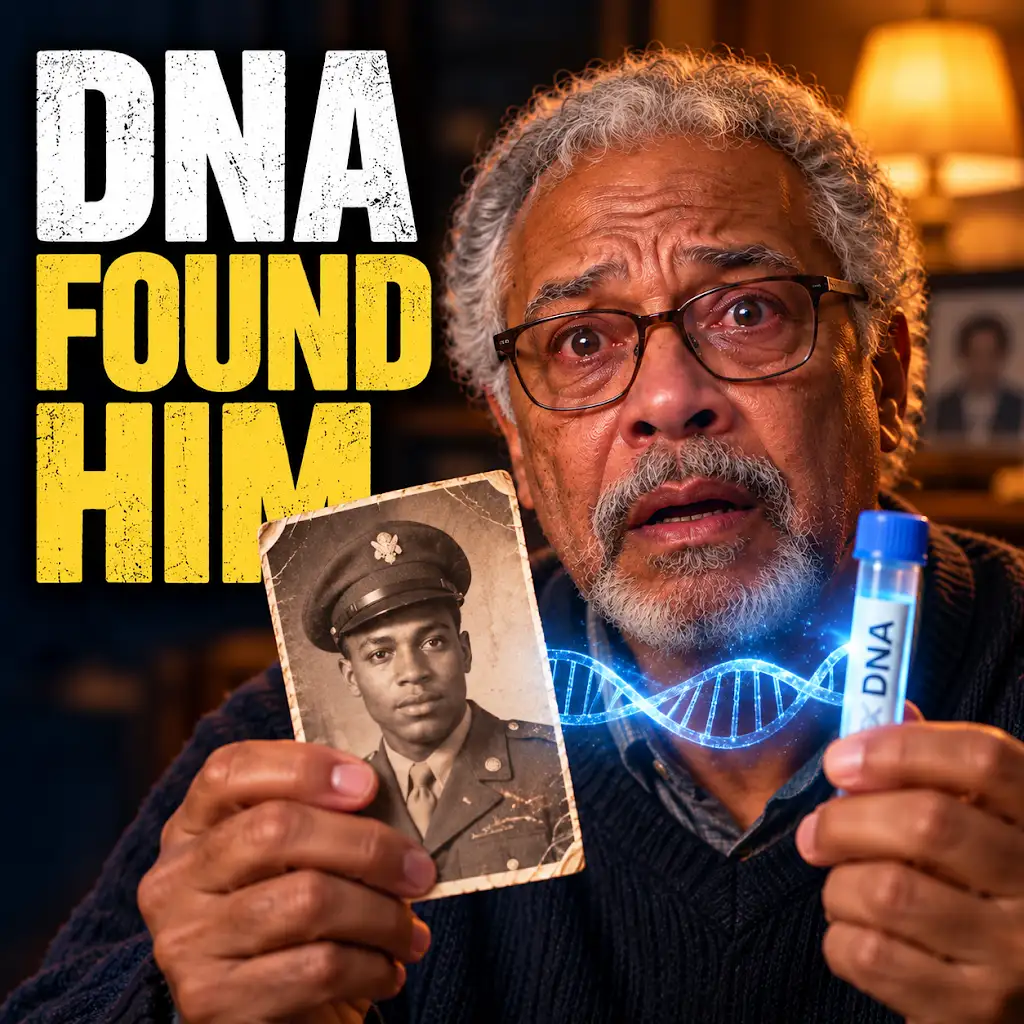
His WWII GI Father Was a Mystery for Nearly 80 Years
FAQs
What is DNA genealogy?
DNA genealogy is the use of genetic testing to trace an individual’s family lineage and ancestry. It involves comparing DNA samples to identify genetic matches and connections between individuals.
How can DNA testing help with genealogical research?
DNA testing can provide valuable information about an individual’s ethnic origins, distant relatives, and migration patterns of their ancestors. It can also help confirm or refute existing genealogical research and connect individuals with unknown relatives.
What types of DNA tests are commonly used in genealogy?
The most common types of DNA tests used in genealogy are autosomal DNA tests, Y-DNA tests, and mitochondrial DNA tests. Autosomal DNA tests can provide information about both maternal and paternal ancestry, while Y-DNA tests trace the direct paternal line and mitochondrial DNA tests trace the direct maternal line.
How accurate are DNA tests for genealogy?
DNA tests for genealogy are generally considered to be accurate, but the results can vary depending on the quality of the testing company and the size of their database. It’s important to understand the limitations of DNA testing and to use the results in conjunction with traditional genealogical research.
Are there any privacy concerns with DNA testing for genealogy?
There are privacy concerns associated with DNA testing for genealogy, as the results can reveal sensitive information about an individual’s health, ethnicity, and family relationships. It’s important to carefully review the privacy policies of the testing company and consider the potential implications before taking a DNA test.