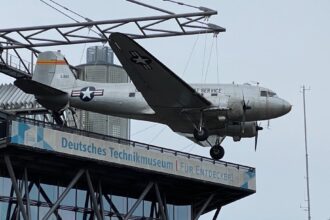
The dust had barely settled from the devastation of World War II when a new, chilling tension began to grip a shattered Europe. The ideological chasm between the victorious Allied powers – the United States, Great Britain, and France – and the Soviet Union widened into a stark divide, with Germany, and specifically its former capital, Berlin, becoming the epicenter of this burgeoning Cold War. In the heart of Soviet-occupied Germany, Berlin, a city of over three million, found itself a vulnerable island, a Western enclave surrounded by a sea of Soviet control. The Soviets, seeking to consolidate their influence and perhaps push the Western Allies out of this strategic city, implemented a drastic measure: the Berlin Blockade.
Seeds of Discord in Post-War Germany
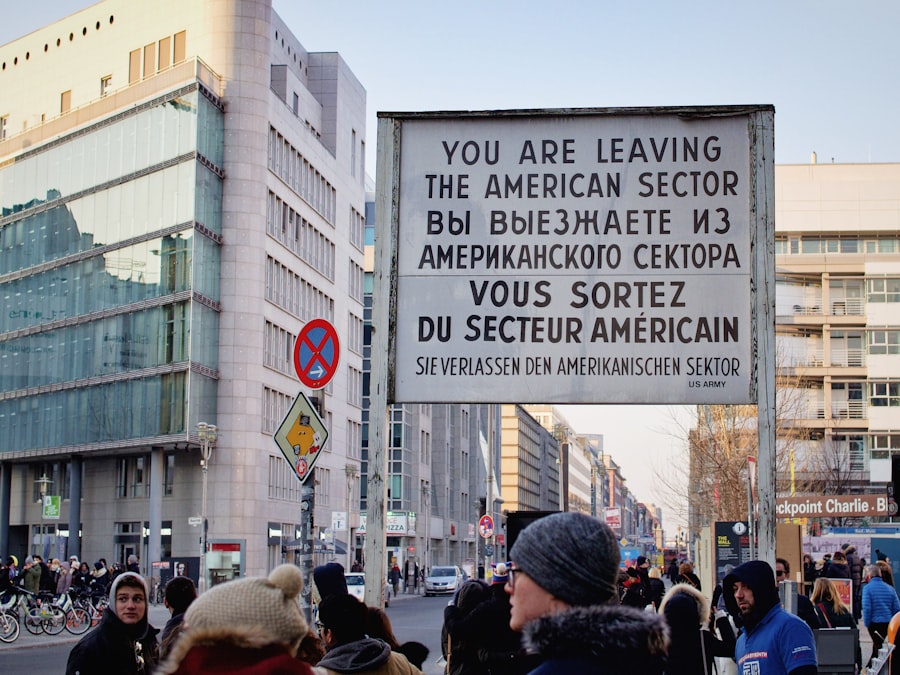
The Yalta and Potsdam Conferences, intended to shape the post-war world, inadvertently laid the groundwork for future conflict. While the Allies agreed on the division of Germany into four occupation zones, a fundamental disagreement over its long-term political and economic future festered. The Soviet Union, having borne the brunt of the Eastern Front, harbored deep suspicions of a resurgent Germany and sought to ensure its perpetual weakness and reparations. The Western Allies, on the other hand, envisioned a democratic and economically viable Germany as a bulwark against Soviet expansion. Berlin, itself divided into four sectors, became a microcosm of this larger struggle. The city’s unique geopolitical position, deep within the Soviet zone, presented an inherent vulnerability.
The Economic Strain and the Currency Reform
By 1948, the economic recovery of Western Germany was a pressing concern for the Allied powers. The currency, the Reichsmark, was virtually worthless, fueling inflation and hindering any semblance of normal commerce. The Western Allies, in consultation with their German economic advisors, decided to introduce a new currency, the Deutsche Mark, in their occupation zones, including West Berlin. This move was seen as essential for economic stability and to foster a sense of autonomy in the Western sectors. However, the Soviets viewed this as a provocative act, a deliberate step towards solidifying the division of Germany and undermining Soviet influence. They feared the Deutsche Mark would flood their zone, further destabilizing their already struggling economy.
The Soviet Ultimatum and the Imposition of the Blockade
The introduction of the Deutsche Mark in West Berlin on June 20, 1948, was met with immediate and decisive action from the Soviets. Just two days later, on June 22, 1948, Soviet authorities severed all rail, road, and water traffic between West Berlin and the Western zones of Germany. This was not a negotiation; it was an ultimatum enforced by physical barriers. All essential supplies – food, fuel, medicine, raw materials – were cut off. The intention was clear: to starve West Berlin into submission and force the Western Allies to abandon the city. The Soviets believed that without access to vital resources, the Western sectors would collapse, and the population would inevitably turn to Soviet authority. The stage was set for a critical test of wills, a gamble by Stalin that he could outmaneuver and outlast the Western powers without resorting to outright military conflict. The fate of millions hung precariously in the balance.
The successful resolution of the Berlin Blockade in 1949 was a pivotal moment in post-World War II history, showcasing the determination of the Allies to maintain access to West Berlin despite Soviet opposition. For a deeper understanding of the strategies employed during this critical period, you can read a related article that explores the airlift operations and the geopolitical implications of the blockade at In The War Room. This resource provides valuable insights into how the Allies not only overcame logistical challenges but also solidified their commitment to countering Soviet expansion in Europe.
The Unthinkable: A City Under Siege
The Immediate Impact on West Berlin
The initial shock and disbelief that gripped West Berliners quickly gave way to a grim reality. The city, accustomed to a certain level of import for its survival, faced an unprecedented crisis. Supermarkets emptied within days. Coal reserves, essential for heating homes and powering industries during the approaching winter, dwindled at an alarming rate. Hospitals began to ration medical supplies, and the specter of widespread famine and disease loomed large. The psychological impact was equally profound. The feeling of isolation was immense, a sense of being abandoned at the mercy of a hostile neighbor. Families were separated, and the daily routines of millions were thrown into disarray. The Western Allies, while pledging support, were grappling with the enormity of the situation and the potential implications of a complete collapse.
The Western Allies’ Dilemma: Diplomacy vs. Force
The immediate reaction from the Western Allies was a mix of outrage and apprehension. President Truman and Prime Minister Attlee were faced with a stark choice: capitulate to Soviet demands and cede control of West Berlin, thereby signaling a significant defeat in the Cold War and potentially emboldening further Soviet aggression, or attempt to break the blockade by force, a move that risked escalating into a full-blown war. The latter option was particularly terrifying, given the lingering scars of World War II and the Soviet Union’s formidable military presence in Eastern Europe. Diplomatic channels were immediately explored, with protests lodged at the highest levels of the Soviet government. However, the Soviets remained resolute, viewing the blockade as a legitimate response to what they perceived as Western provocations.
The Strategic Importance of Berlin
Berlin was more than just a city; it was a potent symbol. For the Soviets, its occupation represented a tangible victory and a crucial foothold in post-war Germany. For the Western Allies, it represented their commitment to the principles of democracy and self-determination, a testament to their refusal to be intimidated by Soviet power. The loss of West Berlin would have been a devastating blow to Allied prestige and a significant propaganda victory for the Soviet Union. It would have undermined the confidence of West Germans in the Western powers and potentially led to the collapse of democratic institutions in other parts of Europe. The stakes were incredibly high, and the world watched with bated breath.
The Audacious Solution: Operation Vittles
The Birth of an Unprecedented Airlift
As diplomatic avenues proved fruitless and the threat of war loomed, a radical idea began to take shape within the minds of Allied strategists. If the Soviets controlled the land and water routes, then the only remaining path to supply West Berlin was through the air. The concept of a massive airlift, capable of delivering all the necessary supplies to sustain over two million people, seemed audacious, perhaps even impossible. However, with the blockade in full effect and no viable alternative, the decision was made to embark on what would become known as Operation Vittles, or more famously, the Berlin Airlift. This was not simply a resupply mission; it was a testament to human ingenuity, resilience, and a defiant stand against oppression.
The Logistics of the Impossible: Planes, Pilots, and Precision
The scale of the undertaking was staggering. The Western Allies mobilized every available aircraft, from large cargo planes like the Douglas C-54 Skymaster to smaller planes like the Douglas C-47 Skytrain. Pilots, many of them veterans of World War II, were tasked with flying relentless missions into West Berlin. The flights were scheduled with meticulous precision, creating a constant stream of aircraft taking off and landing at Tempelhof, Gatow, and the newly constructed Tegel Airport in West Berlin. The airspace above Berlin became a tightly controlled corridor, with strict protocols to prevent collisions. Navigation through often challenging weather conditions and the constant pressure of time were part of the daily grind for the aircrews.
Fueling the Engines of Hope
The primary challenge was the sheer volume of supplies required. Food, coal for heating and electricity, medicine, and raw materials for industry all had to be transported. Every kilogram counted. Pilots and ground crews worked tirelessly, loading and unloading cargo with incredible speed. The daily tonnage required was immense, and the ability to consistently meet that demand was a testament to the logistical brilliance of the operation. The success of the airlift hinged on a constant, unwavering flow of aircraft and cargo, day in and day out, regardless of weather or exhaustion.
The Human Element: Pilots and Ground Crews
Beyond the machines, the human element was crucial. Pilots faced immense pressure, flying multiple sorties a day, often in poor visibility and over enemy-controlled territory. They were heroes, carrying not just supplies but the hopes of a besieged city. Equally important were the ground crews in West Berlin and the Western zones. Their efficiency in loading and unloading was critical to maintaining the pace of the airlift. The camaraderie and shared purpose among all involved, from the highest-ranking officers to the newest recruits, were instrumental in overcoming the immense challenges.
The Soviet Response: Harassment and Propaganda
The Soviets did not remain idle. While they avoided direct military confrontation, they engaged in a campaign of harassment and propaganda. Soviet fighter pilots would fly close to Allied aircraft, sometimes attempting to force them off course or even intimidate them. Navigation aids were sometimes jammed, and ground crews were subjected to constant surveillance and pressure. Propaganda broadcasts, both within East Berlin and directed at the West, painted the airlift as a desperate and futile endeavor, a sign of Western weakness. They sought to demoralize the pilots and the population of West Berlin, hoping to sow doubt and despair.
The Resilience of a City and its People

West Berliners: The Unwavering Spirit
While the Western Allies provided the planes and the supplies, it was the spirit of the West Berliners that truly underpinned the success of the blockade breakthrough. Faced with deprivation, cold, and uncertainty, they did not break. Instead, they rallied. Public spaces were converted into shared kitchens, and families pooled their remaining resources. The children of Berlin, in particular, became symbols of hope. They would wave at the approaching planes, holding up signs with drawings and messages of gratitude. The iconic “Candy Bombers,” pilots who would drop small parachutes with sweets for the children, became a powerful symbol of goodwill and a reminder that they were not forgotten.
The “Raisin Bombers” and the Morale Boost
The story of the “Candy Bombers,” initiated by Lieutenant Gail Halvorsen, became a heartwarming narrative that transcended the grim realities of the blockade. Halvorsen, seeing children gathered at the airport fence, began dropping candy. The practice quickly spread, with pilots and ground crews collecting donations to fund the dropped treats. These small gestures of kindness had an enormous impact on morale, both for the children and the adults, reminding them of the humanity and compassion that the blockade sought to extinguish. The image of these tiny parcels of sweetness descending from the sky became an enduring symbol of hope.
The Allied Commitment: A Test of Resolve
The Berlin Blockade became a defining moment for the Western Allies. It was a tangible challenge to their post-war vision and a test of their commitment to democratic values. The sustained effort and resources poured into Operation Vittles demonstrated an unwavering resolve. The political will to continue the airlift, even in the face of immense logistical challenges and the constant threat of escalation, was a crucial factor. It sent a clear message to the Soviet Union that the West would not be intimidated and that they were prepared to go to extraordinary lengths to defend their principles and their allies.
The Economic and Political Stakes
The economic cost of the airlift was substantial, but the political and strategic implications of failure were far greater. The West understood that a successful blockade would be a major propaganda victory for the Soviets and could lead to the domino effect of Soviet influence expanding further into Europe. The airlift was not just about supplying a city; it was about demonstrating the strength and resolve of the Western alliance in the face of Soviet expansionism.
The successful operation by the Allies to break the Berlin Blockade in 1949 was a pivotal moment in post-World War II history, showcasing their commitment to supporting West Berlin against Soviet pressures. This operation, known as the Berlin Airlift, involved a massive logistical effort to supply the city with food and fuel, ultimately demonstrating the effectiveness of air power in overcoming ground-based restrictions. For a deeper understanding of the strategies employed during this critical period, you can read more in this insightful article about the Berlin Blockade and its implications for the Cold War era at this link.
The Thaw in the Cold War Tensions
| Event | Details |
|---|---|
| Airlift Operation | The Allies organized a massive airlift operation to supply West Berlin with food, fuel, and other necessities. |
| Number of Flights | Over 277,000 flights were made during the airlift, delivering over 2.3 million tons of supplies. |
| Duration | The Berlin Airlift lasted for 11 months, from June 1948 to May 1949. |
| Success | The airlift successfully sustained the population of West Berlin and demonstrated the determination of the Allies to resist Soviet aggression. |
The Unwinnable War: Soviet Realization
As months turned into a year, it became increasingly clear to the Soviet leadership that the blockade was not achieving its intended objective. Instead of collapsing, West Berlin had become a symbol of Western resilience and defiance. The continuous stream of aircraft, the unwavering spirit of the population, and the unwavering commitment of the Western Allies had created a situation that was politically and logistically untenable for the Soviets to maintain. The economic cost to the Soviet bloc was also significant, as they continued to divert resources to maintain their blockade and counter the airlift.
The End of the Blockade: A Diplomatic Breakthrough
On May 12, 1949, after nearly 11 months, the Soviet Union officially lifted the Berlin Blockade. While no formal surrender or treaty was signed, the Soviets acknowledged the futility of their action. The successful breakthrough of the blockade was a resounding victory for the Western Allies, demonstrating their ability to overcome significant challenges and their commitment to defending their interests. The airlift had not only kept West Berlin alive but had also significantly bolstered the morale and confidence of the Western powers and their allies.
The Lasting Legacy of the Berlin Airlift
The Berlin Blockade and the subsequent airlift left an indelible mark on history. It cemented the division of Germany and Europe and solidified the ideological divide that would define the Cold War for decades to come. The Berlin Airlift became a powerful symbol of Western resolve, ingenuity, and humanitarianism. It demonstrated that even in the face of overwhelming odds, a determined effort could prevail. The city of Berlin, once a symbol of wartime destruction, transformed into a beacon of hope and freedom, a testament to the enduring strength of the human spirit and the power of international cooperation. The memory of the airlift continues to inspire, a reminder of the importance of standing firm against aggression and the profound impact of courage and determination in the face of adversity. The skies over Berlin, once filled with the sounds of war, were forever changed by the hum of Allied aircraft, a symphony of resilience that echoed the triumph of the human spirit.
How 90 Seconds Kept 2 Million People Alive
FAQs
1. What was the Berlin Blockade?
The Berlin Blockade was a Soviet attempt to block Allied access to West Berlin by cutting off all land and water routes to the city in 1948.
2. How did the Allies respond to the Berlin Blockade?
The Allies responded to the Berlin Blockade by organizing a massive airlift operation to supply West Berlin with food, fuel, and other necessities.
3. What was the outcome of the Berlin Airlift?
The Berlin Airlift successfully supplied West Berlin with over 2.3 million tons of supplies over the course of 11 months, effectively breaking the blockade and demonstrating the Allies’ commitment to the city’s freedom.
4. What role did the Allies play in breaking the Berlin Blockade?
The Allies, including the United States, United Kingdom, and France, coordinated the Berlin Airlift and worked together to ensure the success of the operation.
5. How did the Berlin Blockade impact the Cold War?
The Berlin Blockade and the successful Allied response through the Berlin Airlift heightened tensions between the Western Allies and the Soviet Union, further solidifying the division between East and West during the Cold War.