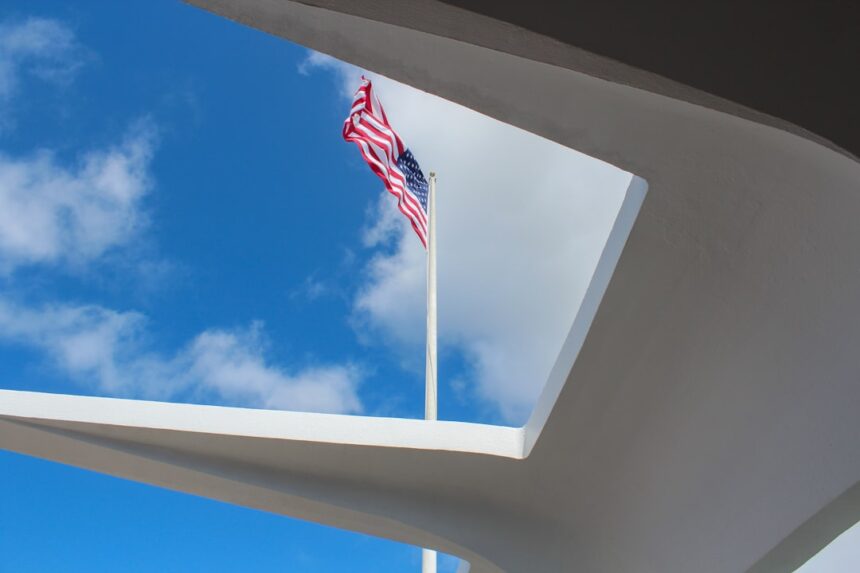
The chilling dawn of December 7, 1941, forever etched in infamy, saw the Imperial Japanese Navy unleash a devastating aerial assault on the United States Pacific Fleet at Pearl Harbor. This audacious surprise attack, intended to cripple American naval power and pave the way for Japanese expansion in Southeast Asia, was a strategic masterstroke in its immediate execution. However, viewed through the prism of history, this single, decisive act of aggression paradoxically sowed the seeds of Japan’s ultimate downfall. The unforeseen consequences of Pearl Harbor were profound, transforming a seemingly invincible empire into a defeated nation, forever altering the geopolitical landscape of the Pacific and the world.
The Japanese leadership, buoyed by a string of victories in China and a burgeoning military-industrial complex, saw the United States as the primary obstacle to their grand design of a Greater East Asia Co-Prosperity Sphere. They believed that a swift, overwhelming blow would shock the Americans into accepting Japanese dominance in the region, thereby avoiding a protracted and costly war.
The Emperor’s Ambition and the Military’s Dominance
Emperor Hirohito, while often portrayed as a passive figure, ultimately sanctioned the war against the United States. However, the true architects of Japan’s aggressive foreign policy were its ambitious military leaders, particularly the Imperial Army and Navy. Driven by a potent cocktail of ultranationalism, a belief in racial superiority, and a perceived destiny to lead Asia, they relentlessly pushed for a decisive confrontation with the Western powers.
The “ABCD Line” and the Fear of Containment
Japan’s expansionist ambitions were increasingly being checked by a growing coalition of nations – America, Britain, China, and the Dutch East Indies – which they termed the “ABCD Line.” This economic and diplomatic containment, particularly the oil embargo imposed by the United States, was seen as an existential threat to Japan’s resource-dependent war machine. The military argued that inaction would lead to a slow strangulation of the empire, making a preemptive strike the only viable option.
The Illusion of a Quick Victory
The planners of the Pearl Harbor attack were confident in their ability to deliver a knockout blow. They envisioned a war that would be over within a year or two, with Japan securing its resource-rich territories and dictating terms of peace from a position of strength. This belief in a swift victory was a critical miscalculation, rooted in a fundamental misunderstanding of the American psyche and its industrial capacity.
Underestimating the American Resolve
The Japanese military had studied Western military history but failed to grasp the depth of American resilience and the potential for mobilization. They underestimated the American people’s capacity to rally behind a cause once provoked and the immense industrial might that the United States could unleash in a total war. The attack, intended to foster fear and division, instead ignited a burning desire for retribution.
The attack on Pearl Harbor is often viewed as a pivotal moment that ultimately led to Japan’s downfall in World War II. An insightful article that delves deeper into this topic is available at In The War Room, which explores how the surprise attack galvanized the United States and united its citizens in a way that Japan had not anticipated. For a comprehensive analysis of the strategic miscalculations made by Japan and the subsequent consequences, you can read more in the article found here: In The War Room.
The American Awakening: From Isolationism to Total War
The surprise attack on Pearl Harbor was a watershed moment for the United States. The nation, which had largely been divided on its role in the escalating global conflict, was united in its outrage and determination to fight. The attack shattered any lingering isolationist sentiment and galvanized public support for a full-scale war effort.
The “Day of Infamy” and the Call to Arms
President Franklin D. Roosevelt famously declared December 7, 1941, as “a date which will live in infamy.” The speech, delivered to a stunned Congress and a shocked nation, effectively declared war on Japan and, by extension, the Axis powers. The attack transformed the conflict from a distant European struggle to an immediate and personal threat to American soil.
The Industrial Juggernaut Unleashed
The United States, with its vast natural resources and a highly skilled workforce, possessed an unparalleled capacity for industrial production. The war effort transformed American factories into arsenals, churning out aircraft, ships, tanks, and munitions at an astonishing rate. This industrial might, unleashed with a ferocity that the Japanese had not anticipated, proved to be a decisive factor in the Pacific War.
The Mobilization of a Nation
The attack on Pearl Harbor led to the mobilization of millions of American men and women. The military rapidly expanded, drawing recruits from all walks of life. Women entered the workforce in unprecedented numbers, taking on roles previously considered exclusively male, contributing significantly to the war effort and forever changing the dynamics of American society.
The Rise of the “Greatest Generation”
The men and women who fought and worked during World War II are often referred to as the “Greatest Generation.” They faced unimaginable hardship and made immense sacrifices, demonstrating extraordinary courage, resilience, and patriotism. Their commitment to the cause of freedom was instrumental in the Allied victory.
The Strategic Miscalculations: Short-Term Gain, Long-Term Ruin
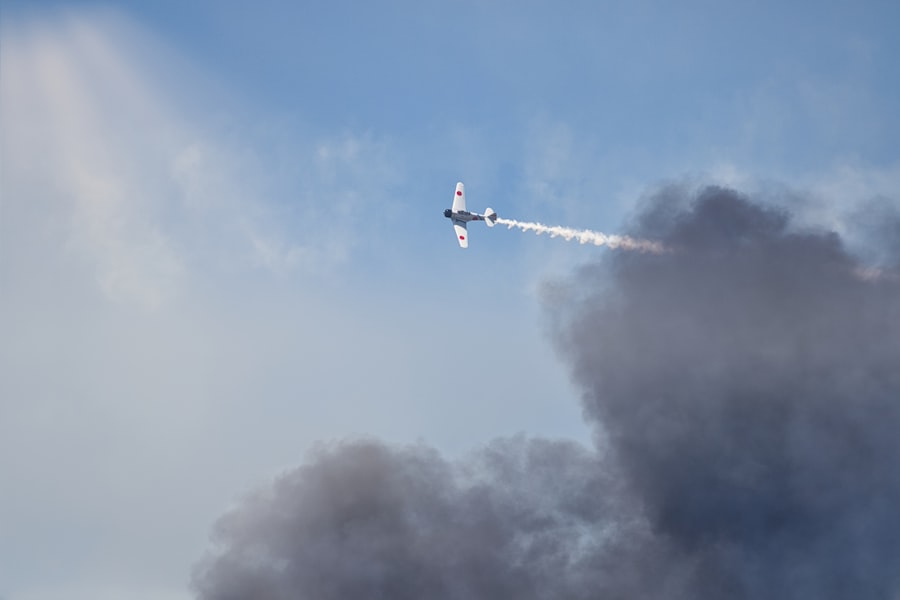
While the attack on Pearl Harbor was a tactical success, its strategic implications were disastrous for Japan. It failed to achieve its primary objective of neutralizing the US Pacific Fleet for an extended period and, more importantly, it galvanized the United States into a relentless and ultimately victorious adversary.
The Unintended Catalyst for Carrier Warfare
The Japanese objective was to neutralize the US battleships, the symbols of naval power at the time. However, the crucial absence of American aircraft carriers from Pearl Harbor on that fateful day proved to be a critical oversight. These carriers, which would soon become the dominant force in naval warfare, escaped destruction, allowing the United States to project power across the Pacific.
The Rise of the Aircraft Carrier
The success of carrier-based air power in subsequent battles, such as the Battle of Midway, demonstrated the obsolescence of the battleship as the primary capital ship. Japan’s gamble on a battleship-centric navy was outmaneuvered by the United States’ embrace of carrier aviation, a shift in naval doctrine that the Japanese failed to fully comprehend until it was too late.
The Failure to Cripple American Will
The Japanese strategists believed that a swift and decisive blow would break the American will to fight. Instead, the attack on Pearl Harbor ignited a fervent nationalistic fervor and a deep-seated desire for revenge. The psychological impact of the attack was the opposite of what was intended, strengthening American resolve rather than weakening it.
The “Remember Pearl Harbor” Slogan
The phrase “Remember Pearl Harbor” became a powerful rallying cry for the Allied forces throughout the war. It served as a constant reminder of the unprovoked aggression and fueled the determination to achieve unconditional victory. This enduring slogan underscored the profound impact of the attack on the American psyche.
The Global Reach of the Consequences: A World Forever Changed

The attack on Pearl Harbor was not merely a regional conflict; it was a pivotal moment that drew the United States fully into World War II, fundamentally altering the global balance of power and setting the stage for the post-war world order.
The War in the Pacific: A Brutal and Costly Campaign
The immediate aftermath of Pearl Harbor saw Japan launch a series of swift and successful invasions across Southeast Asia and the Pacific. However, these initial victories were unsustainable against the mounting might of the Allied forces. The war in the Pacific devolved into a brutal and costly campaign of island hopping, with immense human cost on both sides.
The Iwo Jima and Okinawa Campaigns
The battles for islands like Iwo Jima and Okinawa represented the grim reality of the Pacific War. These intensely fought engagements, characterized by fierce Japanese resistance and heavy American casualties, demonstrated the lengths to which Japan would go to defend its perceived empire, further solidifying the grim determination of the Allies to achieve total victory.
The Atomic Bomb and the End of the War
The eventual end of the war in the Pacific was marked by the unprecedented use of atomic weapons on the Japanese cities of Hiroshima and Nagasaki. This catastrophic event, a direct consequence of the prolonged and devastating conflict initiated by Pearl Harbor, ushered in the nuclear age and forever changed the nature of warfare.
The Dilemma of Unconditional Surrender
The demand for unconditional surrender, a stance solidified by the memory of Pearl Harbor and the immense sacrifices made, ultimately led to the horrific deployment of atomic bombs. The Japanese leadership, facing utter annihilation, finally capitulated, bringing an end to the deadliest conflict in human history.
The attack on Pearl Harbor is often viewed as a pivotal moment that ultimately led to Japan’s downfall in World War II. The surprise assault galvanized the United States, leading to a full-scale entry into the war and a series of military campaigns that would decisively turn the tide against Japan. For a deeper understanding of how this event shaped the course of the war, you can read a related article that explores the strategic miscalculations made by Japan and their long-term consequences. This insightful piece can be found here.
The Lasting Legacy: Lessons Learned and Unlearned
| Reasons | Impact |
|---|---|
| Surprise Attack | Caught the US off guard and led to significant damage to the Pacific Fleet |
| Loss of Aircraft Carriers | Japan failed to destroy US aircraft carriers, which played a crucial role in the later battles |
| United States’ Entry into the War | Provoked the US to declare war on Japan, leading to a powerful enemy entering the conflict |
| Industrial Capacity | US industrial capacity allowed for rapid production of war materials and ships |
| Allied Support | Japan faced increasing pressure from Allied forces in the Pacific |
The attack on Pearl Harbor remains a stark reminder of the perils of miscalculation, the unpredictable nature of warfare, and the profound consequences of initiating conflict. Its legacy continues to shape international relations and military strategy.
The Evolution of Intelligence Gathering
The failure of American intelligence to anticipate the Pearl Harbor attack led to a significant overhaul of its intelligence agencies and methodologies. The establishment of organizations like the Central Intelligence Agency (CIA) can trace its origins, in part, to the lessons learned from this devastating intelligence failure.
The Importance of Foresight and Adaptability
The story of Pearl Harbor underscores the critical importance of foresight, adaptability, and a deep understanding of an adversary’s capabilities and motivations. The Japanese, blinded by their own hubris and strategic assumptions, failed to account for the immense potential of their enemy, leading to their ultimate defeat.
The End of an Empire and the Dawn of a New Era
The consequences of Pearl Harbor were not confined to the battlefield. The war led to the dismantling of the Japanese Empire, the rise of the United States as a global superpower, and the establishment of a new international order. The seeds of Japan’s destruction were sown in the very act that was intended to secure its dominance.
The Pacific as a Landscape of Transformation
The Pacific, once a stage for imperial ambitions, became a landscape of profound transformation. The war brought an end to colonial rule in many parts of Asia and led to the rise of new nations, forever altering the political and economic map of the region. The unforeseen consequences of Pearl Harbor, from the ashes of conflict, gave birth to a new world order.

Japan Won Pearl Harbor—So Why Did It Lose the War?
FAQs
1. What was the significance of the attack on Pearl Harbor for Japan?
The attack on Pearl Harbor was significant for Japan as it led to the United States entering World War II. This ultimately resulted in Japan facing a powerful and determined adversary, leading to their eventual defeat.
2. How did the attack on Pearl Harbor impact Japan’s military strategy?
The attack on Pearl Harbor forced Japan to spread its military resources thin, as they were now engaged in a two-front war against the United States and its allies in the Pacific, as well as against China in Asia. This strained their military capabilities and made it difficult to sustain their war efforts.
3. What were the long-term consequences of the attack on Pearl Harbor for Japan?
The attack on Pearl Harbor led to a prolonged and costly war for Japan, ultimately resulting in their defeat and the devastation of their economy and infrastructure. The use of atomic bombs on Hiroshima and Nagasaki further solidified their defeat and led to Japan’s surrender.
4. How did the attack on Pearl Harbor impact Japan’s international standing?
The attack on Pearl Harbor significantly damaged Japan’s international standing, leading to their isolation and the loss of support from other countries. This further weakened their position in the war and its aftermath.
5. What lessons can be learned from the impact of the attack on Pearl Harbor for Japan?
The attack on Pearl Harbor serves as a reminder of the potential consequences of initiating a war without fully considering the capabilities and determination of the opposing forces. It also highlights the importance of diplomatic efforts and the potential long-term repercussions of military actions.