Uncovering the Untold Truth of the Bin Laden Raid
The raid that culminated in the death of Osama bin Laden, the mastermind behind the September 11th attacks, remains a pivotal moment in recent history. While the broad strokes of Operation Neptune Spear are widely known, a deeper examination reveals a complex tapestry of strategic decisions, operational challenges, and lingering questions that continue to fuel debate and intrigue. The official narrative, while largely accepted, often glosses over the intricate planning, the nail-biting execution, and the subtle nuances that defined this historic mission.
The hunt for Osama bin Laden was not a sudden endeavor. It was a protracted and often frustrating pursuit that spanned over a decade, marked by intelligence gathering, diplomatic maneuvers, and a persistent belief that bringing him to justice was paramount. This section delves into the early days of the hunt, the intelligence failures and successes, and the growing certainty that he was hiding within the borders of Pakistan.
From Tora Bora to Abbottabad: The Shifting Sands of Intelligence
Following the US-led invasion of Afghanistan in late 2001, bin Laden, along with many al-Qaeda operatives, retreated into the rugged terrain of the Tora Bora mountains. While initial efforts to capture him in Tora Bora were unsuccessful, the intelligence community never ceased its efforts. Over the ensuing years, fragmented pieces of information trickled in, painting a picture of a leader who was increasingly isolated but still capable of influencing extremist ideologies. The intelligence gathered was often contradictory, hampered by the difficulty of operating in the tribal areas of Pakistan and the inherent secrecy of al-Qaeda’s operations. However, a consistent thread emerged: the belief that bin Laden was alive and actively directing terrorist activities from within Pakistan. This unwavering conviction, despite the lack of definitive proof for extended periods, became the driving force behind the eventual decision to launch a raid.
The “Phantom Menace”: The Elusive Nature of a Target
Bin Laden’s ability to evade capture for so long was a testament to his cunning and the operational security he maintained. He was a master of disguise, frequently moving between different compounds and utilizing couriers to communicate. This elusiveness fostered a sense of a “phantom menace,” a figure whose existence and location were debated even as his influence loomed large. The intelligence community grappled with the challenge of distinguishing credible information from misinformation and rumor. The psychological impact of this prolonged hunt also cannot be overstated. For the families of 9/11 victims and for many Americans, the idea that bin Laden remained at large was a source of deep pain and anger. This sustained pressure undoubtedly influenced the urgency with which the search continued.
The Crucial Tip-Off: The Role of Human Intelligence
The breakthrough that ultimately led to the Abbottabad compound did not come from satellite imagery alone. It was the result of painstaking human intelligence work and a willingness to follow leads that, at times, seemed insignificant. The identification of a key courier, and subsequently his brother, who were later revealed to be living at the Abbottabad compound, was instrumental. The CIA’s relentless efforts to build a network of informants within Pakistan, despite the inherent risks and complexities, proved to be the linchpin. This underscores the enduring importance of human intelligence in an age dominated by technological surveillance. The ability to cultivate relationships, extract information, and verify its authenticity remains a critical component of national security.
The hidden story behind the bin Laden raid reveals a complex web of intelligence, strategy, and the human elements involved in one of the most significant military operations in recent history. For a deeper understanding of the intricacies and lesser-known aspects of this operation, you can explore a related article that delves into the behind-the-scenes decisions and the impact on those involved. To read more about this fascinating topic, visit this article.
The Shadow War: The Unseen Preparations
The decision to launch a raid on a sovereign nation, particularly one that was a nominal ally, was fraught with immense political and strategic risks. The preparations for Operation Neptune Spear were conducted in the utmost secrecy, involving a select group of individuals and meticulously planned contingencies. This section explores the extraordinary measures taken to ensure the mission’s success and minimize collateral damage.
The “Black Swan” Event: Justifying the Unconventional
The possibility of a unilateral raid into Pakistan was a “black swan” event, a scenario that was always on the table but rarely discussed openly due to the potential diplomatic fallout. The intelligence indicating bin Laden’s presence in Abbottabad reached a critical mass, prompting a rigorous assessment of options. The risk of informing the Pakistani government was the potential for intelligence leaks or for bin Laden to be moved. The risk of a unilateral raid was the severe diplomatic crisis it could trigger if discovered or if the mission failed. Ultimately, the perceived threat and the window of opportunity, however small, led to the consideration of an unconventional approach. The debate within the highest echelons of government was intense, weighing the potential gains against the significant risks.
Rehearsals in the Desert: Crafting the Perfect Storm
The elite Navy SEALs of SEAL Team Six underwent extensive and rigorous training for the mission. Their preparations were not confined to sandy beaches; they involved detailed rehearsals in simulated environments in the Nevada desert. These mock-ups of the Abbottabad compound, built to scale and detail, allowed the operators to practice every aspect of the raid. This included breaching methods, room-clearing techniques, and the precise timings required to neutralize threats and exfiltrate safely. The “black helicopters” used in the raid were specifically modified, capable of stealthier operation and equipped with advanced technology. The entire operation was a meticulously choreographed dance, with each movement and action rehearsed to perfection. The sheer dedication and professionalism of the SEALs, who understood the immense stakes involved, were crucial to their success.
The Political Tightrope: Navigating Diplomatic Minefields
The decision to proceed with the raid was ultimately made by President Obama, a decision that carried the weight of immense responsibility. The delicate political tightrope he had to walk was considerable. Pakistan, while an ally in the war on terror, had a complex and often strained relationship with the United States. Informing them of the impending raid risked a catastrophic intelligence leak or a diplomatic breakdown. The decision to proceed without their explicit knowledge, while strategically sound in terms of operational security, carried the potential for severe repercussions if discovered. The subsequent fallout, while managed, highlighted the inherent complexities of international relations and intelligence operations. The careful management of the post-raid narrative was also crucial in mitigating potential diplomatic damage.
The Night of the Raid: A Symphony of Stealth and Violence
The actual operation on May 2, 2011, was a tense and chaotic ballet of precision and brute force. This section aims to reconstruct the events of that night, from the initial insertion to the final confirmation of bin Laden’s death, shedding light on the operational challenges faced by the SEALs.
The Unforeseen Complication: The Crippled Helicopter
The mission did not unfold without its share of unforeseen complications. The most significant was the crash of one of the Black Hawk helicopters shortly after entering Pakistani airspace. While the crew was able to escape and demolish the aircraft to prevent it from falling into enemy hands, the incident created an unexpected diversion and a potential security breach. This unforeseen event forced the SEALs to adapt their plan on the fly, adding an extra layer of tension and improvisation to an already high-stakes operation. The quick thinking and professional response of the crew in destroying the helicopter were critical in maintaining the overall secrecy of the mission.
The Abbottabad Compound: A Fortress Under Siege
Upon reaching the Abbottabad compound, the SEALs encountered a more fortified structure than anticipated. The walls were higher, and there were signs of defensive measures. The raid involved breaching multiple barriers and engaging al-Qaeda fighters who offered resistance. The SEALs moved through the compound with speed and efficiency, neutralizing threats in a systematic manner. The intense firefight that ensued, though brief, was a testament to the combat effectiveness of the SEALs. The objective was clear: locate and neutralize bin Laden with minimal civilian casualties. The operation was designed to be swift and decisive.
The Moment of Confirmation: “Geronimo”
The climactic moment arrived when the SEALs entered bin Laden’s personal quarters. After a brief confrontation, Osama bin Laden was shot and killed. The confirmation of his identity was crucial, involving DNA testing and facial recognition. The code word “Geronimo” was transmitted to signal the successful completion of the primary objective. The ensuing hours were dedicated to securing the compound, gathering intelligence materials, and exfiltrating the SEALs and bin Laden’s body. The immense pressure on the operators to ensure positive identification and to complete the mission without compromising their own lives or the overall objective was immense.
The Aftermath and the Lingering Questions
The death of Osama bin Laden was met with widespread relief and a sense of closure for many. However, the raid also left behind a trail of unanswered questions and ongoing debates. This section examines the immediate aftermath, the disposal of bin Laden’s body, and the continuing discussions about the raid’s legacy.
The Sea Burial: A Controversial Decision
The decision to bury Osama bin Laden at sea, rather than holding a traditional burial or handing over his remains to a third party, was a contentious one. The official explanation was to prevent the creation of a potential shrine for his followers. However, this decision sparked debate among religious scholars and human rights advocates. The lack of a marked grave also meant that a physical site for remembrance or protest was denied. The swift and decisive nature of the burial, while pragmatic from a security standpoint, left some feeling that a key historical moment was obscured.
The Intelligence Haul: A Treasure Trove of Information
The intelligence gathered from bin Laden’s compound was considered a significant victory. It provided valuable insights into al-Qaeda’s current operations, its funding, and its future plans. The analysis of this material has been ongoing for years, revealing critical information that has undoubtedly contributed to ongoing counter-terrorism efforts. The sheer volume and significance of the documents, computer files, and other materials seized underscore the importance of the raid beyond the immediate objective of eliminating bin Laden. This intelligence has been a cornerstone of understanding and combating global terrorism.
The “Untold” Narratives: Diverse Perspectives and Enduring Debates
Despite the official accounts, the raid continues to be a subject of intense scrutiny and diverse interpretations. Questions have been raised about the exact circumstances of bin Laden’s death, the role of Pakistani intelligence, and the broader implications for the war on terror. Some narratives emphasize the bravery and precision of the SEALs, while others focus on the political complexities and the ethical considerations of the operation. The fact that bin Laden was killed in Pakistan, and not captured alive, has fueled ongoing discussions about international law and the limits of unilateral military action. The lack of complete transparency surrounding certain aspects of the operation has allowed for the proliferation of speculation and alternative theories, contributing to the enduring “untold” aspect of this historic event. The varying perspectives, from the official pronouncements to the anecdotal accounts of those involved, paint a richer, albeit more complex, picture of the raid.
The hidden story behind the bin Laden raid reveals not only the complexities of the operation but also the intricate web of intelligence that led to its success. For those interested in delving deeper into the nuances of this historic event, a related article can be found at In the War Room, which explores the strategic decisions and challenges faced by the team involved in the mission. Understanding these elements provides a richer context to the narrative that has shaped public perception of the raid and its aftermath.
The Legacy of Neptune Spear: A Complex Conclusion to a Chapter
| Metric | Details |
|---|---|
| Date of Raid | May 2, 2011 |
| Location | Abbottabad, Pakistan |
| Duration of Raid | Approximately 40 minutes |
| Number of SEALs Involved | 23 Navy SEALs |
| Number of Helicopters Used | 2 (1 crashed during the raid) |
| Casualties | Bin Laden killed, 1 SEAL injured, 1 helicopter destroyed |
| Intelligence Sources | Years of CIA surveillance, informants, and intercepted communications |
| Controversies | Pakistan’s knowledge of the compound, disposal of Bin Laden’s body, and raid secrecy |
| Post-Raid Impact | Boosted U.S. morale, strained U.S.-Pakistan relations, increased counterterrorism efforts |
Operation Neptune Spear marked the end of a chapter, but the story of Osama bin Laden and the fight against terrorism is far from over. This section reflects on the raid’s lasting impact on global security, international relations, and the broader narrative of the war on terror.
A Symbolic Victory, Not an End to Terrorism
The death of Osama bin Laden was undeniably a symbolic victory of immense proportions. It represented the culmination of years of effort and a significant blow to al-Qaeda. However, it did not signal the end of terrorism. Extremist ideologies continue to evolve and adapt, and new threats have emerged in the years since the raid. The focus has shifted from a singular figurehead to a more decentralized and networked form of extremism. The raid served as a powerful statement, but it was a step in a much longer and ongoing struggle.
The Shifting Sands of Geopolitics: Pakistan’s Role and Future Relations
The raid significantly impacted the relationship between the United States and Pakistan. While Pakistan maintained that it was unaware of the operation, the incident exposed a deep distrust and a complex web of conflicting interests. The future of US-Pakistan relations remains a delicate balancing act, influenced by regional stability, counter-terrorism efforts, and economic partnerships. The raid highlighted the challenges of operating in a region where national sovereignty and counter-terrorism imperatives can often clash.
The Enduring Echo: Lessons Learned and Future Precedents
The lessons learned from Operation Neptune Spear continue to inform contemporary counter-terrorism strategies and military planning. The raid showcased the effectiveness of specialized units, the importance of intelligence superiority, and the intricate decision-making processes involved in high-stakes operations. It also served as a stark reminder of the persistent threat of global terrorism and the ongoing need for vigilance and adaptability in the face of evolving threats. The raid, with its successes and its lingering questions, stands as a pivotal event, the full implications of which will continue to be debated and analyzed for years to come. It is a testament to the complexities of modern warfare, the challenges of intelligence gathering, and the enduring human desire for justice, even in the face of seemingly insurmountable obstacles.
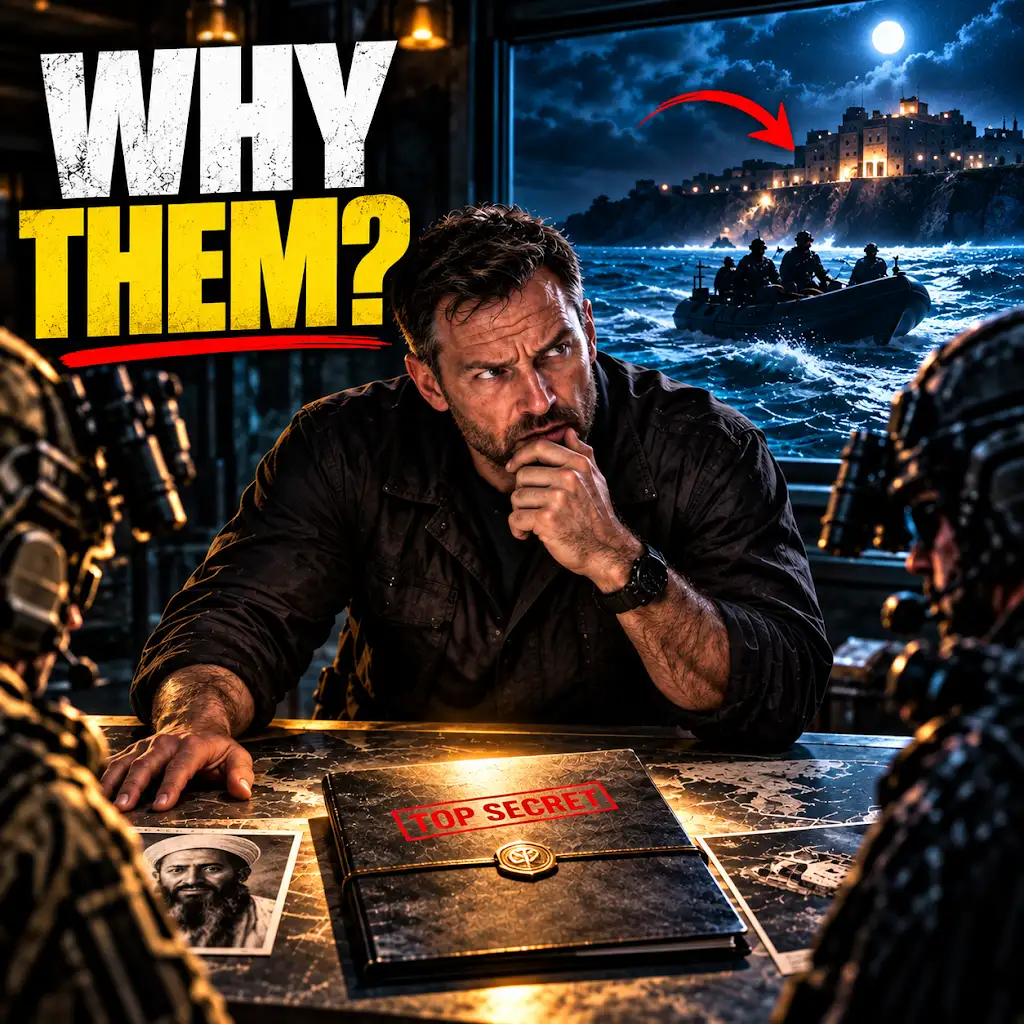
Why SEAL Team Six Got the Bin Laden Raid — Not Delta Force
FAQs
What was the purpose of the raid on Osama bin Laden’s compound?
The purpose of the raid on Osama bin Laden’s compound was to capture or kill the leader of the terrorist organization al-Qaeda, responsible for the September 11 attacks on the United States.
Who conducted the raid on Osama bin Laden’s compound?
The raid on Osama bin Laden’s compound was conducted by the United States Navy SEALs, specifically SEAL Team Six, on May 2, 2011.
What was the outcome of the raid on Osama bin Laden’s compound?
The outcome of the raid on Osama bin Laden’s compound was the death of Osama bin Laden. His body was later buried at sea in accordance with Islamic traditions.
How did the United States locate Osama bin Laden’s compound?
The United States located Osama bin Laden’s compound in Abbottabad, Pakistan through a combination of intelligence gathering, surveillance, and analysis over several years.
What impact did the raid on Osama bin Laden’s compound have on the fight against terrorism?
The raid on Osama bin Laden’s compound was a significant milestone in the fight against terrorism, as it dealt a major blow to al-Qaeda and sent a message that terrorists would be held accountable for their actions.