The air in the briefing room was thick with anticipation. The weight of each decision, the gravity of each potential deployment, pressed down on the minds of those gathered. This was not just a meeting; it was the crucible where the fate of highly specialized missions, entrusted to one of the world’s most elite counter-terrorism units, was forged. The selection process for Delta Force missions was a labyrinth of scrutiny, designed to filter out all but the most exceptional individuals. It was a journey that began long before the deployment orders were cut and continued through every phase of mission planning and execution.
The genesis of a Delta Force mission rarely springs from a spontaneous decision. Instead, it is the culmination of extensive intelligence gathering, threat assessment, and strategic analysis. The unit does not simply react; it is tasked with addressing the most complex and sensitive national security threats.
Intelligence Dominance: The Foundation of Mission Activation
The operational tempo of Delta Force is intrinsically linked to the quality and quantity of actionable intelligence. Multiple agencies, both domestic and international, feed critical information into the intelligence apparatus. This constant flow of data, ranging from chatter intercepts and human source reporting to satellite imagery and cyber reconnaissance, is meticulously analyzed.
Constant Threat Monitoring: A 24/7 Vigil
The intelligence community operates under a perpetual state of vigilance. Analysts are tasked with identifying emerging threats, tracking known adversaries, and anticipating potential escalations. This proactive approach allows for early detection of situations that may eventually necessitate the intervention of a unit like Delta Force. Factors such as the rise of extremist ideologies, the proliferation of advanced weaponry, and the destabilization of volatile regions are continuously monitored.
The Role of SIGINT and HUMINT: Unveiling Hidden Plans
Signals Intelligence (SIGINT) and Human Intelligence (HUMINT) are paramount in this phase. SIGINT, through the interception and analysis of communications, can reveal enemy plans, troop movements, and internal dialogues. HUMINT, relying on human sources, provides invaluable insights into the intentions, capabilities, and vulnerabilities of adversaries that might otherwise remain hidden. The corroboration of intelligence from multiple sources is crucial for building a comprehensive and reliable picture.
Threat Assessment and Risk Analysis: Quantifying the Danger
Once potential threats are identified, a rigorous assessment process begins. This involves a multi-faceted analysis of the nature, scope, and potential impact of the threat. The objective is to determine if the threat rises to a level that warrants the unique capabilities of Delta Force.
Escalation Triggers: When Diplomacy Fails
The decision to consider Delta Force is typically made when diplomatic avenues have been exhausted or are deemed insufficient to neutralize the threat. This might include situations involving hostage crises, imminent terrorist attacks, the retrieval of critical intelligence assets, or the disruption of WMD proliferation. The potential for international repercussions or the loss of American lives often serves as a significant escalation trigger.
Capability Matching: Aligning the Threat with Delta’s Strengths
A key element of the assessment is determining if Delta Force possesses the specific skill sets and operational capabilities required to successfully address the threat. This involves evaluating the enemy’s capabilities, the operational environment, and the potential for success versus the risks involved. Delta Force is not a blunt instrument; its deployment is a highly calculated decision based on a precise match between the problem and the solution.
Delta Force missions are meticulously selected through a rigorous process that assesses both the strategic importance of the objective and the capabilities of the team. Factors such as intelligence gathering, operational feasibility, and potential risks are carefully evaluated to ensure mission success. For a deeper understanding of the selection process and the criteria that guide these elite operations, you can read more in this related article at In the War Room.
The Rigorous Selection Pipeline: Cultivating Elite Operators
The operators who eventually form the core of Delta Force missions undergo a selection process that is legendary for its brutal intensity and unwavering focus on identifying individuals with extraordinary physical, mental, and psychological fortitude. This is not merely about recruitment; it’s about finding the needle in the haystack – individuals who can thrive under unimaginable pressure and execute missions with flawless precision.
Initial Screening and Application: The First Hurdle
The journey begins with a rigorous screening process. Candidates, typically drawn from seasoned members of other Special Operations Forces (SOF) communities such as the Army Rangers, Special Forces, and even some SEALs and Air Force Combat Controllers, must meet exceptionally high standards.
Eligibility Criteria: Beyond Basic Requirements
The eligibility criteria extend far beyond standard military qualifications. Candidates must have a proven track record of exceptional performance in their current units, demonstrating leadership, initiative, and a deep understanding of tactical operations. They must also pass stringent physical fitness tests that go well beyond the norm, assessing not just strength and endurance but also resilience under duress.
The Application Package: A Deep Dive into a Candidate’s Psyche
The application itself is not a simple form. It’s an extensive document designed to reveal the candidate’s motivations, psychological makeup, and past experiences. This often includes essays, detailed performance reviews, and psychological evaluations. The objective is to understand what drives them, how they handle adversity, and if they possess the inherent traits necessary for Delta Force’s demanding operational environment.
Phase I: The Unforgiving Assessment and Selection Course (ASOC)
The Assessment and Selection (ASOC) course is the most publicly acknowledged and perhaps the most grueling phase of the selection process. It is designed to push candidates to their absolute physical and mental limits, breaking them down only to rebuild them with the essential resilience Delta Force requires.
Endurance and Pain Tolerance: Pushing Beyond Perceived Limits
The ASOC is characterized by relentless physical exertion. Candidates are subjected to long marches with heavy loads, sleep deprivation, and constant physical challenges. The emphasis is on pushing beyond perceived limits, teaching them to function effectively even when exhausted and experiencing significant discomfort. This phase is designed to reveal who can maintain focus and composure when faced with overwhelming physical stress.
Teamwork and Leadership Under Pressure: Forging Cohesion
Despite the individual nature of some challenges, teamwork is a crucial element of the ASOC. Candidates are forced to rely on each other, to support those who are struggling, and to identify and follow competent leaders. They are observed closely for their ability to cooperate, communicate effectively, and maintain a positive attitude even when faced with setbacks. Leadership potential is often revealed in these high-stress scenarios.
Psychological Resilience: The True Test
Perhaps the most critical aspect of the ASOC is the assessment of psychological resilience. Candidates are deliberately placed in situations designed to provoke frustration, doubt, and a desire to quit. The instructors are looking for individuals who can maintain mental discipline, adapt to changing circumstances, and demonstrate an unwavering commitment to the mission. Those who buckle under the psychological pressure are quickly identified and eliminated.
Phase II: Advanced Skills Training and Evaluation
Upon successfully completing the ASOC, candidates move into a more specialized phase of training. This is where they begin to hone the advanced skills that are the hallmark of Delta Force operators.
Specialization Tracks: Mastering Specific Disciplines
Depending on the unit’s current needs and the candidate’s aptitude, they may enter specialization tracks focusing on areas such as advanced marksmanship, close-quarters combat (CQC), reconnaissance and surveillance, or specialized insertion methods. This training is highly intensive and designed to elevate their existing skills to an exceptionally high level.
Realistic Scenario Training: Simulating Mission Environments
This phase involves extensive scenario-based training that closely mimics the operational environments Delta Force might encounter. This includes simulated hostage rescue operations, counter-terrorism raids, and specialized recovery missions. The objective is to instill muscle memory and develop an intuitive understanding of how to operate in complex and dangerous situations.
Individual and Team Performance Metrics: Quantifying Excellence
Throughout this phase, candidates’ performance is meticulously documented and evaluated. This goes beyond subjective observation; specific metrics are used to assess accuracy in marksmanship, efficiency in CQC, effectiveness in intelligence gathering, and overall contribution to team objectives. This data provides a clear picture of each candidate’s strengths and weaknesses.
The Operational Deployment Cycle: From Mission Assignment to Debrief
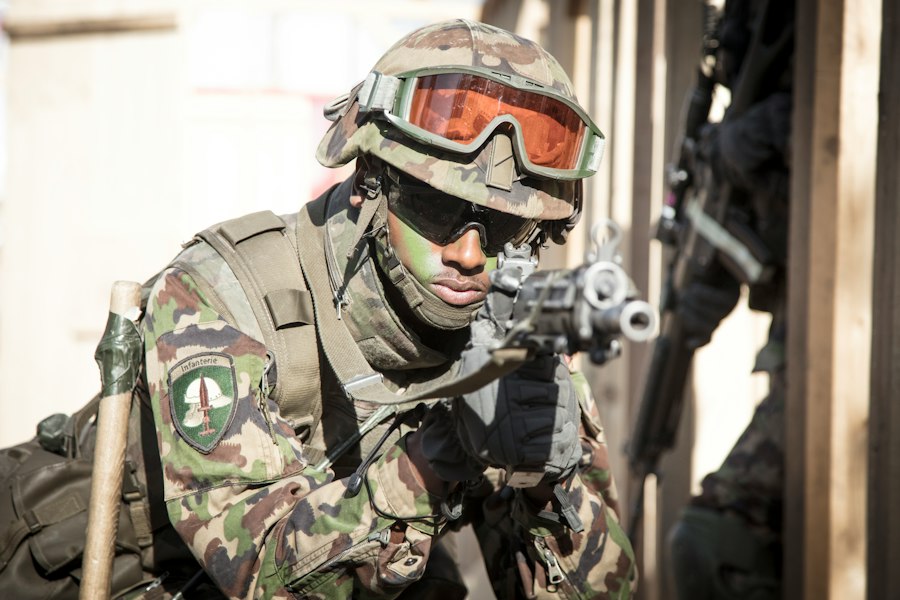
Once an operator has successfully navigated the selection and training pipeline, they become part of the Delta Force operational cadre. The deployment cycle for a mission is a precisely orchestrated sequence of events, beginning with the mission assignment and culminating in a thorough debriefing.
Mission Assignment and Intelligence Briefing: Understanding the Objective
The assignment of a mission to Delta Force is the result of the initial selection process at the strategic level. Once identified as the appropriate unit for a particular threat, Delta Force is tasked with the operation. This is where the operator’s journey truly shifts from preparation to execution.
Threat Intelligence Refinement: The Deeper Dive
At this stage, the intelligence picture becomes significantly more detailed and refined. Operators receive comprehensive briefings on the specific threat, the adversary’s capabilities and intentions, the operational environment, and any known intelligence gaps. This often involves classified information from multiple sources and requires operators to synthesize vast amounts of data.
Mission Parameters and Objectives: Defining Success
The mission parameters are clearly defined, outlining the specific objectives, rules of engagement, and timelines. This is a critical phase where every operator must understand their role and the overall intent of the mission. Success is not just about eliminating a threat; it’s about achieving specific strategic outcomes with minimal collateral damage and risk.
Mission Planning and Rehearsal: Precision in Every Detail
This is arguably the most critical phase in ensuring mission success. The planning process is exhaustive, leaving no stone unturned, and rehearsals are conducted with an unwavering commitment to perfection.
Infiltration and Exfiltration Strategies: The Art of Entry and Exit
Detailed planning goes into how the team will infiltrate the operational area and how they will exfiltrate once the mission is complete. This can involve a variety of specialized methods, including HALO/HAHO jumps, covert waterborne insertions, or advanced overland movement. Each method is carefully assessed for risk and suitability to the specific mission environment.
Contingency Planning: Preparing for the Unexpected
Given the inherent risks of Delta Force operations, contingency planning is paramount. This involves identifying potential complications, developing alternative courses of action, and preparing for a wide range of scenarios, from equipment failure to unexpected enemy resistance. The goal is to ensure the team can adapt and overcome any challenge.
Full-Scale Rehearsals: Simulating Reality
Rehearsals are conducted in environments that closely replicate the actual mission location, often using mock-ups of the target structure or area. These rehearsals are incredibly realistic, involving the use of inert munitions and simulated enemy forces. The objective is to perfect every aspect of the operation, from entry and clearing to target engagement and extraction.
Execution and Adaptation: The Moment of Truth
The execution phase is the culmination of countless hours of training and meticulous planning. It is where the skills and resilience of Delta Force operators are put to the ultimate test.
Real-Time Intelligence Updates: Dynamic Adjustments
Throughout the mission, operators receive real-time intelligence updates, allowing them to adapt their plans and tactics as the situation evolves. This requires a high degree of situational awareness and the ability to make rapid, informed decisions under extreme pressure.
Operator Autonomy and Team Cohesion: The Individual and the Collective
While Delta Force operates as a highly cohesive unit, individual operators are empowered to make critical decisions within their assigned roles. This blend of individual initiative and team synergy is essential for overcoming unforeseen obstacles and achieving mission objectives efficiently.
Post-Mission Debriefing and Analysis: Learning and Improvement
The mission does not end with the successful completion of the objective. A comprehensive debriefing and analysis process follows, ensuring that lessons learned are captured and incorporated into future operations.
Immediate After-Action Review (AAR): Capturing Fresh Insights
Immediately after the mission, a detailed AAR is conducted. This allows operators to recall critical details, identify what went well, and pinpoint areas where improvements can be made. The focus is on capturing objective feedback while the memories are still fresh.
Intelligence Exploitation: Maximizing Value
Any intelligence gathered during the mission is meticulously analyzed and exploited. This can include captured equipment, documents, or information obtained from detainees. The goal is to glean as much actionable intelligence as possible to further inform ongoing counter-terrorism efforts and future mission planning.
Psychological and Physical Recovery: Recharging for the Next Challenge
The physical and psychological toll of Delta Force missions is significant. The post-mission period includes dedicated time for operators to recover physically and psychologically, ensuring they are prepared for the next deployment. This is a crucial aspect of maintaining the unit’s operational readiness and the well-being of its operators.
The Psychological Crucible: Mindset and Motivation in Selection
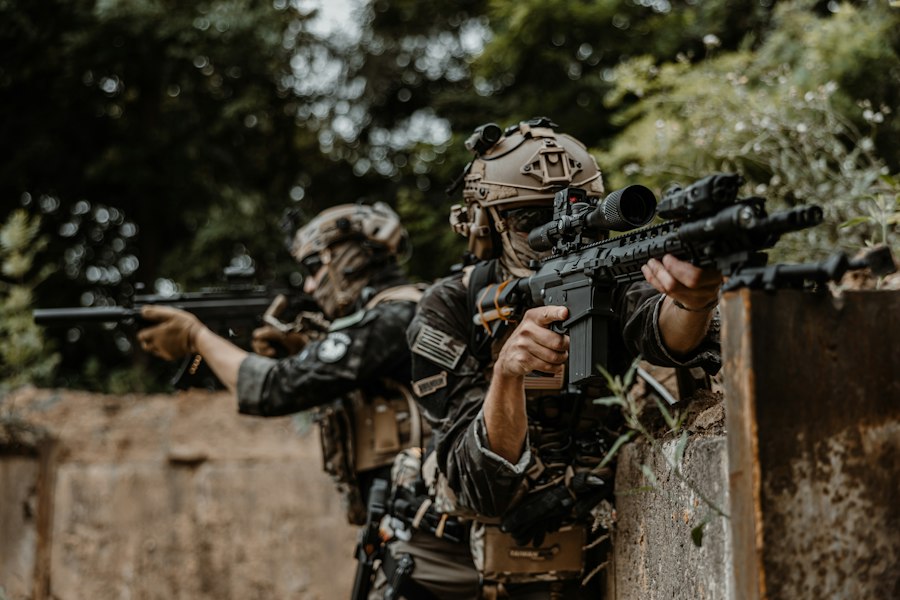
The physical demands of Delta Force selection are immense, but the psychological crucible is where candidates are truly tested. The ability to maintain mental fortitude, to control emotions, and to persevere through extreme adversity are qualities that cannot be trained as easily as physical prowess.
Unwavering Mental Toughness: The Core of Resilience
The selection process is designed to break down individuals and see who can rebuild themselves. It instills a deep understanding of personal limits and the ability to push beyond them, not out of recklessness, but out of a profound sense of duty and determination.
Stress Inoculation: Building Immunity to Pressure
Through relentless simulated stress, candidates are inoculated against the debilitating effects of extreme pressure. They learn to perform complex tasks, make critical decisions, and communicate effectively even when experiencing sleep deprivation, hunger, and physical exhaustion. This builds a mental armor against the psychological onslaught of real-world operations.
Emotional Regulation: Mastering Internal Chaos
The ability to control emotions is paramount. Candidates are observed for their reactions to frustration, failure, and perceived injustice. Those who succumb to anger, despair, or panic are weeded out. Instead, the focus is on individuals who can maintain a calm and rational demeanor, even in the face of chaos.
The Power of Motivation: Why They Endure
The motivation to endure such an arduous process is multifaceted and deeply personal. It is a driving force that propels candidates through the darkest moments of selection.
Intrinsic Drive: The Unquenchable Desire to Excel
Many candidates are driven by an intrinsic desire to be the best, to push their own boundaries, and to prove their capabilities. This internal fire is often fueled by a deep-seated commitment to serving their country at the highest level.
Mission Purpose: The Weight of Responsibility
The understanding of the critical nature of Delta Force missions provides a powerful external motivator. Knowing that their efforts directly contribute to national security and the protection of lives can provide the strength to persevere when all other impulses suggest quitting. The weight of responsibility becomes a source of power.
Peer Respect and Unit Cohesion: The Bond of the Elite
The prospect of earning the respect of their peers and becoming part of an elite unit with a legendary reputation also plays a significant role. The strong bonds forged through shared hardship and a common purpose create a powerful sense of belonging and mutual accountability.
The selection process for Delta Force missions is a highly strategic and meticulous endeavor, often influenced by various factors such as national security priorities and intelligence assessments. For a deeper understanding of how these missions are chosen and the criteria involved, you can refer to a related article that explores the intricate decision-making processes behind special operations. This article provides valuable insights into the operational framework and the challenges faced by elite units. To learn more about this topic, check out the article here.
The Evolving Landscape: Adapting to Modern Threats
| Criteria | Description | Importance Level | Example Metrics |
|---|---|---|---|
| Threat Assessment | Evaluation of enemy capabilities, intentions, and potential impact | High | Enemy strength, weaponry, intelligence reports |
| Strategic Value | How the mission aligns with national security objectives | High | Impact on regional stability, political significance |
| Intelligence Quality | Reliability and timeliness of intelligence supporting the mission | High | Source credibility, intel freshness, corroboration level |
| Operational Feasibility | Assessment of mission complexity, terrain, and available resources | Medium | Insertion/extraction options, support availability |
| Risk Assessment | Potential risks to personnel and mission success | High | Casualty estimates, likelihood of mission compromise |
| Political Considerations | Impact on diplomatic relations and public perception | Medium | Allied support, media exposure risk |
| Time Sensitivity | Urgency of the mission and window of opportunity | High | Intel expiration, enemy movement timelines |
The nature of threats to national security is constantly evolving, and so too must the capabilities and selection processes of units like Delta Force. The demands placed on these operators are continuously adapting to a dynamic global landscape.
Technological Advancements: The Integration of Cutting-Edge Tools
Modern warfare and counter-terrorism are increasingly influenced by technology. Delta Force operators are expected to be proficient with a wide array of advanced tools, from sophisticated communication systems and surveillance equipment to cyber warfare capabilities and advanced weaponry.
Digital Warfare and Cyber Operations: A New Frontier
The rise of cyber threats necessitates a new breed of operator. Selection and training now incorporate individuals with expertise in digital warfare, cyber reconnaissance, and information operations. This ensures Delta Force can operate effectively in both the physical and virtual realms.
Advanced Surveillance and Reconnaissance: Eyes and Ears in Every Environment
The ability to gather intelligence in any environment, using cutting-edge surveillance technology, is crucial. This includes drones, advanced sensors, and electronic warfare capabilities, all of which require specialized training and a high degree of technical proficiency.
Asymmetric Warfare and Irregular Threats: The Non-Traditional Adversary
The adversaries Delta Force faces are often not state actors with conventional military structures. They are frequently comprised of decentralized, non-state groups that employ asymmetric tactics and operate in complex, often politically sensitive, environments.
Cultural Acumen and Language Proficiency: Bridging Divides
Operating effectively in diverse cultural landscapes requires more than just tactical skills. Delta Force operators are increasingly assessed for their cultural acumen, their ability to understand local customs and nuances, and, in some cases, their language proficiency. This facilitates effective engagement and de-escalation when necessary.
Adaptability to Hybrid Warfare: The Blurred Lines of Conflict
The concept of hybrid warfare, where conventional and unconventional tactics are blended, presents unique challenges. Delta Force must be prepared to operate in environments where the lines between combatants and civilians are blurred, and where information warfare is as potent as kinetic action. The selection process seeks individuals who can navigate these complex and ambiguous situations with clarity and decisive action.
The selection process for Delta Force missions is not merely a recruitment funnel; it is a crucible designed to forge individuals capable of operating at the apex of human performance. It is a testament to the dedication, resilience, and unwavering commitment required to protect national interests in the face of the most perilous threats. The journey is arduous, the standards are impossibly high, and the stakes are unimaginably great, but it is through this rigorous selection that the world’s most elite counter-terrorism unit is sustained, ready to answer the call when the nation needs it most.
Why SEAL Team Six Got the Bin Laden Raid — Not Delta Force
FAQs
What is Delta Force?
Delta Force is a special operations unit within the United States Army, specializing in counterterrorism and other high-risk missions.
How are Delta Force missions selected?
Delta Force missions are selected based on a variety of factors, including intelligence gathered by various agencies, the strategic objectives of the mission, and the capabilities of the Delta Force operators.
Who decides which missions Delta Force will undertake?
The selection of Delta Force missions is ultimately decided by high-ranking military officials, often in consultation with intelligence agencies and other government entities.
What criteria are used to determine if a mission is suitable for Delta Force?
Criteria used to determine if a mission is suitable for Delta Force include the level of risk involved, the potential impact of the mission on national security, and the likelihood of success given the capabilities of Delta Force operators.
Are Delta Force missions always successful?
While Delta Force is highly trained and skilled, not all missions are successful. Factors such as unexpected enemy resistance, equipment malfunctions, or other unforeseen circumstances can impact the outcome of a mission.