The flickering images on screen promised revelation, a journey into the shadowed corridors of post-war European politics. The documentary, simply titled “Uncovering the Truth: Operation Gladio,” was about to peel back layers of secrecy that had shrouded a clandestine network for decades. The narrator’s voice, grave and measured, set the stage for a narrative that would explore the alleged existence of a secret NATO-backed “stay-behind” organization designed to counter Soviet influence during the Cold War, but which, according to the filmmakers, had a far more sinister and destabilizing agenda.
The Shadows of the Cold War
The Cold War, a period of geopolitical tension between the United States and the Soviet Union, cast a long shadow over Europe. The fear of a Soviet invasion or communist uprising was palpable, and Western governments, particularly the United States and its allies, were determined to prevent the spread of communism on the continent. This fear fueled a range of covert operations and strategies, some officially acknowledged, others deeply buried in classified archives. Operation Gladio, the documentary argued, was one of the most significant and controversial of these covert endeavors.
The Genesis of Stay-Behind Networks
The documentary began by tracing the origins of “stay-behind” organizations. Following World War II, intelligence agencies, most notably the CIA, began establishing networks of trained operatives and stockpiled weapons across Western Europe. The official justification was simple: in the event of a Soviet invasion, these cells would engage in sabotage, intelligence gathering, and resistance, operating behind enemy lines. These networks were ostensibly designed to be activated only in the direst of circumstances.
The Italian Connection: A Case Study
Italy, with its strong communist party and a history of political instability, became a focal point for these operations, and the documentary dedicated a significant portion of its early segments to its alleged Italian iteration, “Gladio.” The filmmakers presented evidence suggesting that these networks were not merely passive reserves but were actively involved in the political landscape, sometimes in ways that were deeply disturbing.
The Strategy of Tension
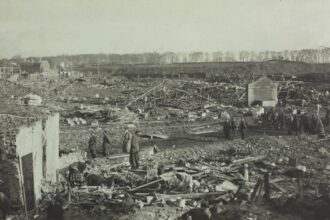
One of the most chilling allegations presented was the “strategy of tension.” According to the documentary, in countries like Italy, elements within the Gladio network, in conjunction with right-wing extremist groups and possibly elements of intelligence agencies, deliberately orchestrated terrorist attacks. The aim, it was argued, was to create an atmosphere of fear and chaos, thereby discrediting the left-wing political parties and justifying increased state security and a shift towards more authoritarian governance. The documentary highlighted a series of bombings and violent incidents in Italy during the 1970s and 1980s, suggesting a deliberate pattern aimed at manipulating public opinion and consolidating power.
The Operation Gladio documentary sheds light on the covert operations conducted by NATO and various intelligence agencies during the Cold War, revealing a complex web of political manipulation and clandestine activities. For a deeper understanding of the implications and historical context surrounding these operations, you can explore a related article that delves into the broader impact of such covert actions on global politics. Check out the insightful piece available at In The War Room for more information.
Unveiling the Network: Evidence and Testimonies
The strength of “Uncovering the Truth: Operation Gladio” lay in its presentation of purported evidence and the inclusion of interviews with individuals who claimed to have insider knowledge. While official denials and stonewalling were presented as further proof of a cover-up, the documentary sought to build a case through a combination of declassified documents, investigative journalism, and the testimonies of former operatives, intelligence officials, and victims of the alleged violence.
The Role of Intelligence Agencies
The documentary explicitly named and implicated various intelligence agencies, including the CIA, MI6, and Italian intelligence services, in the planning, funding, and execution of Gladio’s activities. It suggested that these agencies were not merely facilitating the networks but were actively directing their operations, often with a hidden agenda that went beyond simply countering Soviet aggression. The filmmakers explored the complex web of allegiances and operational autonomy that characterized these secret organizations.
The Paradox of Protection
The central paradox explored by the documentary was the idea that an organization ostensibly created to protect democracy from communism may have, in fact, undermined democratic processes through its clandestine and often violent actions. The filmmakers argued that by employing terror tactics, these groups inadvertently or deliberately created a climate that eroded civil liberties and fostered distrust in state institutions.
The Mystery of the Missing Documents
A recurring theme in the documentary was the difficulty in obtaining concrete, irrefutable evidence. The filmmakers attributed this to the highly classified nature of the operations and the deliberate destruction or withholding of documents. They presented instances where official investigations were allegedly hampered by a lack of cooperation from relevant authorities, further fueling suspicions of a deep-seated cover-up.
The Human Cost: Victims and Their Stories
Beyond the geopolitical machinations, the documentary emphasized the profound human cost of Operation Gladio. It brought to the forefront the stories of individuals and families who were directly impacted by the alleged terrorist attacks and the climate of fear they engendered.
Bearing Witness to the Atrocities
The documentary featured interviews with survivors of bombings and other acts of violence attributed to Gladio-aligned groups. These testimonies offered a visceral glimpse into the suffering and trauma inflicted upon ordinary citizens. The personal narratives served as a powerful counterpoint to the abstract discussions of state security and geopolitical strategy, grounding the alleged conspiracy in the lived experiences of its victims.
The Fight for Justice
The film highlighted the persistent struggles of victims and their families to seek justice and accountability. They often faced significant obstacles, including uncooperative authorities, the passage of time, and the inherent difficulty in proving culpability for clandestine activities. The documentary presented these efforts as a testament to the resilience of those who refused to let the truth remain buried.
The Legacy of Impunity
A somber conclusion drawn by the filmmakers was the enduring legacy of impunity that seemed to surround Operation Gladio. Despite numerous investigations and accusations, few individuals or organizations were ever held fully accountable for the alleged crimes. This lack of closure, the documentary suggested, contributed to a lingering sense of unease and a distrust of state power.
Gladio in the Modern Era: Echoes of the Past
The documentary did not confine its analysis to the Cold War era. It sought to draw parallels between the tactics and structures of Operation Gladio and contemporary security concerns, suggesting that the legacy of these clandestine networks might still be influencing events.
The Evolution of Covert Operations
The filmmakers posited that while the overt threat of Soviet invasion faded, the infrastructure and methodologies developed for Gladio might have been adapted and repurposed for new geopolitical objectives. They explored the possibility of these networks morphing into instruments of state-sponsored terrorism or influencing political events in ways that were less about ideological struggle and more about maintaining power or pursuing specific national interests.
The Unseen Hand in Political Upheaval
The documentary raised unsettling questions about the potential involvement of covert organizations in more recent instances of political instability or unrest. While careful not to make unsubstantiated claims, the filmmakers implied that the techniques of manipulation and destabilization honed during the Gladio era could be employed by various state and non-state actors in the current global landscape.
The Enduring Question of Transparency
A central argument of “Uncovering the Truth: Operation Gladio” was the imperative for greater transparency in matters of national security and intelligence. The documentary contended that secrecy, while sometimes necessary, can also become a breeding ground for abuse and unchecked power. The continued existence of unanswered questions surrounding Operation Gladio served, in their view, as a stark reminder of the dangers of opaque government operations.
The Operation Gladio documentary sheds light on the clandestine activities of NATO during the Cold War, revealing a web of secret armies and covert operations. For those interested in exploring this topic further, a related article provides additional insights into the historical context and implications of these operations. You can read more about it in this detailed analysis that examines the impact of such strategies on modern geopolitics.
The Verdict: A Call for Reckoning
“Uncovering the Truth: Operation Gladio” was not simply a historical document; it was a call to action. The filmmakers urged viewers to question official narratives, to demand accountability, and to recognize the potential for clandestine networks to operate beyond the reach of democratic oversight.
The Importance of Independent Investigation
The documentary underscored the vital role of independent journalism and investigative research in shedding light on obscured truths. It highlighted how dedicated individuals, often working against significant resistance, could uncover critical information that might otherwise remain hidden.
Challenging the Status Quo
The film challenged the audience to move beyond passive acceptance of historical accounts and to actively engage with complex and uncomfortable truths. It encouraged critical thinking about the motivations behind state actions and the potential for unintended or even malicious consequences of seemingly protective measures.
The Unfinished Dialogue
Ultimately, “Uncovering the Truth: Operation Gladio” left the viewer with a profound sense of unease and a persistent call for a more complete reckoning with the past. The documentary served as a potent reminder that the shadows of history can cast long and revealing light on the present, and that the pursuit of truth, however difficult, remains an essential endeavor in safeguarding democratic principles and human rights. The questions it raised, about complicity, responsibility, and the enduring allure of covert power, continue to echo in the ongoing global dialogue about security, governance, and the nature of truth itself. The documentary aimed to ignite a conversation, to ensure that the stories of those affected by the alleged machinations of Operation Gladio would not be forgotten, and that the lessons learned from this dark chapter in history would not be lost to the mists of time.
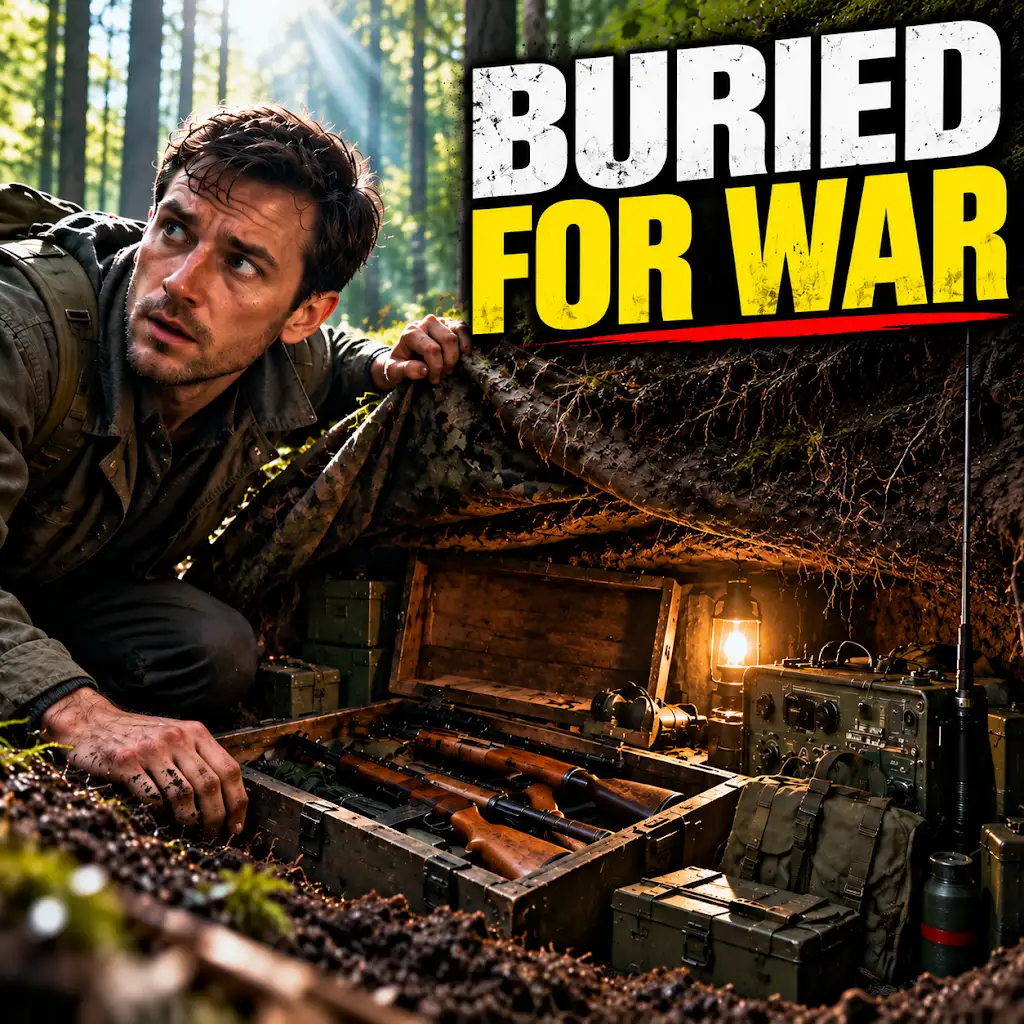
The Secret Armies NATO Prepared for a Soviet Invasion
FAQs
What is Operation Gladio?
Operation Gladio was a clandestine NATO operation that was established after World War II to counter potential Soviet invasion of Western Europe. It involved the creation of secret “stay-behind” armies in several European countries.
What was the purpose of Operation Gladio?
The purpose of Operation Gladio was to create a network of secret resistance fighters who would operate behind enemy lines in the event of a Soviet invasion. These operatives were trained to carry out acts of sabotage and guerrilla warfare.
What were some of the activities of Operation Gladio?
Operation Gladio operatives were involved in various activities, including intelligence gathering, sabotage, subversion, and propaganda. They were also tasked with creating and maintaining secret arms caches and communication networks.
When was Operation Gladio exposed?
Operation Gladio was exposed in the 1990s when Italian Prime Minister Giulio Andreotti publicly acknowledged its existence. This led to investigations and inquiries into the operation’s activities and its potential involvement in various covert operations and acts of terrorism.
Is there a documentary about Operation Gladio?
Yes, there is a documentary titled “Operation Gladio” that explores the history and activities of the clandestine NATO operation. The documentary delves into the covert operations, political implications, and the impact of Operation Gladio on European history.