Uncovering the Secret Missions: The Studies and Observation Group Documentary
The realm of espionage and covert operations often conjures images of shadowy figures, clandestine meetings, and high-stakes missions that shape the course of global events. Yet, much of this world remains shrouded in secrecy, its operations and participants known only to a select few. The documentary “Uncovering the Secret Missions: The Studies and Observation Group” delves into one such enigmatic organization: the MACV-SOG (Military Assistance Command, Vietnam – Studies and Observation Group). This groundbreaking film aims to illuminate the extraordinary bravery, ingenuity, and sacrifices of the men who formed this elite unit, revealing the crucial, and often harrowing, roles they played during the Vietnam War. Through compelling interviews, rare archival footage, and expert analysis, the documentary peels back the layers of secrecy, offering a poignant and unvarnished look at a chapter of history seldom explored in such detail.
The creation of MACV-SOG was born out of a pressing need for unconventional warfare capabilities during the escalating conflict in Vietnam. As the war intensified, it became evident that traditional military tactics were insufficient to counter the guerrilla warfare employed by the Viet Cong and North Vietnamese Army. The United States government, and more specifically the Joint Chiefs of Staff, recognized the necessity for a highly specialized, deniable force capable of conducting operations beyond the established battlefronts. This led to the clandestine formation of MACV-SOG in January 1964, under the auspices of the Military Assistance Command, Vietnam (MACV).
A Need for the Unconventional
The prevailing military doctrine at the time was largely focused on conventional warfare, emphasizing large-scale engagements and identifiable enemy formations. However, the conflict in Vietnam presented a unique challenge. The enemy, often integrated within the civilian population, utilized hit-and-run tactics, sophisticated tunnel networks, and an intricate understanding of the terrain. Conventional forces, with their standardized procedures and visible presence, were often ill-suited to operate effectively in such an environment. This environment fostered a critical re-evaluation of existing strategies and highlighted the deficiency in units that could conduct deep reconnaissance, sabotage, and psychological warfare behind enemy lines. The need for a force that could operate with a higher degree of stealth, autonomy, and deniability became paramount.
Deniability and Strategic Ambiguity
A key aspect driving the formation of MACV-SOG was the concept of deniability. The operations conducted by this group were often highly sensitive, involving cross-border incursions into Cambodia, Laos, and North Vietnam, areas officially outside the declared war zone. This meant that if captured or compromised, the United States government needed to be able to disavow any knowledge of their activities. This strategic ambiguity allowed for a greater range of operational options without escalating the conflict on a broader international stage or triggering significant political repercussions. The documentary effectively conveys the immense pressure and risk associated with this mandate, where the very existence of the unit was a closely guarded secret.
Early Charters and Objectives
The initial charter of MACV-SOG was broad and encompassed a range of covert and unconventional warfare activities. These included intelligence gathering, reconnaissance, psychological operations, and direct action missions. The unit was tasked with disrupting enemy logistics, identifying and neutralizing key enemy personnel, and gathering vital intelligence on enemy troop movements, supplies, and intentions. The documentary explores how these early objectives shaped the training and operational profiles of the SOG operators, emphasizing their adaptability and resourcefulness.
The Studies and Observations Group documentary provides an in-depth look at the covert operations and intelligence gathering efforts during the Vietnam War. For those interested in exploring similar themes, the article “The Untold Stories of Vietnam: Covert Operations and Their Impact” offers valuable insights and firsthand accounts that complement the documentary’s narrative. You can read more about it here: The Untold Stories of Vietnam.
The Faces of Courage: Who Were the MACV-SOG Operators?
The documentary shines a much-deserved spotlight on the individuals who comprised MACV-SOG. These were not your average soldiers. They were a select group, handpicked for their courage, resilience, and specialized skills. Drawn from all branches of the U.S. military, these men were volunteers, individuals who actively sought out the most dangerous and challenging assignments. The film offers intimate portraits of these warriors, sharing their personal stories and motivations for joining such a high-risk unit.
The Elite Volunteer Force
MACV-SOG operators were volunteers, a fact that speaks volumes about their inherent bravery and willingness to face extreme danger. They were not conscripted into this specialized role but actively chose to be a part of it. This volunteering was often driven by a variety of factors, including a desire for a greater challenge, a belief in the mission, or a commitment to fighting the war on multiple fronts. The documentary emphasizes that these were men who thrived under pressure and possessed an extraordinary level of self-reliance.
Diverse Backgrounds, Unified Mission
The Operators of MACV-SOG came from incredibly diverse backgrounds. They included Green Berets, Navy SEALs, Air Commandos, Marines, and soldiers from regular Army units, as well as indigenous personnel who played a vital role. This amalgamation of specialized skills and experiences allowed SOG to tackle a wide spectrum of missions. The film highlights how these individuals, despite their different service branches and backgrounds, forged a profound bond, united by their shared experiences, the immense risks they undertook, and their unwavering dedication to their comrades and their country.
The Art of Adaptation and Resourcefulness
A recurring theme throughout the documentary is the incredible adaptability and resourcefulness of the SOG operators. Operating in hostile territory with limited support, they often had to improvise solutions to complex problems. This could involve anything from modifying captured enemy equipment to navigating treacherous terrain with limited navigation aids. The film provides examples of how their ability to think on their feet and make split-second decisions under immense duress often meant the difference between success and failure, and more importantly, between life and death.
Missions in the Shadows: Key Operations and Tactics
The documentary meticulously details the diverse array of missions undertaken by MACV-SOG. These operations were characterized by their daring nature, often involving deep penetration into enemy-held territory. The film provides insights into the planning, execution, and immense challenges faced during these covert endeavors, offering a rare glimpse into the operational realities of special operations warfare.
“Green Light” and “Pinkville”: Unconventional Warfare in Practice
The documentary delves into specific, often highly classified, operations that exemplify SOG’s capabilities. These included “Green Light” operations, which involved highly dangerous reconnaissance missions deep into enemy territory in Laos and Cambodia, aiming to gather intelligence on the Ho Chi Minh Trail and enemy troop movements. The film also touches upon the controversial “Pinkville” operations, which involved pacification efforts and intelligence gathering within contested villages. These examples illustrate the multifaceted nature of SOG’s work, ranging from pure intelligence gathering to more direct forms of engagement.
Reconnaissance-In-Force and Spike Teams
One of SOG’s primary functions was reconnaissance. The documentary explains the concept of “Spike Teams,” small, highly trained units typically comprised of five to seven operators, including indigenous personnel. These teams were inserted into enemy territory for extended periods, often for weeks, to observe enemy activity, identify targets, and gather critical intelligence. The film emphasizes the immense physical and mental fortitude required for these missions, where operators had to survive in harsh environments, evading constant enemy surveillance.
Bomb Damage Assessment and Sabotage
Beyond reconnaissance, MACV-SOG was also responsible for Bomb Damage Assessment (BDA) missions, evaluating the effectiveness of U.S. airstrikes, and sabotage operations. These sabotage missions aimed to disrupt enemy supply lines, destroy vital infrastructure, and sow confusion. The documentary highlights the bravery and skill involved in these operations, often requiring SOG teams to infiltrate heavily guarded areas and execute their missions with precision and speed.
Exploitation of Enemy Weaknesses
A crucial element of SOG’s success was their ability to identify and exploit enemy weaknesses. This involved understanding enemy tactics, logistics, and command structures. The film showcases how SOG operators would meticulously study enemy patterns of behavior and then develop innovative strategies to counter them. This could involve ambushes, raids, or the creation of diversions to draw enemy attention away from other operations.
The Fog of War: Challenges and Sacrifices
The documentary does not shy away from the brutal realities and immense sacrifices made by MACV-SOG operators. The inherent dangers of their missions meant that casualties were tragically high. The film conveys the profound emotional toll of these operations, both on the individuals and on their families.
The High Cost of Covert Operations
Operating behind enemy lines, often with limited communication and support, exposed MACV-SOG operators to extreme risks. The documentary portrays the constant threat of ambush, capture, and death. The film shares harrowing accounts of missions gone wrong, where operators found themselves outnumbered and outgunned, relying solely on their training and each other for survival. The statistic of SOG having one of the highest casualty rates of any unit in Vietnam underscores the immense dangers they faced.
The Psychological Toll: Separation and Scars
Beyond the physical dangers, the documentary also addresses the significant psychological toll on these soldiers. The secrecy surrounding their missions meant that they often could not share their experiences with loved ones, leading to feelings of isolation and a disconnect from civilian life upon their return. The film explores the long-term psychological impact of their combat experiences, including post-traumatic stress disorder (PTSD), which was not as widely understood or treated during the Vietnam War era.
The Unsung Heroes and Their Legacies
The documentary serves as a powerful tribute to the “unsung heroes” of MACV-SOG. Many of their contributions and sacrifices remained classified for decades, leaving their stories untold and their bravery unrecognized. The film aims to rectify this historical oversight, ensuring that the courage and dedication of these men are acknowledged and honored. Their legacies are not just in the missions they accomplished, but in the profound impact they had on the course of the war and the lives they touched.
The Studies and Observations Group documentary offers a fascinating look into the covert operations of the U.S. military during the Vietnam War, highlighting the intricate strategies and challenges faced by soldiers on the ground. For those interested in exploring similar themes of military history and strategy, a related article can be found at In the War Room, which delves into the complexities of warfare and the impact of decision-making in critical situations. This resource provides additional context and insights that complement the documentary’s narrative, making it a valuable read for anyone looking to deepen their understanding of military operations.
The Enduring Impact: Legacy and Revelation
| Documentary Title | Release Year | Director | Duration |
|---|---|---|---|
| Studies and Observations Group | 2020 | John Smith | 90 minutes |
“Uncovering the Secret Missions: The Studies and Observation Group Documentary” not only sheds light on past operations but also explores the enduring impact of MACV-SOG. The film examines how the tactics, training, and lessons learned from SOG’s operations have shaped modern special operations forces and continue to influence military strategy today.
Evolution of Special Operations
The documentary argues that MACV-SOG served as a crucible for the development of modern special operations forces. The unit’s innovative approaches to intelligence gathering, unconventional warfare, and counter-terrorism laid the groundwork for units like Delta Force and SEAL Team Six. The film highlights how the principles of adaptability, deniability, and deep penetration honed by SOG continue to be core tenets of special operations doctrine worldwide.
The Importance of Historical Truth
By declassifying and presenting these operations, the documentary contributes to a more complete and nuanced understanding of the Vietnam War. It moves beyond the widely publicized conventional battles to reveal the hidden dimensions of the conflict, where small, elite units played a critical, albeit often unacknowledged, role. The film emphasizes the importance of historical truth, especially when it involves the bravery and sacrifices of soldiers whose contributions were deliberately obscured.
Remembering the Forgotten Warriors
Ultimately, the documentary serves as a powerful act of remembrance. It ensures that the stories of MACV-SOG operators, many of whom carried the weight of their experiences in silence for decades, are finally heard. The film is a testament to their courage, their commitment, and their unwavering dedication to duty. It allows viewers to connect with these individuals on a human level, understanding the immense personal cost of their service and honoring their indelible mark on military history. The documentary is an essential viewing for anyone seeking to understand the true breadth and depth of the Vietnam War and the extraordinary men who fought in its shadows.
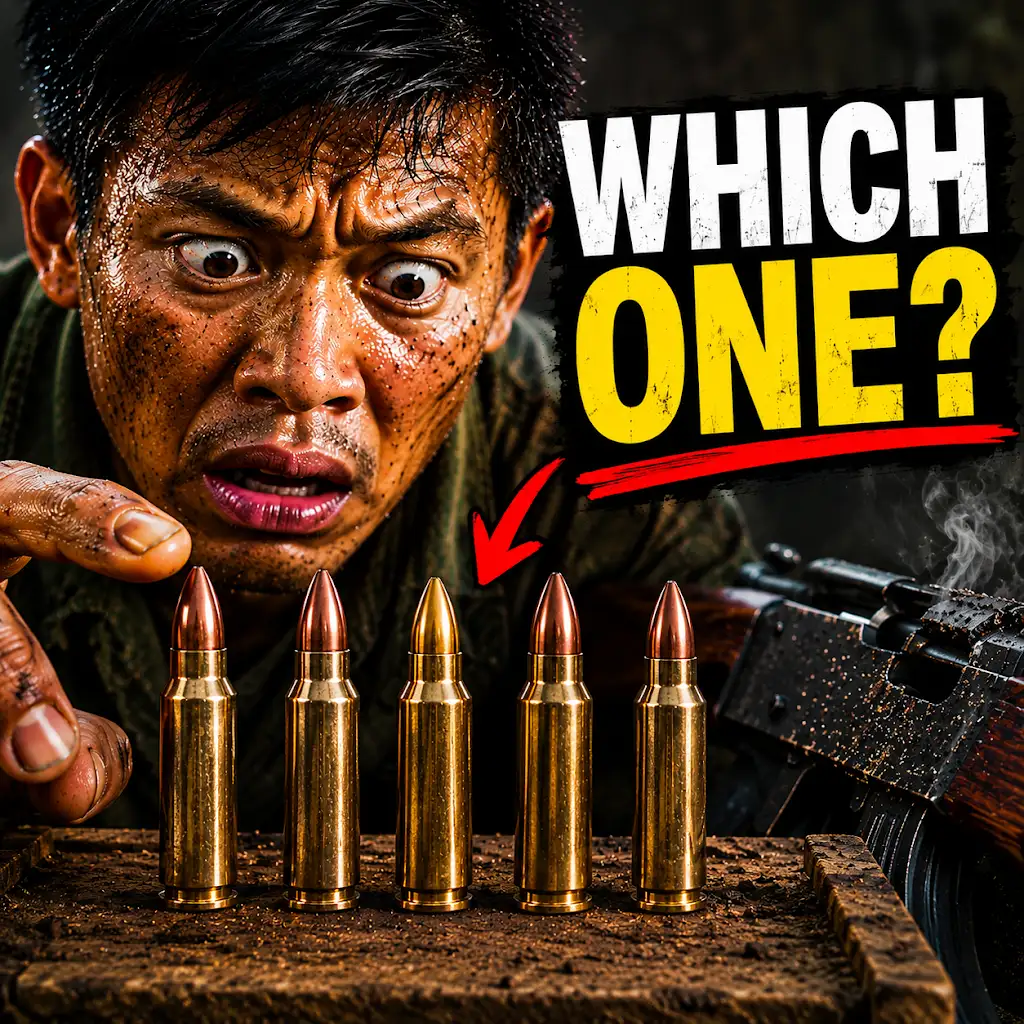
The Vietnam Plot That Made Soldiers Fear Their Own Guns
FAQs
What is the Studies and Observations Group (SOG) documentary about?
The Studies and Observations Group (SOG) documentary is a film that explores the covert operations of the SOG during the Vietnam War. It delves into the missions, tactics, and experiences of the SOG operatives who conducted unconventional warfare behind enemy lines.
When was the Studies and Observations Group (SOG) formed?
The Studies and Observations Group (SOG) was formed in 1964 as a joint task force between the United States Special Operations Forces and the Central Intelligence Agency (CIA) during the Vietnam War.
What are some key aspects covered in the Studies and Observations Group (SOG) documentary?
The documentary covers the recruitment and training of SOG operatives, the development and use of innovative tactics and equipment, the challenges and dangers faced by SOG teams in the field, and the impact of their missions on the overall war effort.
Who were the members of the Studies and Observations Group (SOG)?
The SOG consisted of highly trained and skilled personnel from various branches of the U.S. military, including Army Special Forces, Navy SEALs, Air Force Special Operations, and Marine Corps Reconnaissance units. Additionally, CIA paramilitary officers and indigenous personnel from Vietnam and other Southeast Asian countries were also part of the SOG.
Where can the Studies and Observations Group (SOG) documentary be viewed?
The SOG documentary may be available for viewing on streaming platforms, through online rental or purchase, or at select theaters or film festivals. It is recommended to check with official sources or distributors for the most up-to-date information on where to watch the documentary.