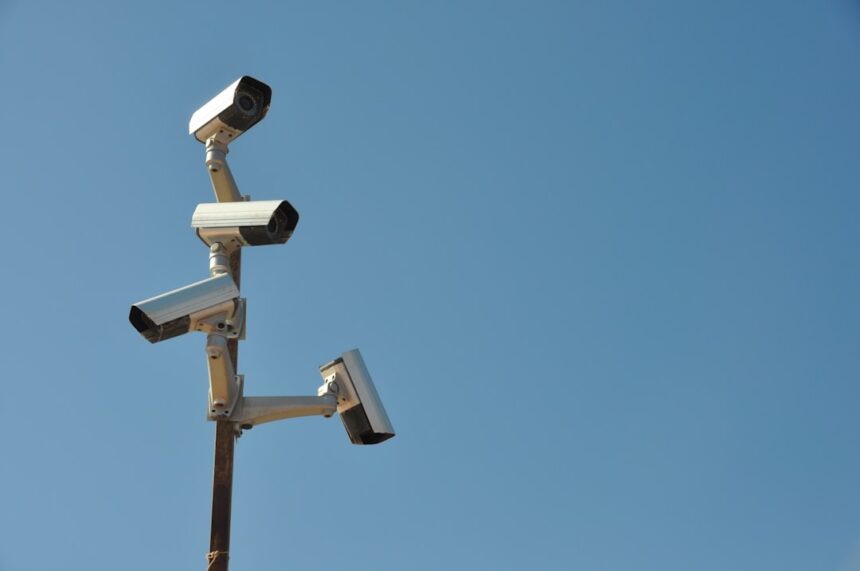
The pervasive shadow of the Ministry for State Security, or Stasi, loomed large over the German Democratic Republic (GDR). For over four decades, this omnipresent organization served as the iron fist of the Socialist Unity Party (SED), its primary objective the absolute preservation of communist rule through a sophisticated and relentless apparatus of surveillance and control. The Stasi was not merely a police force; it was a state within a state, its tentacles reaching into every facet of life in East Germany, from the whispered conversations in private homes to the highest echelons of political power. Its legacy remains a stark testament to the chilling effectiveness of a regime dedicated to eradicating dissent and enforcing ideological conformity through fear and meticulous observation.
The origins of the Stasi can be traced back to the immediate aftermath of World War II. As the Soviet Union consolidated its influence over East Germany, the need for a security apparatus to manage the transition and suppress potential opposition became paramount. Initially, the Stasi was established as a preliminary organization, but it quickly evolved into a formidable force, mirroring the Soviet KGB in its structure and methods. Its primary mandate was to identify and neutralize any perceived threats to the new socialist order, a mission that would define its operations for the entirety of its existence.
Early Years and Consolidation of Power
Following the establishment of the GDR in 1949, the Stasi, then known as the Ministry for State Security (MfS), began its systematic build-up. Under its first minister, Wilhelm Zaisser, and later Erich Mielke, the organization rapidly expanded its reach and influence. The early years were characterized by a focus on dismantling remnants of the old regime, suppressing any nascent opposition groups, and establishing a network of informers. The turbulent political landscape of post-war Germany provided fertile ground for the Stasi’s growth, allowing it to solidify its position as an indispensable tool of the SED.
The Mielke Era: Unprecedented Expansion and Brutality
Erich Mielke, who headed the Stasi for nearly three decades (1957-1989), is synonymous with the organization’s most notorious period. Under his leadership, the Stasi underwent a dramatic expansion, both in terms of personnel and its operational scope. Mielke fostered a culture of paranoia and ruthlessness, transforming the Stasi into a deeply entrenched and feared institution. He personally oversaw the development of its vast intelligence networks, both domestic and international, and ensured its unwavering loyalty to the SED leadership. His tenure marked the zenith of the Stasi’s power, where its capabilities for surveillance and repression reached unparalleled levels.
The Stasi’s Role in Maintaining the Berlin Wall and Border Security
A defining feature of the Stasi’s operational purview was its integral role in maintaining the oppressive regime of the Berlin Wall and the GDR’s heavily fortified inner-German border. The MfS was tasked with preventing any East German citizens from fleeing to the West, a task it undertook with brutal efficiency. Border troops were under Stasi command, and the continuous surveillance and patrols along the border were meticulously managed by the organization. This included sophisticated electronic surveillance systems, watchtowers, and a vast network of informants who were tasked with reporting any suspicious activity or attempted escapes. The Stasi’s commitment to upholding the “Iron Curtain” was absolute, and the human cost of this unwavering dedication was immense, with countless individuals losing their lives in desperate attempts to cross.
The extensive surveillance conducted by the East German secret police, known as the Stasi, has been a subject of significant historical analysis, shedding light on the impact of state-sponsored espionage on everyday life. For a deeper understanding of this topic, you can explore a related article that discusses the methods and implications of Stasi surveillance in detail. To read more, visit this article.
The Pillars of Stasi Surveillance: Informants and Technology
The Stasi’s effectiveness rested on two primary pillars: an extensive network of informants and the innovative, albeit sinister, application of technology. These elements, working in tandem, created an environment where citizens felt perpetually watched, stifling any potential for dissent and ensuring a high degree of social control. The sheer scale of the informant network remains one of the most startling revelations about the Stasi, demonstrating the deep penetration of the state into the private lives of its citizens.
The IM Network: The Eyes and Ears of the Stasi
The backbone of the Stasi’s domestic surveillance was its vast network of unofficial collaborators, known as Inoffizielle Mitarbeiter (IMs). These were ordinary citizens – neighbors, colleagues, friends, even family members – who were recruited and coerced or incentivized to spy on their fellow citizens. The Stasi meticulously cultivated this network, offering payment, special privileges, or exploiting personal vulnerabilities to ensure loyalty and the flow of information. At its peak, it is estimated that the Stasi had hundreds of thousands of IMs operating within the GDR, a ratio that gave it one of the highest densities of secret police informers in history.
Recruitment and Motivation of IMs
The recruitment of IMs was a multi-faceted process. The Stasi employed a variety of tactics, including blackmail, offering career advancement, financial incentives, or appealing to ideological commitment. Many were recruited through manipulation, with individuals unaware of the full extent of the surveillance they were participating in. Others were motivated by a genuine belief in the socialist cause, or by a desire for personal gain or protection. The Stasi expertly exploited human psychology, creating a system where trust was eroded, and suspicion became a default setting.
The Impact of IMs on Daily Life
The presence of IMs had a profound and corrosive effect on everyday life in East Germany. It fostered an atmosphere of pervasive distrust, where private conversations were rarely free from the fear of being overheard and reported. People became hesitant to express their true opinions, even in the perceived privacy of their homes. Friendships and family relationships were strained by the constant threat of betrayal, and a sense of isolation permeated society. The Stasi’s goal was to create a self-policing society, where citizens policed each other, and the IM network was instrumental in achieving this chilling objective.
Technological Innovations in Surveillance
While the human element of the informant network was crucial, the Stasi also embraced and pioneered technological advancements to augment its surveillance capabilities. The organization invested heavily in sophisticated listening devices, photographic equipment, and data analysis tools. This technological arsenal allowed the Stasi to expand its reach beyond the direct observation of its IMs and to gather information in more covert and pervasive ways.
Microphones and Listening Devices
The Stasi was a master of deploying miniaturized listening devices. These “bugs” were hidden in everyday objects, from furniture and appliances to stationery and even clothing. They were strategically placed in homes, workplaces, and public spaces, ensuring that conversations could be monitored remotely. The development and deployment of these devices were a continuous process, with the Stasi constantly seeking to improve their effectiveness and conceal their presence.
Photographic and Filming Surveillance
The Stasi also utilized extensive photographic and filming capabilities for surveillance. This included hidden cameras in public areas and inside suspected dissident meeting places. They also employed specialized cameras for discreet observation, often disguised as ordinary objects. The detailed photographic records provided crucial evidence for identifying and prosecuting individuals, and for documenting their activities and associations.
Data Analysis and Information Management
With the vast amounts of information collected by its IMs and technological tools, the Stasi developed sophisticated methods for data analysis and information management. They created extensive card catalogs, dossiers, and databases that detailed the lives of millions of East Germans. These records included personal information, political affiliations, perceived ideological deviations, and any contact with individuals deemed suspicious. The ability to cross-reference information and build comprehensive profiles of citizens was essential for the Stasi’s effectiveness in identifying and targeting potential threats.
Mechanisms of Control: Repression and Psychological Warfare

Beyond surveillance, the Stasi employed a range of repressive tactics and sophisticated psychological warfare techniques to maintain the SED’s grip on power. The goal was not simply to observe, but to actively deter, intimidate, and, when necessary, crush any form of opposition. These methods were designed to instill fear, break the spirit of dissent, and ensure absolute obedience to the party line.
Arrest, Detention, and Interrogation
The Stasi maintained its own extensive network of prisons and detention centers, separate from the regular penal system. Individuals suspected of political offenses or anti-state activities were often arrested and subjected to harsh interrogation techniques. These interrogations were designed to extract confessions, identify accomplices, and break the will of the accused. While physical torture was officially denied, evidence suggests that it was employed in some cases, alongside prolonged periods of isolation, sleep deprivation, and psychological manipulation.
The Role of “Zersetzung”
One of the most insidious and characteristic methods employed by the Stasi was Zersetzung, a term that roughly translates to “decomposition” or “disintegration.” This was a systematic program of psychological harassment and manipulation aimed at undermining individuals and groups from within, without necessarily resorting to overt violence or arrest. The goal was to isolate, discredit, and demoralize potential dissidents, making them ineffective and driving them to despair.
Tactics of Zersetzung
Zersetzung employed a wide array of tactics. This included spreading rumors and gossip to damage reputations, fabricating evidence to create legal or personal problems, orchestrating “accidents” or job losses, encouraging marital discord, and even manipulating people into betraying their friends and colleagues. The Stasi would often orchestrate a series of seemingly unrelated negative events in a person’s life, creating a sense of overwhelming misfortune and making the victim question their own sanity and judgment. This psychological warfare was incredibly effective in neutralizing opposition and fostering an environment of pervasive fear.
The Impact of Psychological Warfare on Dissidents
The psychological toll of Zersetzung was devastating for its victims. Many experienced severe depression, anxiety, and paranoia. Some were driven to suicide, while others were so broken that they renounced any form of political activity. The constant feeling of being targeted and manipulated, of one’s life being systematically dismantled, was a profound form of suffering. The Stasi’s mastery of psychological warfare made it a formidable force, capable of crippling individuals without firing a shot.
Control over Information and Culture
The Stasi understood the power of information and its role in shaping public opinion. Consequently, it played a significant role in controlling the media, arts, and education within the GDR. The organization worked to ensure that all forms of public discourse adhered to the party’s ideology and to suppress any expression that deviated from the prescribed narrative.
Censorship of Media and Publications
The Stasi actively monitored and censored all forms of media, including newspapers, magazines, radio, and television. Any content deemed critical of the SED or its policies was systematically suppressed. Editors, journalists, and writers were under constant scrutiny, and their work was subject to strict approval processes. The Stasi also controlled the import of foreign publications, ensuring that East Germans were largely insulated from dissenting viewpoints and alternative narratives.
Influence over Artistic and Cultural Expression
The Stasi also extended its control into the realm of arts and culture. Artists, musicians, writers, and filmmakers were expected to produce works that promoted socialist ideals and praised the achievements of the GDR. Those who deviated from this path often faced professional repercussions, including the loss of their jobs, bans on their work, and even imprisonment. The Stasi maintained lists of “unreliable” artists and actively worked to prevent them from gaining public platforms. While some artists found ways to subtly subvert the system, the overarching atmosphere was one of artistic constraint and ideological conformity.
International Operations and the Stasi Abroad
The Stasi’s reach was not confined to the borders of East Germany. The organization maintained a sophisticated network of foreign intelligence operations, aimed at gathering information on political opponents in the West, influencing Western governments, and suppressing perceived threats to the GDR from abroad. This international dimension added another layer of complexity and menace to the Stasi’s activities.
Espionage and Infiltration in the West
The Stasi engaged in extensive espionage in Western countries, seeking to obtain political, economic, and military intelligence. Its agents infiltrated governments, research institutions, and businesses in NATO countries, as well as in West Germany. The primary objective was to gain an advantage for the GDR in the Cold War and to undermine Western alliances. The discovery of a significant number of Stasi agents within the West German government, most notably Günter Guillaume, the personal assistant to Chancellor Willy Brandt, was a major scandal that highlighted the Stasi’s success in this arena.
Support for International Communist Movements and Terrorist Groups
In addition to espionage, the Stasi actively supported various international communist movements, anti-colonial struggles, and, in some cases, terrorist organizations. This support ranged from providing training and funding to offering logistical assistance and safe havens. The Stasi saw these groups as allies in its broader struggle against Western capitalism and imperialism, and this often led to its involvement in covert operations that had far-reaching international implications.
Counter-Intelligence and Suppression of Dissidents Abroad
The Stasi also engaged in counter-intelligence operations abroad, working to disrupt the activities of exiled East German opposition groups and to prevent them from influencing public opinion in the West. This included surveillance of émigrés, attempts to discredit them, and, in some instances, more sinister actions. The organization’s efforts to suppress dissent extended beyond its own borders, demonstrating a global reach in its mission to protect the SED regime.
The extensive surveillance conducted by the East German secret police, known as the Stasi, has been a subject of fascination and concern for historians and the public alike. Their methods of monitoring citizens created a pervasive atmosphere of fear and mistrust that lasted for decades. For a deeper understanding of the implications of such surveillance on society, you can explore a related article that delves into the psychological effects of state-sponsored monitoring. This insightful piece can be found at In the War Room, where it examines the long-lasting impact of the Stasi’s actions on individuals and the collective memory of East Germany.
The Fall of the Stasi and its Enduring Legacy
| Metrics | Data |
|---|---|
| Number of Informants | Approximately 189,000 informants at its peak |
| Percentage of Population under Surveillance | Approximately 1 in 6.5 citizens were informants or under surveillance |
| Files on Individuals | Estimated 6 million files on individuals |
| Methods of Surveillance | Phone tapping, mail interception, informants, and hidden microphones |
The Stasi’s reign of terror came to an abrupt end with the fall of the Berlin Wall in 1989 and the subsequent reunification of Germany. The revelation of the Stasi’s vast surveillance network and its repressive methods sent shockwaves across the country and the world, leaving a profound and complex legacy.
The Peaceful Revolution and the Unraveling of the Stasi
The growing discontent within the GDR, fueled by economic stagnation and a yearning for freedom, culminated in the peaceful revolution of 1989. As mass protests grew and the SED’s authority crumbled, the Stasi found itself increasingly unable to maintain its grip. The storming of Stasi headquarters in Berlin and other cities by ordinary citizens marked a symbolic end to its power. The organization was officially dissolved in the early 1990s, but the process of uncovering its secrets and dealing with its legacy was a long and arduous one.
Archival Revelations and Public Reckoning
Following the fall of the Wall, the Stasi’s meticulously kept archives, containing millions of files on citizens and its operations, were opened to the public. This process of declassification and public access provided an unprecedented and often painful insight into the extent of the Stasi’s surveillance and control. The revelations forced a national reckoning with the past, as individuals grappled with the knowledge of how extensively their lives had been monitored and how many people had collaborated with the regime. The ongoing work of processing these archives continues to shed light on the intricate workings of the Stasi and its impact on German society.
The Stasi in Memory and Scholarship
The Stasi remains a significant subject of study in historical scholarship and a potent symbol of totalitarianism in public memory. Historians, sociologists, and political scientists continue to analyze its methods, its effectiveness, and its long-term consequences for the GDR and beyond. The legacy of the Stasi serves as a stark warning about the dangers of unchecked state power, the erosion of individual liberties, and the insidious nature of surveillance. Its story is a crucial reminder of the importance of vigilance in protecting democratic values and the fundamental human right to privacy. The shadow of the East German Secret Police, though long gone, continues to inform our understanding of state control and the enduring struggle for freedom.

The Stasi Made You Suspect Everyone
FAQs
What was the East German secret police?
The East German secret police, also known as the Stasi, was the official state security service of the German Democratic Republic (GDR) during the Cold War era.
How did the Stasi conduct surveillance?
The Stasi used a wide range of tactics to conduct surveillance, including wiretapping phones, intercepting mail, installing hidden microphones and cameras, and recruiting informants to spy on citizens.
What was the extent of Stasi surveillance in East Germany?
The Stasi had an extensive network of informants, with estimates suggesting that as many as one in every 63 East Germans was an informant for the Stasi. This pervasive surveillance created an atmosphere of fear and mistrust within East German society.
What were the consequences of Stasi surveillance on East German citizens?
The Stasi’s surveillance tactics led to widespread repression, censorship, and the violation of human rights. Many individuals were subjected to interrogation, imprisonment, and psychological manipulation as a result of Stasi surveillance.
What happened to the Stasi after the fall of the Berlin Wall?
Following the fall of the Berlin Wall and the reunification of Germany, the Stasi was disbanded and its archives were opened to the public. Efforts were made to hold former Stasi officials accountable for their actions, and the legacy of Stasi surveillance continues to impact German society to this day.