Uncovering Project Eldest Son’s Ammunition Caches
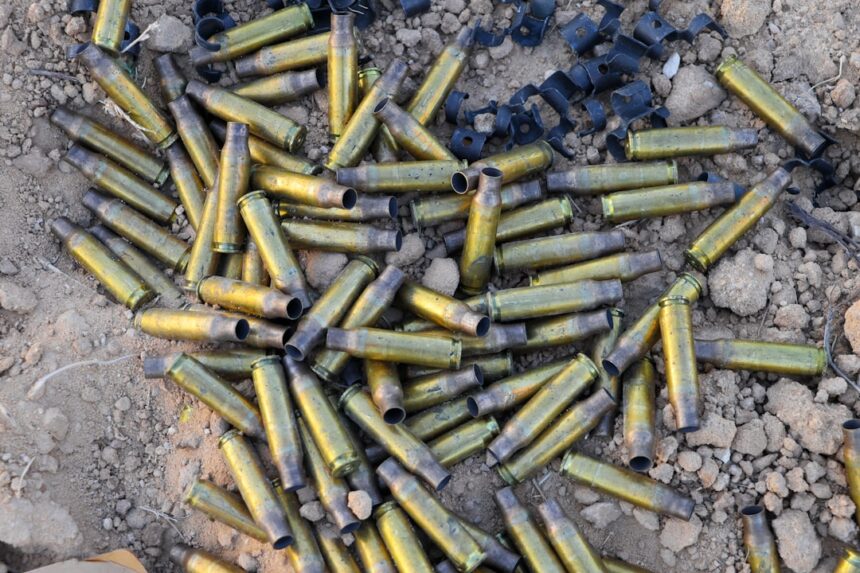
The chilling whisper of Project Eldest Son had long permeated the fringes of intelligence circles, a phantom threat spoken of in hushed tones and guarded reports. For years, its true nature remained elusive, a dark enigma veiled in secrecy and speculation. Was it a rogue state’s nascent weapons program? A sophisticated terrorist cell’s logistical backbone? Or something far more insidious? The truth, it turned out, was a complex tapestry woven with threads of ambition, desperation, and a chilling disregard for global stability. The unraveling of Project Eldest Son has been a painstaking, multi-faceted operation, demanding the convergence of myriad intelligence disciplines. At its heart lay the monumental task of locating and neutralizing the vast network of hidden ammunition caches that served as the project’s lifeblood.
The origins of Project Eldest Son are as murky as the operatives who orchestrated it. Initial suspicions were sparked by a series of seemingly unrelated, high-profile arms traffics that defied conventional explanation. These were not the opportunistic dealings of petty criminals but the calculated, large-scale movements of advanced weaponry, often routed through labyrinthine networks designed to obscure their ultimate destination and purpose.
Early Intelligence Anomalies
The first cracks in the facade of secrecy appeared in the form of peculiar discrepancies in international arms monitoring. Shipments of certain types of high-explosive ordnance, often coupled with sophisticated delivery systems, began to surface in regions experiencing internal conflict or undergoing rapid political upheaval. These were not standard military supplies readily traceable to national arsenals but bespoke acquisitions suggesting a clandestine procurement chain.
Patterns of Illicit Trade
Analysts painstakingly pieced together these fragmented reports, identifying recurring patterns in the types of weapons being moved. The focus was consistently on materials capable of inflicting widespread damage, including advanced detonation devices, specialized propellant charges, and components for improvised explosive devices (IEDs) with an unnervingly high success rate in simulated testing. The sheer volume and consistency of these anomalous trades hinted at a coordinated effort rather than a series of isolated incidents.
The “Eldest Son” Moniker Emerges
The code name “Eldest Son” was assigned by a joint task force established to investigate these interconnected anomalies. It was a deliberately nebulous appellation, chosen to reflect the perceived primary nature of the threat – perhaps an initial or foundational element of a larger, still-undefined operation. The name stuck, becoming synonymous with the burgeoning intelligence puzzle.
Motivations and Objectives: A Spectrum of Possibilities
Understanding the motivations behind Project Eldest Son was crucial to predicting its actions and, ultimately, to dismantling its infrastructure. A range of theories were considered, each with its own set of supporting evidence and potential ramifications.
State-Sponsored Subversion
One prominent theory posited that Project Eldest Son was a state-sponsored initiative aimed at destabilizing rival nations or proxy forces. This would explain the acquisition of military-grade matériel and the sophisticated logistical planning. The objective, in this scenario, would be to provide deniable support to insurgent groups, sow chaos, and weaken geopolitical adversaries without direct military confrontation.
Extremist Ideological Drivers
Alternatively, intelligence suggested the project could be driven by a radical extremist ideology. Such groups, often seeking to establish caliphates, topple existing governments, or provoke global conflict, would require a substantial and readily deployable arsenal. The clandestine nature of the procurements would serve to mask their intentions and build a war chest for future operations.
Criminal Enterprise with a Military Bent
A third possibility, not mutually exclusive with the others, was that Project Eldest Son was a sophisticated criminal enterprise that had ventured into the arms trade on an unprecedented scale. Perhaps a powerful cartel or a transnational criminal organization had recognized the lucrative potential of supplying advanced weaponry to a volatile global market, leveraging their existing illicit networks for procurement and distribution.
In exploring the intricacies of Project Eldest Son and its associated ammunition caches, it is essential to consider the broader implications of military logistics and supply chain management in conflict zones. A related article that delves into these themes can be found at In the War Room, where experts analyze the strategic significance of ammunition distribution and its impact on operational effectiveness. This resource provides valuable insights into the challenges faced by military planners and the importance of maintaining robust supply lines in modern warfare.
The Hunt for the Hidden Arsenals: A Multidisciplinary Endeavor
The true scale of Project Eldest Son’s operational capability became apparent only when the focus shifted from procurement to the physical storage and distribution of its illicit matériel. The project’s architects had demonstrably invested heavily in ensuring the security and concealment of their substantial ammunition caches, making their discovery a monumental undertaking.
Satellite Imagery and Signal Interception
The initial phases of the hunt relied heavily on sophisticated surveillance technologies. High-resolution satellite imagery, capable of detecting minute changes in the landscape, was employed to scour vast and remote territories for telltale signs of clandestine activity. This included the identification of unusually constructed storage facilities, the movement of large vehicles in remote areas, and even the subtle displacement of soil or vegetation that might indicate underground construction. Simultaneously, global signal interception efforts were intensified, seeking to capture any electronic communications that might betray the location of caches or the movement of supplies.
Anomalous Heat Signatures
Thermal imaging satellites were particularly useful in detecting underground facilities that might otherwise be invisible. Even in remote and undeveloped regions, the subtle heat generated by stored munitions or the activity within concealed storage areas could be picked up by these advanced sensors, providing valuable leads for ground teams.
Geolocation of Suspect Communications
When intercepted communications mentioned specific locations or geographical features, the data was meticulously cross-referenced with satellite imagery. This allowed intelligence analysts to triangulate potential cache sites with a degree of accuracy that significantly narrowed the search parameters for physical reconnaissance.
Human Intelligence and Informant Networks
While technology provided the broad strokes, human intelligence (HUMINT) proved indispensable in providing the fine details and confirming suspicions. Deep cover operatives and informant networks, cultivated over years in regions where Project Eldest Son’s influence was suspected, became invaluable assets. These individuals, often operating at great personal risk, provided ground-level insights into local activities, unusual movements, and whispered rumors that might otherwise be missed.
Cultivating Local Assets
Building trust and rapport with individuals who had insider knowledge was a slow and delicate process. Operatives focused on identifying individuals disillusioned with Project Eldest Son’s activities, those who had been wronged, or those who saw an opportunity for reward and security by cooperating with authorities. This often involved discreet meetings in neutral locations and the careful vetting of information provided.
Interrogations and Debriefings
When individuals associated with Project Eldest Son were apprehended, thorough interrogations and debriefings were conducted. These sessions, often involving trained psychological profilers, aimed to extract information about cache locations, operational procedures, and the identities of key personnel. The information gleaned from these sessions was then cross-referenced with other intelligence streams to corroborate its accuracy.
Forensic Analysis and Material Tracing
Once a potential cache site was identified, a meticulous forensic analysis was initiated. This involved carefully examining any recovered materials for unique identifiers, batch numbers, or manufacturing defects that could be traced back to specific suppliers or procurement channels. The goal was to not only confirm the presence of Project Eldest Son’s matériel but also to gain insights into its origins and the broader logistical network.
Trace Element Analysis
The chemical composition of propellants, explosives, and even cartridge casings could reveal crucial information about their origin. Specialized laboratories conducted trace element analysis to identify unique isotopic signatures that pointed to specific manufacturing facilities or even specific batches of materials, helping to build a clearer picture of Project Eldest Son’s supply chain.
Ballistics and Tool Mark Analysis
If firearms or associated components were recovered, detailed ballistics and tool mark analysis were conducted. This could link recovered weapons to specific crimes or provide evidence of their modification or use in training exercises, further solidifying the connection to Project Eldest Son.
The Nature of the Caches: Ingenuity in Concealment
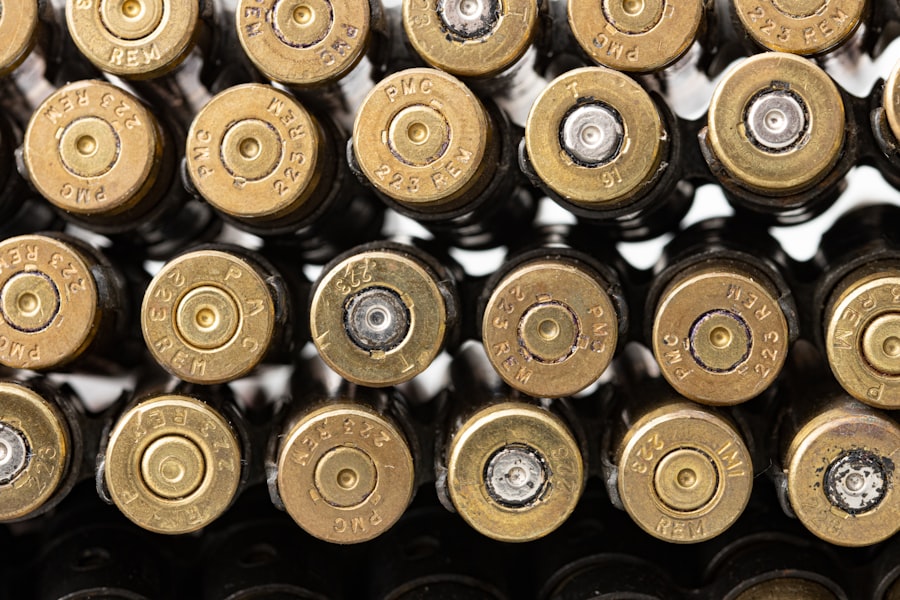
The ammunition caches of Project Eldest Son were not merely piles of weapons hidden in a cave. They represented a sophisticated logistical network designed for long-term concealment and rapid deployment. The ingenuity employed in their creation and maintenance was as concerning as the contents themselves.
Underground Fortifications and Natural Camouflage
Many of the discovered caches were located in elaborate underground fortifications. These structures were often dug into remote hillsides, disguised with natural vegetation, or integrated into existing geological features. The entrances were meticulously concealed, often requiring specialized knowledge or equipment to locate and access.
Disused Mine Shafts and Caverns
Intelligence indicated that Project Eldest Son frequently exploited existing subterranean infrastructure. Abandoned mine shafts, natural cave systems, and forgotten underground bunkers were often retrofitted and reinforced to serve as secure storage facilities. This provided a degree of pre-existing concealment and structural integrity.
Engineered Concealment Structures
In areas lacking natural cover, Project Eldest Son’s operatives engineered their own concealment. This involved the construction of discreet underground silos, reinforced concrete bunkers covered with layers of earth and vegetation, and even mobile storage units disguised as ordinary shipping containers or agricultural equipment. The aim was always to blend seamlessly with the surrounding environment.
Diversification of Storage Locations
To mitigate the risk of a single discovery compromising the entire operation, Project Eldest Son employed a strategy of diversifying its cache locations. This meant that no single region or geographical area held the bulk of their arsenal, making a complete dismantling of their capabilities a far more challenging endeavor.
Regional Hubs and Decentralized Outposts
The network appeared to operate with regional hubs that served as central repositories, from which smaller, more easily concealed outposts were supplied. These outposts were often located closer to potential operational areas, facilitating quicker access for deployment.
“Dead Drop” and Cache Rotation
Evidence suggested the use of “dead drop” methods and a system of cache rotation. This involved moving smaller quantities of ammunition to temporary, easily accessible locations for immediate use, and then replenishing those locations from larger, more secure caches. This dynamic system made it difficult to track the movement and ultimate destination of the matériel.
The Contents: A Spectrum of Lethality
The ammunition found within Project Eldest Son’s caches was not uniform. It represented a carefully curated selection of weaponry and explosive materials designed to maximize impact and flexibility.
Conventional Munitions
Standard military-grade ammunition, ranging from small arms cartridges to heavy machine gun rounds and artillery shells, was frequently encountered. This provided the basic firepower for any conventional military engagement.
Specialized Ordnance
Beyond conventional weapons, the caches often contained specialized ordnance. This included high-explosive warheads for missiles, anti-tank guided missiles (ATGMs), portable anti-aircraft missile systems (MANPADS), and components for improvised explosive devices (IEDs) designed with advanced detonation mechanisms.
Chemical and Biological Components (Suspected but Unconfirmed)
While definitive proof remained elusive in many cases, intelligence also pointed to the potential presence of components that could be used to develop or deploy chemical or biological agents. These were often found in carefully sealed containers and required specialized handling by hazardous materials teams. The mere possibility of such materials added an extra layer of urgency and danger to the cache recovery operations.
Recovery Operations: Precision, Risk, and International Cooperation

The recovery of Project Eldest Son’s ammunition caches was a dangerous and complex undertaking. It demanded the utmost precision from specialized military and law enforcement units, often operating in hostile environments, and relied heavily on a robust framework of international cooperation.
Specialized EOD and Military Units
The primary responsibility for the physical recovery of the caches fell to highly trained Explosive Ordnance Disposal (EOD) units and specialized military intervention teams. These units were equipped with state-of-the-art protective gear, remote handling equipment, and the expertise to safely disarm and neutralize explosives.
Risk Assessment and Site Preparation
Before any personnel entered a potential cache site, a thorough risk assessment was conducted. This involved analyzing intelligence reports, satellite imagery, and any preliminary drone reconnaissance to understand the potential threats, including booby traps, ambushes, and the inherent dangers of the stored explosives. The site was then meticulously prepared, with access routes secured and perimeters established.
Remote Handling and Demolition Techniques
Whenever possible, remote handling equipment was utilized to minimize human exposure to dangerous materials. Robotic arms, specialized drones, and remotely operated vehicles were employed to inspect, disarm, and transport volatile components. In cases where immediate disarming was not feasible, controlled demolitions were carried out on-site, with strict safety protocols in place to mitigate collateral damage.
International Collaboration: A Global Effort
The transnational nature of Project Eldest Son necessitated an unprecedented level of international collaboration. Intelligence sharing, joint operational planning, and mutual support were critical to success. Nations whose territories were suspected of harboring caches or whose citizens were involved in the project worked closely with global partners.
Intelligence Sharing Agreements
Robust intelligence sharing agreements were established between countries, allowing for the seamless flow of information regarding suspicious activities, procurement patterns, and potential cache locations. This often involved the establishment of dedicated liaison officers and secure communication channels.
Joint Task Forces and Operations
In several instances, multinational joint task forces were formed to conduct coordinated operations. These task forces brought together personnel from different countries, pooling their expertise and resources to conduct complex raids and recovery missions. The logistical challenges of coordinating such diverse groups were significant but ultimately overcome.
Extradition and Legal Proceedings
When individuals associated with Project Eldest Son were apprehended in one country but implicated in activities in another, extradition treaties and international legal frameworks were invoked. This ensured that those responsible for establishing and operating the caches faced justice, regardless of their nationality or where the evidence of their crimes was uncovered.
The Aftermath: Securing and Analyzing Recovered Materials
The recovery of a cache was not the end of the operation; it was the beginning of another critical phase: securing and meticulously analyzing the recovered materials. This phase was crucial for understanding Project Eldest Son’s capabilities and preventing the matériel from falling back into the wrong hands.
Secure Transport and Storage
All recovered ammunition and related components were transported under heavy guard to secure, specialized facilities. These facilities were designed to handle hazardous materials safely and prevent any unauthorized access.
Forensic Reconstruction and Threat Assessment
Forensic teams worked tirelessly to reconstruct the intended use of the recovered materials. This involved detailed analysis of explosives, detonation mechanisms, and delivery systems. The goal was to understand the full spectrum of Project Eldest Son’s capabilities and to assess the residual threat posed by any remaining, undiscovered caches. This information was invaluable in refining future intelligence gathering and counter-terrorism strategies.
In exploring the intricacies of Project Eldest Son and its associated ammunition caches, one can gain a deeper understanding of the strategic implications involved. A related article that delves into the historical context and operational significance of these caches can be found here. This resource provides valuable insights into the logistical challenges and military strategies that shaped the project, enhancing our comprehension of its impact on modern warfare. For further details, you can read the full article here.
The Ongoing Threat: The Shadow of Project Eldest Son Lingers
| Location | Number of Caches | Capacity |
|---|---|---|
| Forest A | 5 | 1000 rounds |
| Mountain B | 3 | 800 rounds |
| Desert C | 7 | 1200 rounds |
While significant strides have been made in uncovering and neutralizing Project Eldest Son’s ammunition caches, the full extent of its network and the ultimate motivations behind it remain subjects of ongoing investigation. The dismantled caches represent a victory, but the shadow of this shadowy enterprise continues to loom, demanding vigilance and continued effort.
Unaccounted for Materiel and Residual Networks
Intelligence suggests that despite extensive efforts, a portion of Project Eldest Son’s matériel may still be unaccounted for. Furthermore, the intricate network of individuals and organizations involved likely extends beyond those directly apprehended. The possibility of sleeper cells, remaining logistical infrastructure, or the re-emergence of similar operations under new guises necessitates constant monitoring.
The Ghost of Undiscovered Caches
The sheer scale of Project Eldest Son’s operations implies that not every hidden cache has been brought to light. The risk that some of these arsenals could be discovered by other nefarious actors, or fall into the hands of opportunistic criminals, remains a persistent concern. Continuous intelligence gathering and proactive sweeps are essential to mitigating this risk.
The Evolution of Clandestine Operations
The tactics and methodologies employed by Project Eldest Son highlight the ever-evolving nature of clandestine operations. The project’s success in remaining hidden for so long serves as a stark reminder that adversaries are constantly adapting, employing new technologies and strategies to evade detection.
Lessons Learned and Future Strategies
The arduous process of uncovering Project Eldest Son’s ammunition caches has yielded invaluable lessons. These lessons are now being integrated into future intelligence gathering, counter-terrorism, and arms control strategies, aiming to prevent similar threats from taking root.
Enhanced Interagency and International Cooperation
The success in dismantling parts of the network has reinforced the critical importance of robust interagency and international cooperation. Future efforts will build upon the established frameworks, seeking to streamline intelligence sharing, coordinate operational responses, and develop more effective joint strategies for tackling complex transnational threats.
Technological Advancement in Surveillance and Forensics
The constant need to outmaneuver sophisticated concealment techniques drives continuous innovation in surveillance and forensic technologies. Investments in advanced satellite imaging, signal intelligence, cyber-forensics, and material analysis will be crucial in identifying and neutralizing future threats.
Addressing the Root Causes of Instability
Ultimately, the threat posed by Project Eldest Son and similar clandestine operations is often exacerbated by underlying geopolitical instability, poverty, and political grievances. Addressing these root causes through diplomatic efforts, humanitarian aid, and sustainable development will be a critical long-term strategy in preventing the proliferation of such dangerous enterprises. The fight against Project Eldest Son is far from over; it has simply entered a new, more informed, and more determined phase.

The Vietnam Plot That Made Soldiers Fear Their Own Guns
FAQs
What is Project Eldest Son?
Project Eldest Son was a covert operation conducted by the United States during the Vietnam War. It involved the creation and distribution of ammunition caches to support anti-communist forces in Laos and Cambodia.
What were the objectives of Project Eldest Son?
The main objectives of Project Eldest Son were to disrupt the flow of supplies along the Ho Chi Minh Trail, to support anti-communist forces in Laos and Cambodia, and to gather intelligence on enemy movements in the region.
How were the ammunition caches distributed?
Ammunition caches were distributed through airdrops and ground deliveries to strategic locations along the Ho Chi Minh Trail and in remote areas of Laos and Cambodia. The caches contained weapons, ammunition, and other supplies to support anti-communist forces.
What impact did Project Eldest Son have on the Vietnam War?
Project Eldest Son had a significant impact on the Vietnam War by disrupting enemy supply lines, bolstering the capabilities of anti-communist forces, and gathering valuable intelligence on enemy movements. It contributed to the overall effort to contain and counter the spread of communism in Southeast Asia.
What is the legacy of Project Eldest Son?
The legacy of Project Eldest Son is a complex and controversial one. While it was successful in achieving some of its objectives, it also raised ethical and legal questions about the use of covert operations and the impact on civilian populations in Laos and Cambodia. The project continues to be a subject of historical study and debate.