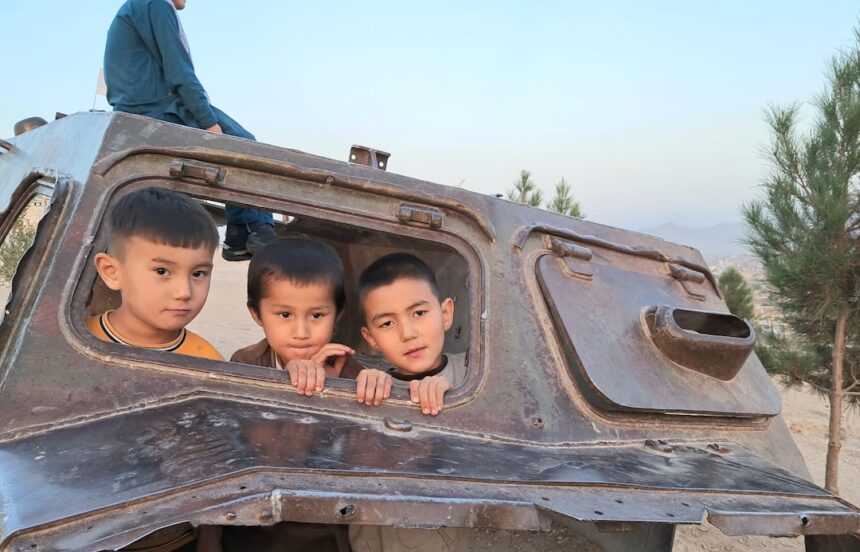
The Soviet Invasion of Afghanistan 1979: A Documentary
The Afghan Crucible
The documentary meticulously reconstructs the pre-invasion geopolitical landscape of Afghanistan. It illustrates a nation grappling with internal strife, deeply fragmented by tribal loyalties, and undergoing a turbulent period of political experimentation. The late 1970s saw Afghanistan oscillate between monarchical rule and increasingly radical socialist regimes, each struggling to establish broad-based legitimacy. The Saur Revolution of 1978, spearheaded by the People’s Democratic Party of Afghanistan (PDPA), brought a Marxist-Leninist government to power. However, this revolution was not a unifying force. It alienated significant portions of the population, particularly religious conservatives and rural communities, who viewed the PDPA’s secular and reformist agenda with profound suspicion. The documentary emphasizes that the ruling PDPA was itself a fractured entity, plagued by internecine power struggles and ideological schisms within its own ranks. This internal instability proved to be a critical factor, creating an environment ripe for external interference.
The Imperial Shadow
The narrative then shifts to the broader geopolitical context, highlighting the Cold War as the overarching framework within which Afghanistan became a pawn. The Soviet Union, under Leonid Brezhnev, viewed Afghanistan as a vital buffer state, a bulwark against the perceived encroachment of Western influence and Islamic fundamentalism into its Central Asian republics. The documentary details Soviet concerns regarding the growing instability on its southern border and the potential for a hostile regime to emerge. It presents evidence of early Soviet involvement, initially through advisors, economic aid, and limited military support, aimed at bolstering the struggling PDPA government against internal dissent and a burgeoning insurgency. The documentary carefully avoids portraying the Soviet Union as solely driven by aggressive expansionism, instead framing its actions as a complex calculation of perceived national security interests and ideological commitments within the bipolar world order. The fear of a domino effect, where a collapse of the PDPA could lead to a hostile, anti-Soviet government, is presented as a significant motivator.
Shifting Sands of Soviet Policy
The documentary traces the evolution of Soviet policy towards Afghanistan, revealing a gradual escalation of involvement. Initially, Moscow favored a hands-off approach, believing the PDPA could govern effectively. However, as the PDPA’s grip weakened and civil war intensified, the Soviets found themselves increasingly drawn into the conflict. The assassination of PDPA leader Hafizullah Amin in December 1979, under circumstances that remain a subject of historical debate, served as the immediate pretext for a full-scale military intervention. The documentary examines the internal Soviet debates and analyses that preceded the decision to deploy troops, suggesting that a faction within the Kremlin, driven by a mix of alarm and a miscalculation of the potential consequences, ultimately prevailed. The portrayal of this decision-making process underscores the often-opaque nature of Soviet foreign policy.
The Soviet invasion of Afghanistan in 1979 marked a significant turning point in Cold War dynamics, leading to a prolonged conflict that shaped the geopolitical landscape of the region. For those interested in exploring this topic further, a related article can be found at this link, which provides an in-depth analysis of the invasion’s impact on both Afghanistan and the broader international community.
The Intervention Unfolds: A Multifaceted Tragedy
The Swift Strike
The initial phase of the Soviet invasion, depicted with stark archival footage and insightful commentary, is characterized by its speed and apparent overwhelming force. The documentary details the rapid deployment of tens of thousands of Soviet troops, who, with minimal resistance in the early days, secured key cities and strategic points. The narrative emphasizes the element of surprise, with the intervention catching both the Afghan populace and the international community largely unprepared. The documentary presents the official Soviet justification for the invasion, which centered on restoring order and protecting the Afghan people from counter-revolutionary forces, while also providing a more nuanced understanding of the underlying strategic objectives. The swiftness of the initial advance, however, masked the immense challenges that lay ahead.
The Price of Occupation
The documentary devotes considerable attention to the devastating human cost of the Soviet occupation for the Afghan people. It showcases harrowing accounts from Afghan civilians, detailing the destruction of villages, displacement of populations, and the immense suffering caused by the protracted conflict. The narrative highlights the emergence of widespread resistance, transforming from localized uprisings into a determined guerrilla war waged by various mujahideen factions. The documentary avoids romanticizing the resistance, instead presenting a complex picture of disparate groups united by their opposition to the Soviet presence but often divided by their own internal agendas and ideological differences. The impact on Afghan society – the disruption of traditional life, the loss of generations, and the proliferation of weapons and landmines – is presented as a profound and enduring tragedy.
The International Ripple Effect
The Soviet invasion did not occur in a vacuum, and the documentary effectively illustrates its significant impact on global politics. It details the widespread international condemnation of the intervention, particularly from the United States and its allies, who viewed it as a direct challenge to the balance of power. The documentary explores the creation of a broad anti-Soviet coalition, with the United States, Pakistan, Saudi Arabia, and other nations providing substantial financial and military aid to the Afghan mujahideen. The narrative also touches upon the broader implications for the Cold War, arguing that the Afghanistan conflict became a significant proxy war, draining Soviet resources and contributing to its eventual unraveling. The documentary avoids simplistic good versus evil narratives, instead presenting a complex web of national interests, ideological rivalries, and geopolitical maneuvering.
The Resistance Takes Root: A Complex and Divided Front
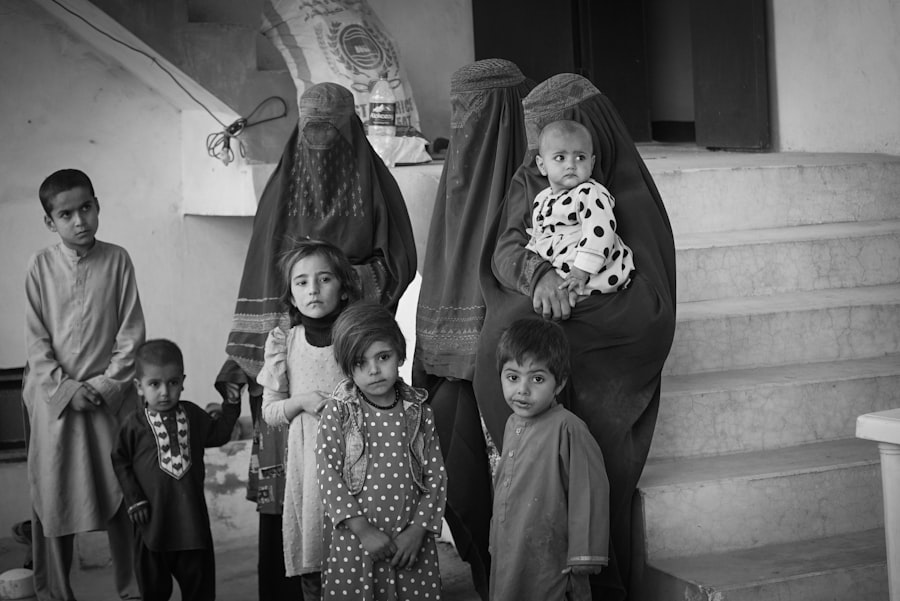
The Mujahideen Mosaic
A substantial portion of the documentary is dedicated to understanding the diverse landscape of the Afghan resistance. It moves beyond the monolithic portrayal of the “mujahideen” to explore the distinct factions, their leadership, their varied motivations, and their operational strategies. The documentary emphasizes the tribal and regional affiliations that often superseded broader ideological unity. It illustrates the flow of foreign funding and weaponry, noting how external support, while vital, also influenced the dynamics and rivalries within the resistance itself. The documentary provides profiles of key mujahideen commanders and their respective groups, offering insights into their military tactics, their interactions with the civilian population, and their often-fraught relationships with each other.
Ideological Divides
The documentary highlights the deep ideological chasm that existed within the mujahideen movement. While united in their opposition to the Soviets, the various groups ranged from more moderate nationalists to fervent Islamists. This internal division is presented as a significant impediment to effective coordinated action against the Soviet forces. The documentary suggests that these ideological differences would have profound implications for Afghanistan’s future, even after the Soviet withdrawal. The influence of external patrons, each supporting different factions based on their own strategic interests, exacerbated these divisions, leading to a fractured resistance that struggled to present a unified front.
The Shadow of External Support
The documentary meticulously examines the role of international support in fueling the Afghan resistance. It details how covert aid, primarily orchestrated by the United States through Pakistan, provided the mujahideen with sophisticated weaponry, training, and logistical support. The narrative acknowledges the strategic rationale behind this intervention, viewing it as a means to bog down and weaken the Soviet Union. However, it also probes the unintended consequences of this widespread arming of disparate groups, including the proliferation of advanced weaponry and the empowerment of more radical elements within the resistance. The documentary presents evidence of the significant flow of funds and weapons from various sources, illustrating the complex network of international involvement.
The Guerrilla War Machine
The documentary provides a detailed analysis of the Afghan guerrilla war. It illustrates the tactical adaptations of the mujahideen, who, despite often being outgunned, proved adept at utilizing the rugged Afghan terrain to their advantage. The narrative describes hit-and-run attacks, ambushes, and the effective use of anti-aircraft weaponry. The documentary also addresses the human cost of this prolonged conflict on the civilian population, detailing the impact of constant warfare, displacement, and the destruction of infrastructure. The resilience of the Afghan people in the face of such adversity is a recurring theme, though tempered by the immense suffering and loss endured.
The Turning Tide: A Prolonged Quagmire
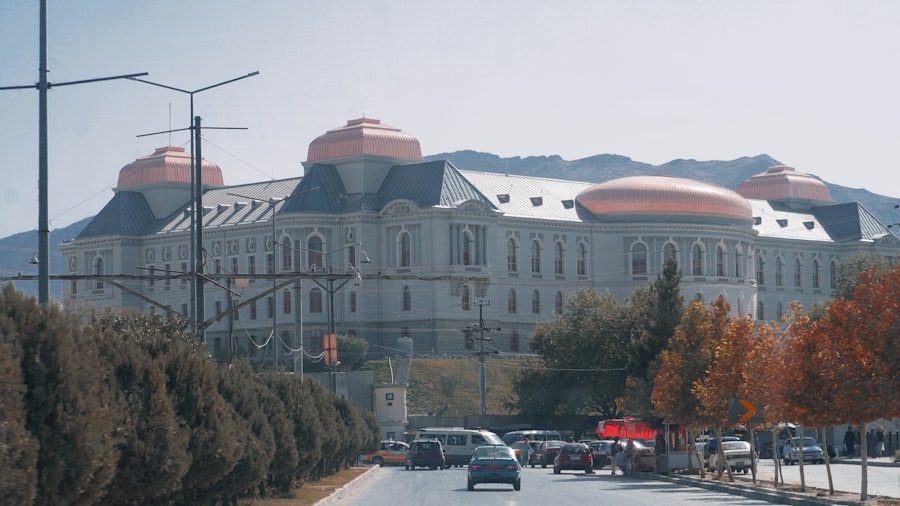
The Waning Soviet Will
The documentary charts the gradual shift in Soviet perspective as the war dragged on. It presents evidence of increasing internal dissent within the Soviet Union regarding the immense financial and human cost of the occupation. The narrative details the growing disillusionment among Soviet soldiers and the mounting casualties, which began to erode public support for the war. The documentary suggests that the leadership in Moscow, initially confident of a swift victory, found themselves trapped in a protracted conflict with no clear exit strategy and mounting international pressure. The economic strain of the war also became a significant factor in the Kremlin’s reassessment of its Afghan policy.
The Afghan Stalemate
The documentary illustrates how the initial Soviet military advantage gradually eroded as the mujahideen, bolstered by external support and their intimate knowledge of the terrain, effectively turned Afghanistan into a quagmire for the occupying forces. The narrative describes the changing nature of the conflict, from a conventional invasion to a protracted counter-insurgency campaign that proved increasingly difficult and costly for the Soviets. The documentary emphasizes the resilience of the Afghan resistance and their ability to sustain their operations, despite the overwhelming military might of the Soviet army. This prolonged stalemate, characterized by high casualties and no decisive victory, began to take its toll on Soviet morale and political will.
The Global Backlash
The international condemnation of the Soviet invasion continued to grow, and the documentary details the diplomatic isolation and economic sanctions imposed on the Soviet Union. The conflict became a major propaganda victory for the West, further straining Soviet resources and undermining its international standing. The documentary highlights how the war contributed to a hardening of Cold War tensions and influenced global perceptions of Soviet intentions. The sustained international pressure, coupled with the increasing economic and human costs of the war, created a significant burden for the Soviet Union, contributing to its eventual decision to withdraw.
The Soviet invasion of Afghanistan in 1979 marked a significant turning point in Cold War dynamics, leading to a protracted conflict that would have lasting implications for both nations involved. For those interested in exploring this topic further, a compelling documentary can be found that delves into the complexities of the invasion and its aftermath. You can learn more about the geopolitical ramifications and personal stories from that era in this insightful article on the subject. For additional context, visit this link to gain a deeper understanding of the historical significance of the Soviet-Afghan War.
The Aftermath and Legacy: A Nation in Pieces
| Documentary Title | Year | Director | Duration |
|---|---|---|---|
| Soviet Invasion of Afghanistan 1979 | 2019 | Various | 120 minutes |
The Soviet Withdrawal
The documentary meticulously depicts the Soviet withdrawal in 1989, a pivotal moment that marked the end of a decade-long occupation. It showcases the emotional scenes of Soviet soldiers returning home, while simultaneously highlighting the uncertain future awaiting Afghanistan. The narrative emphasizes that the withdrawal was not a peaceful resolution but rather the end of one phase of conflict and the beginning of another. The documentary presents the Soviet decision to withdraw as a consequence of the immense pressures it faced, both internally and externally, and a tacit acknowledgment that the war was unwinnable and unsustainable. This withdrawal, while celebrated by many, did not bring immediate peace to the war-torn nation.
The Descent into Civil War
The documentary offers a sober assessment of the immediate aftermath of the Soviet withdrawal, detailing Afghanistan’s descent into further civil war. It explains how the absence of the Soviet occupation did not lead to national reconciliation but rather intensified the internecine struggles among the victorious mujahideen factions. The documentary illustrates how the external patrons, no longer united by the common enemy, began to support their preferred factions, further fueling the conflict. The ideals that had once supposedly motivated the resistance, such as national liberation, were often overshadowed by personal ambitions and sectarian rivalries. The documentary presents a grim picture of a nation fractured by prolonged conflict and political instability.
Shadows of the Past, Seeds of the Future
The documentary concludes by reflecting on the enduring legacy of the Soviet invasion and the subsequent civil war. It highlights the devastating humanitarian crisis, the widespread destruction of infrastructure, and the deep scars left on Afghan society. The narrative touches upon the rise of the Taliban in the 1990s as a direct consequence of the chaos and instability that followed the Soviet withdrawal, demonstrating how the unresolved issues of the past continued to shape the nation’s future. The documentary avoids offering simplistic solutions but instead emphasizes the complex and multifaceted nature of Afghanistan’s challenges, underscoring the long and arduous road ahead for the nation’s recovery and stability. The echoes of the invasion, it suggests, continue to resonate through Afghanistan’s contemporary struggles.
FAQs
What was the Soviet invasion of Afghanistan in 1979?
The Soviet invasion of Afghanistan in 1979 was a military intervention by the Soviet Union in support of the Afghan communist government. The invasion aimed to prop up the government and suppress the Afghan mujahideen resistance.
What were the reasons behind the Soviet invasion of Afghanistan?
The Soviet Union invaded Afghanistan in 1979 primarily to support the Afghan communist government, which was facing increasing opposition from various factions, including the mujahideen. The Soviet Union also sought to maintain influence in the region and prevent the spread of Islamic fundamentalism.
How long did the Soviet invasion of Afghanistan last?
The Soviet invasion of Afghanistan lasted for nearly a decade, from December 1979 to February 1989. The conflict resulted in a protracted and costly war for both the Soviet Union and Afghanistan.
What impact did the Soviet invasion of Afghanistan have on the region?
The Soviet invasion of Afghanistan had significant and far-reaching consequences for the region. It led to a prolonged and destructive conflict, resulting in the deaths of tens of thousands of people and the displacement of millions. The war also contributed to the rise of militant Islamist groups and had a lasting impact on the political and social landscape of Afghanistan.
Are there any documentaries about the Soviet invasion of Afghanistan in 1979?
Yes, there are several documentaries that explore the Soviet invasion of Afghanistan in 1979. These documentaries provide historical context, firsthand accounts, and analysis of the events leading up to and during the invasion, as well as its aftermath.