The Whispers of the Past
The quest to understand one’s origins is a deeply human drive, a fundamental yearning to connect with the threads of lineage that weave the tapestry of identity. For many, this journey is straightforward, a familiar path illuminated by family stories, photographs, and the wisdom of elders. But for a significant number, the past is shrouded in mystery, marked by absences, unspoken truths, or circumstances that render parental lineage a blank space. The search for an unknown father is one such profound and often emotionally charged undertaking, a testament to resilience and the unyielding hope of discovering a missing piece of oneself. This exploration delves into the multifaceted process of uncovering DNA ancestry when a paternal link is absent, examining the motivations, the methodologies, the potential discoveries, and the profound emotional landscapes navigated by those on this unique ancestral quest.
The absence of a known father can stem from a myriad of reasons. It could be a result of adoption, where birth records are sealed, or sperm donation, where anonymity was once paramount. It might be due to the death of a parent before a child’s birth or even before they were old enough to learn about their history. In some cases, the parent may have been present but emotionally or physically absent, leaving a void in familial knowledge. Regardless of the specific circumstances, the impact on an individual’s sense of self and their understanding of their genetic heritage can be immense. This quest is not merely about identifying a name or a face; it is about understanding inherited traits, predispositions, cultural connections, and the broader narrative of where one comes from.
If you’re interested in exploring the intricacies of DNA ancestry and the search for unknown fathers, you might find a related article that delves into personal stories and the science behind genetic testing. This article provides insights into how individuals have successfully navigated their journeys to uncover their biological roots and the emotional impact of these discoveries. For more information, you can read the article here: DNA Ancestry and Unknown Father Searches.
The Genesis of the Search
The desire to find an unknown father often ignites in moments of self-reflection or when faced with significant life events. Puberty, the birth of one’s own children, or even the death of a maternal figure can trigger a potent urge to understand the paternal side of the family tree. For some, it is a subtle curiosity, a nagging question that whispers in the quiet moments. For others, it is a burning imperative, a deeply felt need to fill a void that has shaped their lives.
Triggers and Motivations
The motivations behind embarking on such a search are as diverse as the individuals themselves. A common catalyst is the simple desire for wholeness. Knowing one’s complete biological heritage can offer a profound sense of grounding and belonging. It can provide answers to questions about physical characteristics, talents, or even personality traits that seem to have appeared without explanation. For adoptees, the search for a birth parent is often a central part of their identity formation. They may feel a deep-seated need to understand the circumstances of their birth and to connect with biological relatives who share their genetic makeup.
Beyond the personal, there can be a significant health-related motivation. Understanding paternal family medical history is crucial for assessing genetic predispositions to certain diseases or conditions. Knowing if there is a family history of heart disease, certain cancers, or genetic disorders can empower individuals to take proactive steps towards their own health and well-being, and that of their future children. This proactive approach to health can be a powerful driving force in the search for an unknown father.
Furthermore, a desire for connection and belonging often fuels this journey. The prospect of discovering siblings, aunts, uncles, or cousins can be incredibly appealing. These newfound relatives can offer a unique sense of kinship and a shared understanding of familial experiences. The potential to expand one’s social and emotional network, to find people who share a literal part of their genetic story, is a powerful draw. It’s about finding a lost branch of the family tree and grafting it onto the existing one, creating a richer, more complete picture.
Navigating the Emotional Landscape
The emotional terrain of searching for an unknown father is rarely smooth. It is a path paved with hope, anticipation, and often, anxiety. There is the fear of rejection, of discovering truths that are painful or disappointing, or of encountering a parent who is unwilling or unable to connect. The process can unearth complex feelings about abandonment, identity, and self-worth. It is crucial for individuals to prepare themselves for a wide range of emotional responses, both positive and negative. Support systems, whether through friends, family, support groups, or professional counseling, are invaluable in navigating these turbulent waters. The psychological preparedness for what might be found, or what might not be found, is as important as the practical steps of the search itself.
The Power of Genetic Clues

In the modern era, DNA ancestry testing has emerged as a revolutionary tool for uncovering familial connections, particularly for those with unknown parentage. These tests offer a scientific pathway to explore genetic heritage, providing insights that may have been previously unattainable through traditional genealogical methods.
Understanding DNA Testing for Paternity
DNA ancestry tests, such as those offered by AncestryDNA, 23andMe, and MyHeritage, work by analyzing specific markers in an individual’s DNA. These markers, known as Single Nucleotide Polymorphisms (SNPs), are inherited from both parents. By comparing an individual’s DNA profile to a vast database of other users, these services can identify genetic matches – individuals who share a statistically significant amount of DNA.
For someone searching for an unknown father, the most relevant types of DNA tests are autosomal DNA tests. These tests analyze DNA from all 23 pairs of chromosomes, providing a comprehensive overview of ancestral heritage and identifying relatives across all lines of descent. Mitochondrial DNA (mtDNA) and Y-chromosome DNA (Y-DNA) tests are more specialized. mtDNA is inherited solely from the mother, tracing the maternal lineage, while Y-DNA is passed down from father to son, tracing the paternal lineage. While Y-DNA can be invaluable for confirming a paternal link if the individual is male and has living paternal relatives to test, autosomal DNA is generally the primary tool for initial discovery due to its broader scope in identifying a wider range of relatives.
Interpreting Your DNA Results
The results of a DNA ancestry test are typically presented in the form of a DNA match list, along with an estimated ethnicity breakdown. The ethnicity estimate provides insights into the geographic regions where one’s ancestors likely originated, based on comparisons with reference populations. However, for the purpose of identifying a specific unknown parent, the DNA match list is paramount.
This list will contain the names of individuals who share DNA with the tester, along with the estimated percentage of DNA they share. This percentage is a crucial indicator of the relationship. For example, sharing around 25% of DNA often indicates a parent-child relationship, a full sibling, or an aunt/uncle. Sharing around 12.5% might suggest a grandparent, niece/nephew, or a half-sibling. As the percentage of shared DNA decreases, the familial relationship becomes more distant.
Interpreting these matches requires careful consideration and often a degree of genealogical sleuthing. A close match might be the unknown father himself, or a sibling, parent, or child of the unknown father. The challenge often lies in piecing together the genealogical trees of these DNA matches to identify the common ancestor that links them to the tester. This is where traditional genealogical research, such as reviewing public records, family trees, and historical documents, becomes a vital complement to DNA testing.
The Art of Genealogical Investigation
While DNA testing provides the initial genetic leads, the meticulous work of genealogical research is essential for transforming raw DNA data into concrete answers. This involves a systematic approach to uncovering information, building family trees, and connecting the dots between DNA matches and the unknown paternal lineage.
Building and Analyzing Family Trees
The creation of a detailed family tree is foundational to genealogical research. For someone searching for an unknown father, this tree will likely begin with the known maternal side of the family. Documenting parents, grandparents, siblings, and aunts and uncles on the mother’s side provides a solid base. Then, the focus shifts to the potential paternal connections.
When a DNA match is identified, the next step is to research that individual’s family tree, if publicly available. This often involves searching online genealogical databases like Ancestry.com, FamilySearch, and MyHeritage, which contain vast collections of birth, marriage, death, census, and other vital records. The goal is to construct a family tree for the DNA match that extends back to their parents, grandparents, and potentially further.
The key to connecting the tester to the unknown father lies in finding common ancestors between the tester’s maternal tree and the DNA match’s paternal tree (or vice versa, depending on the relationship). For instance, if a DNA match is identified as a potential aunt or uncle, their parents would be the tester’s paternal grandparents. By meticulously documenting the ancestral lines of both the tester and their DNA matches, researchers can look for overlapping individuals who would represent the shared paternal lineage.
Cross-Referencing and Verification
The process of genealogical investigation is one of constant cross-referencing and verification. No single piece of information should be taken at face value without corroboration. Birth certificates, marriage licenses, death records, obituaries, and census records all provide crucial details that can confirm or contradict family stories and DNA-based hypotheses.
When working with DNA matches, it’s also important to communicate with them if they are open to it. Sharing family trees and information can accelerate the research process significantly. Sometimes, a DNA match may have a family tree that directly links them to the tester’s unknown father. Other times, it may require a collaborative effort to piece together the puzzle.
Challenges can arise from missing records, inaccurate information in historical documents, or even deliberately obscured family histories. In such cases, researchers might need to employ creative strategies, such as looking for indirect evidence, such as property records, military enlistment papers, or even newspaper articles that mention family members. The more independent sources that confirm a particular lineage or relationship, the stronger the conclusion. This rigorous process of verification is essential to ensure the accuracy of the discovered paternal lineage.
If you’re exploring the intriguing world of DNA ancestry and searching for an unknown father, you might find valuable insights in a related article that discusses the emotional and practical aspects of such journeys. Many individuals have successfully uncovered family connections through DNA testing, leading to unexpected discoveries and reunions. For a deeper understanding of the challenges and triumphs associated with these searches, check out this informative piece on the subject. You can read more about it here.
The Revelation and Its Aftermath
| Metric | Description | Typical Value / Range | Notes |
|---|---|---|---|
| Number of DNA Matches | Count of individuals in the database sharing significant DNA segments | 50 – 500+ | Varies by database size and user ancestry |
| Average Shared Centimorgans (cM) | Amount of DNA shared with closest matches | 50 – 800 cM | Higher values indicate closer relatives |
| Ethnicity Estimate Accuracy | Confidence level in ethnicity breakdown | 85% – 95% | Depends on reference populations |
| Success Rate in Identifying Unknown Father | Percentage of cases where father was identified using DNA | 40% – 70% | Improves with larger databases and additional genealogical research |
| Time to Identify Father | Average duration from DNA test to identification | 1 week – 6 months | Depends on complexity and available data |
| Number of Public DNA Databases Used | Databases searched for matches (e.g., GEDmatch, FamilyTreeDNA) | 1 – 5 | More databases increase chances of success |
| Cost of DNA Testing | Typical price range for consumer DNA tests | 50 – 150 | Prices vary by provider and test type |
Discovering the identity of an unknown father can be a profoundly transformative experience, bringing with it a cascade of emotions and the beginning of a new chapter. The impact of this revelation is often far-reaching, affecting not only the individual but also their existing family relationships and their sense of self.
The Moment of Discovery
The culmination of the search, the moment the identity of the unknown father is confirmed, can be deeply emotional. For some, it is a joyous revelation, a long-awaited answer that brings a sense of peace and completeness. For others, it can be a more complex mix of emotions – relief, surprise, curiosity, and perhaps even a degree of apprehension. The initial discovery might come through a DNA match revealing a direct paternal link, or through piecing together genealogical evidence that points unequivocally to a specific individual.
This moment can also be accompanied by practical steps. If the unknown father is still living, the question of contact arises. This is a delicate decision, requiring careful consideration of the potential outcomes. Some individuals may wish to reach out immediately, while others may prefer to take time to process the information before making contact. The possibility of meeting the father, or other paternal relatives, can evoke a range of feelings from excitement to anxiety.
Integrating Newfound Ancestry
Once the paternal lineage is uncovered, the process of integration begins. This involves understanding the broader context of this newfound ancestry. This might include learning about the father’s life, his family history, his cultural background, and any inherited traits or predispositions. For individuals who have grown up with a limited understanding of their heritage, this can be a significant period of learning and self-discovery.
The impact on existing family relationships is also a key consideration. The revelation might bring existing family members closer, as they share in the discovery and the new connections. In other instances, it may introduce complexities, particularly if the paternal lineage involves individuals who were previously unknown or whose existence was not acknowledged. Open communication and sensitivity are crucial in navigating these dynamics.
Ultimately, the integration of newfound ancestry is about enriching one’s identity. It’s about understanding the full spectrum of one’s heritage and how it shapes who they are. It’s a journey of expanded knowledge, of connecting with a broader family narrative, and of solidifying one’s place within the grand tapestry of human lineage. The quest for an unknown father, while often driven by a void, ultimately leads to a fuller understanding of self and a deeper appreciation for the intricate, often surprising, ways we are connected to one another.
Ethical Considerations and Future Directions
The increasing accessibility of DNA testing and genealogical research raises important ethical considerations, particularly when dealing with sensitive personal information and potentially life-altering discoveries. As the field continues to evolve, so too will the approaches to navigating these complexities.
Privacy and Data Security
One of the most significant ethical concerns surrounding DNA ancestry testing is privacy. Individuals submit their genetic information to these companies with the expectation that it will be used for genealogical purposes. However, the potential for this data to be accessed by law enforcement, shared with third parties, or used for other unforeseen purposes is a valid concern. Reputable DNA testing companies have policies in place to protect user data, but the long-term implications of widespread genetic databases are still being explored.
When searching for an unknown father, especially through DNA matching, it’s crucial to understand the privacy policies of the testing services used. Users should be aware of how their genetic information is stored, who has access to it, and how it might be used in the future. The ethical use of DNA data, particularly in cases involving sensitive searches like paternity discovery, requires transparency and robust safeguards to protect individual autonomy and privacy.
Responsible Disclosure and Contact
The decision to contact a newfound paternal relative, especially when that individual may be unaware of the tester’s existence or the circumstances of their conception, carries significant ethical weight. Responsible disclosure involves approaching such situations with sensitivity, respect, and an understanding of the potential impact on all parties involved. This might mean preparing for various reactions, respecting boundaries, and being mindful of the emotional well-being of the individuals being contacted.
In cases where the unknown father is deceased, the search might lead to living relatives who may have their own histories and relationships with the deceased that need to be considered. Navigating these connections requires empathy and a commitment to ethical conduct, ensuring that the pursuit of personal answers does not inadvertently cause distress or harm to others.
The Evolving Landscape of Genetic Genealogy
The field of genetic genealogy is constantly advancing. New technologies, improved algorithms for DNA analysis, and expanding genealogical databases are making it increasingly possible to uncover deep ancestral connections. Future directions may include more sophisticated tools for identifying unknown relatives, improved methods for interpreting complex genetic relationships, and greater integration of genetic data with historical records.
As these advancements occur, so too will the ongoing discourse surrounding the ethical implications. The journey to uncover DNA ancestry, particularly the search for an unknown father, is a powerful testament to the human desire for knowledge and connection. By approaching this quest with both scientific rigor and profound ethical consideration, individuals can navigate the complexities of their past and forge a more complete understanding of their present and future. The whispers of the past, once faint and elusive, can become clear and resonant, weaving a richer, more informed narrative of who they are.
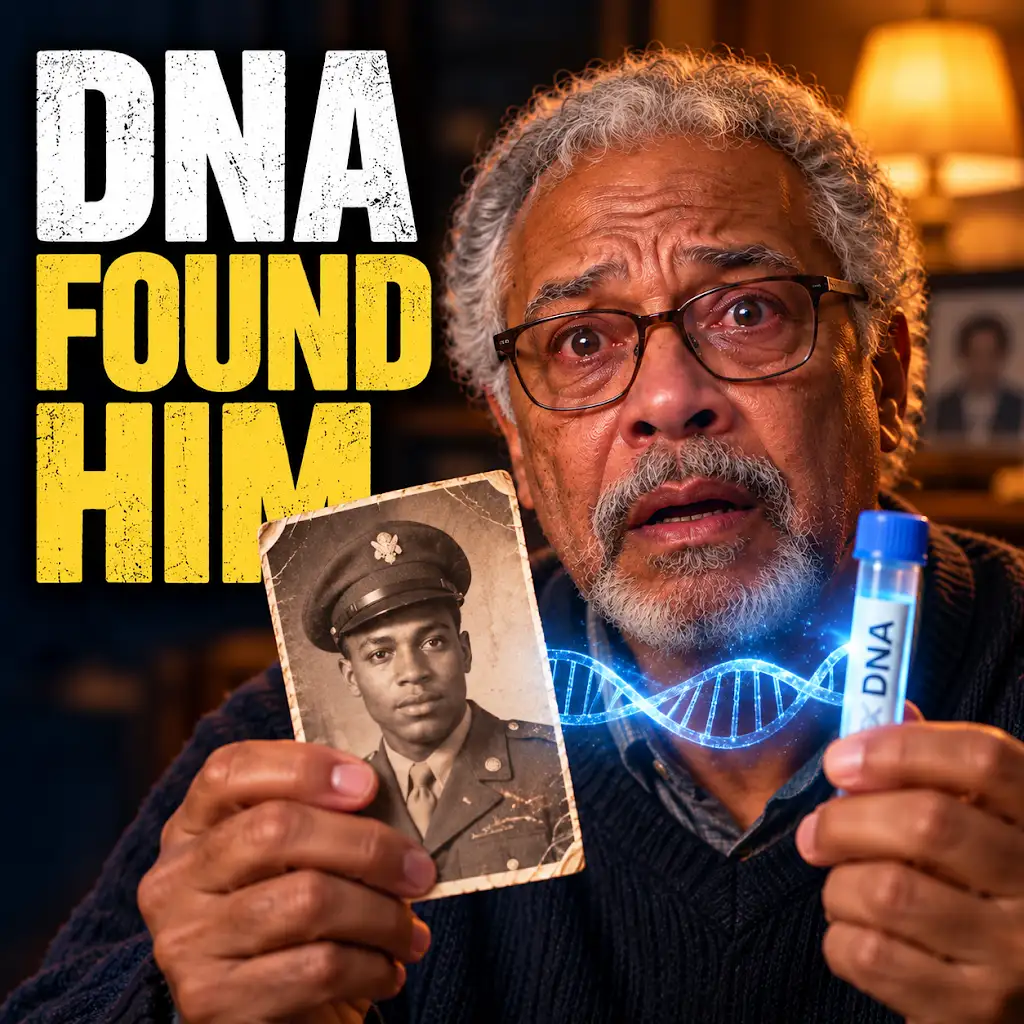
His WWII GI Father Was a Mystery for Nearly 80 Years
FAQs
What is a DNA ancestry test for unknown father search?
A DNA ancestry test for unknown father search is a genetic test that analyzes an individual’s DNA to determine their biological father’s identity. This test compares the individual’s DNA with DNA samples from potential paternal relatives to establish a familial connection.
How accurate are DNA ancestry tests for unknown father search?
DNA ancestry tests for unknown father search are highly accurate, with a success rate of over 99% in determining paternity. These tests rely on comparing specific genetic markers to establish a biological relationship between the individual and their potential father or paternal relatives.
What is the process of conducting a DNA ancestry test for unknown father search?
The process of conducting a DNA ancestry test for unknown father search involves collecting a DNA sample from the individual seeking to identify their biological father. This sample is typically obtained through a cheek swab or saliva sample. The DNA sample is then analyzed in a laboratory to compare genetic markers with potential paternal relatives.
How long does it take to get results from a DNA ancestry test for unknown father search?
The turnaround time for results from a DNA ancestry test for unknown father search can vary depending on the testing company. Typically, results are available within 2 to 8 weeks after the DNA sample is received by the laboratory. Some companies offer expedited processing for an additional fee.
Are DNA ancestry tests for unknown father search confidential?
Yes, DNA ancestry tests for unknown father search are confidential. Testing companies have strict privacy policies in place to protect the individual’s genetic information. Results are typically only shared with the individual who requested the test and any designated family members involved in the search.