
The unfathomable depths of the ocean, a realm of perpetual twilight and crushing pressure, hold within their silent embrace a trove of secrets from the 20th century’s most perilous ideological struggle: the Cold War. For decades, the seabed served as a clandestine repository for lost aircraft, sunken submarines, and discarded technological marvels, each a silent testament to the espionage, brinkmanship, and technological race that defined this era. The pursuit of these submerged relics is not merely an exercise in historical curiosity; it represents a vital undertaking in uncovering critical intelligence data, understanding technological evolution, and even addressing residual environmental hazards. Deep sea salvage operations, akin to surgeons meticulously probing a wound, are now bringing these Cold War secrets back to the surface, illuminating a chapter of history often shrouded in the ink of classified documents and the vastness of the ocean.
The Cold War, a period marked by a pervasive sense of existential threat and a relentless pursuit of military and technological superiority, inadvertently transformed the world’s oceans into an enormous, albeit unintentional, graveyard of military hardware. From the icy waters of the Arctic to the warmer climes of the Pacific, the consequences of aerial reconnaissance gone awry, naval skirmishes veiled in secrecy, and the sheer unfortunate probability of accidents have left a significant archaeological and historical footprint. These wrecks are not just metal and debris; they are time capsules carrying within them fragments of a world teetering on the precipice of nuclear annihilation.
Submarines: Silent Hunters Lost to the Deep
The submarine, a weapon of immense strategic importance during the Cold War and a symbol of stealth and power, accounts for a significant portion of these submerged secrets. These vessels, designed to operate undetected beneath the waves, sometimes met their end in the unforgiving embrace of the ocean floor. Their loss often involved complex and tragic circumstances, and the recovery of their remains offers invaluable insights.
The Strategic Significance of Submarine Losses
The loss of a submarine, particularly a nuclear-powered one, was not merely a material loss. It represented a tangible blow to a nation’s strategic capabilities and a potential security risk. The detailed investigation into the cause of a sinking, even decades later, can reveal critical flaws in design, operational procedures, or the effectiveness of countermeasures employed by adversaries. Recovering wreckage can help answer the enduring questions surrounding these silent hunters and prevent similar tragedies in the future.
Recovering the Ghost Fleet: Technological and Human Insights
The recovery of submarines like the USS Scorpion or the Soviet K-129 offers a window into the technological advancements and the human element of submarine warfare. The systems aboard these vessels, from their propulsion and weapons to their communication and navigation equipment, were at the cutting edge of their time. Studying salvaged components can shed light on the engineering prowess of the era, potential vulnerabilities, and the everyday challenges faced by the crews who operated them. Furthermore, the discovery of personal effects or logbooks, if preserved, can provide a poignant and human perspective on life and death in these underwater environments.
Aircraft: Wings of Reconnaissance and Confrontation
The skies above and beyond national borders were a constant theater of operations during the Cold War. Reconnaissance aircraft, bombers, and fighter jets, engaged in a silent, often perilous dance of surveillance, interception, and the occasional accidental downing, have similarly found their final resting places on the ocean floor. The recovery of these downed aircraft can be akin to assembling a jigsaw puzzle of aerial espionage and combat.
The Dawn of Aerial Espionage and its Perils
The ability to gather intelligence from afar was paramount. Aircraft like the U-2 spy plane, while remarkably effective, were also vulnerable. Incidents such as the downing of Francis Gary Powers’ U-2 over Soviet territory in 1960, while not a direct seabed recovery, highlighted the risks involved. Other missions, however, did not end so publicly, and their wreckage now lies scattered across vast oceanic expanses, waiting to be brought to light.
Unearthing Intelligence Goldmines: Technology and Tactics
The wreckage of these aircraft often contains valuable intelligence. From sophisticated surveillance equipment to advanced weaponry, these remnants can provide a tangible understanding of the technological capabilities of both sides. Analyzing recovered flight recorders, for instance, can offer precise details about the aircraft’s flight path, instrumentation, and any communications that occurred, acting as invaluable historical and intelligence records.
Deep sea salvage operations during the Cold War played a crucial role in the geopolitical landscape of the time, as nations sought to recover valuable military technology and intelligence from the ocean depths. For a deeper understanding of the complexities and implications of these operations, you can read a related article that explores the intricacies of underwater recovery missions and their impact on international relations. Check out the article here: Deep Sea Salvage Operations in the Cold War.
The Deep Sea Challenge: Navigating Technological Hurdles
The very nature of the deep sea presents formidable obstacles to any salvage operation. The extreme pressure, frigid temperatures, perpetual darkness, and vast distances require specialized equipment and highly skilled personnel. These operations are not for the faint of heart; they are complex engineering feats undertaken in an environment that actively resists human intrusion.
The Pressure Cooker: Engineering Solutions for Extreme Environments
The crushing pressure at extreme depths is a constant adversary. It can deform or destroy conventional equipment, making the recovery of large or delicate items incredibly challenging. Modern salvage operations rely on advanced robotics, specialized submersibles, and innovative lifting techniques to overcome these hydrostatic forces.
Remotely Operated Vehicles (ROVs): The Eyes and Hands of the Salvage Crew
Remotely Operated Vehicles (ROVs) have revolutionized deep sea exploration and salvage. These uncrewed underwater robots, equipped with high-definition cameras, manipulator arms, and sensor packages, can navigate the depths, survey wreck sites, and even perform delicate tasks like cutting cables or retrieving small artifacts. They act as the eyes and hands of the crew on the surface, venturing into areas too dangerous for human divers.
Autonomous Underwater Vehicles (AUVs): Mapping the Unseen
Autonomous Underwater Vehicles (AUVs) are another crucial tool. These uncrewed vehicles, programmed with specific mission parameters, can conduct extensive surveys of the seabed, creating detailed maps and identifying potential wreck sites. Their ability to operate independently for extended periods allows for comprehensive coverage of vast underwater areas, acting as the preliminary scouts for any salvage mission.
The Darkness and the Cold: Environmental Extremes
The absence of sunlight and the near-freezing temperatures at these depths add further layers of complexity. Visibility is often limited to the powerful lights of the ROVs, and the cold can affect the performance of electronic equipment.
Specialized Lighting and Imaging Techniques
Overcoming the perpetual darkness requires sophisticated lighting systems that can penetrate the murky water. Advanced sonar and acoustic imaging technologies are also employed to create detailed three-dimensional models of wrecks, even in conditions where visual inspection is impossible.
Material Science Adaptations for Sub-Zero Operations
The materials used in deep sea salvage equipment must be able to withstand the extreme cold without becoming brittle or malfunctioning. This necessitates the use of specialized alloys and polymers that have been rigorously tested for their performance in low-temperature, high-pressure environments.
Unlocking Intelligence: The Espionage Imperative
Beyond historical preservation, the primary driver for many deep sea salvage operations during the Cold War era is the potential for recovering invaluable intelligence. The technologies deployed, the operational plans, and even the very existence of certain clandestine missions are often revealed through the wreckage of collapsed operations.
The Silent Battle for Information: Recovering Sensitive Materials
The Cold War was as much a battle of information as it was of ideology and military might. Aircraft and submarines carrying advanced surveillance equipment, communication devices, or even sensitive documents could hold the keys to understanding enemy capabilities and intentions.
Cryptography and Communication Systems: Decoding the Past
The recovery of intact or partially intact cryptographic machines, transmitters, or receivers can provide critical data on how information was generated, transmitted, and potentially intercepted. Decrypting these devices, even if they are decades old, can unlock vital historical narratives and offer insights into the intelligence gathering methods of the time.
Radar and Electronic Warfare Systems: Understanding the Technological Arms Race
Aircraft and submarines were equipped with sophisticated radar and electronic warfare systems designed to detect, jam, and evade enemy threats. Recovering remnants of these systems allows for a detailed analysis of their capabilities, limitations, and how they evolved throughout the Cold War. This knowledge is crucial for understanding the technological arms race and developing future defensive and offensive strategies.
The Human Element: Interrogating the Wreckage
While not literal interrogation, the systematic examination of a wreck site and its salvaged contents can reveal crucial details about the human aspect of these lost missions.
Analyzing Flight Data and Maintenance Records
Recovered flight data recorders (black boxes) and maintenance logs can provide a chronological account of a mission, reveal operational anomalies, and highlight potential equipment failures or pilot errors. These documents are akin to fragmented diaries of the mission, offering clues to what transpired.
Locating and Identifying Personnel: The Human Cost
In some cases, salvage operations may also focus on locating and identifying the remains of crew members. While a somber undertaking, this can provide closure for families and offer a stark reminder of the human cost of these Cold War endeavors. Specialized forensic techniques can be applied to identify individuals, even after prolonged submersion.
Environmental Considerations: Cleaning Up the Cold War Legacy
The relics of the Cold War are not just historical artifacts; some pose a significant environmental threat. Sunken vessels, particularly those containing nuclear materials or hazardous substances, require careful management to prevent long-term ecological damage.
The Ghosts of Nuclear Arsenals: Hazards from the Deep
The Cold War saw the development and deployment of nuclear-armed submarines and aircraft. The loss of such assets in the ocean presents a unique and potentially catastrophic environmental challenge.
Nuclear Reactor Recovery and Containment
The recovery or neutralization of nuclear reactors from sunken submarines is a paramount concern. These operations are incredibly complex and require specialized expertise to prevent the release of radioactive materials into the marine environment. The goal is often to secure the reactor for safe disposal or long-term monitoring.
Chemical and Hazardous Substance Mitigation
Beyond nuclear materials, many military vessels carried other hazardous substances, such as fuel, lubricants, and a variety of chemicals. Salvage operations must address the potential for these substances to leak and contaminate the surrounding ecosystem. This involves careful planning for spill containment and remediation.
Preserving Marine Ecosystems: A Balancing Act
Deep sea salvage operations inherently involve disturbing the seabed. Therefore, a delicate balancing act is required to minimize the ecological impact of these recovery efforts.
Minimizing Seabed Disturbance
Modern salvage techniques aim to reduce the footprint of operations on the seabed. This involves careful site selection, the use of non-intrusive recovery methods, and responsible disposal of debris. The goal is to bring up the secrets without causing undue harm to the delicate marine environment.
Long-Term Monitoring and Research
Following a salvage operation, long-term monitoring of the affected area may be necessary to assess any environmental changes and ensure the continued safety of the site. This also aligns with a broader scientific interest in understanding the impact of human activities on deep sea ecosystems.
Deep sea salvage operations during the Cold War played a crucial role in both military and technological advancements, as nations sought to recover valuable assets from the ocean floor. An insightful article that delves into the intricacies of these operations can be found at In the War Room, where the challenges and successes of underwater recovery missions are explored in detail. These efforts not only highlighted the strategic importance of naval power but also showcased the innovative techniques developed to navigate the depths of the ocean.
The Future of Cold War Salvage: An Ongoing Quest
| Operation Name | Year | Location | Depth (meters) | Objective | Outcome | Notable Technology Used |
|---|---|---|---|---|---|---|
| Project Azorian | 1974 | Pacific Ocean, near Hawaii | 1,500 | Salvage Soviet submarine K-129 | Partial recovery of submarine sections | Glomar Explorer, Deep-sea lifting technology |
| Operation Sandcastle | 1950s | North Atlantic Ocean | ~200 | Recover sunken military equipment | Successful recovery of equipment | Underwater demolition and lifting gear |
| Project Jennifer | 1974 | Pacific Ocean | 1,500 | Covert recovery of Soviet submarine | Recovered part of submarine hull | Glomar Explorer, Remote operated vehicles (ROVs) |
| Operation Ivy Bells | 1970s | Sea of Okhotsk | ~70 | Retrieve Soviet underwater communication cables | Successful cable tapping and recovery | Mini-submarines, Underwater surveillance equipment |
The quest to uncover Cold War secrets from the ocean depths is far from over. With advancements in technology and a growing understanding of the importance of this submerged history, more expeditions are likely to be undertaken. The ocean continues to hold its breath, guarding narratives that are slowly but surely being brought to the surface, illuminating a pivotal era in human history.
Continued Technological Innovation: Pushing the Boundaries
As technology continues to evolve, so too will the capabilities of deep sea salvage operations. New generations of ROVs, AUVs, and advanced imaging systems will enable us to explore even deeper and more challenging environments, unlocking further historical and intelligence secrets.
The Role of Private and Public Partnerships
The scale and cost of these operations often necessitate collaboration between government agencies, private salvage companies, and academic institutions. These partnerships combine resources, expertise, and funding to tackle the most ambitious recovery projects.
The Ethical Imperatives of Recovery
Beyond the technical and intelligence aspects, ethical considerations are also paramount. The recovery of human remains, the preservation of historical artifacts, and the responsible management of environmental hazards all weigh heavily on these operations.
Respect for the Fallen and Historical Integrity
Bringing lost personnel home and preserving the integrity of historical sites are critical ethical considerations. Operations must be conducted with the utmost respect for those who were lost and for the historical significance of the artifacts recovered.
The Ongoing Narrative of the Cold War
Each recovered artifact, each deciphered document, and each sunken vessel brought to light contributes to a more complete and nuanced understanding of the Cold War. These deep sea secrets, once locked away in the silent abyss, are now helping to rewrite history, ensuring that the lessons of this perilous era are not forgotten. The ocean, once a silent witness, is now becoming a vital narrator, whispering tales of a world that survived its most dangerous chapter.
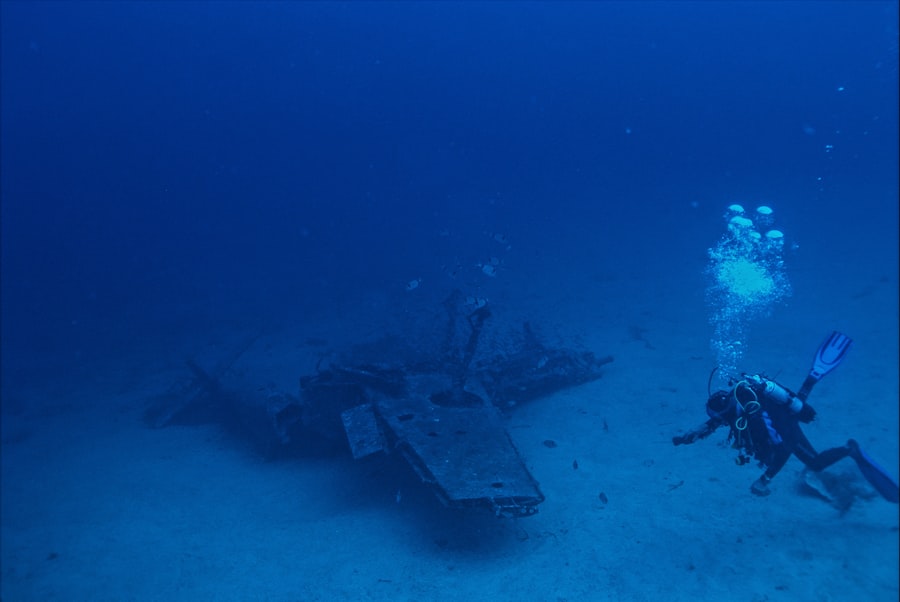
WATCH NOW ▶️ The CIA’s Impossible Mission To Steal A Nuclear Submarine
FAQs
What were deep sea salvage operations during the Cold War?
Deep sea salvage operations during the Cold War involved the recovery of sunken ships, submarines, and sensitive military equipment from the ocean floor. These missions were often conducted by both the United States and the Soviet Union to retrieve valuable intelligence, technology, or to prevent enemy access to classified materials.
Why were deep sea salvage operations important in the Cold War?
These operations were crucial because they allowed nations to recover lost or sunken military assets, gather intelligence, and maintain technological superiority. Salvaging sensitive equipment could prevent adversaries from gaining access to classified information and could also provide insights into enemy capabilities.
What technologies were used in Cold War deep sea salvage operations?
Cold War deep sea salvage operations utilized advanced technologies such as submersibles, remotely operated vehicles (ROVs), sonar mapping, and specialized diving equipment. These tools enabled recovery teams to locate and retrieve objects from great depths under challenging underwater conditions.
Can you name any notable Cold War deep sea salvage missions?
One of the most famous Cold War salvage operations was the U.S. Navy’s Project Azorian in the early 1970s, which aimed to recover a sunken Soviet submarine from the Pacific Ocean. This highly secretive mission demonstrated the lengths to which nations would go to secure underwater intelligence.
What risks were associated with deep sea salvage operations during the Cold War?
Risks included the technical challenges of operating at extreme ocean depths, potential exposure to hazardous materials such as nuclear reactors on submarines, and the political dangers of conducting covert operations in contested waters. Additionally, there was always the risk of detection by enemy forces, which could escalate tensions.