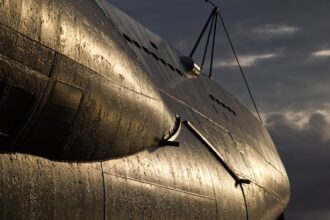
The Cold War, a period of geopolitical tension and ideological struggle between the Soviet Union and the United States and their respective allies, spanned nearly half a century. While the conflict was primarily waged through proxy wars, espionage, and economic competition, it was underpinned by a constant arms race. The Soviet Union, committed to defending its ideology and expanding its influence, developed an arsenal of formidable weapons that instilled fear and respect in equal measure. The Red Army, armed with these innovations, represented a significant military power on the global stage, capable of projecting force and deterring aggression.
The Backbone of Soviet Land Power: Tanks and Armored Vehicles
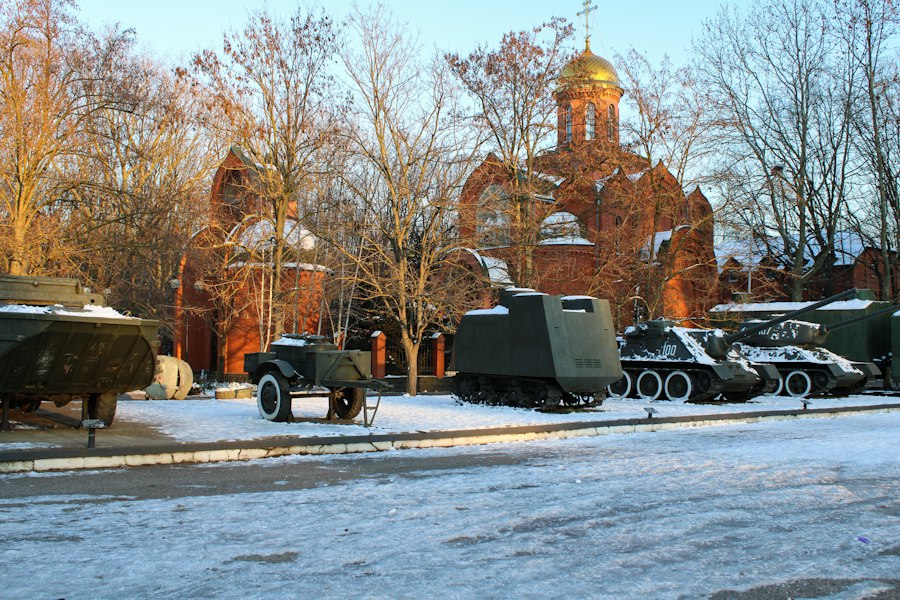
The Soviet Union’s approach to armored warfare was defined by a relentless pursuit of mass production, relative simplicity of design, and devastating firepower. This philosophy shaped a generation of tanks that became synonymous with Soviet military might. The emphasis was on creating vehicles that were rugged, reliable, and could be fielded in vast numbers, overwhelming any potential adversary.
The Iconic T-34: A Game Changer
Few tanks in history have had as profound an impact as the Soviet T-34. Emerging in 1940, it was a revolutionary design that stunned German forces during World War II, setting the stage for its continued dominance in the early Cold War. Its sloped armor provided excellent protection against the anti-tank rounds of the era, a feature that was years ahead of its Western counterparts. The T-34’s powerful 76.2 mm gun, later upgraded to a 85 mm variant in the T-34-85, offered superior penetration capabilities. Its Christie suspension system contributed to good speed and maneuverability, allowing it to operate effectively on the often-challenging terrain of Eastern Europe. The sheer numbers produced, estimated at over 84,000 across all variants, meant that the Red Army could deploy vast armored formations, a strategic advantage that shaped Soviet doctrine. Even into the Cold War, the T-34, in its various iterations and with ongoing upgrades, remained a formidable presence in Soviet and allied armies, a testament to its enduring design.
The Evolution to Main Battle Tanks: T-54/55 and T-62
As the Cold War progressed, the need for more advanced main battle tanks became apparent. The T-54/55 series, entering service in the late 1940s and early 1950s, became the most widely produced tank in history, with estimates ranging from 80,000 to over 100,000 units. This remarkable figure highlights the Soviet Union’s commitment to armored superiority. The T-54/55 built upon the T-34’s success, featuring a more powerful 100 mm gun, thicker composite armor, and a more sophisticated fire control system. Its low silhouette and relatively compact design made it a difficult target to engage. These tanks were deployed in massive numbers across the Warsaw Pact and various Soviet client states, forming the core of their armored strength.
Following the T-54/55, the T-62 emerged in the early 1960s, further enhancing Soviet armored capabilities. The most significant upgrade was the introduction of a smoothbore 115 mm gun, capable of firing a wider range of ammunition, including armor-piercing discarding sabot (APDS) rounds. This gun offered superior penetration power compared to the rifled barrels of its predecessors and many contemporary Western tanks. The T-62 also incorporated improved armor protection and a more refined engine, contributing to its overall effectiveness. While not produced in the same staggering numbers as the T-54/55, the T-62 represented a substantial leap forward, solidifying the Soviet Union’s position as a leading developer of armored warfare technology.
Beyond the Main Battle Tank: Infantry Fighting Vehicles and Armored Personnel Carriers
Recognizing the limitations of traditional tanks in supporting infantry on the modern battlefield, the Soviet Union pioneered the development of dedicated Infantry Fighting Vehicles (IFVs) and Armored Personnel Carriers (APCs). These vehicles were designed to transport infantry under armor, providing them with direct fire support and protection from small arms and artillery fire.
The BMP-1, introduced in the 1960s, was a groundbreaking IFV. It was equipped with a formidable armament for its size, including a 73 mm smoothbore gun, a coaxial 7.62 mm machine gun, and an anti-tank guided missile (ATGM) launcher. This combination allowed the BMP-1 to engage both enemy infantry and armored vehicles. Its ability to carry six fully equipped soldiers and amphibious capabilities made it highly versatile. The BMP-1 became a symbol of Soviet mechanized infantry tactics, enabling rapid deployment and coordinated attacks.
Complementing the IFVs were a range of APCs, such as the BTR series. The BTR-60, for instance, was a versatile eight-wheeled vehicle designed for troop transport, reconnaissance, and fire support. Its wheeled design offered better strategic mobility on roads compared to tracked vehicles. The BTR series, in its various iterations like the BTR-70 and BTR-80, provided essential mobility and protection for Soviet motorized rifle units, ensuring they could reach the front lines and engage the enemy effectively. The sheer volume of these armored vehicles, combined with the advanced main battle tanks, created a potent and deeply entrenched armored force within the Red Army.
During the Cold War, the Soviet Union developed a range of advanced weapons systems that significantly influenced global military strategies. For a deeper understanding of the implications of these developments, you can read the article on Cold War weapons at this link: In the War Room. This resource provides valuable insights into the technological innovations and geopolitical tensions that characterized this pivotal era in history.
The Sky’s the Limit: Soviet Air Power and Missile Dominance
The Cold War saw a dramatic expansion of air power and the terrifying advent of intercontinental ballistic missiles (ICBMs). The Soviet Union invested heavily in both areas, aiming to achieve air superiority and possess the capability to deliver nuclear payloads across vast distances.
The Mighty MiG and Sukhoi Fighter Jets
The Soviet Union’s fighter aircraft programs were characterized by their focus on producing highly maneuverable, rugged, and cost-effective designs. The Mikoyan-Gurevich (MiG) and Sukhoi design bureaus consistently produced aircraft that challenged Western dominance.
The MiG-21 “Fishbed” stands as one of the most produced supersonic jet fighters in history, with over 11,000 units built. Entering service in the late 1950s, it was a nimble and agile aircraft, well-suited for air-to-air combat. Its delta wing design contributed to its high speed and maneuverability at lower altitudes. While it lacked the advanced avionics and radar of some Western counterparts, its simplicity, reliability, and sheer numbers made it a significant force on the global stage. It was exported widely and saw combat in numerous conflicts, proving its effectiveness in the hands of skilled pilots.
The Sukhoi Su-7 “Fitter” and later the Su-17/20/22 “Fitter-C/D/E” series were primarily ground-attack aircraft, but also possessed secondary air-to-air capabilities. The Su-17, with its variable-sweep wings, offered excellent performance across a wide range of speeds and altitudes, making it a versatile platform for tactical bombing and close air support. These aircraft were designed to operate from forward airfields, emphasizing survivability and ease of maintenance in demanding combat environments.
The advent of the MiG-23 “Flogger” and the Su-15 “Flagon” in the 1970s marked a new generation of Soviet interceptors. Equipped with more advanced radar and missiles, they were designed to counter the threat of Western bombers and advanced fighter jets. The MiG-23, with its variable-sweep wings, offered a balance of speed and range, while the Su-15 was a dedicated interceptor optimized for high-speed engagement of enemy aircraft. These aircraft represented the Soviet Union’s efforts to close the technological gap with the West in fighter design.
The Strategic Deterrent: ICBMs and Nuclear Missiles
Perhaps the most defining weapons of the Cold War were intercontinental ballistic missiles (ICBMs) and other strategic nuclear delivery systems. The Soviet Union’s commitment to achieving nuclear parity with the United States was a cornerstone of its defense policy.
The R-7 Semyorka, the world’s first ICBM, was a monumental achievement for the Soviet Union, launching Sputnik into orbit in 1957. While initially a space launch vehicle, its development paved the way for operational ICBMs. The R-7 was a massive rocket, but it demonstrated the Soviet Union’s capability to develop long-range missile technology.
This led to the development of more advanced and deployable ICBMs. The R-36 family of missiles, particularly the R-36M (NATO reporting name SS-18 Satan), was a terrifyingly powerful weapon. These heavy ICBMs could carry multiple independently targetable re-entry vehicles (MIRVs), allowing a single missile to strike several targets simultaneously. The sheer destructive power and the number of warheads carried by the SS-18 made it a cornerstone of Soviet strategic nuclear deterrence, capable of overwhelming missile defense systems.
Beyond ICBMs, the Soviet Union also developed a robust arsenal of intermediate-range ballistic missiles (IRBMs) and submarine-launched ballistic missiles (SLBMs). The SS-20 Saber, an IRBM deployed in the late 1970s, was a mobile and highly accurate missile that caused considerable concern in Western Europe, contributing to significant geopolitical tension. Furthermore, the Soviet Navy’s Delta-class submarines, armed with various SLBMs, provided a critical second-strike capability, ensuring that a nuclear attack on the Soviet Union would be met with devastating retaliation.
Naval Power Projection: Submarines and Surface Fleets
While often overshadowed by land and air forces, the Soviet Union’s navy played a crucial role in its Cold War strategy. Its primary objectives were to protect Soviet coastlines, interdict enemy sea lanes, and project power globally through its submarine and surface fleets.
The Silent Threat: Soviet Submarine Fleets
The Soviet Union placed a significant emphasis on its submarine force, recognizing its potential for both offensive and defensive operations. The goal was to create a fleet capable of challenging NATO’s naval supremacy, particularly in the Atlantic.
The diesel-electric submarine fleets, such as the Foxtrot and Whiskey classes, were numerous and formed the backbone of the Soviet Navy in the early Cold War. These submarines were effective in coastal defense and limited offensive operations. However, their operational range and endurance were limited compared to their Western nuclear-powered counterparts.
The development of nuclear-powered submarines marked a paradigm shift. The Soviet Union rapidly advanced its SSBN (Submarine-Ballistic Missile) program, aiming to achieve a credible nuclear deterrent. The Hotel-class submarines were among the first to carry ballistic missiles, followed by the more advanced Yankee and Delta classes. These SSBNs were designed to patrol the oceans, remaining undetected for extended periods, and providing a crucial second-strike capability.
The Soviet Union also developed a formidable attack submarine (SSN) fleet. The November and Victor classes were designed to hunt NATO submarines and surface vessels. These submarines were equipped with advanced sonar systems and a formidable array of torpedoes and anti-ship missiles, making them a constant threat to Western naval operations. The sheer size and technological advancements of the Soviet submarine fleet were a significant factor in the strategic balance of power.
Surface Fleet Capabilities: Cruisers, Destroyers, and Aircraft Carriers
While Soviet naval doctrine often prioritized submarines, the surface fleet was far from neglected. The Soviet Union developed a range of cruisers, destroyers, and frigates designed for various roles, from air defense and anti-submarine warfare to escort duty and power projection.
The Kresta and Kara classes of cruisers, for instance, were heavily armed with anti-ship missiles, surface-to-air missiles, and anti-submarine weapons. These vessels were designed to operate in conjunction with aircraft carriers and provide a powerful combat capability.
The Sovremenny-class destroyers, entering service in the later years of the Cold War, represented a significant advancement in Soviet surface combatant design. These highly capable ships were equipped with advanced anti-ship missile systems, anti-submarine weaponry, and sophisticated radar, making them formidable adversaries.
The Soviet Union’s pursuit of aircraft carriers was a more contentious and less successful endeavor compared to its submarine program. The Kiev-class “harrier carriers,” which entered service in the 1970s, were a hybrid design that combined the capabilities of a helicopter carrier with a limited fixed-wing aircraft complement, primarily Vertical Take-Off and Landing (VTOL) Yak-38 “Forger” aircraft. While they offered some aerial support, they lacked the full combat power of conventional aircraft carriers. The later Admiral Kuznetsov, launched in 1985 but commissioned after the collapse of the Soviet Union, was a more conventional aircraft carrier, though its operational history has been marked by significant challenges. Despite the limitations, the development of these surface combatants and the nascent carrier program demonstrated the Soviet Union’s ambition to match Western naval power projection.
The Silent Warfare: Intelligence, Espionage, and Special Forces
The Cold War was not solely fought with tanks and missiles; it was also a battle of wits and covert operations. The Soviet Union excelled in intelligence gathering, espionage, and the development of specialized units designed for unconventional warfare and clandestine operations.
The Reach of the KGB and GRU
The Committee for State Security (KGB) and the Main Intelligence Directorate of the General Staff of the Armed Forces (GRU) were the twin pillars of Soviet intelligence. The KGB, responsible for internal security and foreign intelligence, was a vast and pervasive organization that employed a wide range of methods, from human intelligence gathering and disinformation campaigns to cyber warfare and assassinations. Its operatives infiltrated governments, industries, and scientific institutions across the globe, seeking to gain strategic advantages and sow discord among adversaries.
The GRU, the military intelligence agency, focused on military-related intelligence, including the capabilities of foreign armed forces, weapon systems, and strategic plans. It employed a network of agents within military organizations and provided crucial intelligence to the Soviet armed forces. The operations of both the KGB and GRU were instrumental in the Soviet Union’s ability to understand its adversaries, influence global events, and maintain its ideological position.
Spetsnaz: The Elite of Soviet Special Operations
The Soviet Union’s special forces, known as Spetsnaz (short for “Special Designation”), were highly trained and specialized units designed for a variety of missions. These included reconnaissance, sabotage, assassination of high-value targets, and direct action operations behind enemy lines.
Spetsnaz units were often drawn from the most elite soldiers and underwent rigorous training that emphasized physical conditioning, marksmanship, hand-to-hand combat, and specialized skills such as parachute insertion, demolition, and close-quarters combat. They were equipped with specialized weapons and gear tailored to their missions, including silenced firearms, compact explosives, and advanced communication devices.
While the full extent of Spetsnaz operations remains largely classified, their presence was a significant deterrent. The threat of highly capable special forces operating in the shadows added another layer of complexity and fear to the Cold War landscape, demonstrating the Soviet Union’s readiness for any contingency.
The development of Cold War weapons in the Soviet Union played a crucial role in shaping global military strategies during the latter half of the 20th century. A fascinating exploration of this topic can be found in a related article that delves into the intricacies of Soviet military technology and its impact on international relations. For those interested in understanding the broader implications of these advancements, you can read more about it in this insightful piece on military history.
The Conventional Arsenal: Infantry Weapons and Artillery
| Weapon | Type | Introduction Year | Caliber / Warhead | Range | Notes |
|---|---|---|---|---|---|
| AK-47 | Assault Rifle | 1947 | 7.62×39mm | 300 meters effective | Iconic Soviet automatic rifle widely used globally |
| R-7 Semyorka | Intercontinental Ballistic Missile (ICBM) | 1957 | Nuclear warhead | 8,800 km | First ICBM in the world, launched Sputnik |
| MiG-21 | Jet Fighter | 1959 | Various air-to-air missiles | 1,210 km combat radius | Most produced supersonic jet fighter in history |
| T-55 | Main Battle Tank | 1958 | 100 mm rifled gun | Range 500 km (road) | Widely exported and used in many conflicts |
| SS-18 Satan | ICBM | 1975 | Multiple independently targetable reentry vehicles (MIRVs) | 16,000 km | One of the heaviest ICBMs with large payload |
| AK-74 | Assault Rifle | 1974 | 5.45×39mm | 500 meters effective | Modernized version of AK-47 with smaller caliber |
| Su-27 | Air Superiority Fighter | 1985 | Air-to-air missiles, 30 mm cannon | 1,340 km combat radius | Advanced maneuverability and avionics |
| RPG-7 | Rocket-Propelled Grenade Launcher | 1961 | 40 mm grenade | Effective range 200 meters | Widely used anti-tank weapon |
While the spotlight often shines on nuclear weapons and advanced aircraft, the backbone of any army lies in its infantry and artillery. The Soviet Union produced vast quantities of reliable and effective firearms and artillery pieces that equipped its forces and those of its allies.
The Kalashnikov Legacy: Assault Rifles and Machine Guns
The Avtomat Kalashnikova (AK) series of rifles, most famously the AK-47 and its successors like the AKM and AK-74, became iconic symbols of Soviet military prowess. Designed by Mikhail Kalashnikov, these rifles were renowned for their ruggedness, reliability, and ease of maintenance in harsh conditions. The AK-47, chambered in 7.62x39mm, was a gas-operated, selective-fire rifle that provided Soviet soldiers with formidable firepower. Its simplicity of design made it relatively inexpensive to produce in massive quantities, ensuring that every soldier was adequately armed.
The RPK light machine gun, based on the AK receiver, provided squad-level automatic fire support. The PK general-purpose machine gun, also chambered in 7.62x54mmR, offered sustained fire capabilities for heavier support roles. The widespread proliferation of these Kalashnikov variants across the Soviet Union and its allies made them ubiquitous on battlefields worldwide, a testament to their enduring effectiveness.
Artillery and Rocket Launchers: The “God of War”
Artillery played a crucial role in Soviet military doctrine, often referred to as the “God of War.” The Red Army possessed an extensive and diverse artillery park, designed to provide overwhelming firepower in offensive operations and effective defense.
The D-30 122 mm howitzer was a ubiquitous towed artillery piece, known for its reliability and versatility. It could be used for direct and indirect fire support, making it a workhorse of Soviet artillery units. The Msta-B 152 mm howitzer represented a more modern and powerful towed artillery system, offering increased range and accuracy.
Beyond towed artillery, the Soviet Union was a pioneer in self-propelled artillery. The 2S1 Gvozdika 122 mm and the 2S3 Akatsiya 152 mm self-propelled howitzers offered greater mobility and survivability on the battlefield, allowing them to keep pace with advancing armored formations.
The Soviet Union also developed a formidable array of rocket artillery systems, most notably the BM-21 Grad. This truck-mounted multiple rocket launcher system could deliver a devastating volley of rockets over a wide area, making it highly effective for suppressing enemy positions and providing area denial. Its simplicity and rapid firing

The Soviet Warship That Learned to Fly
FAQs
What were some of the main weapons developed by the Soviet Union during the Cold War?
During the Cold War, the Soviet Union developed a wide range of weapons, including the AK-47 assault rifle, the MiG fighter jets, the T-72 tank, and the R-36 intercontinental ballistic missile (ICBM).
How did the Soviet Union’s weapons development contribute to the arms race during the Cold War?
The Soviet Union’s weapons development during the Cold War fueled the arms race with the United States, as both superpowers sought to outdo each other in terms of military capabilities, leading to the proliferation of nuclear weapons and advanced military technology.
What role did nuclear weapons play in the Soviet Union’s military strategy during the Cold War?
Nuclear weapons were a central component of the Soviet Union’s military strategy during the Cold War. The Soviet Union maintained a significant nuclear arsenal as a deterrent against potential aggression from the United States and its allies.
How did the Soviet Union’s development of ballistic missiles impact the global balance of power during the Cold War?
The Soviet Union’s development of ballistic missiles, such as the R-36 ICBM, significantly shifted the global balance of power during the Cold War. These missiles gave the Soviet Union the ability to strike targets in the United States with nuclear weapons, increasing the stakes of the arms race.
What legacy did the Soviet Union’s Cold War weapons leave behind in terms of modern military technology?
The Soviet Union’s Cold War weapons left a lasting legacy in modern military technology. Many of the weapons developed during that time, such as the AK-47 and MiG fighter jets, continue to influence military equipment and tactics around the world today.