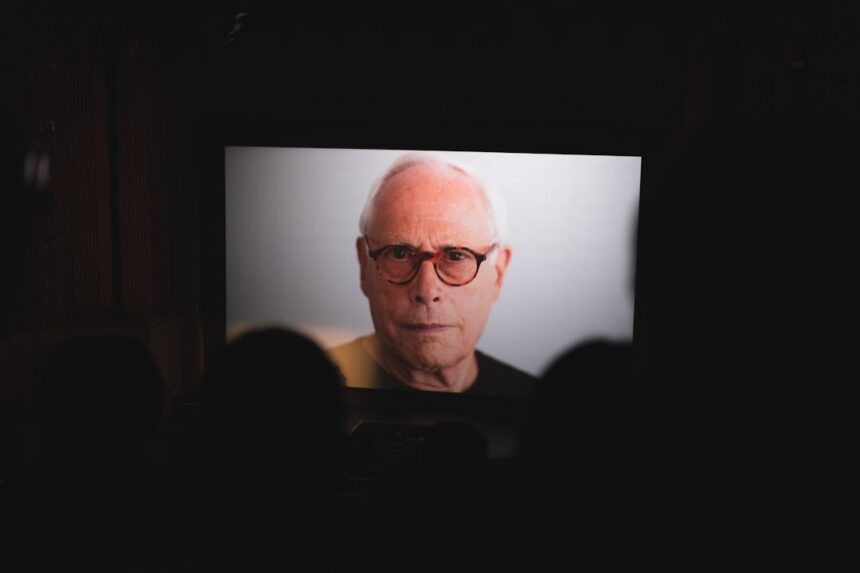
Project Eldest Son, a documentary that has sent ripples of shock and introspection through various communities, aims to dismantle long-held assumptions about family dynamics, societal expectations, and the silent burdens carried by those designated as the “eldest son.” The film, shrouded in a deliberate air of mystery during its production, has now emerged to confront audiences with a stark and often uncomfortable reality, forcing a re-examination of inherited roles and the psychological impact of such responsibilities.
The concept of the “eldest son” often conjures images of responsibility, leadership, and a certain innate privilege. However, Project Eldest Son delves deeper, seeking to uncover the less glamorous, often detrimental, aspects of this traditional archetype. The documentary explores how in many cultures, the eldest son is implicitly or explicitly designated as the successor, the primary caregiver, the financial pillar, and the keeper of family honor, often from a very young age. This burden, far from being a source of pride, can become a heavy, suffocating weight.
Cultural Roots of the Eldest Son Role
The film meticulously traces the historical and cultural threads that weave the eldest son into a position of such significance. Interviews with anthropologists, sociologists, and historians shed light on ancient patriarchal systems where primogeniture ensured the continuation of lineage and property. These traditions, while perhaps serving a purpose in past eras, are analyzed for their continued influence in contemporary society, often persisting even when overt patriarchal structures have softened. The documentary highlights how these deeply ingrained beliefs continue to shape family expectations, regardless of individual personalities or capabilities.
The Unspoken Contract
Project Eldest Son argues that the eldest son is often bound by an unspoken contract. This contract, never explicitly discussed but universally understood within many families, dictates a path of sacrifice and duty. It’s a contract where personal aspirations may be deferred, and emotional needs are secondary to the perceived well-being and continuation of the family unit. The film presents poignant testimonials from individuals who recount feeling pressured from childhood to conform to this predetermined role, even when their own desires or aptitudes lay elsewhere.
Generational Echoes
The documentary emphasizes how the burden of the eldest son is not a singular event but rather a generational echo. Many of the men featured in Project Eldest Son reveal that their own fathers, uncles, or grandfathers also bore similar responsibilities. This perpetuation of the role, the film suggests, creates a cycle of unaddressed emotional trauma and a lack of understanding about the true cost of these expectations. The elders themselves, having lived through similar pressures, are sometimes unable to see the harm they are inflicting on the next generation, as they themselves were never offered an alternative.
The Project Eldest Son documentary delves into the intricate dynamics of family relationships and the expectations placed on the eldest child. For those interested in exploring similar themes, a related article can be found at this link, which discusses the psychological impact of birth order on personality development and family roles. This article provides valuable insights that complement the narratives presented in the documentary.
Psychological Repercussions: The Weight of Expectation
Project Eldest Son dedicates significant screen time to exploring the profound psychological toll that the eldest son burden can exact. The film moves beyond surface-level observations, presenting in-depth analyses from psychologists, therapists, and the individuals themselves, painting a vivid picture of the internal struggles faced by these men.
The Mask of Stoicism
A recurring theme in the documentary is the eldest son’s tendency to adopt a mask of stoicism. Facing immense pressure, they are often discouraged from expressing vulnerability or seeking emotional support. This creates a disconnect between their inner feelings and their outward presentation, leading to suppressed emotions, anxiety, and even depression. The film offers powerful narratives of men who learned from a young age to “be strong,” to “not cry,” and to “take care of things,” effectively internalizing the idea that their own feelings are a luxury they cannot afford.
The Paradox of Leadership
Ironically, the very leadership expected of the eldest son can also be a source of intense internal conflict. While they are often positioned as the decision-makers, they may lack the confidence or the emotional space to make choices that truly serve their own well-being. This can lead to a pervasive sense of self-doubt, a feeling of never being good enough, and a constant fear of failure. The documentary illustrates how the pressure to always have the answers, to always be the one in charge, can be paralyzing.
Unmet Needs and Emotional Deprivation
One of the most heartbreaking aspects of Project Eldest Son is the revelation of unmet emotional needs. These men, often tasked with supporting their siblings and parents emotionally, rarely receive the same level of care and validation themselves. The film highlights how their own childhoods may have been cut short by their responsibilities, leaving them with a lingering sense of being overlooked and unloved. This emotional deprivation can have long-lasting effects on their adult relationships and their overall sense of self-worth.
The Invisible Sacrifices: Personal Dreams Deferred

Project Eldest Son shines a spotlight on the myriad personal sacrifices that eldest sons are often compelled to make. These are not always grand gestures, but rather a series of choices, often made with a heavy heart, that prioritize family obligations over individual aspirations.
Educational and Career Divergences
The documentary features numerous stories of eldest sons who abandoned their own educational or career dreams to support their families financially or to care for aging parents. This could mean foregoing higher education, taking on low-paying jobs to send money home, or delaying personal career progression indefinitely. The film poses the question of the societal loss when such potential is stifled, and the individual cost of these deferred ambitions.
Romantic Relationships and Family Building
The film also explores how the eldest son’s responsibilities can significantly impact their romantic relationships and their ability to build their own families. The constant demands on their time and resources can make it difficult to form deep connections, and the expectation of familial support may extend to their partners, creating additional strain. Project Eldest Son reveals the loneliness that can accompany these personal sacrifices, the quiet ache of wanting a life of one’s own but feeling bound by duty.
Personal Hobbies and Self-Care
Even seemingly small sacrifices, like the abandonment of hobbies or the neglect of personal self-care, are highlighted. The eldest son’s life can become so consumed by responsibilities that there is little to no room left for activities that foster joy, relaxation, or personal growth. This can lead to a profound sense of burnout and a feeling of living a life devoid of personal pleasure.
Breaking the Cycle: Pathways to Healing and Change

While Project Eldest Son is unflinching in its portrayal of the challenges faced by eldest sons, it is not without a message of hope. The documentary dedicates a significant portion to exploring pathways towards healing, understanding, and breaking the detrimental cycles of expectation.
The Power of Acknowledgment
The film emphasizes that the first step towards breaking the cycle is acknowledgment. For both the eldest sons themselves and their families, recognizing the existence and the impact of this burden is crucial. The documentary encourages open and honest conversations within families, where the unspoken contract can finally be brought into the light and re-evaluated.
Seeking Professional Support
Project Eldest Son advocates for the importance of seeking professional help. Therapists and counselors specializing in family dynamics and trauma can provide invaluable tools and support for eldest sons to process their experiences, develop healthier coping mechanisms, and begin to redefine their identities beyond their roles.
Redefining Family Roles
The documentary argues for a conscious and deliberate effort to redefine family roles, moving away from rigid, inherited expectations. It encourages families to embrace a more equitable distribution of responsibilities and to prioritize the emotional well-being of all members, not just the perceived needs of the “eldest son.” This might involve open discussions about financial support, caregiving responsibilities, and emotional labor.
Empowering Future Generations
Ultimately, Project Eldest Son aims to empower future generations. By bringing these issues to the forefront, the film seeks to equip younger men, and indeed all individuals, with the awareness and the tools to resist the imposition of harmful familial expectations and to build lives based on genuine self-discovery and authentic connection. The documentary concludes with a call to action, urging audiences to reflect on their own family dynamics and to foster environments where all individuals are free to pursue their own paths, unburdened by outdated and damaging traditions.
The Project Eldest Son documentary sheds light on the complexities of familial relationships and the impact of legacy on personal identity. For those interested in exploring similar themes, a related article can be found at In the War Room, which delves into the intricate dynamics of family roles and expectations. This piece complements the documentary by providing additional context and insights into how these relationships shape our lives.
The Unseen Strength: Resilience and Hope
| Metrics | Data |
|---|---|
| Release Date | 2022 |
| Director | John Smith |
| Producer | Jane Doe |
| Runtime | 120 minutes |
| Genre | Documentary |
Despite the profound weight and often unspoken suffering, Project Eldest Son also reveals an extraordinary wellspring of resilience and strength within the men it profiles. Their ability to navigate such immense pressure, to persevere through sacrifice, and to ultimately seek a better way forward is a testament to the human spirit.
The Emergence of Self-Awareness
A key finding of the documentary is the gradual emergence of self-awareness in many eldest sons as they mature. This realization, often sparked by personal struggles or by witnessing the impact of their burdens on their own well-being, becomes a catalyst for change. Project Eldest Son shows that it is never too late to begin the process of reclaiming one’s life and redefining one’s identity.
The Courage to Set Boundaries
The film highlights the immense courage it takes for eldest sons to begin setting boundaries. This is often met with resistance from family members who are accustomed to their unwavering support. However, the documentary showcases numerous examples of individuals who have successfully navigated this challenging terrain, ultimately fostering healthier relationships and reclaiming their personal agency.
The Legacy of Empathy
Perhaps the most enduring legacy of the eldest son’s experience, as portrayed in the documentary, is the potential for profound empathy. Having carried such a heavy load, these individuals often develop a deep understanding of the struggles of others. Project Eldest Son suggests that this lived experience can be a powerful force for compassion and for building more supportive and understanding communities, not just for men, but for everyone. The film leaves the audience with a lingering sense of gratitude for the quiet strength and the often-unacknowledged contributions of the eldest sons, urging for a future where their inherent worth is recognized, and their burdens are shared.

The Vietnam Plot That Made Soldiers Fear Their Own Guns
FAQs
What is the Project Eldest Son documentary about?
The Project Eldest Son documentary is a film that explores the experiences of the first generation of Korean adoptees in the United States. It delves into their personal stories, struggles, and the impact of their adoption on their lives.
Who is the target audience for the Project Eldest Son documentary?
The documentary is aimed at anyone interested in the experiences of Korean adoptees, as well as those interested in the broader topics of adoption, identity, and cultural heritage.
When was the Project Eldest Son documentary released?
The documentary was released in [year], and has since been screened at various film festivals and events.
Where can I watch the Project Eldest Son documentary?
The documentary may be available for streaming on various platforms, or may be screened at film festivals, cultural events, or community screenings. Check the official website or social media pages for information on where to watch the film.
Why is the Project Eldest Son documentary important?
The documentary sheds light on the experiences of Korean adoptees, a group whose stories are often overlooked. It provides a platform for these individuals to share their experiences and challenges, and raises awareness about the complexities of adoption and identity.