The whisper of Tomahawk missiles has become a chilling counterpoint to the escalating rhetoric between China and Taiwan. In an arena where geopolitical tensions have long simmered, the potential deployment and strategic implications of these sophisticated cruise missiles have injected a new and potent layer of anxiety into the already precarious relationship. As China’s military might continues its relentless modernization and its assertive posture towards Taiwan solidifies, the United States’ commitment to the island’s defense, often underscored by the visible presence of advanced weaponry, draws increasing scrutiny. The Tomahawk, a weapon synonymous with precision, range, and devastating power, stands at the nexus of this complex geopolitical dance, its shadow lengthening over the Taiwan Strait and beyond.
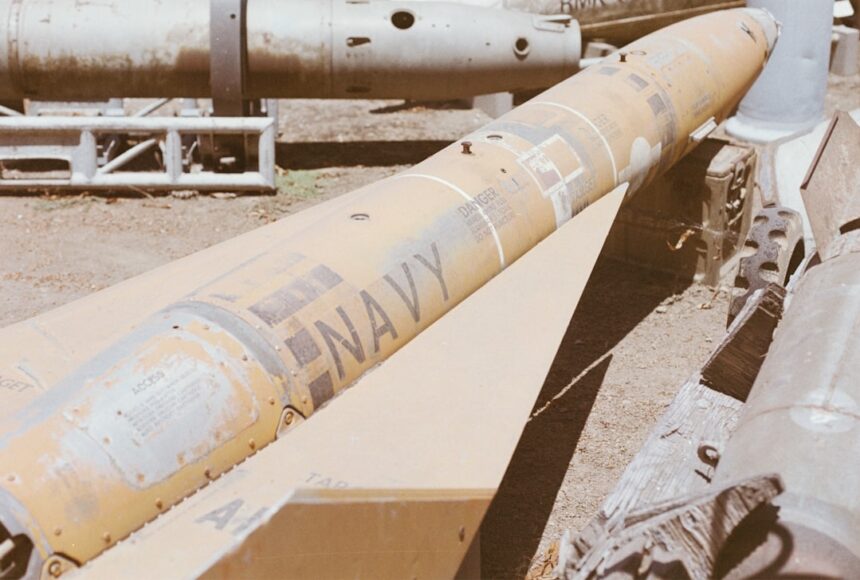
The BGM-109 Tomahawk missile, a cornerstone of naval power projection for decades, represents a significant leap in precision-guided munitions. Its genesis lies in the late 1970s, born out of a desire for a long-range, all-weather, precision-strike capability that could be launched from a variety of platforms. This versatility, coupled with its sophisticated guidance systems, has made it an indispensable tool for Western militaries.
Evolution and Adaptability
The Tomahawk has not remained static. Its evolution over the years reflects a continuous drive for enhanced performance and adaptability.
The Tomahawk Land Attack Missile (TLAM)
The most well-known variant, the TLAM, is designed for strikes against land-based targets. Its ability to fly at low altitudes, hugging the terrain, makes it notoriously difficult to detect and intercept by traditional air defense systems. This “terrain-following” capability is a critical component of its survivability and effectiveness.
Variants and Capabilities
Beyond the basic TLAM, several specialized variants have been developed. The conventional warhead variants, capable of delivering a devastating punch against hardened military installations, command centers, and infrastructure, are the primary concern in this context. The missile’s guidance system, incorporating a combination of Inertial Navigation System (INS), Terrain Contour Matching (TERCOM), and Digital Scene Matching Area Correlation (DSMAC), allows for unparalleled accuracy, even in the absence of GPS signals. This redundancy in guidance is crucial in a contested environment where GPS denial could be a significant factor.
Range and Payload
The operational range of the Tomahawk is a significant strategic asset. Depending on the variant and launch conditions, it can travel over 1,000 miles. This extended reach allows naval assets to engage targets deep within enemy territory without having to close with heavily defended shorelines. The warhead itself can vary, with high-explosive payloads designed to obliterate even heavily fortified targets.
In light of the escalating tensions between China and Taiwan, the strategic implications of Tomahawk missiles have become a focal point for military analysts. A related article that delves into the potential use of these advanced cruise missiles in the context of a Taiwan conflict can be found at this link: Tomahawk Missiles and Their Role in the China-Taiwan Conflict. This piece explores the capabilities of Tomahawk missiles and their significance in modern warfare, particularly in the event of a confrontation in the Taiwan Strait.
China’s Growing Capabilities and Strategic Concerns
China’s rapid military modernization has been a dominant theme in global security discussions for years. The People’s Liberation Army (PLA) has invested heavily in advanced weaponry, aiming to bridge the technological gap with established powers and project its influence more effectively. The Taiwan Strait, a focal point of this ambition, has become a proving ground for China’s evolving military doctrine and its increasingly sophisticated arsenal.
The PLA’s Ambitions in the Taiwan Strait
The PRC views Taiwan as a renegade province and has repeatedly stated its intention to bring it under Beijing’s control, by force if necessary. This unwavering stance, coupled with significant military buildup, has raised alarm bells across the region and in Washington.
A New Generation of Weaponry
The PLA Navy (PLAN) and the People’s Liberation Army Air Force (PLAAF) are acquiring advanced platforms, including aircraft carriers, stealth fighters, and a growing fleet of submarines. Crucially, they are also developing and deploying their own precision-guided munitions, including cruise missiles with ranges and capabilities that rival those of Western systems. This includes missiles like the CJ-10, which shares some similarities with the Tomahawk in terms of its perceived mission profile.
Anti-Access/Area Denial (A2/AD) Strategy
A core element of China’s strategy in the Taiwan Strait is the development of Anti-Access/Area Denial (A2/AD) capabilities. This involves creating a complex web of military assets designed to prevent adversaries, particularly the United States, from intervening effectively in a conflict. The presence of advanced missile systems, both offensive and defensive, plays a pivotal role in this strategy.
The Shadow of the Tomahawk Over China’s Planning
The potential introduction of Tomahawk missiles by the United States, either stationed in the region or deployed during a crisis, represents a significant escalation from China’s perspective. It challenges their A2/AD bubble and introduces a potent threat to their naval assets and mainland infrastructure.
Countering the Threat
China has been actively developing countermeasures to address the threat posed by advanced Western missiles. This includes expanding their own air and missile defense networks, developing electronic warfare capabilities to disrupt enemy guidance systems, and investing in stealth technology to make their platforms harder to target.
The United States’ Role and Strategic Calculus
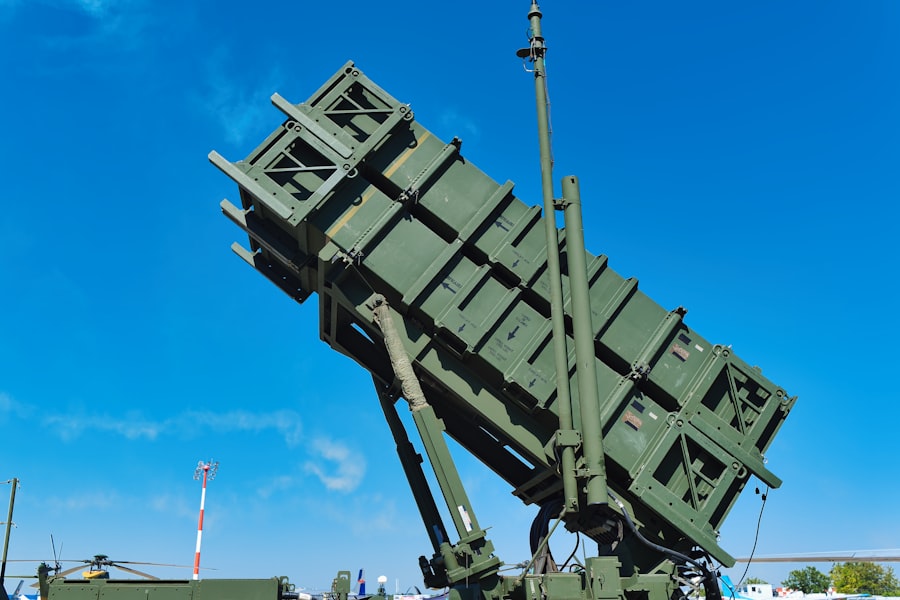
The United States has historically maintained a policy of “strategic ambiguity” regarding its defense of Taiwan. However, in recent years, there has been a discernible shift towards more explicit assurances and a greater emphasis on providing Taiwan with the means to defend itself. The potential deployment of Tomahawk missiles fits within this evolving framework.
Maintaining Regional Stability
The primary objective of the United States in the Indo-Pacific is to maintain a stable and prosperous regional order. The PRC’s assertive actions and its growing military capabilities are seen as a direct threat to this stability.
Deterrence and Defense
Tomahawk missiles, in the hands of the U.S. Navy and potentially the U.S. Marine Corps, serve as a potent deterrent. Their ability to strike with precision from a safe distance can dissuade potential aggressors from launching an attack. In the event of conflict, they would be crucial for degrading enemy capabilities and supporting defensive operations.
The Dilemma of Escalation
The introduction of powerful offensive weapons like the Tomahawk, however, also carries the inherent risk of escalation. China views such deployments as provocative and may respond in kind, leading to a dangerous tit-for-tat escalation that could spiral out of control.
Strategic Prepositioning
The U.S. military has been engaged in strategic prepositioning of assets in the Indo-Pacific, including naval vessels and potentially forward-deployed air power. The inclusion of Tomahawk-capable platforms, such as destroyers and submarines, in these deployments would be a significant development.
The Taiwan Relations Act and U.S. Commitments
The Taiwan Relations Act of 1979 obligates the United States to provide Taiwan with defensive weapons and to maintain its capacity to resist any resort to force or other forms of coercion that would jeopardize the security, or the social or economic system, of the people on Taiwan. The provision of advanced missiles like the Tomahawk would be seen as fulfilling this obligation.
The Taiwan Strait: A Flashpoint for Global Security
The Taiwan Strait is not merely a body of water separating mainland China from Taiwan; it is a critical artery of global commerce and a focal point of international concern. Any conflict in this region would have far-reaching economic and geopolitical consequences.
The Economic Ramifications
Taiwan is a global leader in semiconductor manufacturing, a sector vital to virtually every modern industry. A disruption to this supply chain would have devastating global economic repercussions.
Global Supply Chain Vulnerability
The interconnectedness of the global economy means that a conflict in the Taiwan Strait would not be contained. The disruption of shipping lanes, the impact on financial markets, and the potential for widespread economic downturn would be felt worldwide.
The Broader Geopolitical Landscape
The Taiwan issue is intertwined with a wider struggle for influence between the United States and China. The outcome of any conflict would shape the future of the Indo-Pacific and the global balance of power.
Alliances and Partnerships
The United States has a network of alliances and partnerships in the Indo-Pacific, including Japan, South Korea, and Australia. The conflict in the Taiwan Strait would test the strength of these alliances and their willingness to engage in collective security.
In the context of rising tensions in the Taiwan Strait, the potential use of Tomahawk missiles has become a focal point of military discussions. As analysts examine the implications of such weaponry in a possible conflict between China and Taiwan, it is essential to stay informed about the latest developments. A related article that delves into the strategic considerations surrounding this topic can be found here: In the War Room, which provides valuable insights into the evolving geopolitical landscape.
The Future of Deterrence and the Shadow of War
| Metrics | Data |
|---|---|
| Number of Tomahawk missiles | To be determined |
| China’s response | Unknown |
| Possible impact on Taiwan | Uncertain |
The increasing emphasis on advanced missile systems, including the Tomahawk, highlights a shift in the nature of deterrence. The ability to strike with precision and range from dispersed platforms is becoming paramount in an era of sophisticated defenses.
The Risk of Miscalculation
The deployment of offensive weapons by both sides, coupled with heightened rhetoric, increases the risk of miscalculation. A minor incident could quickly escalate into a full-blown conflict if communication channels are not robust and if leaders are not committed to de-escalation.
The Role of Diplomacy
While military capabilities are crucial, diplomacy remains an essential tool for managing tensions and preventing conflict. Open communication channels, confidence-building measures, and a commitment to peaceful resolution are vital.
The Unseen Costs of Modern Warfare
The use of Tomahawk missiles, while often portrayed as precise and surgical, still carries the risk of collateral damage and unintended consequences. The human cost of any conflict, regardless of the sophistication of the weapons employed, is always devastating. The continued contemplation of their use in the Taiwan Strait underscores the somber reality of a world where advanced weaponry remains a stark reminder of the ever-present potential for conflict. The silent flight of a Tomahawk, once a symbol of decisive power, now carries the weight of heightened tensions and the ominous prospect of a future redefined by geopolitical struggle.
What Happens If China Moves Before America Rearms?
FAQs
What are Tomahawk missiles?
Tomahawk missiles are long-range, all-weather, subsonic cruise missiles used for land attack warfare. They are capable of carrying conventional or nuclear warheads and are launched from ships and submarines.
What is the current situation between China and Taiwan?
China considers Taiwan to be a part of its territory and has not ruled out the use of force to bring the island under its control. Taiwan, on the other hand, considers itself to be a sovereign state and has its own government, military, and constitution.
How are Tomahawk missiles related to the China-Taiwan conflict?
There have been discussions and speculations about the potential use of Tomahawk missiles in the event of a conflict between China and Taiwan. The missiles could be used by the United States or other countries to support Taiwan or to deter Chinese aggression.
What is the significance of Tomahawk missiles in the context of the China-Taiwan conflict?
The deployment or use of Tomahawk missiles in the region could significantly escalate tensions and potentially lead to a wider conflict involving major powers. The missiles are capable of striking targets with precision and could have a significant impact on the outcome of any military confrontation.
What are the potential implications of a war involving Tomahawk missiles in the China-Taiwan conflict?
A conflict involving Tomahawk missiles could have far-reaching consequences for regional stability, global trade, and international relations. It could also lead to significant loss of life and destruction in the region, as well as impact the global economy.