The pervasive presence of thousands of contractors in Iraq marked a significant and often under-discussed facet of the nation’s post-2003 landscape. These civilian personnel, drawn from a myriad of backgrounds and companies, played an integral role in the intricate machinery of the American-led reconstruction and security efforts. Their numbers fluctuated throughout the conflict and its aftermath, but at their peak, they rivaled or even outnumbered military personnel, undertaking a vast array of tasks that extended far beyond traditional combat roles. From logistical support and construction to security operations and essential services, these individuals were the bedrock upon which much of the occupation and subsequent stabilization efforts were built. Understanding their presence requires a nuanced examination of their diverse functions, the legal and operational frameworks that governed them, the immense challenges they faced, and the enduring controversies that continue to surround their involvement.
The sheer diversity of roles performed by contractors in Iraq was staggering, reflecting the multifaceted nature of the operations being conducted. These were not simply individuals performing menial tasks; many possessed specialized skills and experience crucial for the success of the mission. The demand for their services grew as the complexities of nation-building and maintaining order became apparent, leading to a reliance on private entities to fill critical gaps.
Logistics and Supply Chain Management
One of the most fundamental areas where contractors were indispensable was in managing the vast logistical and supply chains that sustained military and civilian operations. This involved everything from the transportation of food, fuel, and ammunition to the maintenance of complex equipment.
Transportation and Convoy Security
Military forces operating in a hostile environment required constant resupply. Contractors were tasked with operating fleets of trucks, often under dangerous conditions, to deliver vital supplies to remote bases and forward operating posts. Convoy security, a particularly perilous undertaking, often fell to private security companies, providing armed escorts to protect these vulnerable supply lines from insurgent attacks. The sheer volume of goods moved and the constant threat of ambushes made this a high-risk, high-reward sector for contractors.
Base Support and Maintenance
The sprawling military bases and civilian facilities required extensive upkeep. Contractors were responsible for a wide range of services, including catering, laundry, waste management, power generation, and the repair of essential infrastructure. This allowed military personnel to focus on their core combat and security missions, but it also meant that the daily functioning of these enclaves was heavily dependent on civilian labor.
Construction and Infrastructure Development
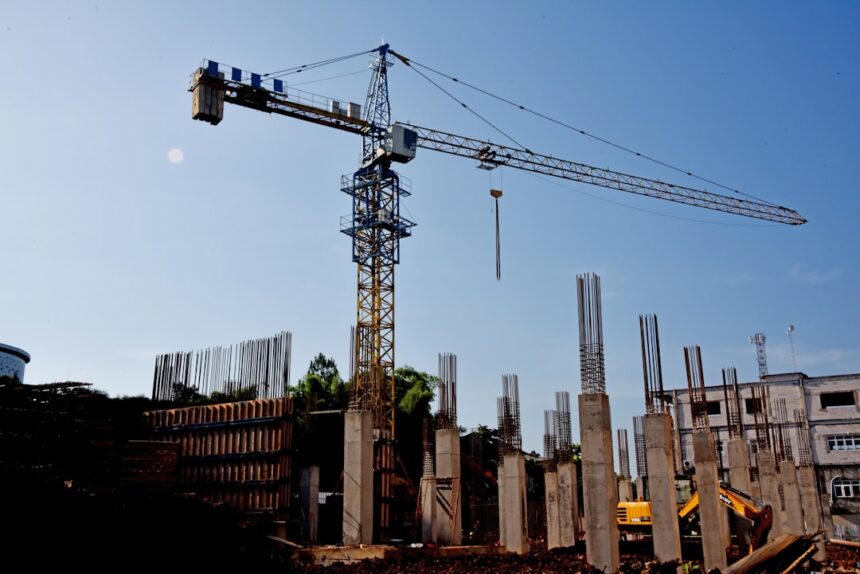
Rebuilding Iraq’s shattered infrastructure was a monumental task, and contractors were at the forefront of these efforts. From the reconstruction of roads and bridges to the development of new schools, hospitals, and government buildings, their work was essential for restoring essential services and fostering economic recovery.
Civil Engineering and Reconstruction Projects
Engineering firms and construction companies were contracted to undertake large-scale projects. This included repairing damaged power grids, water treatment facilities, and telecommunications networks. The sheer scale of destruction meant that the rebuilding process was often slow and arduous, with contractors facing security threats, bureaucratic hurdles, and complex environmental challenges.
Facility Construction and Renovation
Beyond major infrastructure, contractors were also involved in building and renovating numerous smaller facilities, such as police stations, courthouses, and vocational training centers. The rapid deployment of personnel often necessitated the quick construction or refurbishment of temporary living quarters and workspaces, further increasing the demand for construction services.
Security and Protective Services
Perhaps the most visible and controversial role of contractors was in providing security. While military forces were the primary combatants, private security contractors (PSCs) operated alongside them, providing a range of protective services that often blurred the lines between military and civilian functions.
Personal Security Details (PSDs)
High-ranking officials, diplomats, and even some civilian employees operating in high-threat environments were often protected by Personal Security Details (PSDs). These teams, comprised of highly trained and often former military personnel, were tasked with ensuring the safety of their principals during movement and in occupied spaces. The inherent dangers of these assignments led to significant casualties among PSD members.
Site Security and Force Protection
Beyond individual protection, contractors were also employed to secure facilities, compounds, and even convoys. This “force protection” role involved manning observation posts, conducting patrols, and responding to direct threats. The presence of armed contractors in these capacities raised questions about accountability and the privatization of warfare.
Specialized Technical and Advisory Roles
Beyond the more tangible services, contractors also filled specialized technical and advisory roles that were critical to the success of various initiatives. These individuals brought unique expertise to bear on complex challenges.
IT Support and Communications
The advanced technological infrastructure required to support modern military and reconstruction efforts was often managed and maintained by IT specialists and communications experts. This included everything from setting up secure networks to troubleshooting complex software and hardware issues.
Intelligence and Analytical Support
In a complex insurgency, the need for timely and accurate intelligence was paramount. Contractors with backgrounds in intelligence analysis, linguistics, and cultural understanding provided crucial support to military and civilian intelligence agencies, helping to interpret data and inform operational planning.
Training and Capacity Building
A significant aspect of the U.S. strategy in Iraq involved building the capacity of Iraqi security forces and government institutions. Contractors were frequently employed to train Iraqi police, military personnel, and civil servants, imparting skills and knowledge necessary for them to assume greater responsibility.
The presence of contractors in Iraq has been a significant aspect of the conflict, with thousands of private personnel engaged in various roles, from security to logistics. For a deeper understanding of the scale and impact of contractor involvement in the region, you can refer to a related article that explores these dynamics in detail. To read more, visit this article.
The Legal and Operational Framework
The presence of such a large and diverse contractor workforce necessitated a complex legal and operational framework. However, this framework often proved inadequate for the realities on the ground, leading to significant challenges in accountability and oversight.
Contracts and Oversight Mechanisms
The engagement of thousands of contractors was managed through a multitude of contracts awarded by various U.S. government agencies, including the Department of Defense, the Department of State, and the U.S. Agency for International Development (USAID). These contracts varied widely in scope, duration, and value, creating a complex web of agreements.
Types of Contracts and Their Implications
From cost-plus contracts, which allowed for reimbursement of expenses plus a profit margin, to fixed-price contracts, the terms of these agreements had significant implications for cost, quality, and contractor performance. The sheer volume and complexity of these contracts often made effective oversight a formidable challenge.
Challenges in Oversight and Accountability
Ensuring that contractors adhered to contractual obligations and ethical standards proved to be a persistent problem. Limited personnel available for oversight, coupled with the vast geographical spread of operations, meant that monitoring contractor activities could be difficult. This lack of robust oversight contributed to instances of waste, fraud, and abuse.
Legal Status and Jurisdiction
The legal status of contractors operating in a foreign theater of operations was a particularly thorny issue. Unlike military personnel, contractors were not subject to the Uniform Code of Military Justice (UCMJ) in the same way, creating a legal gray area.
The Status of Private Security Contractors (PSCs)
PSCs, in particular, operated in a space where their authority and legal standing were often unclear. While they were armed and engaged in activities that could be considered combat support, they were not members of the U.S. military. This ambiguity complicated investigations and prosecutions in cases of alleged misconduct.
Jurisdiction and the Rules of Engagement
Determining who had jurisdiction over a contractor in cases of alleged criminal activity or operational misconduct was a complex legal puzzle. The rules of engagement for contractors were also often less clearly defined than those for military personnel, leading to potential misunderstandings and a higher risk of unintended consequences.
Challenges Faced by Contractors

The working conditions and operational environment for contractors in Iraq were often extremely challenging and dangerous. They operated in a volatile security landscape, far from home, and under immense pressure to deliver results.
Security Risks and Hostile Environment
The primary challenge for contractors was the pervasive threat of violence. Insurgent attacks, roadside bombs, and direct confrontations were a constant danger, and contractors were often caught in the crossfire.
Direct Attacks and Indirect Fire
Contractors were frequently targeted by the same insurgent groups that posed a threat to military forces. This included ambushes, rocket-propelled grenade (RPG) attacks, and direct small-arms fire. Indirect fire, such as mortar and rocket attacks on bases, also posed a significant risk.
Kidnapping and Hostage-Taking
The threat of kidnapping and hostage-taking was a serious concern, particularly for individuals working in more isolated or politically sensitive roles. The perpetrators of these acts often sought political leverage or ransom, placing contractors in extremely perilous situations.
Operational and Logistical Difficulties
Beyond direct security threats, contractors faced a myriad of operational and logistical hurdles that made their work exceedingly difficult.
Harsh Living and Working Conditions
Contractors often lived and worked in austere conditions, with limited access to amenities and often far from their families. The intense heat, dust, and the constant strain of operations took a significant toll on their physical and mental well-being.
Supply Chain Disruptions and Resource Scarcity
The volatile environment could lead to disruptions in supply chains, resulting in shortages of essential materials, equipment, and even food. This placed immense pressure on contractors to find alternative solutions and maintain operational continuity.
Psychological and Social Impact
The prolonged deployment in a conflict zone, coupled with the inherent stresses of their roles, had a profound psychological and social impact on many contractors.
Stress, Trauma, and PTSD
Exposure to violence, witnessing traumatic events, and the constant threat of danger contributed to high rates of stress, anxiety, and post-traumatic stress disorder (PTSD) among contractors. The lack of adequate mental health support in some instances exacerbated these issues.
Social Stigma and Lack of Recognition
Despite their critical contributions, contractors often faced a degree of social stigma, particularly in the United States. They were sometimes viewed with suspicion or seen as mercenaries, which could lead to a lack of recognition for their sacrifices and dedication.
Controversies and Criticisms

The significant role of contractors in Iraq was not without its controversies and criticisms. The lack of accountability, the perceived blurring of lines between military and civilian functions, and specific high-profile incidents fueled public debate and scrutiny.
Accountability and Misconduct
One of the most persistent criticisms leveled against contractors was the perceived lack of accountability for misconduct. Incidents of alleged abuse, negligence, and criminal behavior were often difficult to investigate and prosecute, leading to a sense of impunity for some.
The Nisour Square Incident
The most infamous incident involving private security contractors was the 2007 Nisour Square massacre in Baghdad, where Blackwater Worldwide guards opened fire on unarmed civilians, killing 17 and injuring many more. This event ignited international outrage and highlighted the profound issues of accountability surrounding armed private security in conflict zones.
Other Allegations of Abuse and Negligence
Beyond Nisour Square, numerous other allegations of abuse, including excessive force, theft, and negligence leading to harm, were reported. The difficulty in achieving justice for victims further fueled public distrust.
The Privatization of Warfare and its Implications
The extensive reliance on private contractors raised fundamental questions about the privatization of warfare. Critics argued that outsourcing core military functions to private entities could erode military professionalism, blur ethical boundaries, and lead to a profit-driven approach to conflict.
The Role of Profit Motives
Concerns were raised that profit motives could sometimes override strategic objectives or ethical considerations. Contractors, driven by contractual obligations and financial incentives, might be perceived as prioritizing quick fixes or cost-saving measures over long-term stability or human rights.
Erosion of State Monopoly on Violence
The presence of armed private actors operating with significant autonomy challenged the traditional state monopoly on the legitimate use of violence. This raised questions about who was ultimately in control and who bore responsibility for the actions of these armed groups.
Impact on Local Populations
The presence and actions of contractors had a tangible impact on the local Iraqi population, both positive and negative.
Economic Opportunities and Exploitation
While contractors created some economic opportunities for Iraqis through subcontracts and employment, there were also concerns about exploitation, unfair labor practices, and the uneven distribution of economic benefits.
Perceptions and Resentment
The actions of some contractors, particularly instances of perceived arrogance, insensitivity, or abuse, contributed to resentment and anti-foreigner sentiment among the Iraqi population. This could undermine broader stabilization efforts.
The presence of contractors in Iraq has been a significant aspect of the conflict, with various reports indicating that thousands were deployed to support military operations. For a deeper understanding of the numbers and roles of these contractors, you can refer to a related article that provides comprehensive insights on the topic. This article discusses the various functions these contractors served and the implications of their involvement in the war. To read more, visit this detailed analysis that sheds light on the complexities surrounding contractor deployment in Iraq.
The Legacy and Lessons Learned
| Year | Number of Contractors in Iraq |
|---|---|
| 2003 | 15,000 |
| 2004 | 20,000 |
| 2005 | 25,000 |
| 2006 | 30,000 |
| 2007 | 35,000 |
The era of thousands of contractors in Iraq left an indelible mark on the country and offered crucial lessons for future military and foreign policy engagements. The experience underscored the complexities of private military and security companies and the need for robust oversight and clear legal frameworks.
The Enduring Impact on Iraq
The work of contractors, both positive and negative, has had a lasting impact on Iraq’s infrastructure, economy, and social fabric. While some projects contributed to rebuilding, the controversies and instances of misconduct cast a long shadow.
Infrastructure Development vs. Unfulfilled Promises
The tangible contributions to infrastructure development are undeniable. However, the significant sums of money spent on contracts also raised questions about efficiency, value for money, and whether promises of widespread economic recovery were fully realized for the average Iraqi.
The Lingering Effects of Security Incidents
The trauma and resentment stemming from security incidents involving contractors continue to be a part of Iraq’s collective memory, influencing perceptions of foreign involvement.
Re-evaluating Contractor Roles in Future Operations
The experience in Iraq has led to a significant re-evaluation of the role of contractors in future military and diplomatic operations. There is a greater emphasis on understanding the risks and benefits, ensuring stringent oversight, and establishing clear lines of accountability.
Improved Oversight and Contract Management
Lessons learned from Iraq have prompted efforts to improve contract management, due diligence in contractor selection, and the development of more effective oversight mechanisms for private military and security companies.
Ethical Considerations and Legal Frameworks
There is a growing recognition of the ethical considerations involved in privatizing military functions and a push for stronger international and national legal frameworks to govern contractor conduct.
The Importance of Civilian-Military Integration
The Iraq experience highlighted the blurred lines between civilian and military roles. Future operations are increasingly likely to involve a more integrated approach, with a clearer understanding of the responsibilities and limitations of both military personnel and civilian contractors. The presence of thousands of contractors in Iraq was a complex phenomenon, a testament to the evolving nature of modern warfare and intervention. Their story is one of indispensable labor, perilous conditions, and enduring controversy, offering a vital case study for understanding the intricate interplay of private enterprise and state-sponsored operations in the global arena.

Blackwater Disappeared. America’s Private Army Didn’t.
FAQs
How many contractors were in Iraq during the war?
During the Iraq war, the number of contractors fluctuated, but at its peak in 2008, there were approximately 180,000 contractors in Iraq.
What roles did the contractors play in Iraq?
Contractors in Iraq performed a wide range of roles, including security, logistics, construction, and support services for the military and government agencies.
How many contractors died in Iraq?
According to the Department of Labor, as of 2021, there were 3,793 contractor deaths in Iraq between 2003 and 2017.
How much did the US government spend on contractors in Iraq?
The US government spent over $138 billion on contracts in Iraq between 2003 and 2011, according to a report by the Commission on Wartime Contracting.
What impact did contractors have on the Iraq war?
Contractors played a significant role in supporting the US military and government operations in Iraq, but their presence also raised concerns about accountability, oversight, and the use of private military forces in conflict zones.