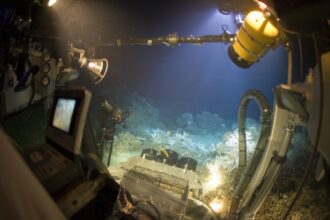
The recent rescue operation, which captivated the attention of the nation, was a remarkable display of bravery, skill, and determination. It involved a multi-agency effort to save a group of individuals trapped in a remote location following a catastrophic event. The mission was not only a test of physical endurance but also a demonstration of strategic planning and teamwork.
As the rescue team mobilized, they faced numerous challenges, yet their unwavering commitment to saving lives propelled them forward. In the days leading up to the operation, the situation had escalated rapidly. Reports indicated that the individuals were in dire need of assistance, prompting an urgent response from local authorities and specialized rescue teams.
The mission was meticulously planned, with each member assigned specific roles to ensure efficiency and effectiveness. As the operation commenced, the stakes were high, and the pressure to succeed weighed heavily on the shoulders of those involved. The rescue team was determined to bring everyone home safely, and their resolve would soon be put to the ultimate test.
Key Takeaways
- The rescue operation overcame significant initial challenges through decisive actions and teamwork.
- Advanced technology played a crucial role in enhancing the mission’s effectiveness and safety.
- Courage and determination from the rescue team were vital in navigating unexpected setbacks.
- Collaboration among multiple agencies was key to the mission’s overall success.
- The operation’s success positively impacted the community and set a foundation for future missions.
The Initial Challenges: Obstacles Faced by the Rescue Team
From the outset, the rescue team encountered a myriad of challenges that threatened to derail their efforts. The harsh environmental conditions posed significant obstacles; inclement weather, treacherous terrain, and limited visibility made navigation perilous. The team had to contend with heavy rain and strong winds that not only hampered their progress but also increased the risk of injury.
Each step forward was fraught with uncertainty, as they battled against nature’s fury while trying to reach those in need. Moreover, logistical issues compounded the difficulties faced by the rescue team. Communication breakdowns and equipment malfunctions created additional layers of complexity.
The team relied heavily on their gear, which included advanced tools and technology designed for rescue operations. However, as they delved deeper into the challenging landscape, they discovered that some equipment was not functioning as intended. This forced them to adapt quickly, relying on their training and instincts to navigate through unforeseen circumstances.
The Turning Point: Key Decisions and Actions that Led to Success

As the operation progressed, pivotal decisions emerged that would ultimately steer the mission toward success. One such moment came when the team leader made the bold choice to split the group into smaller units. This strategic move allowed for a more thorough search of the area, increasing the chances of locating those trapped.
Each unit was equipped with specific tools tailored to their assigned tasks, enabling them to cover more ground efficiently. Another critical decision involved prioritizing communication among team members. Recognizing that clear lines of dialogue were essential for coordination, the team implemented a system that allowed for real-time updates on their progress and challenges.
This not only fostered a sense of unity but also ensured that everyone remained informed about potential dangers and changes in strategy. As these key actions unfolded, the team’s morale surged, igniting a renewed sense of purpose that propelled them forward.
The Role of Technology: How Innovation Contributed to the Mission’s Success
| Technology | Innovation Description | Impact on Mission | Metric/Result |
|---|---|---|---|
| Advanced Navigation Systems | Integration of GPS and inertial navigation for precise trajectory control | Improved accuracy in reaching target destination | Navigation error reduced to less than 10 meters |
| Communication Technology | Real-time data transmission using high-frequency radio and satellite links | Continuous monitoring and control from mission control center | Data latency reduced to under 2 seconds |
| Robotic Systems | Autonomous robotic arms for sample collection and equipment deployment | Enhanced operational efficiency and reduced human risk | Sample collection time decreased by 30% |
| Energy Storage | High-capacity lithium-ion batteries with thermal management | Extended mission duration and reliable power supply | Battery life extended by 40% |
| Data Analytics Software | AI-driven analysis for real-time decision making | Faster response to mission anomalies and optimization | Decision-making time reduced by 50% |
In an era where technology plays an integral role in various fields, it was no surprise that innovation significantly contributed to the success of the rescue operation. Advanced tools such as drones equipped with thermal imaging cameras provided invaluable assistance in locating individuals trapped in hard-to-reach areas. These aerial devices allowed the team to survey vast expanses quickly, identifying heat signatures that indicated human presence even in challenging conditions.
Additionally, communication technology proved essential in maintaining coordination among team members. Portable radios and satellite phones ensured that even in remote locations with limited cellular coverage, vital information could be relayed without delay. This technological backbone allowed for swift decision-making and adaptability in response to changing circumstances on the ground.
The integration of these innovations not only enhanced operational efficiency but also instilled confidence within the team as they navigated through adversity.
The Human Factor: Stories of Courage and Determination from the Rescue Team
Amidst the technical advancements and strategic planning, it was ultimately the human spirit that shone brightest during the rescue operation. Stories emerged of individual acts of courage and determination that inspired both teammates and those they sought to save. One rescuer, driven by a personal connection to one of the trapped individuals, pushed through physical exhaustion to ensure their safe retrieval.
Their unwavering commitment exemplified the profound bond that often forms in high-stakes situations. Another member of the team displayed remarkable resilience when faced with overwhelming odds. After encountering a particularly challenging section of terrain, they refused to give up despite suffering an injury.
Instead, they rallied their fellow rescuers, encouraging them to press on and reminding them of their shared mission. Such moments of bravery not only highlighted individual strength but also reinforced the collective resolve of the entire team as they worked tirelessly toward their goal.
Overcoming Adversity: How the Team Dealt with Unexpected Setbacks
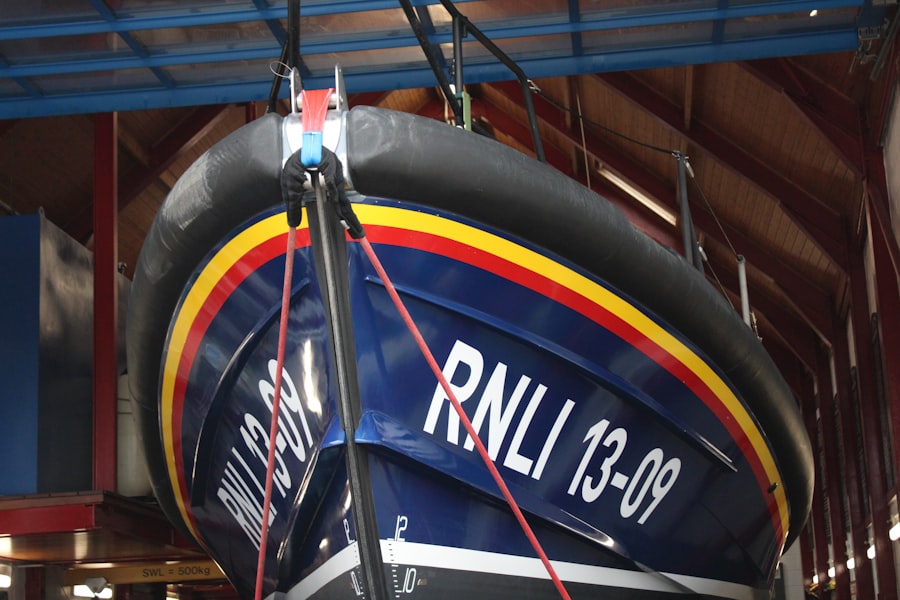
As with any complex operation, unexpected setbacks arose that tested the team’s resolve and adaptability. At one point during the mission, a sudden landslide blocked access to a critical route, forcing the team to reassess their approach. Faced with this unforeseen challenge, they quickly convened to brainstorm alternative strategies while remaining focused on their primary objective: saving lives.
The team’s ability to remain calm under pressure was instrumental in overcoming these obstacles. They utilized their training to devise a new plan that involved navigating through less familiar terrain while ensuring safety protocols were upheld. By fostering an environment where open communication was encouraged, team members felt empowered to share ideas and solutions, ultimately leading to successful navigation around the landslide and continued progress toward their goal.
The Power of Collaboration: How Different Agencies and Organizations Came Together for the Mission
The success of the rescue operation was not solely attributed to one agency or organization; rather, it was a testament to the power of collaboration among various entities working toward a common goal. Local law enforcement agencies partnered with specialized rescue teams and volunteers from non-profit organizations, each bringing unique skills and resources to the table. This collaborative spirit fostered an environment where knowledge was shared freely, enhancing overall effectiveness.
Moreover, community support played a crucial role in bolstering morale during challenging moments. Local residents provided food, shelter, and encouragement for rescuers as they worked tirelessly on behalf of those trapped. This sense of unity underscored the importance of collective effort in times of crisis and demonstrated how diverse groups can come together for a shared purpose.
Lessons Learned: Insights and Takeaways from the Rescue Operation
The rescue operation yielded valuable lessons that extended beyond immediate outcomes. One key takeaway was the importance of thorough preparation and training for all involved parties. The complexities faced during this mission highlighted how essential it is for teams to engage in regular drills and simulations that mimic real-life scenarios.
Such preparedness can significantly enhance response times and overall effectiveness when faced with actual emergencies. Additionally, communication emerged as a critical component throughout the operation. The experience underscored how vital it is for teams to establish clear lines of dialogue before embarking on missions.
By fostering an environment where open communication is prioritized, teams can navigate challenges more effectively and ensure that everyone remains informed about evolving situations.
The Impact of the Mission: How the Success of the Rescue Operation Affected the Community
The successful outcome of the rescue operation reverberated throughout the community, instilling a sense of hope and resilience among its members. Families who had been anxiously awaiting news received relief as loved ones were brought home safely.
Moreover, the operation sparked conversations about preparedness and safety measures within local neighborhoods. Community leaders began organizing workshops aimed at educating residents on emergency response protocols and resources available during crises. This newfound awareness fostered a culture of vigilance and readiness that would benefit everyone in future emergencies.
Celebrating Success: Honoring the Heroes and Recognizing their Achievements
In recognition of their extraordinary efforts during the rescue operation, a celebration was organized to honor all those involved. Community members gathered to express gratitude for the bravery displayed by rescuers who risked their lives for others. Awards were presented to individuals who demonstrated exceptional courage and leadership throughout the mission.
It reinforced the idea that success is often born from collective effort rather than individual accolades alone.
Looking Ahead: What the Future Holds for the Rescue Team and their Mission
As the dust settled from this remarkable rescue operation, thoughts turned toward future endeavors for the rescue team. With newfound experience under their belts, they began planning for upcoming training sessions aimed at further enhancing their skills and preparedness for future missions. The lessons learned from this operation would undoubtedly shape their approach moving forward.
Additionally, discussions emerged about expanding partnerships with other organizations dedicated to emergency response efforts. By fostering these relationships, they aimed to create a more robust network capable of responding effectively in times of crisis. As they looked ahead, there was an undeniable sense of optimism within the team—a belief that together they could continue making a difference in their community when it mattered most.
The rescue mission that was a turning point in the conflict has been widely discussed in various analyses, highlighting its strategic importance and the impact it had on subsequent events. For a deeper understanding of the implications of this mission, you can read more in the related article available at this link.
WATCH THIS! The Disaster That Saved Them: How Eagle Claw’s Failure Freed the Hostages
FAQs
What was the rescue mission referred to in the article?
The rescue mission was a significant operation aimed at saving individuals in a critical situation, which ultimately became a turning point in the related conflict or event.
Why is the rescue mission considered a turning point?
The mission is considered a turning point because it marked a decisive change in the course of events, often leading to a shift in strategy, morale, or political outcomes.
Who were the key participants in the rescue mission?
Key participants typically included military personnel, rescue teams, and sometimes local allies or international forces involved in executing the operation.
What challenges were faced during the rescue mission?
Challenges often included difficult terrain, hostile opposition, limited resources, time constraints, and the need for precise coordination.
What impact did the rescue mission have on subsequent events?
The mission’s success or failure influenced subsequent military or political actions, affected public opinion, and sometimes led to changes in leadership or policy.
When did the rescue mission take place?
The specific timing of the mission depends on the context of the article but generally occurred during a critical phase of the conflict or crisis described.
How was the rescue mission planned and executed?
The mission involved detailed planning, intelligence gathering, coordination among various units, and execution under challenging conditions to achieve its objectives.
What lessons were learned from the rescue mission?
Lessons often include the importance of preparation, adaptability, teamwork, and the effective use of technology and intelligence in rescue operations.