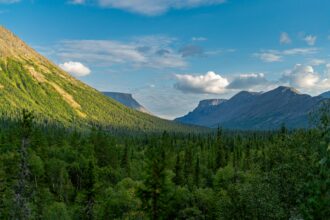
The Kola Peninsula, a rugged and resource-rich landmass jutting into the Arctic Ocean in northwestern Russia, possesses a strategic military importance that has been recognized for centuries and has only amplified in the modern era. Its geographic position, bordering Norway and Finland, and its access to vital Arctic sea lanes, along with its abundant natural resources, have cemented its status as a critical linchpin in Russia’s defense posture and a key theater in geopolitical calculations. The peninsula’s strategic value is multifaceted, encompassing its role as a naval base, a platform for advanced military technology, a gateway to the Arctic’s economic potential, and a crucial element in Russia’s nuclear deterrence strategy.
The Kola Peninsula’s location is its most defining strategic asset. Situated at the northernmost tip of European Russia, it forms a natural barrier and a pivotal point for projecting power into the Arctic and Barents Seas. Its proximity to NATO members Norway and Finland, and its relatively short distance to key North Atlantic shipping routes, makes it a constant point of strategic interest.
Gateway to the Arctic Ocean
The peninsula’s coastline provides Russia with crucial access to the Arctic Ocean, a region increasingly recognized for its strategic and economic significance. The Northern Sea Route (NSR), which traverses the Arctic coast of Russia, is a vital transportation corridor that is becoming more accessible due to climate change. The Kola Peninsula, with its ice-free ports, serves as a critical staging ground for vessels traversing the NSR, facilitating trade, resource extraction, and military deployments. The ability to control and secure these access points is paramount for Russia’s ambitions in the Arctic.
Barents Sea Dominance
The Barents Sea, a marginal sea of the Arctic Ocean, is another key area where the Kola Peninsula exerts significant influence. This sea is a rich fishing ground, a source of oil and gas reserves, and a vital area for naval operations. Russian naval forces based on the Kola Peninsula can project power and monitor activities throughout the Barents Sea, ensuring their interests are protected and their strategic objectives are met. The peninsula’s ports provide a secure and accessible base for naval vessels, enabling rapid deployment and sustained operations in this critical maritime domain.
Proximity to NATO and the Norwegian Sea
The peninsula’s adjacency to Norway, a NATO member, and its proximity to the Norwegian Sea, a strategically important body of water connecting the North Atlantic and the Arctic Ocean, creates a complex geopolitical dynamic. This proximity necessitates a robust military presence on the Kola Peninsula to deter potential adversaries and to monitor NATO’s activities in the region. The Barents Sea serves as a buffer zone, but the strategic calculations of both Russia and NATO are heavily influenced by the military capabilities present on the Kola Peninsula.
The Kola Peninsula has gained significant attention due to its strategic military importance, particularly in the context of Russia’s defense posture in the Arctic region. For a deeper understanding of this topic, you can read a related article that explores the geopolitical implications and military developments in the area. This article provides insights into how the Kola Peninsula serves as a critical base for naval and air operations, enhancing Russia’s capabilities in the North. For more information, visit this link.
A Fortress of the Northern Fleet: Naval Power Projection
The Kola Peninsula is home to the headquarters and primary operational bases of the Russian Northern Fleet, one of Russia’s most powerful naval forces. This strategic positioning allows Russia to project naval power across the Arctic, the Atlantic, and beyond. The infrastructure and capabilities developed on the peninsula are central to Russia’s maritime strategy.
Murmansk: The Icebreaker Capital and Naval Hub
Murmansk, the largest city in the Arctic Circle and located on the Kola Peninsula, is the undisputed heart of Russian Arctic naval power. Its deep-water, ice-free port is a major advantage, allowing naval vessels to operate year-round. Murmansk is not only the home of the Northern Fleet’s main bases but also the world’s largest hub for nuclear-powered icebreakers. These vessels are crucial for keeping Arctic shipping lanes open, but also possess significant military applications, including escorting warships, providing logistical support, and even potentially acting as mobile command centers.
Strategic Submarine Bases
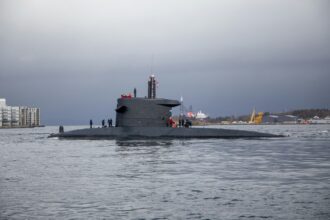
The peninsula hosts several key submarine bases, most notably those at Severomorsk and Zapadnaya Litsa. These bases are home to a significant portion of Russia’s nuclear submarine fleet, including its Ballistic Missile Submarines (SSBNs) and Attack Submarines (SSNs). The remote and rugged terrain of the Kola Peninsula provides excellent cover and security for these highly sensitive facilities. The presence of these submarines is a cornerstone of Russia’s nuclear deterrence strategy, as they offer a survivable second-strike capability.
Surface Fleet Operations and Readiness
Beyond submarines, the Kola Peninsula supports a substantial surface fleet, including cruisers, destroyers, frigates, and auxiliary vessels. The naval infrastructure in places like Severomorsk allows for the maintenance, repair, and deployment of these vessels. The ability to rapidly mobilize and operate this surface fleet is crucial for projecting conventional military power, conducting anti-submarine warfare, and providing sea control in the Arctic and North Atlantic. The proximity to the open ocean ensures that the fleet can quickly respond to emerging threats or opportunities.
Advanced Military Technology and Air Power
The strategic importance of the Kola Peninsula extends beyond its naval capabilities to encompass a significant air force presence and the deployment of advanced military technologies. This integration of air and naval power creates a formidable defensive and offensive posture.
Airfields and Fighter Jet Deployments
Several airfields are located on the Kola Peninsula, serving as bases for fighter jets, bombers, and reconnaissance aircraft. These air assets are crucial for air defense, maritime patrol, and strike missions. The ability to control the airspace over the Barents Sea and the approaches to Russian territory is paramount. Deployments of advanced aircraft, such as Su-30, Su-34, and MiG-31 interceptors, underscore the peninsula’s role as a critical air defense hub.
Radar and Early Warning Systems
The Kola Peninsula is equipped with sophisticated radar and early warning systems, including some of the most advanced over-the-horizon radar in the world. These systems are designed to detect and track aircraft, missiles, and naval vessels approaching Russian airspace and territorial waters from the north. The vastness of the Arctic and the potential for long-range threats necessitate these robust surveillance capabilities. Early warning is critical for providing sufficient reaction time for defensive measures.
Electronic Warfare Capabilities
Russia has invested heavily in electronic warfare (EW) capabilities on the Kola Peninsula. These capabilities are designed to disrupt enemy communications, radar, and navigation systems, providing a significant tactical advantage. The harsh Arctic environment can also present unique challenges and opportunities for EW operations, making the peninsula a testing ground for advanced EW technologies. This can be used to blind enemy sensors or to jam their command and control networks.
Resource Wealth and Economic Strategic Significance
While often framed in military terms, the strategic importance of the Kola Peninsula is inextricably linked to its vast natural resource wealth. The control and exploitation of these resources are as vital to Russia’s long-term economic and geopolitical standing as its military might.
Arctic Mineral and Hydrocarbon Reserves
The Kola Peninsula and its surrounding Arctic shelf are rich in mineral deposits, including nickel, copper, platinum group metals, and apatite. Furthermore, the Barents Sea shelf holds significant, largely untapped reserves of oil and natural gas. Russia’s ability to access and exploit these resources is crucial for its economic development and its position as a major global energy supplier. Securing these resource-rich areas from potential interference is a key strategic imperative.
The Northern Sea Route as an Economic Artery
As mentioned earlier, the Northern Sea Route (NSR) is not only a strategic transit corridor but also an economic lifeline. The Kola Peninsula, with its ice-free ports like Murmansk, is the western gateway to the NSR. As global trade patterns shift and Arctic sea ice recedes, the NSR is expected to become increasingly important for transporting goods between Europe and Asia. Russia’s control over this route, facilitated by its military presence on the Kola Peninsula, gives it significant leverage and economic potential.
Fisheries and Maritime Resources
The Barents Sea is one of the most productive fishing grounds in the world. The Kola Peninsula’s ports are vital for the Russian fishing fleet, contributing significantly to the country’s food security and export economy. Protecting these fishing grounds and ensuring access to maritime resources is a critical aspect of the peninsula’s strategic importance, requiring a strong naval presence to deter illegal fishing and to safeguard national interests.
The Kola Peninsula has gained significant attention due to its strategic military importance, particularly in the context of Arctic geopolitics and NATO’s response to Russian military activities in the region. This area serves as a critical base for the Russian Northern Fleet, which plays a vital role in securing Russia’s interests in the Arctic. For a deeper understanding of the implications of this military presence, you can read more in the article on In The War Room, where the dynamics of power in the Arctic are explored in detail.
Strategic Doctrine and Nuclear Deterrence
| Aspect | Importance |
|---|---|
| Geographical Location | Proximity to Scandinavia and Arctic region |
| Natural Resources | Rich in minerals and metals |
| Military Bases | Hosts several strategic military bases |
| Access to Northern Sea Route | Provides access to important shipping route |
| Strategic Importance | Significant for Russian military operations |
The Kola Peninsula plays a central role in Russia’s strategic nuclear doctrine and its overall defense posture. Its geographic location and the concentration of military assets make it a critical component of Russia’s ability to deter nuclear attack and to project strategic power.
The Bastion Strategy and Submarine Deterrence
The Kola Peninsula is a key element of Russia’s “bastion strategy.” This strategy aims to create heavily defended maritime areas, primarily in the Arctic, where its most valuable assets, particularly its nuclear submarines, can operate with a high degree of survivability. The presence of the Northern Fleet, with its numerous submarines armed with nuclear missiles, in the relative security of the Barents Sea and the Arctic Ocean, provides a credible second-strike capability. This is the cornerstone of Russia’s nuclear deterrence.
Forward Deployed Forces and Crisis Response
The military installations on the Kola Peninsula are not solely focused on nuclear deterrence; they also serve as forward-deployed forces capable of responding to conventional military crises in the Arctic and North Atlantic. The ability to rapidly deploy naval and air assets from the peninsula allows Russia to project power, defend its interests, and influence regional security dynamics. This dual role as a deterrent and a rapid response platform enhances Russia’s strategic flexibility.
The Arctic as a New Strategic Frontier
The Kola Peninsula is at the forefront of Russia’s increasing focus on the Arctic as a new strategic frontier. With the growing geopolitical competition for Arctic resources and influence, the military capabilities concentrated on the peninsula are essential for asserting Russian sovereignty, protecting its economic interests, and maintaining its strategic advantage in this rapidly changing region. The military presence acts as both a guarantor of Russian claims and a deterrent against any potential challenges.
In conclusion, the strategic military importance of the Kola Peninsula is a multifaceted and deeply ingrained aspect of Russian defense policy and geopolitical ambition. Its unique geographic position, coupled with its extensive naval and air force infrastructure, advanced military technologies, and access to critical natural resources, makes it an indispensable component of Russia’s strategic calculus. As the Arctic continues to gain prominence on the global stage, the Kola Peninsula’s role as a military stronghold and a gateway to vital maritime and economic opportunities is only set to grow, making it a region of enduring strategic significance for Russia and a focal point for international security considerations.

Russia’s Nuclear Submarines Depend on This Arctic Lifeline
FAQs
What is the Kola Peninsula?
The Kola Peninsula is a large peninsula in the far northwest of Russia, extending into the Barents Sea. It is home to the city of Murmansk and is known for its rugged terrain and harsh climate.
Why is the Kola Peninsula strategically important?
The Kola Peninsula is strategically important due to its proximity to Scandinavia and the Arctic. It is home to several Russian military bases, including the Northern Fleet, and provides access to the Arctic Ocean and the Northern Sea Route.
What military assets are located on the Kola Peninsula?
The Kola Peninsula is home to several military assets, including the Northern Fleet, which is one of the Russian Navy’s main fleets. It also houses air bases, radar installations, and other strategic military infrastructure.
How does the Kola Peninsula factor into Russia’s military strategy?
The Kola Peninsula plays a key role in Russia’s military strategy, particularly in terms of maintaining a strong presence in the Arctic region and projecting power into the North Atlantic. It also provides a strategic location for monitoring and controlling maritime traffic in the region.
What are the geopolitical implications of the Kola Peninsula’s strategic importance?
The strategic importance of the Kola Peninsula has geopolitical implications for Russia’s relations with neighboring countries, as well as for broader international security dynamics in the Arctic region. It also has implications for energy security and resource extraction in the Arctic.