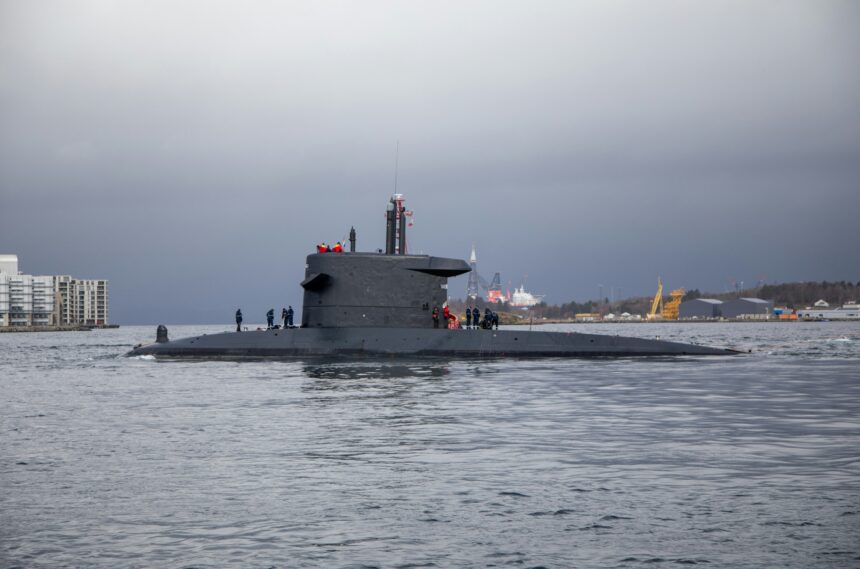
The silent, colossal guardians of Russia’s strategic deterrence, its nuclear submarines, represent a cornerstone of its military might. These vessels, teeming with advanced technology and devastating firepower, are not merely built and launched; they are the product of an intricate, often secretive, and vitally important industrial ecosystem. The integrity and resilience of this nuclear submarine supply chain are paramount to Russia’s ability to project power, maintain its strategic balance, and ensure its national security. Any disruption, vulnerability, or external pressure on this chain carries significant geopolitical and military implications. Understanding the complexities of securing Russia’s nuclear submarine supply chain necessitates a deep dive into its constituent elements, the challenges it faces, and the strategies employed to safeguard its operations.
The lifeblood of any advanced military program, particularly one as sophisticated as nuclear submarine development, lies in its design, research, and development (R&D) capabilities. This initial phase is crucial for conceptualizing, engineering, and refining the cutting-edge technologies that define modern submarines. Russia’s historical legacy in submarine warfare, dating back to the Soviet era, has provided a strong foundation for its current R&D efforts. However, maintaining this edge in a rapidly evolving technological landscape presents ongoing challenges and necessitates a robust and secure R&D pipeline.
Conceptualization and Theoretical Frameworks
The genesis of a new nuclear submarine class often begins with theoretical explorations and strategic assessments. Military planners and defense analysts identify future threats, technological advancements, and evolving geopolitical realities. This informs the conceptualization of new submarine designs, outlining their intended roles, capabilities, and operational profiles. These initial stages are critical for setting the direction of the entire development process.
Strategic Imperatives and Future Threats
Russia’s defense doctrine and its perception of the global security environment heavily influence the conceptualization of its submarine fleet. The need to counter potential adversaries’ naval capabilities, maintain nuclear deterrence, and project power into distant oceans are all driving factors. This involves anticipating the development of anti-submarine warfare (ASW) technologies by potential adversaries and designing submarines that can evade detection and penetrate enemy defenses.
Technological Frontiers and Innovation
The R&D process is a constant pursuit of technological breakthroughs. This includes advancements in reactor technology for quieter and more efficient propulsion, sonar systems for superior detection, stealth technologies to minimize acoustic signatures, and advanced weapon systems, including ballistic and cruise missiles. The integration of artificial intelligence and autonomous systems is also becoming increasingly important in modern naval design.
Engineering and Prototyping
Once a concept is established, the rigorous engineering and prototyping phase begins. This involves detailed design work, the creation of blueprints, the development of specialized software, and the construction of prototypes or scaled models for testing. This stage is resource-intensive and requires a highly skilled workforce and specialized facilities.
Advanced Materials Science
The construction of nuclear submarines demands the use of specialized and often classified materials. This includes high-strength steels, titanium alloys, and advanced composite materials that can withstand immense pressure, resist corrosion, and minimize magnetic signatures. Securing the supply of these materials, which may have dual-use applications, is a critical aspect of supply chain management.
Hydrodynamics and Acoustic Engineering
The performance of a submarine is heavily dependent on its hydrodynamic efficiency and its acoustic stealth. Extensive research and testing are conducted to optimize hull shapes for reduced drag and noise. This also involves the development of advanced sound-dampening technologies and countermeasures to confuse enemy sonar.
Reactor and Propulsion Systems
The heart of a nuclear submarine is its reactor. The design and development of safe, reliable, and silent nuclear propulsion systems are paramount. This includes the selection of appropriate reactor types, fuel sourcing, and the intricate engineering of turbines, gears, and other propulsion components.
The complexities of Russia’s nuclear submarine supply chain have garnered significant attention in recent times, particularly in light of geopolitical tensions. An insightful article that delves into this topic is available at this link, where it explores the various factors influencing the production and maintenance of Russia’s formidable underwater fleet. The analysis provides a comprehensive overview of the challenges faced by the Russian military-industrial complex and the implications for global security.
The Industrial Backbone: Shipyards and Manufacturing
The physical realization of nuclear submarine designs occurs in specialized shipyards and manufacturing facilities. These are often vast, heavily guarded complexes where complex construction processes take place. The efficiency, capacity, and security of these industrial hubs are directly linked to Russia’s ability to produce and maintain its submarine fleet.
Key Shipyards and Their Capabilities
Russia possesses a number of critical shipyards with the expertise and infrastructure to construct nuclear submarines. These facilities are often government-owned and operated, reflecting the strategic importance of their output. Their capabilities range from hull construction and assembly to the integration of complex weapon and propulsion systems.
United Shipbuilding Corporation (USC) and its Subsidiaries
The United Shipbuilding Corporation is the primary entity responsible for managing and operating Russia’s shipbuilding industry. Within the USC, specific shipyards are designated for the construction of nuclear submarines, such as the Sevmash Predpriyatiye in Severodvinsk. These shipyards are equipped with specialized dry docks, heavy lifting equipment, and highly skilled labor forces.
Specialized Manufacturing Facilities
Beyond the primary shipyards, a network of specialized manufacturing facilities produces the myriad components required for nuclear submarines. This includes the fabrication of pressure hulls, the production of reactor cores, the assembly of intricate electronic systems, and the manufacturing of weapon launch systems.
Subcontractor Networks and Component Suppliers
The construction of nuclear submarines is not solely reliant on the capabilities of a few large shipyards. It involves a vast and complex network of subcontractors and component suppliers, many of whom may not be directly involved in defense production but provide essential parts and services. This decentralized element of the supply chain presents unique security challenges.
Domestic Sourcing and Import Substitution
Russia has historically prioritized domestic sourcing of components to reduce reliance on foreign suppliers, particularly for sensitive technologies. In recent years, efforts towards import substitution have intensified, aiming to replace imported components with domestically produced alternatives. This is driven by both strategic considerations and the impact of international sanctions.
The Challenge of Specialized Components
While many general components can be manufactured domestically, certain highly specialized items, such as advanced microelectronics, precision optics, or specific rare-earth materials, may still require reliance on external suppliers, even if those suppliers are themselves located within Russia but are part of a broader international sourcing chain.
Quality Control and Assurance
Maintaining the highest standards of quality control and assurance is paramount in the construction of nuclear submarines. Defects or failures in any component can have catastrophic consequences. Rigorous testing, inspection, and certification processes are integrated throughout the manufacturing and assembly phases.
Non-Destructive Testing (NDT) and Material Verification
Advanced NDT methods, such as ultrasonic testing, radiography, and magnetic particle inspection, are used to ensure the integrity of welds and materials. Material verification ensures that all components meet stringent specifications.
System Integration and Performance Testing
Once assembled, entire systems and subsystems undergo extensive testing to verify their functionality and performance under simulated operational conditions. This includes testing of propulsion, weapons, navigation, and life support systems.
The Critical Components: Technology and Materials
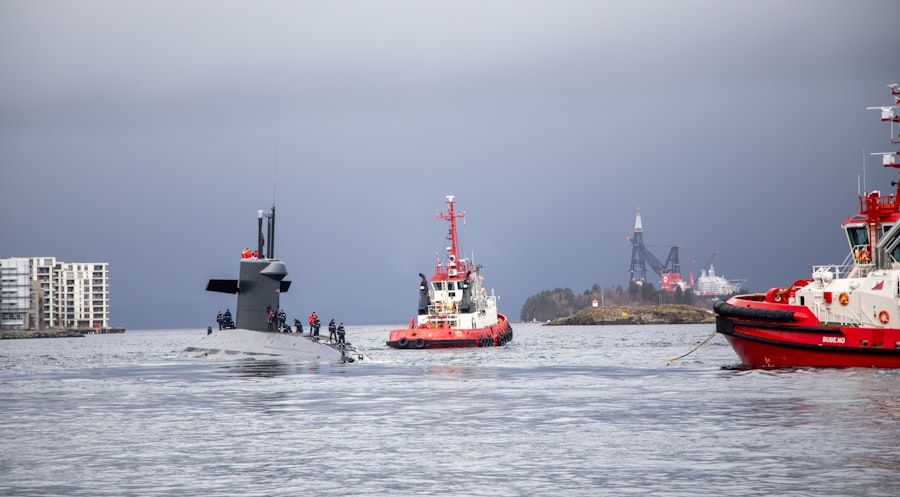
The performance, stealth, and longevity of a nuclear submarine are inextricably linked to the advanced technologies and specialized materials that comprise it. Securing the supply and development of these critical elements is a continuous and multifaceted endeavor, fraught with challenges posed by technological evolution and geopolitical pressures.
Reactor Technology and Nuclear Fuel
The nuclear reactor is the defining feature of these vessels, providing the power for extended submerged operations. The design, construction, and fueling of these reactors are highly specialized and subject to stringent security protocols.
Pressurized Water Reactors (PWRs) and Beyond
Russia primarily utilizes Pressurized Water Reactors (PWRs) for its submarine fleet. Continuous research focuses on improving reactor efficiency, reducing thermal and acoustic signatures, and enhancing safety features. The development of next-generation reactor designs for future submarine classes is an ongoing priority.
Uranium Enrichment and Fuel Fabrication
The sourcing and processing of enriched uranium for reactor fuel are critical. Russia possesses its own uranium enrichment facilities and fuel fabrication plants. Ensuring the security of these operations and the integrity of the fuel supply chain, from mining to finished fuel assemblies, is of utmost importance.
Radioactive Waste Management
The long operational life of nuclear submarines necessitates robust strategies for managing spent nuclear fuel and radioactive waste, both during refits and at the end of a vessel’s service life. This involves secure storage and eventual disposal, requiring specialized infrastructure and expertise.
Sonar and Acoustic Systems
The ability to detect enemy vessels while remaining undetected oneself is crucial for submarine survival and operational effectiveness. Advanced sonar and acoustic systems are at the forefront of this technological race.
Passive and Active Sonar Technologies
Passive sonar listens for the sounds emitted by other vessels, while active sonar emits sound pulses and analyzes the returning echoes. Russia invests heavily in developing sophisticated sonar arrays, towed sonar systems, and advanced signal processing algorithms to enhance both capabilities.
Acoustic Signature Reduction
Minimizing a submarine’s own acoustic signature is a primary objective. This involves the use of anechoic coatings, vibration isolation for machinery, and the development of propulsion systems that generate minimal noise. Research into stealth materials and hull designs that scatter sonar pulses is also ongoing.
Weapon Systems and Launch Platforms
The offensive and defensive capabilities of a nuclear submarine are determined by its arsenal of weapons and the systems used to deploy them. This includes ballistic missiles, cruise missiles, torpedoes, and anti-torpedo countermeasures.
Ballistic Missile Submarines (SSBNs)
For Russia’s strategic deterrence, its SSBNs carrying Intercontinental Ballistic Missiles (ICBMs) are a key component. Securing the reliable production and maintenance of these complex missile systems and their launch tubes is a national security priority.
Attack Submarines (SSNs/SSGNs)
Attack submarines, armed with cruise missiles and torpedoes, are vital for anti-ship warfare, anti-submarine warfare, and projecting power. The integration of advanced missile guidance systems, torpedo propulsion, and launch mechanisms requires a secure and efficient supply chain.
Stealth Technologies and Advanced Materials
Beyond acoustic stealth, submarines employ various technologies and materials to reduce their detectability by other means, including radar and magnetic anomaly detection.
Anechoic Coatings and Composites
Specialized coatings are applied to the hull of submarines to absorb or scatter sonar signals, reducing their detectability. The development and application of advanced composite materials, which are less susceptible to magnetic detection, are also a focus.
Reduced Magnetic Signatures
Minimizing a submarine’s magnetic field is achieved through degaussing systems and the use of non-magnetic materials in construction where feasible.
Supply Chain Vulnerabilities and Geopolitical Pressures

The complex and interconnected nature of the nuclear submarine supply chain, while a testament to technological advancement, also presents inherent vulnerabilities. These vulnerabilities can be exploited by adversaries, and the supply chain is increasingly subject to geopolitical pressures, impacting Russia’s strategic autonomy and operational capacity.
Reliance on Foreign Technology and Components
Despite efforts towards import substitution, Russia may still rely on certain foreign technologies or specialized components for its submarine program. The imposition of international sanctions can directly target these areas, hindering access to critical parts or expertise.
Microelectronics and Advanced Computing
Modern submarines are heavily reliant on sophisticated microelectronics, processors, and advanced computing systems for navigation, fire control, and sonar processing. Access to these high-tech components can be restricted through export controls and sanctions.
Precision Machining and Specialized Equipment
The manufacturing of highly precise components for reactors, weapon systems, and propulsion requires specialized machinery and tooling. If these are not domestically available, reliance on imports can create a bottleneck.
Cybersecurity Threats
The increasing digitalization of military systems makes the entire supply chain, from R&D to maintenance, susceptible to cyberattacks. These attacks can aim to steal sensitive design information, disrupt manufacturing processes, or compromise operational systems.
Espionage and Industrial Sabotage
Foreign intelligence agencies may seek to infiltrate the supply chain through cyber means or human intelligence to gain insights into design specifications, production schedules, or technological capabilities. Industrial sabotage could target critical infrastructure or manufacturing processes.
Data Integrity and System Reliability
A successful cyberattack could compromise the integrity of design data, manufacturing specifications, or operational software, potentially leading to faulty components, system malfunctions, or even catastrophic failures.
The Impact of Sanctions and Export Controls
International sanctions and export control regimes are potent tools used to limit a nation’s access to critical technologies and materials. For Russia’s nuclear submarine program, these measures can create significant challenges.
Restrictions on Dual-Use Technologies
Many advanced technologies have both civilian and military applications (dual-use). Sanctions often target these technologies, making it difficult for Russia to acquire them for its defense industries.
Access to Raw Materials and Rare Earths
Certain advanced materials, including rare-earth elements crucial for electronics and magnets, may be subject to export controls or monopolistic supply chains that can be influenced by geopolitical considerations.
Internal Security and Counterintelligence
Protecting the nuclear submarine supply chain also requires robust internal security measures and effective counterintelligence operations to prevent insider threats, theft of sensitive information, or sabotage.
Personnel Vetting and Security Clearances
Rigorous vetting processes for all personnel involved in the design, manufacturing, and maintenance of nuclear submarines are essential. Maintaining appropriate security clearances and ongoing monitoring are crucial.
Protection of Sensitive Data and Facilities
Physical security of shipyards, research facilities, and manufacturing plants, as well as the implementation of strong cybersecurity protocols for data storage and transmission, are paramount.
Recent discussions surrounding the complexities of Russia’s nuclear submarine supply chain have highlighted the strategic importance of maintaining robust logistics and manufacturing capabilities. A related article that delves deeper into this topic can be found at In The War Room, where experts analyze the implications of these supply chains on global security and naval power dynamics. Understanding these intricacies is crucial for comprehending the broader geopolitical landscape.
Securing the Future: Strategies and Resilience
| Component | Supplier | Quantity | Delivery Time |
|---|---|---|---|
| Reactors | Rosatom | 4 | 12 months |
| Missiles | Sevmash | 20 | 18 months |
| Sonar Systems | Rubin Design Bureau | 10 | 9 months |
Ensuring the continued operational capability and technological superiority of Russia’s nuclear submarine fleet requires a proactive and multi-pronged approach to securing its supply chain. This involves fostering domestic innovation, building resilience, and adapting to an evolving geopolitical landscape.
Enhancing Domestic Industrial Capacity and Innovation
A key strategy for long-term security is strengthening Russia’s domestic industrial base and fostering indigenous innovation to reduce reliance on external sources.
Investment in Research and Development
Sustained and significant investment in R&D is crucial to stay at the technological forefront. This includes supporting fundamental research in materials science, propulsion, acoustics, and artificial intelligence, as well as applied research focused on submarine-specific applications.
Modernization of Shipyards and Manufacturing Facilities
Upgrading and modernizing existing shipyards and manufacturing plants with state-of-the-art equipment and automation can improve efficiency, quality, and capacity. This also involves investing in the training and development of a skilled workforce.
Promoting a Circular Economy for Critical Resources
Exploring opportunities for recycling and reusing critical materials, where feasible and safe, can help mitigate reliance on primary extraction and global supply chains, particularly for scarce resources.
Diversification of Suppliers and Raw Material Sourcing
Reducing dependence on single sources for critical components and raw materials is a fundamental principle of supply chain resilience.
Identifying and Developing Alternative Domestic Suppliers
Actively identifying and cultivating a broader base of domestic suppliers for components, even those that may not be defense-specific, can create redundancy and flexibility. This also involves supporting smaller, specialized manufacturing enterprises.
Strategic Stockpiling of Critical Materials
For certain indispensable raw materials or components that are difficult to substitute or source domestically, strategic stockpiling can provide a buffer against short-term disruptions or price volatility.
Strengthening Cybersecurity and Counterintelligence Measures
Robust cybersecurity and counterintelligence capabilities are essential to protect the integrity and secrecy of the supply chain from internal and external threats.
Proactive Threat Detection and Response
Implementing advanced cybersecurity systems for continuous monitoring, threat detection, and rapid response is crucial. This includes intrusion detection systems, firewalls, and regular security audits.
Espionage Prevention and Insider Threat Mitigation
Developing comprehensive counterintelligence programs, including employee screening, security awareness training, and robust reporting mechanisms, can help mitigate the risk of espionage and insider threats.
Secure Data Management and Encryption
Implementing stringent protocols for data management, including encryption of sensitive information and secure communication channels, is vital to prevent unauthorized access and data breaches.
International Cooperation and Strategic Partnerships (with caveats)
While geopolitical realities often constrain such cooperation, in specific, carefully vetted areas, limited international engagement could potentially bolster certain aspects of the supply chain, though this is a complex and sensitive consideration for a nation with Russia’s strategic posture.
Collaboration on Non-Sensitive Technologies
In areas where national security is not directly compromised, limited collaboration on universally applicable technologies or safety standards could be explored. However, this remains highly speculative given the current geopolitical climate.
Focus on Indigenous Development as Primary Strategy
The overwhelming focus for securing Russia’s nuclear submarine supply chain will undoubtedly remain on bolstering its indigenous capabilities, reducing external dependencies, and ensuring internal resilience. The future of its silent guardians rests on the strength and security of the industrial and technological ecosystem that builds and sustains them.

Russia’s Nuclear Submarines Depend on This Arctic Lifeline
FAQs
What is the current state of Russia’s nuclear submarine supply chain?
The current state of Russia’s nuclear submarine supply chain is a complex network of suppliers, manufacturers, and maintenance facilities that support the construction and maintenance of the country’s nuclear submarine fleet.
What are the key components of Russia’s nuclear submarine supply chain?
The key components of Russia’s nuclear submarine supply chain include specialized materials, components, and technologies required for the construction, maintenance, and operation of nuclear submarines. This includes nuclear reactors, propulsion systems, hull materials, and advanced electronics.
How does Russia ensure the security and reliability of its nuclear submarine supply chain?
Russia ensures the security and reliability of its nuclear submarine supply chain through strict regulations, oversight, and quality control measures. Suppliers and manufacturers are subject to rigorous inspections and certification processes to ensure compliance with safety and security standards.
What are the challenges facing Russia’s nuclear submarine supply chain?
Challenges facing Russia’s nuclear submarine supply chain include technological obsolescence, supply chain disruptions, and geopolitical tensions that can impact the availability of critical components and materials. Additionally, maintaining a skilled workforce and ensuring the security of sensitive technologies are ongoing challenges.
What are the implications of Russia’s nuclear submarine supply chain for global security?
The implications of Russia’s nuclear submarine supply chain for global security are significant, as the country’s nuclear submarine fleet plays a crucial role in its military capabilities. The reliability and security of the supply chain have implications for strategic stability and international security.