The predawn chill of December 7, 1941, held a deceptive stillness over Pearl Harbor. The American Pacific Fleet, a symbol of burgeoning power, lay at anchor, seemingly vulnerable. Yet, beneath the surface of this apparent weakness lay a critical strategic miscalculation that would irrevocably alter the course of the Second World War. The Japanese attack, while a tactical masterpiece in its initial execution, was ultimately a profound strategic failure, rooted in flawed assumptions and a catastrophic underestimation of the American will to fight.
The architects of the Pearl Harbor attack harbored a singular, overarching objective: to cripple the United States Pacific Fleet, thereby neutralizing American military capacity in the Pacific and securing Japan’s dominion over Southeast Asia and the Western Pacific for a significant period. This objective was predicated on a number of assumptions, the most critical of which was the belief that a swift, devastating blow would shock America into a diplomatic resolution, conceding Japanese expansionism rather than engaging in a protracted and costly conflict.
The “Decapitation Strike” Fallacy
The Imperial Japanese Navy’s doctrine emphasized the decisive naval battle, a concept deeply influenced by Alfred Thayer Mahan’s theories of sea power. Admiral Isoroku Yamamoto, the mastermind behind the Pearl Harbor raid, believed that by eliminating the American carriers and battleships, Japan could achieve naval supremacy.
The Carriers as a Blind Spot
Ironically, while the Japanese focused their fury on the battleships, the American aircraft carriers, the true instruments of future naval warfare, were absent from Pearl Harbor that fateful day. This oversight, while fortunate for the US, highlights a broader deficiency in Japanese strategic thinking – an inability to fully grasp the evolving nature of naval power and the potential of carrier-based aviation. The Japanese believed the battleships were the linchpin of American naval power, a perception that would prove dangerously anachronistic.
The Battleships as Symbols, Not Soldiers
The battleships, while powerful, were already becoming increasingly vulnerable to air attack. Their destruction, while a significant material loss, did not fundamentally alter the United States’ capacity for long-term industrial production or its resolve to resist aggression. The Japanese underestimated the symbolic power of these vessels and the profound psychological impact their destruction would have on the American public, galvanizing them towards war rather than demurring from it.
The Miscalculation of American Resolve
Perhaps the most significant strategic blunder was the Japanese misjudgment of the American national character. They perceived the United States as a decadent, peace-loving nation, unwilling to endure heavy casualties or prolonged warfare. This perception was shaped by factors such as the isolationist sentiment prevalent in America and the perceived lack of military preparedness.
The “Soft Power” Delusion
The Japanese leadership, particularly elements within the military, subscribed to the idea that American society was too focused on comfort and material gain to withstand the rigors of a total war. They believed that the shock of Pearl Harbor would be too much for American politicians and the public to bear, leading to a swift capitulation.
The Shadow of the First World War
The lingering memory of the high casualties and immense costs of World War I also contributed to the Japanese belief that America would be reluctant to re-engage in a large-scale global conflict. They failed to account for the fundamental shift in geopolitical circumstances and the existential threat posed by Japanese expansionism.
The strategic failure of Japan at Pearl Harbor has been a topic of extensive analysis and discussion among historians and military strategists. A related article that delves into the implications of this pivotal moment in World War II can be found at this link: Japan’s Strategic Miscalculations at Pearl Harbor. This article explores the decisions made by Japanese leadership and the subsequent consequences that altered the course of the war, providing valuable insights into the complexities of military strategy and international relations during that era.
The Tactical Success Masking Strategic Flaws: A Pyrrhic Victory
The attack on Pearl Harbor was a tactical triumph, executed with precision and courage. The Japanese pilots struck with devastating effect, sinking or damaging numerous battleships and aircraft. However, this brilliant tactical execution ultimately served to obscure the deeper strategic miscalculations that would doom Japan’s war effort.
The Exemption of Key Infrastructure
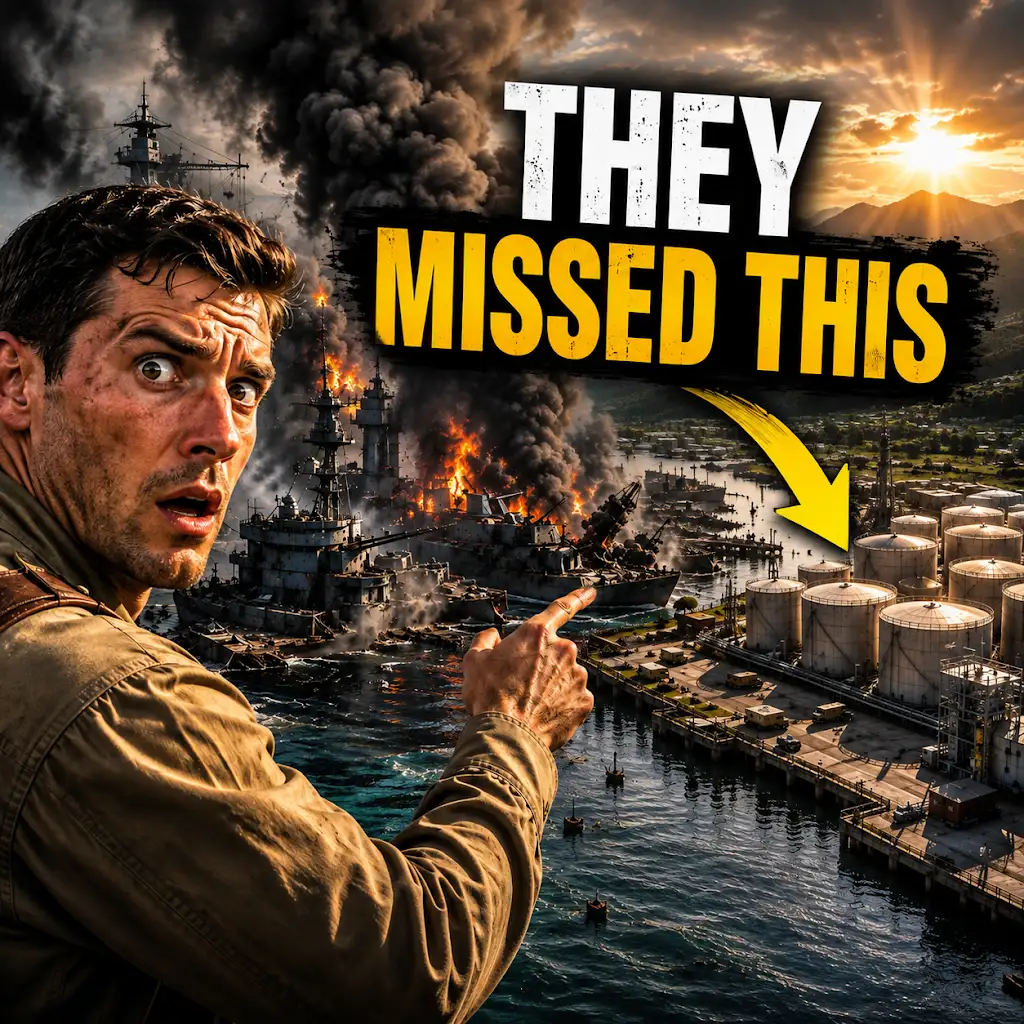
Despite the overwhelming success in destroying naval assets, the Japanese failed to target crucial infrastructure at Pearl Harbor, such as the oil storage facilities and the submarine base. These omissions were critical strategic oversights.
The Oil Tank Farms: A Critical Oversight
The oil storage tanks at Pearl Harbor represented a massive reserve of fuel for the US Pacific Fleet. Their destruction would have severely hampered the fleet’s operational capacity, forcing a prolonged period of inactivity and potentially delaying any American response. The Japanese decision to spare these facilities allowed the US to continue its operations and rebuild much faster than anticipated.
The Submarine Base: A Missed Opportunity
The submarine base, while not as glamorous as the battleships, was vital for reconnaissance, disruption of Japanese supply lines, and projecting power. Destroying or disabling it would have significantly curtailed American naval intelligence and its ability to project force into the Pacific.
The Missed Opportunity of Carrier Strikes
As mentioned earlier, the American aircraft carriers were the true game-changers of the Pacific War. Their absence from Pearl Harbor on December 7, 1941, was a stroke of luck for the United States, but it also represented a missed strategic opportunity for Japan.
The Absence of the Hulls of the Future
The Japanese believed they were delivering a knockout blow by targeting the battleships. However, the carriers, though not present, represented the future of naval warfare. Their survival, combined with the vast industrial capacity of the United States, allowed for rapid rebuilding and the eventual dominance of carrier aviation in the Pacific theater.
The Missed Chance to End the Carrier Threat
Had the Japanese been aware of the carriers’ locations or had their intelligence been more accurate, they might have been able to extend their attack or launch follow-up strikes to target them. The failure to do so allowed America to maintain a crucial component of its naval power and ultimately turn the tide of the war.
The Unintended Consequences: Forging a United and Determined Enemy
Instead of breaking American resolve, the attack on Pearl Harbor had the opposite effect, galvanizing a nation and uniting its people behind a common cause. The element of surprise and the perceived unprovoked nature of the attack transformed public opinion from one of hesitant isolationism to one of unwavering determination to achieve total victory.
The “Day of Infamy”: A Catalyst for War
President Franklin D. Roosevelt’s immortal words, “a date which will live in infamy,” perfectly encapsulated the profound impact of the attack on the American psyche. The shock and outrage were palpable, transcending political divides and rallying the nation to arms.
The End of Isolationism: A Unified Nation
For years, the United States had grappled with the question of intervention in the growing global conflict. Pearl Harbor provided a definitive answer. The debate ended overnight, and America, hitherto a reluctant observer, fully committed itself to the war effort.
The Mobilization of a Giant: Industrial and Human Power
The attack unleashed the full might of American industrial and human power. Factories retooled for war production, millions of men and women enlisted or were drafted, and the nation embarked on a war footing that would ultimately prove overwhelming for the Axis powers.
The Pacific Theater Becomes a Battlefield of Attrition
The Japanese strategy envisioned a quick victory and a subsequent negotiated peace. However, their actions at Pearl Harbor inadvertently ensured a prolonged and brutal conflict in the Pacific. The United States, fueled by anger and a newfound sense of purpose, was now determined to defeat Japan militarily, no matter the cost.
The Long Road to Tokyo: A War of Inches
The Pacific theater became a protracted war of attrition, characterized by island hopping campaigns, fierce amphibious assaults, and costly naval battles. The Japanese, having failed to achieve a swift victory, found themselves facing a determined and resource-rich adversary capable of sustaining a long-term struggle.
The Unforeseen Costs of Prolonged Conflict
The strategic failure at Pearl Harbor meant that Japan could not achieve its initial objectives. Instead, it was drawn into a war of attrition it could not win, draining its resources, manpower, and ultimately leading to its eventual defeat.
The Strategic Domino Effect: Escalation and Overextension
The attack on Pearl Harbor was not an isolated event but part of a larger, ambitious Japanese expansionist agenda. However, the success at Pearl Harbor emboldened Japan to pursue further aggressive actions, leading to a rapid overextension of its forces and a series of strategic blunders that would prove fatal.
The Drive South: The Illusion of Invincibility
Emboldened by the perceived success at Pearl Harbor, Japan launched a rapid series of offensives throughout Southeast Asia and the Pacific, aiming to secure vital resources and establish a vast defensive perimeter.
The Conquest of Southeast Asia: A Pyrrhic Expansion
The swift Japanese conquests of Malaya, Singapore, the Philippines, and the Dutch East Indies were tactical victories that secured crucial resources like oil and rubber. However, these acquisitions stretched Japanese supply lines thin and forced them to defend an enormous territory against an increasingly determined American adversary.
The Battle of Midway: The Turning Point Ignored
The Battle of Midway in June 1942, a decisive American victory, marked a critical turning point in the Pacific War. The loss of four Japanese aircraft carriers was a devastating blow to their naval air power. The strategic failure to fully appreciate the importance of carriers and the consequences of this loss meant Japan could never regain the initiative.
The Decentralization of the War Effort
The vastness of the Japanese-controlled territories and the rapid expansion of their empire led to a decentralized command structure and a diffusion of their military strength. This made it difficult to concentrate forces effectively against the increasingly coordinated Allied counteroffensives.
The Thinning of Reserves: No Second Chances
Japan’s initial success relied on concentrated, well-trained forces. As the war progressed and their losses mounted, they struggled to replace experienced personnel and lost equipment. The strategic failure to anticipate the need for a deep reserve of experienced forces became increasingly apparent.
The Impossibility of Sustaining an Empire
The strategic objective of creating a “Greater East Asia Co-Prosperity Sphere” was inherently unsustainable. Japan lacked the industrial capacity and manpower to fully develop and defend its vast conquests, especially in the face of relentless Allied pressure.
The strategic failure of Japan at Pearl Harbor has been the subject of extensive analysis, highlighting the miscalculations that led to a significant turning point in World War II. For a deeper understanding of the broader implications of this event, you can explore a related article that discusses the consequences of Japan’s surprise attack and its impact on the war’s trajectory. This insightful piece can be found at In the War Room, where you will discover more about the critical decisions made during this pivotal moment in history.
The Legacy of Miscalculation: Lessons for Future Strategic Thinking
| Aspect | Metric |
|---|---|
| Attack Date | December 7, 1941 |
| Target | Pearl Harbor, Hawaii |
| Objective | Neutralize the US Pacific Fleet |
| Ships Lost | 8 battleships, 3 cruisers, 4 destroyers |
| Aircraft Lost | 188 planes destroyed |
| Casualties | 2,403 Americans killed, 1,178 wounded |
| Strategic Failure | Failed to destroy crucial infrastructure and aircraft carriers |
The strategic failure of Japan at Pearl Harbor offers profound and enduring lessons for military strategists and policymakers. It underscores the critical importance of accurate intelligence, a deep understanding of the adversary’s psychology, and the perils of underestimating the resilience and industrial might of a determined enemy.
The Primacy of Intelligence and Understanding the Enemy
The Japanese failure to accurately assess American resolve and to properly identify key targets at Pearl Harbor stands as a stark warning about the consequences of flawed intelligence and incomplete strategic analysis.
The Danger of Assumptions: The “Mirror-Imaging” Fallacy
A key element of the Japanese miscalculation was the tendency to “mirror-image” – assuming that the United States would react as Japan might in a similar situation. This is a classic strategic pitfall, failing to account for the unique cultural, political, and historical context of an adversary.
The Importance of Comprehensive Target Assessment
The omission of crucial infrastructure like oil reserves and submarine bases demonstrates the necessity of a comprehensive and strategic approach to target selection, going beyond immediate tactical gains to consider the long-term implications.
The Unforeseen Power of Industrial Might and National Will
Pearl Harbor demonstrated that in the modern era, industrial capacity and national will can be decisive factors in prolonged conflicts, often outweighing initial tactical advantages.
The Industrial Colossus: America’s Unrivaled Potential
The United States’ ability to mobilize its vast industrial base and rapidly produce war materiel was a key factor in its eventual victory. Japan, with its more limited industrial capacity, could not hope to match this output in a sustained conflict.
The Indomitable Spirit: The Will to Fight Back
The attack on Pearl Harbor ignited a powerful spirit of resistance in the United States, transforming it into a formidable fighting force. This demonstrates that the psychological and political will of a nation can be as significant a strategic asset as its military hardware.
In conclusion, while the attack on Pearl Harbor was a tactical marvel, its strategic implications were disastrous for Japan. The failure to understand the enemy’s resolve, the underestimation of American industrial might, and the critical oversights in target selection combined to transform a planned decisive blow into a catalyst for a devastating, prolonged war that Japan ultimately could not win. The lessons of Pearl Harbor remain a potent reminder that true strategic success lies not merely in battlefield victories, but in a profound and accurate understanding of the broader geopolitical landscape and the unyielding forces of national will and industrial power.
Japan Won Pearl Harbor—So Why Did It Lose the War?
FAQs
What was the strategic failure at Pearl Harbor for Japan?
The strategic failure at Pearl Harbor for Japan was the inability to destroy the United States Pacific Fleet’s aircraft carriers, which were not present at the time of the attack. This failure allowed the US to quickly recover and rebuild its naval forces, ultimately leading to Japan’s defeat in the Pacific theater of World War II.
How did the attack on Pearl Harbor impact Japan’s overall war strategy?
The attack on Pearl Harbor had a significant impact on Japan’s overall war strategy. While the attack initially achieved its goal of crippling the US Pacific Fleet, it ultimately led to the United States entering World War II and becoming a formidable opponent for Japan. This forced Japan to fight a two-front war, stretching its resources and ultimately leading to its defeat.
What were the key factors that contributed to Japan’s strategic failure at Pearl Harbor?
Several key factors contributed to Japan’s strategic failure at Pearl Harbor. These included the failure to destroy the US aircraft carriers, underestimating the United States’ ability to recover and rebuild its naval forces, and the miscalculation of the American public’s resolve to retaliate and win the war.
How did the failure at Pearl Harbor impact Japan’s military and political leadership?
The failure at Pearl Harbor had a significant impact on Japan’s military and political leadership. It led to a loss of confidence in the leadership’s ability to effectively prosecute the war, and ultimately contributed to internal divisions and power struggles within the Japanese government and military.
What lessons were learned from Japan’s strategic failure at Pearl Harbor?
The strategic failure at Pearl Harbor taught important lessons about the need for comprehensive intelligence, careful strategic planning, and the potential consequences of underestimating an opponent. It also highlighted the importance of considering the long-term implications of military actions and the potential for unintended consequences.