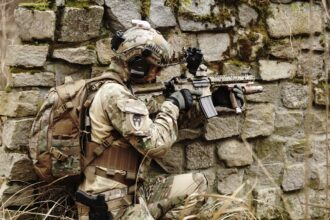
History is replete with examples of military campaigns decided not by the clash of steel or the thunder of cannons on the battlefield, but by the silent, inexorable flow of resources. The modern state of warfare, while technologically advanced, remains fundamentally dependent on a robust, efficient, and resilient supply chain. This intricate network, encompassing everything from raw materials to the delivery of personnel and materiel to the front lines, represents a critical, often underestimated, strategic advantage. Understanding and mastering the supply chain is not merely a logistical function; it is a fundamental determinant of a nation’s capacity to wage war, sustain its forces, and ultimately, achieve victory.
The Bedrock of Military Power: More Than Just Ammunition
The concept of military power is often conflated with the size of armies, the potency of weaponry, or the skill of commanders. While these elements are undeniably crucial, they are impotent without the underlying infrastructure that enables their existence and deployment. The supply chain is that infrastructure. It is the lifeblood of any military operation, ensuring that soldiers have the food, water, shelter, medical care, and ammunition they need to fight effectively.
From Raw Materials to Lethal Force
The journey from abstract resources to tangible combat power is a complex and lengthy one. This begins at the most fundamental level, with the extraction and processing of raw materials.
Securing Essential Resources: The Foundation of Industrial Might
The ability to secure and control vital raw materials – metals for weaponry and vehicles, fuels for transportation and power, textiles for uniforms and tents – is a prerequisite for any sustained military effort. Nations that possess indigenous reserves or have established reliable access to these resources through trade or diplomatic means hold a significant advantage. The disruption of these initial stages, through interdiction, sanctions, or territorial loss, can cripple a nation’s war-making potential before the first shot is even fired.
- Case Study: The Importance of Oil: The reliance on oil throughout the 20th and 21st centuries highlights this dependence. Nations controlling significant oil reserves or access to major shipping lanes for oil often wield considerable geopolitical and military leverage. Conversely, targets of energy infrastructure have historically been prime objectives for adversaries seeking to degrade an opponent’s capacity.
- Technological Dependencies: Modern warfare’s reliance on sophisticated electronics, advanced alloys, and specialized chemicals introduces new layers of complexity. The availability of rare earth elements, for instance, is critical for many advanced military technologies, making their supply chains a potential vulnerability.
Manufacturing and Assembly: Transforming Potential into Reality
Once raw materials are secured, they undergo intricate manufacturing processes to become usable components and eventually, finished military products. This requires a robust industrial base, a skilled workforce, and efficient production lines.
- The Industrial Revolution’s Legacy: The industrial revolutions of the past demonstrated the direct correlation between industrial capacity and military strength. Nations with strong manufacturing sectors could produce weapons and equipment at scale, overwhelming less industrialized adversaries.
- Specialized Production: Modern weapon systems, from fighter jets to submarines, involve highly specialized manufacturing processes and components. The ability to produce these in sufficient quantities, to the required standards, and on a timely basis is a critical component of a nation’s military readiness.
- The Challenge of Obsolescence: The rapid pace of technological advancement means that military equipment can become obsolete relatively quickly. A dynamic supply chain capable of not only producing new equipment but also maintaining and upgrading existing systems is essential.
Quality Control and Standardization: Ensuring Reliability in Combat
The effectiveness of military equipment hinges on its reliability. Rigorous quality control and adherence to strict standardization protocols are paramount. A single faulty component can lead to catastrophic failure in the heat of battle.
- The Cost of Failure: The consequences of substandard equipment can be measured in lost lives and strategic setbacks. Therefore, supply chains must incorporate robust quality assurance at every stage of production and distribution.
- Interoperability: In coalition warfare, standardization becomes even more critical. The ability of different military units and allied forces to use the same equipment, ammunition, and spare parts streamlines operations and enhances effectiveness.
In the context of military strategy, the importance of supply chains in winning wars cannot be overstated. A related article that delves deeper into this topic is available at In the War Room, which explores how effective logistics and supply management have historically played crucial roles in determining the outcomes of conflicts. By ensuring that troops are well-equipped and supported, nations can significantly enhance their operational capabilities and resilience on the battlefield.
The Arteries of Warfare: Logistics and Transportation
The most advanced weaponry and the most well-trained soldiers are rendered ineffective if they cannot reach the point of need. Logistics and transportation form the vital arteries of the military supply chain, ensuring the continuous flow of personnel and materiel.
Moving the Force: Modes and Methods
The selection and management of transportation modes are critical to the tempo and success of military operations. Each method carries its own advantages and disadvantages, and a comprehensive strategy will leverage a combination of them.
Sea Power: The Backbone of Global Reach
Historically, control of the seas has been synonymous with global power projection. Maritime transport remains indispensable for moving large volumes of supplies and equipment across vast distances.
- Strategic Depth: Naval logistics provide strategic depth, allowing nations to sustain operations far from their home territories. The ability to project power across oceans is directly linked to the capacity of a nation’s merchant and naval fleets.
- Vulnerability and Protection: While efficient for bulk transport, sea lanes are also vulnerable to interdiction by naval forces, submarines, and aerial attacks. The protection of these routes through naval escort and air superiority is a crucial aspect of maintaining supply lines.
Air Power: Speed and Agility for Critical Needs
Air transport offers unparalleled speed and agility, making it ideal for delivering high-priority personnel, critical equipment, and emergency supplies.
- Rapid Deployment: Airlift capabilities are essential for rapid deployment and response to emerging threats, allowing forces to be positioned quickly where they are needed most.
- Limitations and Costs: However, air transport is significantly more expensive and has a lower carrying capacity than sea or land transport. It is often used for time-sensitive deliveries to complement other modes.
Land Transport: The Grunt Work of Sustenance
Railways and road networks are the workhorses of terrestrial supply chains, capable of moving substantial quantities of goods and personnel within theaters of operation.
- Infrastructure Dependence: The effectiveness of land transport is heavily reliant on the existence and maintenance of robust road and rail infrastructure. Damage to this infrastructure can severely impede logistical operations.
- Vulnerability to Attack: Land-based convoys are particularly vulnerable to ambush and IED attacks, necessitating robust security measures and reconnaissance.
- The Importance of Rail: Railways offer efficient, high-capacity transport for large volumes of materiel and can be crucial for sustaining long-term campaigns.
Intermodalism and Network Optimization: The Modern Approach
Modern logistics increasingly rely on intermodal transportation, seamlessly transferring goods between ships, trains, and trucks. Optimizing these networks to minimize transfer times and maximize efficiency is a key strategic objective.
- Hubs and Spokes: The establishment of logistical hubs and efficient distribution networks, often modeled on civilian “hub and spoke” systems, is crucial for rapid and effective supply delivery.
- Data and Technology: Advanced data analytics, GPS tracking, and real-time communication are essential for managing complex, multi-modal supply chains and adapting to changing operational needs.
Keeping the Engine Running: Maintenance, Repair, and Sustainment
Victory is not simply about delivering forces and materiel to the front; it is about maintaining their operational readiness throughout the duration of a conflict. This requires a sophisticated system of maintenance, repair, and resupply.
The Life Cycle of Military Assets
The commitment of military assets is a long-term endeavor. Their operational lifespan is directly tied to the effectiveness of sustainment operations.
Field Maintenance and Repair: Keeping Equipment Operational
The ability to perform maintenance and minor repairs at the tactical level is essential for keeping equipment in the fight and minimizing the need for costly and time-consuming evacuations.
- Skilled Technicians: Deploying well-trained and well-equipped maintenance personnel to forward operating bases is critical. This includes mechanics, armorers, electronic technicians, and medical personnel.
- Spare Parts Availability: A readily available supply of critical spare parts is paramount for effective field maintenance. Stockpiling and prepositioning essential components can prevent minor issues from escalating into mission-ending failures.
Intermediate and Depot-Level Maintenance: Restoring Capability
For more complex repairs and overhauls, intermediate and depot-level maintenance facilities are required. These provide specialized expertise and equipment necessary to restore major systems.
- Centralized Expertise: Consolidating specialized repair capabilities in dedicated facilities allows for efficient use of resources and expertise.
- The Challenge of Evacuation: The process of evacuating damaged equipment to these facilities and then returning it to operational status can be a significant logistical challenge and a drain on resources.
Ammunition Resupply: The Ever-Present Need
Perhaps the most constant and critical demand on a military supply chain is the provision of ammunition. The rate of expenditure can be incredibly high, and any interruption can have immediate and dire consequences.
- Types and Calibers: The logistical complexity of supplying a vast array of ammunition types and calibers for different weapons systems is immense.
- Storage and Security: Proper storage and security of vast quantities of explosives are critical, both from an operational and a safety perspective.
Medical Sustainment: The Human Element
The health and well-being of personnel are paramount. This includes not only treating injuries and illnesses but also ensuring the availability of medical supplies, equipment, and evacuation capabilities.
- Forward Medical Teams: Deploying medical units and medical personnel to the front lines allows for immediate care and stabilization.
- Evacuation Chains: Robust medical evacuation chains, from field medics to field hospitals and eventually to rear-echelon medical facilities, are essential for saving lives.
- Pharmaceutical and Supply Chains: The continuous supply of medicines, vaccines, and medical disposables is a critical component of medical sustainment.
Anticipating the Unforeseen: Resilience and Adaptability
Warfare is inherently unpredictable. Military supply chains must be designed not only for efficiency in predictable scenarios but also for resilience and adaptability in the face of unexpected disruptions.
Bolstering Against Shocks and Strains
The ability to withstand and recover from setbacks is a hallmark of a strong strategic position.
Redundancy and Diversification: Mitigating Single Points of Failure
Over-reliance on a single supplier, transportation route, or production facility creates a significant vulnerability. Building redundancy and diversifying sources can mitigate these risks.
- Multiple Suppliers: Engaging with multiple suppliers for critical components can ensure continuity of supply even if one supplier is disrupted.
- Alternative Routes: Developing and maintaining multiple transportation routes and modes provides flexibility in the event of blockades or damage to primary routes.
- Strategic Stockpiles: Maintaining strategic reserves of critical materials and equipment can buffer against short-term supply disruptions.
Intelligence and Early Warning: Proactive Risk Management
Effective intelligence gathering and analysis are crucial for identifying potential threats to the supply chain before they materialize.
- Threat Assessment: Understanding an adversary’s capabilities and intentions regarding logistical interdiction is vital for developing counter-strategies.
- Monitoring Global Markets: Staying abreast of global market trends, geopolitical tensions, and potential natural disasters that could impact supply chains is essential for proactive planning.
Agility and Responsiveness: Adapting to Real-Time Changes
The ability to rapidly reconfigure and adapt supply chain operations in response to evolving battlefield conditions is a key indicator of agility.
- Flexible Logistics: Developing modular and flexible logistical frameworks allows for rapid adjustments to resupply priorities and distribution patterns.
- Real-Time Data Flow: Maintaining a constant flow of information about demand, inventory, and operational status enables rapid decision-making and resource allocation.
The importance of supply chains in military success cannot be overstated, as they play a crucial role in ensuring that troops are well-equipped and supported throughout conflicts. A fascinating article that delves deeper into this topic can be found on In The War Room, where it explores how effective logistics and supply chain management have historically influenced the outcomes of wars. For more insights, you can read the article here. Understanding these dynamics can provide valuable lessons for both military strategists and business leaders alike.
The Future of Military Logistics: Innovation and Integration
The evolution of warfare necessitates a continuous evolution of military supply chains. Disruptive technologies and new strategic paradigms demand innovative approaches to logistics.
Embracing Technological Advancement
The integration of cutting-edge technologies is transforming how military forces are supplied.
Artificial Intelligence and Machine Learning: Predictive Power
AI and ML are revolutionizing supply chain management by enabling predictive analytics for demand forecasting, route optimization, and anomaly detection.
- Predictive Maintenance: AI can predict equipment failures, allowing for proactive maintenance and reducing the need for costly reactive repairs.
- Optimized Routing: AI algorithms can dynamically optimize transportation routes based on real-time traffic, weather, and security conditions.
Drones and Autonomous Systems: Expanding Reach and Speed
Drones and autonomous vehicles are increasingly being utilized for last-mile delivery, reconnaissance, and even the transport of small, high-value items.
- Forward Delivery: Drones can deliver critical medical supplies or ammunition directly to small, isolated units, reducing the risk to ground convoys.
- Autonomous Convoy Operations: The development of autonomous vehicle technology holds the potential to reduce manpower requirements and enhance the security of logistical convoys.
3D Printing and Additive Manufacturing: On-Demand Production
3D printing offers the potential for on-demand production of spare parts and even specialized tools in theater, significantly reducing the need for lengthy supply chains.
- Decentralized Manufacturing: This technology enables a more decentralized approach to manufacturing, allowing for the creation of essential items closer to the point of need.
- Reduced Inventory: By producing parts as needed, the reliance on large inventories of hard-to-replace components can be diminished.
Cyber Security: Protecting the Digital Lifeline
As supply chains become increasingly digitized and interconnected, cyber security becomes paramount. Protecting logistical networks from cyberattacks is as critical as defending physical infrastructure.
- Vulnerability of Networks: Compromising logistical data can lead to misdirected supplies, delayed deliveries, and ultimately, operational paralysis.
- Robust Defense Mechanisms: Implementing strong cyber defenses, encryption, and continuous monitoring is essential for safeguarding the digital backbone of the supply chain.
In conclusion, the strategic advantage of supply chains in winning wars cannot be overstated. They are the silent architects of victory, the unseen force that enables the kinetic power of armies. Nations that invest in building resilient, efficient, and technologically advanced supply chains are not merely preparing for war; they are laying the foundational groundwork for sustained influence, decisive action, and ultimate triumph on the global stage. From the extraction of raw materials to the precise delivery of a single vital component, every link in the chain contributes to the overarching strategic calculus of conflict. Mastery of this intricate ecosystem of resources, transportation, and sustainment is no longer an adjunct to military strategy; it is its very core.

China’s Invisible Chokehold on Modern Weapons
FAQs

What is the role of supply chains in warfare?
Supply chains play a crucial role in warfare by ensuring that military forces have the necessary resources, equipment, and supplies to operate effectively. This includes everything from food and ammunition to fuel and medical supplies.
How do supply chains impact the outcome of wars?
Effective supply chains can give a military force a significant advantage in terms of logistics, allowing them to sustain operations, maintain morale, and respond to changing circumstances. Conversely, a poorly managed or disrupted supply chain can severely hamper a military’s ability to function and ultimately impact the outcome of a war.
What are some historical examples of supply chains impacting the outcome of wars?
Historical examples of supply chains impacting the outcome of wars include the Allied victory in World War II, where superior logistics and supply chains played a key role in overcoming the Axis powers. Additionally, the American Civil War saw the Union’s ability to maintain supply lines contribute to its eventual victory over the Confederacy.
How do modern supply chains differ from those in the past?
Modern supply chains benefit from advanced technology, such as GPS tracking, real-time inventory management, and sophisticated transportation networks. These advancements allow for more efficient and responsive supply chains compared to those in the past.
What are some challenges that supply chains face in wartime?
Challenges that supply chains face in wartime include the risk of disruption due to enemy action, the need to adapt to rapidly changing conditions on the battlefield, and the strain of supporting military operations in remote or hostile environments. Additionally, political and economic factors can also impact the flow of resources and supplies to military forces.