The Mediterranean: A Cold War Crucible
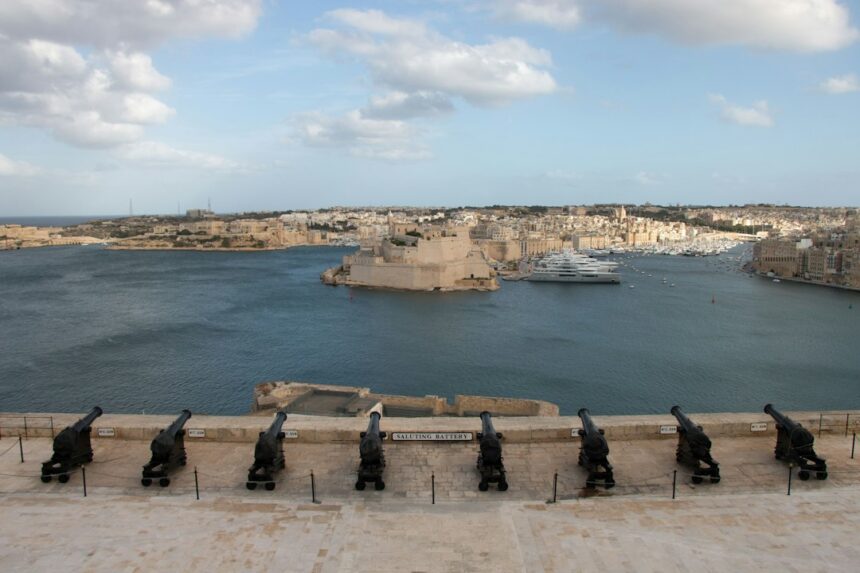
The Mediterranean Sea, a cradle of civilization and a vital artery of global trade for millennia, found itself at the heart of a protracted and perilous geopolitical struggle during the Cold War. For nearly half a century, this sun-drenched expanse became a critical arena for the ideological and military rivalry between the United States and the Soviet Union. From the shores of Southern Europe to the bustling ports of North Africa and the Levant, naval forces from both superpowers engaged in a constant, high-stakes dance of deterrence, surveillance, and occasional confrontation. The strategic importance of the Mediterranean, its proximity to the Soviet Union’s southern flank, and its access to the oil-rich Middle East, made it an indispensable theater of operations for both NATO and the Warsaw Pact. This article delves into the multifaceted nature of the Cold War naval confrontation in the Mediterranean, exploring the strategic imperatives, the key players, the recurring flashpoints, and the enduring legacy of this tense period.
The Cold War naval confrontation in the Mediterranean was a significant aspect of the geopolitical tensions between the United States and the Soviet Union, as both superpowers sought to assert their influence in the region. For a deeper understanding of this critical period, you can explore a related article that discusses the strategic maneuvers and military engagements that defined naval operations during the Cold War. To read more about this topic, visit this article.
Strategic Imperatives: Why the Mediterranean Mattered
The Mediterranean’s significance transcended its historical and cultural weight; it was a nexus of intersecting strategic interests that fueled the Cold War naval buildup. For the United States and its NATO allies, control of the Mediterranean was crucial for several reasons. Firstly, it served as a direct maritime link between the Western European members of NATO and the United States, enabling the swift deployment of troops and supplies in the event of a conflict. Denying this sea lane to the Soviets was paramount to maintaining the integrity of the alliance. Secondly, the Mediterranean provided a forward operating base for the U.S. Sixth Fleet, a powerful projection of American military might into a region bordering the Soviet Union and its allies. This presence was intended to deter Soviet expansionism, protect Western interests, and reassure allies in Southern Europe.
The Soviet Union, conversely, viewed the Mediterranean as an extension of its own southern frontier and a vital pathway to projecting its influence globally. Access to warm-water ports in the Mediterranean was a long-standing Russian ambition, offering year-round naval operations unimpeded by frozen straits. The presence of Soviet naval forces in the Mediterranean was a direct challenge to NATO’s dominance and a means to support Soviet allies in the region, most notably Syria and Egypt. Furthermore, the ability to interdict Western shipping routes through the Suez Canal and to threaten vital oil supplies from the Middle East was a significant strategic objective for Moscow. The constant maneuvering and close observation of naval assets in this confined body of water therefore represented a continuous test of resolve and a prelude to potential escalation.
The Gateway to Europe and the Middle East
The Mediterranean’s geographical position made it a critical choke point, linking the Atlantic Ocean to the Black Sea and the Indian Ocean via the Suez Canal. For the United States, this meant that any Soviet naval expansion in the Mediterranean could threaten the southern flank of NATO, potentially isolating Western Europe and disrupting vital supply lines. The ability to project power into the region via the Mediterranean was essential for the U.S. to fulfill its commitments to its European allies. Conversely, for the Soviet Union, the Mediterranean offered a direct avenue to project power into the Middle East, a region of immense strategic and economic importance due to its vast oil reserves. Control or significant influence in the Mediterranean could allow the Soviets to exert pressure on Western economies and support their own geopolitical objectives in the Arab world.
A Nuclear Shadow in Blue Waters
The Cold War naval confrontation in the Mediterranean was not solely about conventional warfare; it was also deeply intertwined with the nuclear standoff between the superpowers. Both the United States and the Soviet Union maintained nuclear-armed submarines in the Mediterranean, capable of launching ballistic missiles at targets on either continent. The presence of these “boomers” in close proximity to their adversaries created a hair-trigger situation, where miscalculation or accidental escalation could have catastrophic consequences. The constant vigilance of anti-submarine warfare (ASW) units from both sides was a testament to the perceived threat posed by these submerged nuclear deterrents. The Mediterranean thus became a testing ground for ASW technologies and doctrines, with both sides seeking to gain an advantage in the silent, deadly game of hunting submarines.
The Principal Fleets and Their Roles
The Cold War naval confrontation in the Mediterranean was primarily characterized by the presence and operational activities of two major naval powers: the United States Navy’s Sixth Fleet and the Soviet Navy’s Mediterranean Squadron. These fleets, while operating with different strategic objectives, were locked in a perpetual state of close observation and mutual deterrence. Their interactions, often tense and provocative, defined the naval dimension of the Cold War in the region. The composition of these fleets evolved over time, reflecting technological advancements and shifting strategic priorities, but their core mission remained consistent: to safeguard national interests and project power in a strategically vital, yet inherently volatile, maritime environment.
The U.S. Sixth Fleet: America’s Mediterranean Spearhead
The U.S. Sixth Fleet was established in 1946, becoming a permanent fixture in the Mediterranean and a potent symbol of American commitment to European security. Its primary mission was to deter Soviet aggression, protect NATO allies in Southern Europe, and maintain freedom of navigation throughout the region. The Sixth Fleet was a formidable force, typically comprising an aircraft carrier strike group, amphibious assault ships, destroyers, frigates, submarines, and various support vessels. The aircraft carrier served as the centerpiece of the fleet, providing a mobile airbase capable of launching strike aircraft, reconnaissance planes, and anti-submarine helicopters. This
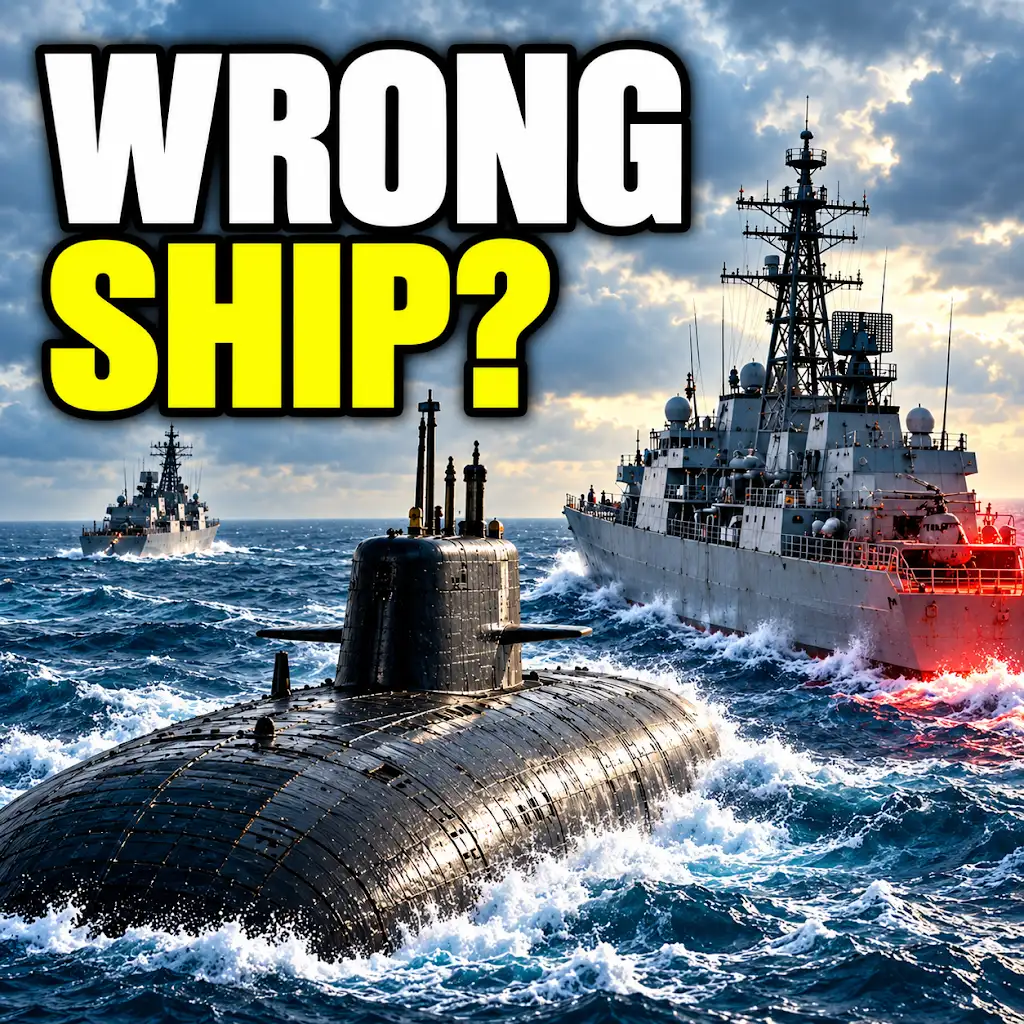
A Soviet Submarine Hit a U.S. Frigate. Was It the Wrong Ship?
FAQs
1. What were the main countries involved in the Cold War naval confrontation in the Mediterranean?
The main countries involved in the Cold War naval confrontation in the Mediterranean were the United States and the Soviet Union. Both superpowers sought to assert their influence in the region through naval presence and strategic maneuvers.
2. What were some key events that marked the Cold War naval confrontation in the Mediterranean?
Key events that marked the Cold War naval confrontation in the Mediterranean included the Cuban Missile Crisis in 1962, where the U.S. Navy blockaded Soviet ships carrying missiles to Cuba, and various incidents of surveillance and intelligence gathering by both sides.
3. How did the Cold War naval confrontation in the Mediterranean impact the balance of power in the region?
The Cold War naval confrontation in the Mediterranean impacted the balance of power in the region by creating a tense and competitive environment where both the U.S. and the Soviet Union sought to demonstrate their military capabilities and influence. This led to increased militarization and strategic positioning in the Mediterranean.
4. Were there any direct military engagements between U.S. and Soviet naval forces in the Mediterranean during the Cold War?
While there were several close encounters and instances of aggressive posturing between U.S. and Soviet naval forces in the Mediterranean during the Cold War, there were no direct military engagements or open conflicts between the two superpowers in the region.
5. How did the Cold War naval confrontation in the Mediterranean come to an end?
The Cold War naval confrontation in the Mediterranean began to ease in the late 1980s as tensions between the U.S. and the Soviet Union started to thaw. The end of the Cold War in the early 1990s marked the conclusion of the naval confrontation in the Mediterranean as both superpowers shifted their focus away from military rivalry towards diplomatic relations.