
The Soviet Berlin Blockade: A Brief Explanation
The Cold War, a period of geopolitical tension between the United States and the Soviet Union, was characterized by ideological conflict, proxy wars, and a constant threat of nuclear annihilation. Emerging from the ashes of World War II, this bipolar world order saw former allies transform into bitter adversaries, vying for global influence. One of the most significant early confrontations of this era, a stark illustration of the burgeoning ideological divide and the precarious state of post-war Europe, was the Soviet Berlin Blockade. This audacious move, orchestrated by Joseph Stalin and the Soviet Union, aimed to sever the Western Allies’ access to their sectors of occupied Berlin, thereby attempting to force their withdrawal from the strategically vital city. What followed was a remarkable display of aerial logistics, unwavering resolve, and a testament to the resilience of the German population.
The end of World War II in May 1945 left Europe in ruins, with Germany, the war’s epicenter, bearing the brunt of the devastation. The Allied powers – the United States, Great Britain, France, and the Soviet Union – victoriously carved up Germany and its capital, Berlin, into four occupation zones. This division, initially intended to be temporary and facilitate the reconstruction and denazification of Germany, soon became a focal point of the escalating Cold War tensions.
Post-War Germany: A Fragile Peace
Following the unconditional surrender of Nazi Germany, the Allied powers faced the monumental task of rebuilding a shattered nation. The Potsdam Conference in the summer of 1945 laid the groundwork for the occupation, with agreements on reparations, denazification, and the dismantling of German war industries. However, underlying disagreements about Germany’s future, particularly the level of industrial capacity to be allowed and the extent of Soviet reparations, sowed the seeds of distrust.
Berlin: A City Adrift in the Soviet Zone
Berlin, situated deep within the Soviet occupation zone of eastern Germany, presented a unique and increasingly problematic geopolitical situation. While the city itself was divided into four sectors, the surrounding territory was under sole Soviet control. This meant that all land and water access to the Western sectors of Berlin – those controlled by the US, UK, and France – had to pass through Soviet-controlled territory. This inherent vulnerability would prove to be the critical factor in the ensuing crisis.
The Ideological Divide Hardens
As the immediate post-war euphoria waned, the fundamental ideological differences between the capitalist West and the communist East became more pronounced. The Soviet Union, under Stalin’s iron grip, sought to establish a buffer of friendly communist states in Eastern Europe, while the Western Allies championed democracy and free markets. This ideological chasm deepened, transforming the cooperative spirit of wartime alliance into mutual suspicion and hostility.
The Soviet Berlin Blockade, a pivotal event during the Cold War, is thoroughly examined in a related article that delves into the geopolitical implications and the strategies employed by both the Western Allies and the Soviet Union. For a deeper understanding of this historical event and its impact on post-war Europe, you can read more in the article available at In the War Room.
Seeds of Conflict: Currency Reform and Soviet Apprehensions
The escalating tensions between the Soviets and the Western Allies reached a critical juncture in the lead-up to the Berlin Blockade. A specific economic reform, coupled with broader Soviet fears about the growing influence of the West in Germany, ignited the crisis.
The Deutsche Mark and a United Front
In an effort to stabilize the German economy and facilitate its recovery, the Western Allies decided to introduce a new currency. On June 20, 1948, the Deutsche Mark was introduced into their respective occupation zones in Germany and, crucially, into the Western sectors of Berlin. This move was seen by the Western powers as a necessary step towards economic integration and recovery.
Stalin’s Fears of a Western German State
However, for Joseph Stalin and the Soviet leadership, this currency reform was viewed with extreme suspicion. They perceived it as a deliberate attempt by the Western Allies to consolidate their control over their sectors, foster a distinct Western German identity, and ultimately pave the way for the creation of a separate, capitalist West German state. Such a development, they believed, would irrevocably shift the balance of power in Europe and leave them at a strategic disadvantage.
Soviet Propaganda and Justification
The Soviet Union publicly decried the currency reform as a violation of the Potsdam Agreement and a precursor to the fragmentation of Germany. They argued that the introduction of the Deutsche Mark was an attempt to impose Western economic and political systems on all of Germany, undermining Soviet interests and the agreed-upon post-war order. This propaganda served as a justification for the actions that were soon to follow.
The Blockade: Cutting Off the Lifeline
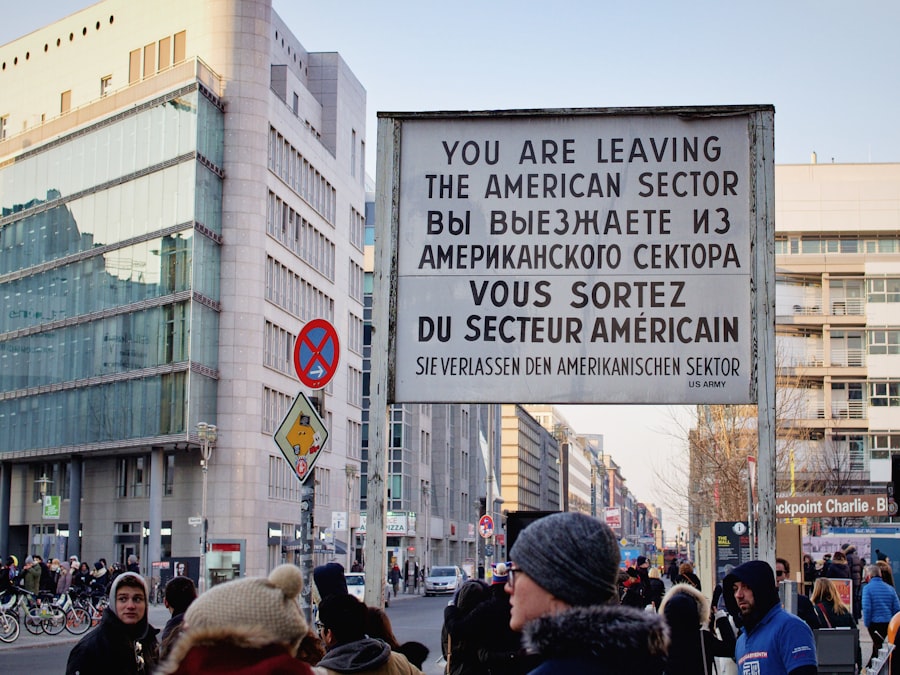
The Soviet response to the currency reform was swift and decisive. On June 24, 1948, just four days after the introduction of the Deutsche Mark, the Soviet Union initiated the Berlin Blockade, severing all rail, road, and canal access to West Berlin. This act was a direct attempt to starve the Western sectors into submission and force the Western Allies to abandon the city.
The Announcement and its Immediate Impact
The Soviet military administration announced that all traffic between the Western zones of Germany and Berlin would be halted, citing “technical difficulties” and “security concerns.” This effectively cut off the flow of vital supplies – food, fuel, medicine, and raw materials – to over two million West Berliners and the Allied garrisons. The city was suddenly isolated, its lifeline to the outside world severed.
The Allied Dilemma: Confrontation or Capitulation?
The Western Allies were faced with a stark and difficult choice. They could attempt to force their way through the blockade by military means, a move that risked escalating into a full-blown conflict with the Soviet Union, potentially leading to World War III. Alternatively, they could capitulate to Soviet demands and withdraw from Berlin, a move that would be a significant ideological and strategic defeat, undermining their credibility and emboldening Soviet influence in Europe.
The Power Play: Stalin’s Gamble
Joseph Stalin’s gamble was predicated on the assumption that the Western Allies, unwilling to risk war, would ultimately abandon Berlin. He believed that the logistical challenge of supplying a major city by air was insurmountable and that the population would eventually turn against the Western powers as they suffered the consequences of the blockade.
The Airlift: Operation Vittles and the Spirit of Berlin
Against all odds, and in a move that defied Soviet expectations, the Western Allies launched an unprecedented humanitarian and logistical operation to supply West Berlin: the Berlin Airlift, codenamed “Operation Vittles” by the Americans and “Operation Plainfare” by the British. This monumental undertaking would become a symbol of Western determination and a testament to human ingenuity.
A New Kind of War: Logistics as the Weapon
The Berlin Airlift was a logistical feat of unparalleled scale. Allied aircraft, primarily American C-47 Skytrains and C-54 Skymasters, along with British Dakotas, began flying in essential supplies around the clock. The sheer volume of aircraft overhead became a constant reminder of the Western commitment to the city. Planes landed at Tempelhof, Gatow, and later Tegel airports, often every few minutes, in all weather conditions.
Sustaining a City: Food, Fuel, and Hope
The primary goal was to keep West Berlin alive. Foodstuffs, coal for heating and power, medical supplies, and even everyday necessities were flown in. The operation was meticulously organized, with strict schedules and efficient unloading procedures. The pilots and ground crews worked tirelessly, demonstrating an extraordinary level of dedication and skill.
The “Candy Bombers” and the Heart of the Operation
Beyond the critical supplies, the airlift also brought a powerful psychological boost to the beleaguered population. American pilot Gail Halvorsen, known as the “Candy Bomber,” began dropping small packages of candy attached to handkerchief parachutes for the children of Berlin. This act of kindness, replicated by many other pilots, became an iconic symbol of the airlift, forging a deep emotional connection between the Allied airmen and the West Berliners. The children, who had known only war and hardship, eagerly awaited the planes, their cheers echoing through the skies.
The Resilience of the West Berliners
The residents of West Berlin themselves played a crucial role in the success of the airlift. Despite facing severe shortages and the constant threat of Soviet pressure, they endured the hardship with remarkable fortitude. They worked in the unloading areas, maintained order, and expressed their gratitude to the Allied forces through demonstrations and unwavering support. Their determination to remain free was a powerful counterpoint to the Soviet blockade.
The Soviet Berlin Blockade was a significant event during the Cold War that highlighted the tensions between the East and West. For those interested in understanding the broader context of this historical moment, a related article provides an in-depth analysis of the geopolitical implications and the strategies employed by both sides. You can read more about it in this insightful piece on the topic, which can be found here. This exploration not only covers the blockade itself but also delves into the subsequent airlift that became a symbol of resistance against Soviet aggression.
The End of the Blockade and its Lasting Legacy
| Aspect | Details |
|---|---|
| Duration | June 24, 1948 – May 12, 1949 |
| Causes | Soviet attempt to gain control of West Berlin |
| Blockade | Soviet Union blocked all land and water routes to West Berlin |
| Airlift | Western Allies organized a massive airlift to supply West Berlin |
| Outcome | Soviets lifted the blockade in May 1949 |
The Berlin Blockade, which lasted for nearly a year, ultimately proved to be a strategic and propaganda failure for the Soviet Union. Faced with the unwavering resolve of the Western Allies and the undeniable success of the airlift, Stalin was forced to lift the blockade on May 12, 1949.
A Stalemate Broken: Soviet Concessions
The Soviet Union’s decision to end the blockade came after months of intense pressure and the clear demonstration of the Western Allies’ commitment to West Berlin. The sheer logistical success of the airlift, coupled with the international condemnation of the Soviet action, made the blockade unsustainable. The Soviets relented, reopening land and water routes to the city.
The Unification of Germany: A Delayed Dream
While the blockade was lifted, it did not immediately lead to the reunification of Germany. The crisis had, in fact, solidified the division. In May 1949, the Federal Republic of Germany (West Germany) was established, followed by the German Democratic Republic (East Germany) in October of the same year, under Soviet influence. The city of Berlin remained divided, a stark symbol of the ongoing Cold War.
The Formation of NATO: A United Front Against Soviet Aggression
The Berlin Blockade served as a powerful catalyst for increased Western cooperation and a more unified stance against Soviet expansionism. In April 1949, the North Atlantic Treaty Organization (NATO) was founded. This military alliance, formed by the United States, Canada, and several Western European nations, was a direct response to the perceived threat from the Soviet Union and solidified the commitment to collective defense.
A Symbol of Freedom and Resistance
The Berlin Blockade and Airlift remain etched in history as a defining moment of the Cold War. It demonstrated the West’s commitment to freedom and self-determination, even in the face of overwhelming pressure. The bravery of the pilots, the resilience of the West Berliners, and the ingenuity of the logistical operation became a powerful symbol of resistance against totalitarianism and a testament to the enduring spirit of human freedom. The successful defiance of the blockade solidified the Western presence in Berlin and served as a critical turning point in the early years of the Cold War, shaping the geopolitical landscape for decades to come.
How 90 Seconds Kept 2 Million People Alive
FAQs
What was the Soviet Berlin Blockade?
The Soviet Berlin Blockade was a military operation conducted by the Soviet Union from June 24, 1948, to May 12, 1949. It involved the blockade of West Berlin, cutting off all land and water routes to the city in an attempt to force the Western Allies to abandon their presence in the city.
What led to the Soviet Berlin Blockade?
The blockade was a response to the introduction of a new currency, the Deutsche Mark, in West Berlin by the Western Allies. The Soviet Union saw this as a threat to their influence in the region and sought to assert their control over the city.
How did the Western Allies respond to the blockade?
In response to the blockade, the Western Allies organized the Berlin Airlift, a massive operation to supply West Berlin with food, fuel, and other necessities by air. Over the course of the blockade, more than 200,000 flights delivered over 2.3 million tons of supplies to the city.
What was the outcome of the Soviet Berlin Blockade?
The Soviet Berlin Blockade ultimately ended on May 12, 1949, after almost a year of tension. The Western Allies’ successful airlift operation demonstrated their commitment to West Berlin and their determination to resist Soviet aggression.
What were the long-term effects of the Soviet Berlin Blockade?
The blockade and the subsequent airlift solidified the division of Germany into East and West, leading to the establishment of the Federal Republic of Germany (West Germany) and the German Democratic Republic (East Germany). It also heightened Cold War tensions between the Soviet Union and the Western Allies.