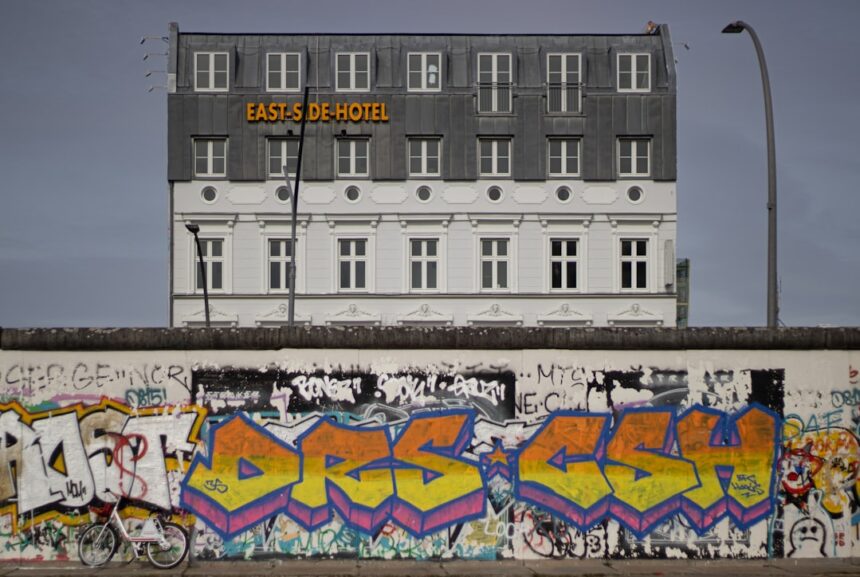
The documentary “The Secret World of the MfS: East Germany” offers a chilling and comprehensive look into the inner workings of the Ministry for State Security, the infamous Stasi, that permeated every aspect of life in the German Democratic Republic (GDR). Far more than a mere historical recounting, this film acts as a disquieting portal into a society meticulously constructed on surveillance, fear, and an insidious cult of denunciation. It navigates the labyrinthine bureaucracy, the psychological manipulation, and the pervasive presence of the MfS, leaving the viewer with a profound understanding of how a state could wield such absolute control over its citizens for decades.
The Genesis of the Stasi: A Cold War Bastion
The origins of the Stasi are deeply intertwined with the geopolitical landscape of post-World War II Germany and the burgeoning Cold War. The documentary skillfully contextualizes the formation of this formidable security apparatus within the broader framework of Soviet influence and the desire to establish a stable socialist state.
The Shadow of Soviet Influence
The establishment of the GDR was heavily influenced by the Soviet Union, and the Stasi was no exception. The film elucidates how Soviet advisors played a crucial role in shaping the organization’s structure, ideology, and operational methods from its inception. This section of the documentary underscores the ideological underpinnings that justified the Stasi’s existence, painting it as a necessary shield against internal and external enemies of socialism. The narrative emphasizes that the Stasi was not an organic development of East German society but a carefully constructed instrument of state control, mirroring and often exceeding the repressive tactics employed by its Soviet patrons. The specter of Bolshevism and its revolutionary fervor, channeled through state security, is a recurring theme, highlighting the ideological rigidity that fueled the MfS’s mandate.
From Political Police to Omniscient Watchdog
The evolution of the Stasi from its initial incarnation as a political police force to its later, all-encompassing role is meticulously detailed. The documentary traces this transformation, showcasing how the MfS gradually expanded its remit, encroaching upon every facet of private and public life. Initially tasked with rooting out former Nazis and those deemed hostile to the new regime, the Stasi’s mandate broadened considerably over time. The film illustrates this expansion through archival footage and expert interviews, demonstrating how the organization became adept at identifying and neutralizing any perceived threat, however minor. This included not only overt political dissent but also “ideological subversion,” a nebulous category that allowed the Stasi to target individuals for their personal beliefs, artistic expressions, or even casual conversations deemed critical of the state. The documentary highlights a chilling shift from dealing with concrete opposition to proactively policing thought and intention, a testament to the Stasi’s escalating paranoia and its insatiable appetite for control.
The documentary on the Ministry for State Security (MfS) in East Germany provides a compelling look into the surveillance and control mechanisms employed by the Stasi during the Cold War. For those interested in exploring more about the impact of state surveillance on society, you can read a related article that delves into the psychological effects of living under constant observation. Check it out here: The Psychological Impact of Surveillance in Authoritarian Regimes.
The Architecture of Fear: The Stasi’s Pervasive Network
The documentary excels in illustrating the sheer scale and sophistication of the Stasi’s surveillance network, a feat of organizational prowess built on a foundation of systematic fear. It reveals how this network was not just about physical observation but also about the psychological manipulation of an entire population.
The Informant Network: Eyes and Ears Everywhere
Perhaps the most terrifying aspect of the Stasi’s operation was its vast network of unofficial collaborators, or “inoffizielle Mitarbeiter” (IMs). The film delves into the recruitment and management of these informants, revealing the complex web of coercion, blackmail, and ideological conviction that turned ordinary citizens into instruments of state repression. The documentary provides stark examples of how neighbors informed on neighbors, friends betrayed friends, and even family members spied on each other. This section of the film explores the ethical compromises and psychological toll exacted on both the informants and the informed. It raises profound questions about human nature under extreme pressure and the insidious ways in which fear can erode trust and social bonds. The sheer ubiquity of these informants meant that no one was truly safe, fostering an atmosphere of pervasive paranoia and self-censorship. The film effectively uses personal testimonies and declassified Stasi files to illustrate the devastating consequences of these betrayals, ranging from job losses and imprisonment to the complete destruction of individuals’ lives and reputations.
The Art of Psychological Warfare
Beyond physical surveillance, the Stasi was a master of psychological warfare. The documentary exposes techniques such as “Zersetzung” (decomposition or disintegration), a systematic process designed to break down individuals’ psychological resilience and social standing. This involved a range of tactics, from spreading rumors and discrediting targets to fabricating evidence and orchestrating personal misfortunes. The film meticulously details how the Stasi employed these methods to isolate, demoralize, and ultimately silence dissent. The objective was not always outright arrest, but rather to render individuals incapable of posing any threat by rendering them socially and emotionally broken. The documentary’s exploration of Zersetzung is particularly disturbing, as it highlights the chilling effectiveness of targeting individuals’ inner lives and relationships, demonstrating a level of insidious control that extends far beyond mere physical restraint. The testimonies of victims paint a harrowing picture of the long-term psychological scars left by these systematic campaigns.
The Bureaucratic Machine: Files, Surveillance, and Control
The Stasi operated with a vast and meticulously organized bureaucratic machine. The documentary showcases the sheer volume of files compiled on citizens, detailing every aspect of their lives. From personal correspondence to financial records and even intimate details, the Stasi sought to build comprehensive dossiers on its targets. The film also illustrates the technical sophistication of their surveillance operations, including the use of listening devices, mail interception, and photographic espionage. The sheer scale of this data collection is overwhelming, revealing a state that viewed its citizens not as individuals but as data points to be monitored and managed. The documentary underscores the chilling efficiency with which this bureaucratic apparatus functioned, processing an unimaginable amount of information with the singular goal of maintaining state control and suppressing any deviation from the party line. The stark visual representations of the mountains of files that have survived the fall of the GDR serve as a tangible testament to the Stasi’s pervasive reach.
The Stasi’s Methods: Tools of Oppression
The documentary meticulously dissects the various tools and tactics employed by the Stasi to maintain its iron grip on East German society. These methods were diverse, ranging from technological sophistication to brute force and insidious manipulation.
Surveillance Technologies: From Bugging to Mail Opening
The film provides an in-depth look at the technological arsenal of the Stasi, highlighting their surprisingly advanced surveillance capabilities for their time. This includes detailed explanations of how listening devices were planted, mail was intercepted and opened, and photographic evidence was systematically gathered. The documentary reveals the lengths to which the Stasi would go to gather information, demonstrating their innovative – and often invasive – approaches to eavesdropping and data collection. The technical ingenuity, when paired with the chilling human element of informants, created a surveillance state that was both pervasive and deeply unsettling. The film doesn’t shy away from the practical aspects of this surveillance, showing how inconspicuous devices were hidden and how sophisticated methods were used to extract information from every conceivable source.
Interrogation and Detention: The Iron Fist of Justice
While the Stasi preferred subtle manipulation, they were not afraid to employ more direct methods of coercion. The documentary sheds light on the notorious interrogation techniques used by the MfS, often involving prolonged psychological pressure, sleep deprivation, and the threat of violence. The film also details the grim reality of Stasi detention centers, where individuals were held in isolation and subjected to methods designed to break their will. The testimonies of former detainees offer a visceral account of the physical and psychological trauma inflicted during these experiences, underscoring the brutal nature of the Stasi’s enforcement arm. The film meticulously reconstructs the interrogation rooms and detention cells, creating a palpable sense of the fear and desperation that permeated these spaces.
The Role of Propaganda and Indoctrination
The Stasi’s influence extended beyond overt repression; it was also deeply involved in shaping the minds of East German citizens. The documentary explores how the MfS used propaganda and indoctrination to reinforce the state’s ideology and demonize perceived enemies. This involved controlling media, shaping educational curricula, and promoting a culture of vigilance and suspicion. The film highlights how the Stasi actively worked to create a society where loyalty to the state was paramount and any questioning of the official narrative was met with swift and severe consequences. This insidious form of control aimed to create a compliant populace from a young age, ensuring the long-term stability of the socialist regime.
The Victims of the Stasi: Personal Stories of Resilience and Ruin
“The Secret World of the MfS: East Germany” is not just about the apparatus of repression; it is also profoundly about the individuals who suffered under its shadow. The documentary weaves in personal testimonies from former dissidents, activists, and ordinary citizens whose lives were irrevocably altered by the Stasi’s actions.
Dissidents and Rebels: Voices of Resistance
The film dedicates significant time to profiling prominent dissidents and activists who dared to challenge the GDR regime. Through interviews and archival footage, their stories of courage, defiance, and the immense personal cost of their actions are brought to light. These individuals, despite facing constant surveillance, harassment, and imprisonment, represent the enduring human spirit of resistance against overwhelming odds. Their experiences serve as a powerful reminder that even in the darkest of times, the desire for freedom and justice can persist. The documentary offers a nuanced portrayal of these individuals, acknowledging not only their bravery but also the deep emotional and psychological wounds inflicted by their struggles.
The Everyday Citizen: Living Under Scrutiny
Beyond the well-known dissidents, the documentary also gives voice to the countless ordinary citizens whose lives were shaped by the constant threat of Stasi surveillance. These testimonies reveal the insidious ways in which the MfS infiltrated daily life, leading to self-censorship, broken relationships, and a pervasive sense of unease. The film highlights how even seemingly harmless actions or conversations could lead to suspicion and repercussions, creating a climate of fear that permeated every aspect of society. The personal accounts of these individuals underscore the widespread impact of the Stasi, demonstrating that its oppressive reach extended far beyond political activists to encompass the fabric of everyday existence.
The Legacy of Trauma: Lingering Scars
The fall of the Berlin Wall and the subsequent exposure of the Stasi’s secrets did not erase the trauma experienced by its victims. The documentary touches upon the long-lasting psychological and social scars left by decades of state surveillance and repression. The film explores the challenges faced by victims in rebuilding their lives, coming to terms with betrayal, and seeking justice. The enduring legacy of the Stasi serves as a somber reminder of the devastating consequences of unchecked state power and the importance of historical memory. The documentary’s concluding sections often emphasize the ongoing process of coming to terms with this dark chapter of German history, highlighting the importance of remembrance and preventing such abuses from ever happening again.
The documentary on the Ministry for State Security (MfS) in East Germany provides a compelling insight into the operations of the Stasi and its impact on everyday life in the GDR. For those interested in exploring the broader context of surveillance and state control during the Cold War, a related article can be found at In the War Room, which delves into the strategies employed by various regimes to maintain power and suppress dissent. This connection highlights the pervasive nature of state surveillance and its lasting effects on society.
The Unraveling of the MfS: The End of an Era
The collapse of the GDR and the subsequent dismantling of the Stasi form a crucial part of the documentary’s narrative. The film details the events leading up to the fall of the Berlin Wall and the dramatic process of confronting and exposing the Stasi’s secrets.
The Peaceful Revolution: Citizen Power Triumphs
The documentary chronicles the events of the Peaceful Revolution of 1989, emphasizing the role of ordinary citizens in demanding change. It showcases how growing public discontent, fueled by years of repression, finally erupted in mass protests and demonstrations. The film highlights the courage and determination of those who risked everything to demand freedom and democracy, ultimately leading to the collapse of the communist regime. The visual documentation of these protests, coupled with eyewitness accounts, creates a powerful narrative of how collective action can bring about seismic political change.
The Opening of the Files: Confronting the Past
The opening of the Stasi archives in the aftermath of German reunification was a pivotal moment. The documentary illustrates the immense undertaking of cataloging, preserving, and making accessible the millions of Stasi files. This process allowed victims to confront their tormentors, understand the extent of the surveillance they endured, and begin the process of healing. The film emphasizes the importance of this transparency in coming to terms with the past and ensuring accountability. The sheer scale of the files, often referred to as the “Stasi underworld,” and the meticulous efforts to make them accessible, represent a unique attempt by a nation to confront its own history of pervasive surveillance and repression.
Lessons for Today: Vigilance and Memory
“The Secret World of the MfS: East Germany” concludes with reflections on the enduring lessons to be learned from the Stasi’s reign of terror. The documentary serves as a stark warning about the dangers of unchecked state power, the erosion of civil liberties, and the importance of an informed and vigilant citizenry. It underscores the need to remember the past and actively work to prevent the recurrence of such oppressive regimes. The film’s final moments often resonate with a call to action, urging viewers to appreciate the fragility of freedom and the importance of safeguarding democratic values in the face of contemporary challenges. The documentary, in its entirety, stands as a powerful testament to the enduring human cost of totalitarianism and the vital necessity of remembering its victims and the mechanisms of their oppression.

The Stasi Made You Suspect Everyone
FAQs
What is the MfS East Germany documentary about?
The MfS East Germany documentary is a film that explores the history and operations of the Ministry for State Security (MfS), also known as the Stasi, in East Germany during the Cold War era.
When was the MfS East Germany documentary released?
The release date of the MfS East Germany documentary varies depending on the specific film or television program. However, there have been several documentaries produced over the years that focus on the activities of the MfS during the time of East Germany.
What are some key topics covered in the MfS East Germany documentary?
The MfS East Germany documentary typically covers topics such as the surveillance and espionage activities of the Stasi, the impact of the MfS on East German society, the methods used by the MfS to maintain control, and the experiences of individuals who were targeted by the organization.
Where can I watch the MfS East Germany documentary?
The MfS East Germany documentary may be available for viewing on various streaming platforms, such as Netflix, Amazon Prime, or Hulu, depending on the specific film or television program. It may also be available for purchase or rental through online retailers or local video stores.
Who are some of the key figures featured in the MfS East Germany documentary?
The MfS East Germany documentary may feature interviews with former Stasi officers, individuals who were surveilled or targeted by the MfS, historians, and experts on Cold War-era espionage and intelligence operations.