The whispers of war often drown out the more clandestine operations, the missions so shrouded in secrecy that their very existence remained a classified secret for decades. Among these hidden endeavors, Project Eldest Son, a component of the Military Assistance Command, Vietnam – Studies and Observations Group (MACV SOG), stands as a stark reminder of the complex and ethically ambiguous nature of covert warfare during the Vietnam War. This project, operating under the broader umbrella of MACV SOG’s unconventional warfare mandate, focused on a particularly insidious objective: the psychological and physical disruption of enemy supply lines and morale through the use of captured enemy weapons and materiel, often modified to carry propaganda or booby-trapped with devastating effect.
MACV SOG, established in 1964, was the United States’ premier special operations unit tasked with conducting unconventional warfare operations in Southeast Asia. Its remit was vast and varied, encompassing reconnaissance, sabotage, prisoner interrogation, and the training of indigenous forces. The organization was born out of a growing recognition that conventional military tactics were insufficient to counter the elusive and adaptable tactics of the Viet Cong and the North Vietnamese Army (NVA). SOG’s missions were characterized by their high risk, their strategic importance, and their deliberate departure from standard military protocol. The unit operated in a gray area, pushing the boundaries of acceptable warfare and often engaging in actions that would be considered highly controversial if brought into the public domain. The very existence of SOG was classified, and its personnel were often stripped of their unit patches and military identifiers when operating in the field, further emphasizing the clandestine nature of their work. Their operational zones extended beyond the borders of South Vietnam into Laos and Cambodia, areas officially not engaged in direct combat by American forces, making their operations even more politically sensitive.
The Strategic Imperative: Disrupting the Enemy Flow
The strategic imperative behind MACV SOG’s existence, and by extension Project Eldest Son, was to disrupt the enemy’s ability to wage war. The Ho Chi Minh Trail, a complex network of jungle paths and roads, was the lifeblood of the Communist forces, ferrying men, weapons, and supplies from North Vietnam to the battlefields of the South. Interdicting this flow was a constant priority, and SOG was tasked with finding innovative ways to achieve this, often through unconventional means. The enemy’s reliance on this logistical artery meant that any disruption, however small, could have a cascading effect on their operational capabilities. SOG’s missions were designed to inflict maximum psychological and physical damage, not just through direct combat but through insidious means that sowed fear and uncertainty.
The Birth of Eldest Son: A Project of Unconventional Tactics
Project Eldest Son emerged as a specific initiative within MACV SOG to leverage the enemy’s own resources against them. The core concept was deceptively simple yet terrifyingly effective: capture enemy weapons, modify them, and reintroduce them into the enemy’s own supply chain or operational areas. This wasn’t merely about returning captured arms; it was about turning them into instruments of psychological warfare and deadly traps. The project’s name itself, “Eldest Son,” carried a subtle implication of something homegrown, something that belonged to the enemy, now turned against them. It was a project born from the grim realities of asymmetric warfare, where ingenuity and deception were as vital as firepower. The inherent risks were immense, both for the operatives involved and for the potential for international outcry should the true nature of the project be revealed.
The MACV SOG Project Eldest Son was a covert operation during the Vietnam War that aimed to gather intelligence and conduct psychological warfare against the North Vietnamese forces. For a deeper understanding of the complexities and implications of such operations, you can read a related article on the topic at In the War Room, which explores various military strategies and their impacts on modern warfare.
The Mechanics of Eldest Son: From Captured Arms to Psychological Warfare
The operational framework of Project Eldest Son was intricate and demanded a high degree of technical expertise, meticulous planning, and extreme bravery. The process began with the acquisition of enemy materiel, which was a perilous undertaking in itself. Once secured, these weapons and explosives underwent a transformation designed to exploit their intended purpose in the most unexpected and destructive ways. The goal was not just to kill enemy soldiers but to terrorize them, to make them doubt the safety of their own equipment and the reliability of their own forces. This psychological dimension was a crucial element of Eldest Son, aimed at undermining morale and sowing distrust within enemy ranks. The ingenuity of the project lay in its ability to turn the enemy’s advantages into disadvantages.
Weapon Modification: Turning Tools of War into Instruments of Deception
The modification of captured weapons was the cornerstone of Project Eldest Son. This involved a range of techniques, from the seemingly innocuous to the overtly lethal. Simple modifications could include altering firing mechanisms to cause jams at critical moments, or creating malfunctions that would necessitate time-consuming repairs, thereby delaying operations. More sinister alterations involved turning standard firearms into booby traps, where the act of handling or attempting to fire the weapon would trigger a lethal outcome. This could involve rigged firing pins, pressure-sensitive triggers, or delayed-fuse mechanisms. The psychological impact of a weapon turning on its wielder was profound, fostering a climate of constant fear and suspicion.
Propaganda Dissemination: Spreading Fear and Discord
Beyond lethal modifications, Project Eldest Son also incorporated psychological operations (PSYOPs) into its arsenal. Captured weapons, or ammunition that was modified, could be rigged to dispense propaganda leaflets or even small explosive devices that contained messages designed to incite fear, panic, or dissension among enemy troops. Imagine a Viet Cong soldier picking up what appears to be a standard AK-47, only to discover that when it’s loaded, it also ejects a leaflet urging him to defect, or worse, a small charge that detonates a few moments after being handled, accompanied by a chilling message. The objective was to create a pervasive sense of unease, making soldiers question their leadership, their comrades, and their commitment to the cause. This tactic aimed to erode the enemy’s will to fight through methods that were insidious and difficult to counter directly.
Booby Trapping and Improvised Explosive Devices (IEDs): The Hidden Danger
The booby-trapping of captured enemy weapons and the creation of sophisticated IEDs were perhaps the most lethal aspects of Project Eldest Son. SOG operators, renowned for their expertise in demolitions and sabotage, would transform seemingly inert items into deadly traps. This could involve rigging grenades to explode when disturbed, creating tripwire-activated devices using enemy ammunition, or modifying artillery shells to detonate upon improper handling. The intelligence gained from captured enemy equipment was invaluable, allowing SOG to understand common enemy tactics and then subvert them. The element of surprise was paramount, and the enemy was left to grapple with the terrifying realization that their own tools of war could be their undoing. The psychological toll of constantly fearing an unseen threat, that any seemingly innocuous object could be a death trap, was a significant factor in undermining enemy morale.
The Operatives of Eldest Son: Unsung Heroes of the Shadows
The individuals who carried out the missions of Project Eldest Son were a breed apart. They were not the frontline soldiers engaged in large-scale battles, but rather the highly skilled and courageous operatives of MACV SOG. These men were drawn from various branches of the U.S. military, including Army Special Forces, Navy SEALs, Air Force pararescuemen, and Marine Force Reconnaissance. They were selected for their exceptional physical and mental resilience, their proficiency in specialized skills, and their ability to operate independently in extremely hostile environments. Their anonymity was a deliberate and necessary part of their operational security, as their missions were highly classified and their actions, if revealed, could have significant political ramifications.
Selection and Training: Forging Elite Unconventional Warriors
The selection process for SOG operatives was rigorous, designed to identify individuals with the mental fortitude and physical capabilities to withstand the immense pressures of covert operations. Potential candidates underwent extensive psychological evaluations and underwent specialized training that went far beyond standard military doctrine. This training included advanced reconnaissance techniques, demolitions, survival skills, unarmed combat, and a deep understanding of enemy tactics, weapons, and communication systems. For Project Eldest Son, operatives received specific training in weapon modification, booby-trapping, and the psychological impact of their operations. The emphasis was on self-reliance, adaptability, and the ability to make split-second decisions in high-stakes situations.
The High-Risk Nature of Operations: Operating Behind the Lines
The missions undertaken by Project Eldest Son operatives were inherently dangerous, often involving infiltration deep into enemy-controlled territory. They operated under extreme duress, with limited support and the constant threat of discovery. The risks were not just physical; the psychological toll of operating in such environments, often alone or in small teams, was immense. They were tasked with placing their modified weapons and devices in strategic locations, often along enemy infiltration routes, supply depots, or resting areas. The success of these missions relied on their ability to move undetected, execute their objectives flawlessly, and exfiltrate without leaving a trace. The fear of capture and the potential for brutal interrogation added another layer of peril to their already dangerous assignments.
The Unseen Impact: Measuring Success in Silence
The success of Project Eldest Son was not measured in body counts or captured territory, but in the subtle disruption of enemy operations and the erosion of their morale. The impact was often invisible, a gradual and insidious undermining of the enemy’s confidence and operational effectiveness. Operatives would return from missions having placed a booby-trapped weapon in a VC bunker, or having rigged a cache of ammunition with a delayed fuse. The subsequent reports of unexplained accidents, malfunctioning equipment, or heightened paranoia within enemy ranks were the indicators of Eldest Son’s effectiveness. The ultimate goal was to make the enemy second-guess every step, every piece of equipment, and every comrade, thereby reducing their combat effectiveness and creating a psychological advantage for allied forces.
The Ethical Conundrum: Warfare in the Shadows
The methods employed by Project Eldest Son, while effective in achieving military objectives, raise significant ethical questions. The use of booby traps, particularly those that could be inadvertently triggered by enemy soldiers, and the intentional deception involved in turning their own weapons against them, blurred the lines of conventional warfare. While the intent was to disrupt enemy forces and save the lives of American soldiers, the application of such tactics could be seen as violating certain norms of conflict. The very nature of covert operations, by definition, operates outside the glare of public scrutiny, allowing for the implementation of strategies that might be deemed unacceptable in open warfare.
The Moral Ambiguity of Psychological Warfare
The psychological warfare component of Project Eldest Son, aimed at sowing fear and distrust, is a particularly sensitive area. While psychological operations have been a feature of warfare for centuries, the methods employed by Eldest Son, leveraging deadly force in conjunction with propaganda, pushed the boundaries of what was considered ethically permissible. The goal was to break the enemy’s will to fight, but the means by which this was achieved were often brutal and designed to instill deep-seated fear. The question remains: when does the pursuit of strategic advantage outweigh the moral imperative to adhere to certain ethical standards, even in the context of warfare?
The Secrecy and Deniability: A Double-Edged Sword
The extreme secrecy surrounding Project Eldest Son, while crucial for its operational success, also created a degree of deniability. This allowed the U.S. military to avoid public accountability for potentially controversial actions. While this protected the operatives and the integrity of future operations, it also meant that the full scope and impact of such projects remained largely unknown to the public. The ethical considerations of operating in a vacuum of accountability, where actions are shielded from external review, are profound. The reliance on deniability, while strategically advantageous, can also breed a culture where ethical boundaries are more easily transgressed.
The Legacy of Covert Operations: Lessons Learned and Unlearned
The legacy of Project Eldest Son and similar covert operations is complex. They demonstrated the effectiveness of unconventional tactics in asymmetric warfare and highlighted the critical role of intelligence and psychological operations. However, they also underscore the inherent dangers of operating outside established norms and the ethical dilemmas that arise when the pursuit of military objectives leads to the adoption of morally ambiguous methods. The lessons learned from these shadowy campaigns continue to inform modern special operations, but the ethical questions surrounding the use of deception, booby traps, and psychological warfare remain as relevant today as they were during the Vietnam War.
The MACV SOG Project Eldest Son was a highly classified operation during the Vietnam War that focused on gathering intelligence and conducting covert missions across the border into Laos and Cambodia. For those interested in exploring the intricacies of this secretive program, a related article can provide further insights into the strategies and challenges faced by the operatives involved. You can read more about it in this informative piece on the subject, which delves into the historical context and significance of these operations. For more details, check out this link.
Declassified Revelations: Unearthing the Truth Decades Later
| Metric | Data |
|---|---|
| Operation Name | MACV SOG Project Eldest Son |
| Duration | 1967-1972 |
| Objective | Gather intelligence and conduct reconnaissance in Laos |
| Success Rate | Varied, with some successful missions and some failures |
For decades, the true extent and nature of Project Eldest Son remained buried within classified archives. The operatives who carried out these missions often carried their secrets to their graves, bound by oaths of silence and the understanding of the sensitive nature of their work. It was only through declassification efforts in recent years that a clearer picture of this clandestine project began to emerge, allowing historians and the public to understand the complex and often unsettling realities of covert warfare during the Vietnam War.
The Slow Unfolding of History: Declassification and Awareness
The process of declassifying information related to MACV SOG and its projects like Eldest Son has been a slow and deliberate one. Government agencies, bound by national security considerations, have gradually released documents and information, often years or even decades after the events in question. This gradual unfolding of history allows for a more nuanced understanding of the context and motivations behind these operations, while also providing a platform for ethical reflection. The emergence of personal accounts from veterans who served in SOG has also been instrumental in bringing these hidden stories to light.
Personal Testimonies: The Human Face of Eldest Son
The testimonies of veterans who served in MACV SOG and potentially in operations related to Project Eldest Son offer a powerful human dimension to these classified missions. These accounts, often shared with a profound sense of duty and a somber understanding of the sacrifices made, shed light on the immense bravery, the psychological strain, and the moral complexities faced by the individuals involved. They provide invaluable insights into the day-to-day realities of operating in hostile territory, the trust placed in their training and equipment, and the personal cost of their clandestine service. These firsthand accounts humanize the abstract concepts of covert warfare and underscore the often-overlooked sacrifices of those who served in the shadows.
The Ongoing Debate: Reinterpreting the Past
The declassification of information regarding Project Eldest Son has ignited ongoing debates among historians, military analysts, and the public. These discussions grapple with the effectiveness of such operations, their ethical implications, and their place within the broader narrative of the Vietnam War. Reinterpreting the past through the lens of newly available information allows for a more comprehensive and critical understanding of the choices made during times of conflict and the lasting impact of unconventional warfare strategies. The revelations continue to prompt questions about the nature of warfare, the role of secrecy, and the enduring ethical challenges of conducting operations in the shadows.
Conclusion: The Enduring Enigma of Project Eldest Son
Project Eldest Son, a clandestine facet of MACV SOG, remains a compelling and somber chapter in the history of the Vietnam War. It serves as a stark reminder that the battlefield is not always defined by open combat, but also by the insidious deployment of deception, ingenuity, and psychological warfare. The operatives who carried out these missions operated in the deepest shadows, their bravery and skill instrumental in disrupting enemy capabilities, albeit through methods that continue to provoke ethical debate. The project’s legacy is one of operational effectiveness intertwined with profound moral questions, a testament to the complex and often morally ambiguous nature of war. The secrets of Eldest Son, though partially unveiled, continue to whisper of the hidden costs and ethical compromises inherent in the pursuit of victory in the most clandestine corners of conflict. The enduring enigma of Project Eldest Son compels us to reflect on the nature of warfare, the price of secrecy, and the enduring human capacity for both extraordinary courage and morally challenging actions when faced with the grim realities of war.
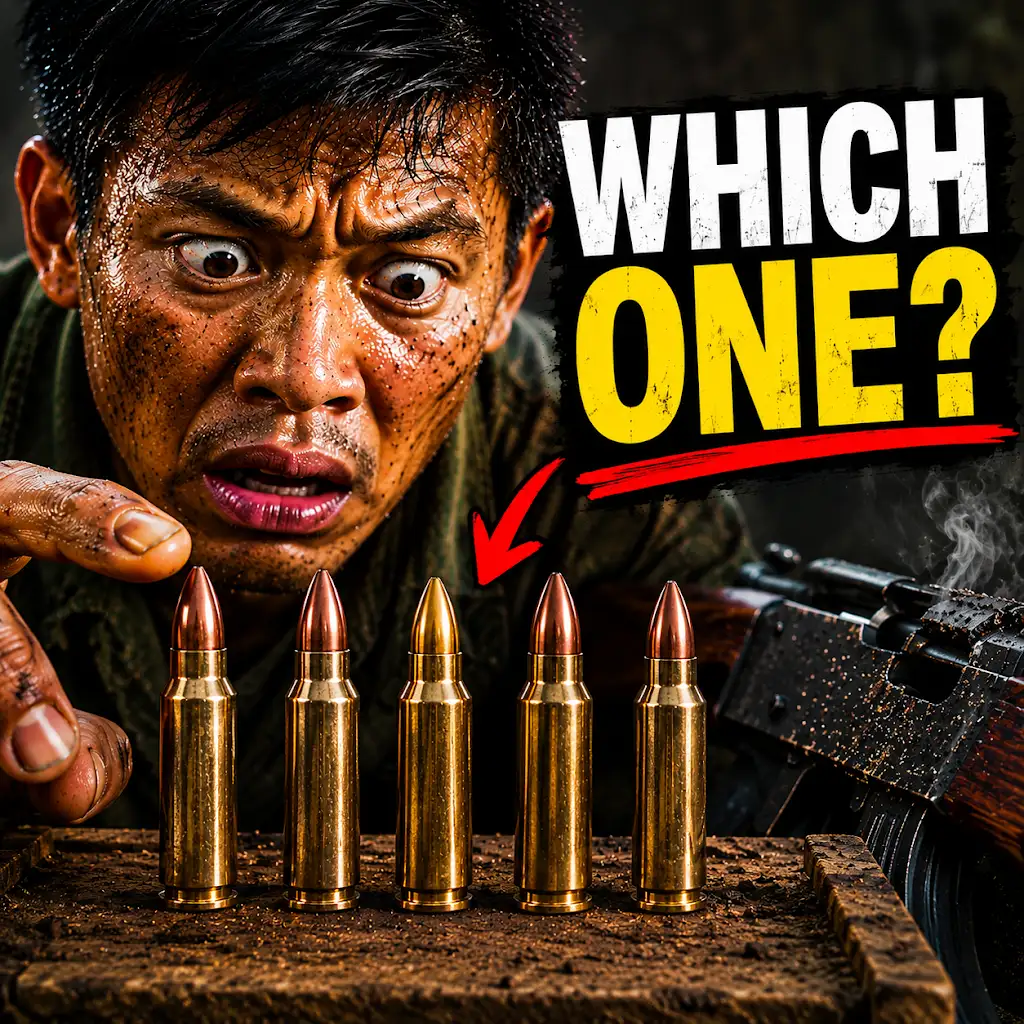
The Vietnam Plot That Made Soldiers Fear Their Own Guns
FAQs
What is the MACV SOG Project Eldest Son?
The MACV SOG Project Eldest Son was a covert operation conducted by the Military Assistance Command, Vietnam – Studies and Observations Group (MACV-SOG) during the Vietnam War.
When did the MACV SOG Project Eldest Son take place?
The MACV SOG Project Eldest Son took place from 1968 to 1972 during the Vietnam War.
What was the objective of the MACV SOG Project Eldest Son?
The objective of the MACV SOG Project Eldest Son was to gather intelligence, conduct reconnaissance, and carry out unconventional warfare operations behind enemy lines in Laos and Cambodia.
Who was involved in the MACV SOG Project Eldest Son?
The MACV SOG Project Eldest Son involved highly trained special operations forces from the United States, South Vietnam, and indigenous personnel from Laos and Cambodia.
What was the significance of the MACV SOG Project Eldest Son?
The MACV SOG Project Eldest Son played a crucial role in disrupting enemy operations, gathering intelligence, and conducting unconventional warfare in the region, contributing to the overall war effort in Vietnam.