The annals of the Cold War are replete with tales of espionage, proxy conflicts, and ideological battles waged in the shadows. Yet, few operations possess the enduring mystery and disquieting implications of Operation Gladio. While officially a NATO initiative, its true nature and scope have remained a subject of intense speculation and controversy for decades. This is the story of a secret army, born out of fear, operating beyond the purview of public knowledge, and leaving a trail of unanswered questions that continue to haunt the European continent.
Genesis of a Fear: The Post-War European Landscape
Following the cataclysm of World War II, Europe found itself fractured and vulnerable. The continent was a chessboard for two burgeoning superpowers, the United States and the Soviet Union, each vying for influence and seeking to shape the post-war world according to their ideologies. The specter of a Soviet invasion loomed large in the minds of Western leaders, particularly as communist parties gained traction in many European nations through democratic means.
The Iron Curtain Descends
The division of Europe solidified with the establishment of the Iron Curtain, a stark demarcation line separating Soviet-dominated Eastern Europe from the West. The threat of Soviet expansionism was not merely theoretical. The subjugation of Eastern European nations, the Hungarian Uprising of 1956, and the Prague Spring of 1968 served as stark reminders of Moscow’s willingness to use force to maintain its sphere of influence.
The Domino Theory in Europe
In the West, particularly within NATO circles, a pervasive fear known as the “domino theory” took hold. This theory posited that if one country fell to communism, others would inevitably follow, leading to a cascade of communist takeovers across Western Europe. This fear, amplified by the geopolitical realities of the time, created an environment ripe for unconventional and covert responses.
The Need for a “Stay-Behind” Network
The traditional military doctrines of NATO were designed for overt warfare between nation-states. However, the perceived threat from within – the potential for internal subversion, civil unrest, or even a successful communist coup – required a different kind of defense. The concept of “stay-behind” networks emerged: covert paramilitary organizations trained and equipped to operate behind enemy lines, not in the event of an invasion, but to resist an internal communist takeover or to continue resistance if a nation fell.
Operation Gladio, a covert NATO operation during the Cold War, has been the subject of much intrigue and speculation, revealing the complexities of political manipulation and clandestine activities in Europe. For a deeper understanding of the implications and historical context surrounding this operation, you can read a related article that delves into the various aspects of Gladio and its impact on modern geopolitics. To explore this further, visit this insightful article.
The Birth of Gladio: A NATO Secret
Operation Gladio, meaning “sword” in Italian, was the codename given to this clandestine network of stay-behind organizations operating across Western Europe. Officially, it was a NATO initiative sanctioned by the Supreme Headquarters Allied Powers Europe (SHAPE). Its stated purpose was to form resistance movements that could operate clandestarily in the event of a Soviet invasion and occupation of Western European countries.
The Italian Connection and the Italian “Gladio”
While Gladio was a multinational operation, its origins and name are deeply intertwined with Italy. The Italian “Gladio” was established in 1956, ostensibly as a response to the perceived threat of communist influence within Italy. The Italian government, in conjunction with NATO, began secretly recruiting and training individuals, often drawn from right-wing extremist groups, former fascists, and anti-communist organizations.
The Role of the Italian Secret Services
The Italian intelligence services played a pivotal role in the formation and operation of “Gladio.” They were responsible for identifying potential recruits, establishing training facilities, and ensuring the logistical support for these clandestine cells. The secrecy surrounding these activities was paramount, with knowledge of Gladio’s existence confined to a select few within the Italian government and military.
Training and Armament
These stay-behind units underwent rigorous training in sabotage, guerrilla warfare, intelligence gathering, and clandestine communication. They were provided with hidden caches of weapons, explosives, and other military equipment, stored in secret locations across the country, ready to be deployed at a moment’s notice. The ultimate goal was to create a resilient resistance that could disrupt Soviet advances and sow chaos among occupying forces.
Expansion Across Europe
Following the Italian model, similar stay-behind networks were established in virtually every NATO member state across Western Europe, and even in some neutral countries like Switzerland and Austria. Each national operation had its own specific codename, but the overarching umbrella and strategic direction were provided by NATO.
Belgian “Stay-Behind” and the “Aginter Presse” Connection
In Belgium, the “stay-behind” network was known as “SDRA8” (Service de Renseignement et d’Action 8). Like its Italian counterpart, it involved secret training and stockpiling of weapons. There are also documented links between some of these European networks and clandestine organizations like “Aginter Presse,” a Portuguese pseudo-agency suspected of being a front for intelligence operations and potentially involved in destabilization efforts.
French “Réseau Gladio” and the Algerian War Legacy
France also harbored its own “stay-behind” network, often referred to as “Réseau Gladio.” The legacy of the Algerian War and the deep political divisions it created likely influenced the recruitment and ideology of some individuals within these networks. The fear of communist infiltration or internal subversion remained a potent driver.
German “Stay-Behind” and the Shadow of the Past
In West Germany, the “stay-behind” organization operated under intense scrutiny due to the country’s recent history and its frontline position in the Cold War. The desire to prevent a Soviet occupation and ensure continuity of government led to the establishment of these covert resistance cells, though the specifics remain largely classified.
The Unseen Hand: Allegations of Involvement in Terrorism
The most contentious aspect of Operation Gladio’s history lies in the allegations that these stay-behind networks were not solely focused on resisting a hypothetical Soviet invasion, but were also implicated in domestic terrorism and political manipulation. The concept of “strategy of tension” (strategia della tensione) became a chilling descriptor of the period.
The “Strategy of Tension” in Italy
In Italy, the period between the late 1960s and the early 1980s was marked by a series of bombings and terrorist attacks, often referred to as the “Years of Lead.” These attacks, which claimed hundreds of lives and instilled widespread fear, were initially blamed on left-wing extremist groups. However, subsequent investigations and revelations suggested a more complex and sinister reality.
The Bologna Station Bombing (1980)
The bombing of the Bologna railway station on August 2, 1980, remains one of Italy’s deadliest terrorist attacks, killing 85 people and injuring over 200. While neo-fascist extremists were eventually convicted of carrying out the attack, there have been persistent suspicions about the involvement of intelligence agencies and elements within the “Gladio” network, aiming to create chaos and justify a more authoritarian response.
The Piazza Fontana Bombing (1969)
The bombing of Piazza Fontana in Milan on December 12, 1969, which killed 17 people, is another pivotal event often linked to the “strategy of tension.” Initial investigations pointed to anarchists, but later revelations brought to light evidence suggesting the involvement of state security services and right-wing extremist groups, potentially as a means to discredit the left and push for a stronger state.
The “False Flag” Operations Hypothesis
The core of the “strategy of tension” hypothesis suggests that these attacks were not genuine acts of political protest but rather “false flag” operations. The idea is that elements within the state and its covert networks orchestrated or facilitated these acts of terror, then blamed them on extremist groups, thereby creating a climate of fear and instability that could be exploited to:
Undermine Democratic Institutions
By fostering fear and disorder, these actions could be used to erode public trust in democratic processes and institutions, making the population more receptive to authoritarian solutions.
Suppress Political Opposition
The widespread fear of terrorism could be used to justify crackdowns on left-wing political movements, trade unions, and other forms of dissent, thereby weakening the opposition and consolidating power.
Justify Increased State Security and Surveillance
The perceived threat of internal subversion and terrorism provided a rationale for expanding the powers of state security services, increasing surveillance, and potentially rolling back civil liberties.
The Belgian Massacres (1980s)
In Belgium, the 1980s witnessed a series of violent robberies and murders attributed to the “Bande des Brabançons” (Brabant Killers). While the perpetrators of these attacks, which claimed 28 lives, were never definitively identified, suspicions arose about their possible connection to the Belgian “stay-behind” network and a potential attempt to destabilize the country.
The Unveiling: Public Exposure and Investigations
For years, the existence of Operation Gladio and its potential role in domestic affairs remained a closely guarded secret. However, in the early 1990s, a series of revelations began to pull back the curtain of secrecy, sparking investigations and public outcry across Europe.
The Italian Revelation (1990)
The first significant crack in the facade came in October 1990 when Italian Prime Minister Giulio Andreotti, under pressure, publicly acknowledged the existence of “Gladio.” His admission, broadcast live on television, sent shockwaves across Italy and Europe, confirming long-held suspicions about a clandestine state apparatus.
Parliamentary Inquiries and Investigations
Andreotti’s confession triggered a series of parliamentary inquiries and investigations in Italy and other European countries. These investigations aimed to uncover the full extent of Gladio’s activities, its funding, its recruitment policies, and its alleged involvement in acts of terrorism.
The Search for Missing Weapons and Documents
Investigators painstakingly searched for hidden weapons caches and vital documents that could shed light on Gladio’s operations. The sheer scale of the undertaking, with numerous secret stashes scattered across countries, made this a daunting and often incomplete task.
European Parliament Resolutions
The revelations surrounding Operation Gladio prompted the European Parliament to adopt resolutions condemning the existence of such secret armies. These resolutions called for full transparency, accountability, and an end to any such clandestine operations.
Calls for Transparency and Accountability
The European Parliament emphasized the fundamental democratic principle that such organizations should not operate outside the democratic oversight of elected representatives. The calls for accountability were aimed at holding individuals and institutions responsible for any illicit activities.
Concerns Over Democratic Control
The existence of a parallel, unelected, and unaccountable security apparatus raised serious concerns about the erosion of democratic control over state power and the potential for abuse.
The true story of Operation Gladio reveals a complex web of covert operations and political intrigue during the Cold War, shedding light on the lengths to which governments would go to combat perceived threats. For those interested in exploring more about this clandestine network and its implications, a related article can provide further insights into the historical context and ramifications of these actions. You can read more about it in this detailed piece found here.
The Lingering Questions: Unanswered Mysteries and Enduring Legacies
Despite decades of investigation and public debate, many questions surrounding Operation Gladio remain unanswered. The deep secrecy, the destruction of evidence, and the intertwined nature of state security apparatuses have left a legacy of ambiguity and suspicion.
The Extent of NATO’s Involvement
While officially sanctioned by NATO, the precise level of direct involvement and knowledge within NATO headquarters and by individual member states’ military leadership is still debated. Was it a top-down directive, or did individual nations act with varying degrees of autonomy?
SHAPE’s Role and Responsibilities
The role of SHAPE (Supreme Headquarters Allied Powers Europe) in the planning, funding, and oversight of Gladio remains a key area of inquiry. Did SHAPE actively direct these operations, or did it provide a framework and resources for national “stay-behind” units?
Inter-Agency Cooperation and Control
The complex web of intelligence agencies, military units, and paramilitary groups involved in Gladio raises questions about the lines of command and control. Who was ultimately responsible for authorizing or overseeing potentially illegal activities?
The True Nature of the “Stay-Behind” Mandate
The ambiguity of the “stay-behind” mandate is central to the controversy. Was it strictly for resistance against Soviet occupation, or was it adaptable to other perceived threats, including domestic political opposition? The evidence suggests the latter may have been a significant factor.
The Evolution of the Mandate
It is plausible that the initial mandate, focused on external aggression, gradually expanded or was reinterpreted to address perceived internal threats, particularly in the context of widespread social and political unrest in the 1960s and 1970s.
The Line Between Defense and Offense
Distinguishing between legitimate defense preparations and offensive, destabilizing actions becomes increasingly difficult when dealing with covert networks operating with unclear mandates.
The Link to Other Unexplained Events
The revelations about Gladio have led some researchers and critics to re-examine other unexplained historical events and acts of violence. Could certain terrorist attacks or political assassinations, previously attributed to isolated extremist groups, have had a more covert, state-sponsored dimension?
The “P2 Lodge” Scandal in Italy
The P2 Lodge scandal in Italy, involving a clandestine Masonic lodge with members from high-ranking military, political, and business circles, has also been linked to the broader context of Gladio and its alleged attempts to influence Italian politics and maintain a specific order.
Unresolved Mysteries in Other European Countries
While Italy has seen the most extensive public discussion of Gladio’s activities, similar unresolved questions and suspicions persist in other European nations regarding their own “stay-behind” networks and their potential involvement in domestic events.
Conclusion: A Legacy of Suspicion and a Warning from the Past
Operation Gladio stands as a stark reminder of the clandestine machinations that underpinned the Cold War. It represents a period where the lines between defense and offense, state security and political subversion, became dangerously blurred. While the official narrative focuses on preparing for Soviet invasion, the evidence and the persistent allegations point to a far more complex and troubling reality – one where covert networks may have been utilized to shape domestic political landscapes and suppress dissent.
The legacy of Operation Gladio is one of enduring suspicion and a profound questioning of democratic accountability. It serves as a crucial historical lesson about the dangers of unchecked power, the opacity of intelligence operations, and the critical importance of transparency and public oversight in safeguarding democratic societies. The shadow of Gladio, though perhaps dissipated, continues to cast a long and cautionary light on the hidden histories of the post-war era.
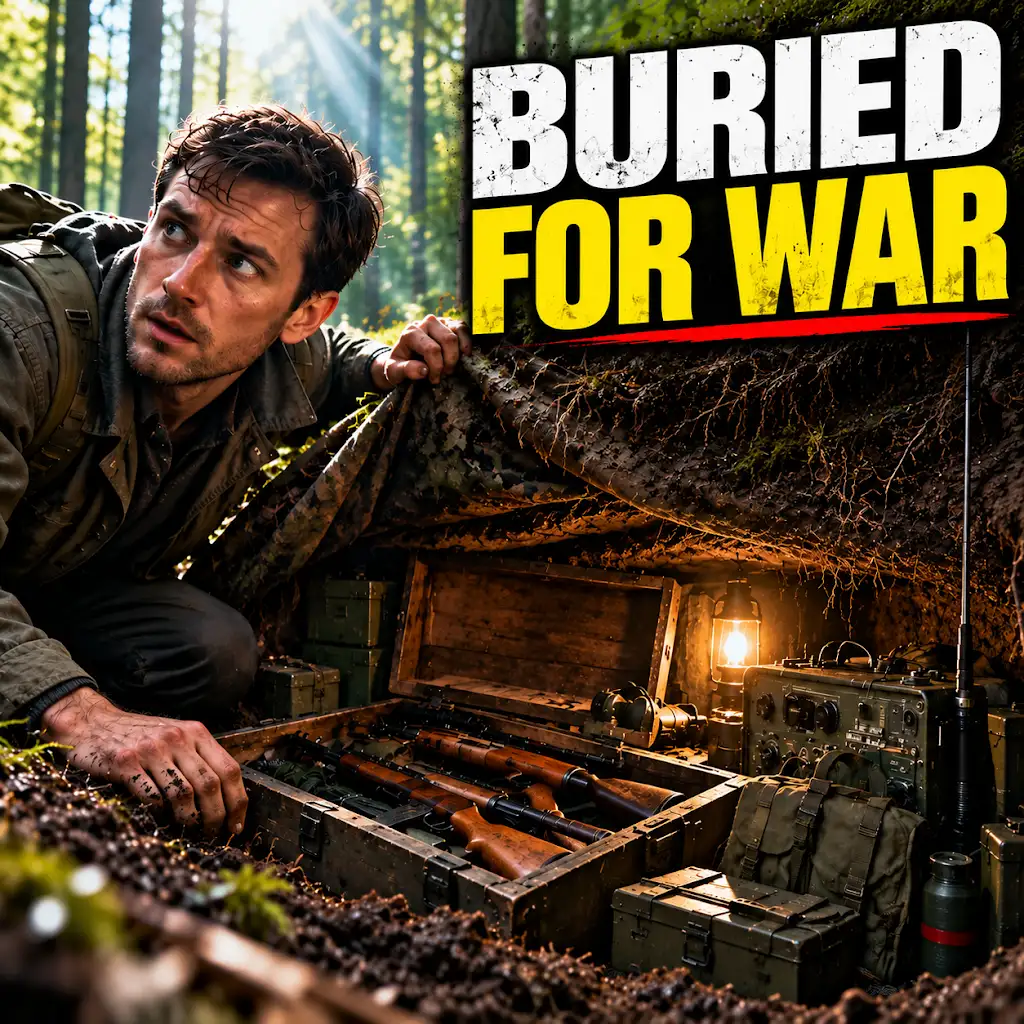
The Secret Armies NATO Prepared for a Soviet Invasion
FAQs
What was Operation Gladio?
Operation Gladio was a clandestine NATO operation established after World War II to create resistance networks in the event of a Soviet invasion of Western Europe. It was part of a larger strategy known as the “stay-behind” program.
What were the goals of Operation Gladio?
The primary goal of Operation Gladio was to create secret, anti-communist resistance networks in Western Europe to counter any potential Soviet invasion. These networks were intended to carry out sabotage, guerrilla warfare, and intelligence gathering behind enemy lines.
What were some of the activities of Operation Gladio?
Operation Gladio involved the training and arming of clandestine paramilitary groups in several European countries. These groups were tasked with carrying out acts of sabotage, subversion, and intelligence gathering in the event of a Soviet invasion or communist uprising.
When was Operation Gladio revealed to the public?
The existence of Operation Gladio was first revealed to the public in the 1990s, when investigations in Italy uncovered its activities. This led to widespread public and political scrutiny of the program, as well as inquiries into its potential involvement in various covert operations and acts of terrorism.
What was the impact of Operation Gladio?
The revelation of Operation Gladio sparked controversy and debate about the role of clandestine NATO operations in Europe during the Cold War. It also raised questions about the extent to which these operations may have been involved in various acts of terrorism and political destabilization.