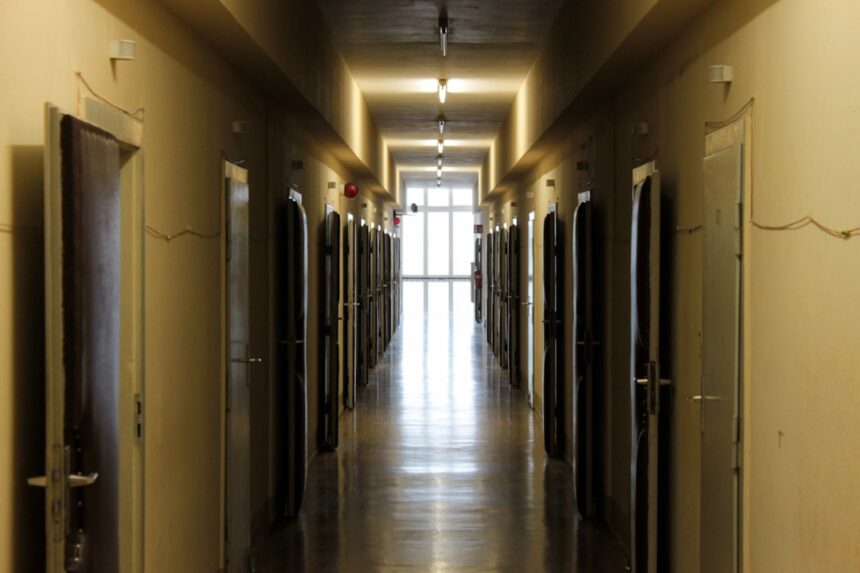
The chilling efficiency of the Stasi, the East German Ministry for State Security, remains indelibly etched into the historical consciousness of the late 20th century. For nearly four decades, this ubiquitous secret police force wielded an almost unimaginable power, meticulously weaving a net of surveillance, informants, and repression across the German Democratic Republic (GDR). While often portrayed as the monolithic architect of the GDR’s oppressive regime, the Stasi’s role in its ultimate fall was far more complex and, in hindsight, paradoxically self-defeating. Rather than being the unyielding bulwark of communist power, the Stasi, through its very methods and its inability to adapt, inadvertently sowed the seeds of its own destruction and contributed significantly to the unraveling of the East German state.
The Stasi was not merely a police force; it was the embodiment of the Socialist Unity Party’s (SED) absolute control. Its mandate was to safeguard the state from internal and external enemies, a nebulous definition that encompassed virtually anyone who dared to question the party line.
The Pervasive Reach of Surveillance
The Stasi’s primary tool was unrelenting surveillance. It cultivated an unparalleled network of informants, known as inoffizielle Mitarbeiter (IMs), who infiltrated every stratum of society. From factory floors to university lecture halls, from churches to the private homes of citizens, the Stasi’s eyes and ears were everywhere. This created a climate of pervasive fear and suspicion, where individuals were hesitant to express dissenting opinions, even in the perceived privacy of their own homes, for fear of being reported by a neighbor, a colleague, or even a family member. The sheer volume of information gathered by the Stasi was staggering, filling millions of dossiers that documented the lives, thoughts, and perceived transgressions of nearly every citizen. This data was meticulously analyzed and used to identify potential threats to the regime.
The Dossier System: A Weapon of Psychological Warfare
The Stasi’s infamous dossier system was not just a repository of information; it was a weapon of psychological warfare. The meticulous detail within these files, often compiled from illegal eavesdropping, mail interception, and informant reports, served to intimidate and control. Knowing that the state possessed such intimate knowledge of one’s life could be paralyzing, fostering a deep-seated sense of vulnerability. The threat of these dossiers being revealed, or used against individuals, was a potent deterrent against any form of opposition.
Repression and Dissuasion: Maintaining the Status Quo
Beyond surveillance, the Stasi employed a range of repressive tactics to maintain the SED’s grip on power. These included:
Arrests and Imprisonment
Individuals deemed to be threats to the state were subject to arbitrary arrest and often lengthy prison sentences. The charges were frequently vague, ranging from “enemy propaganda” to “attempted escape.” The legal system was a mere rubber stamp for the Stasi’s decisions, providing no genuine recourse for those accused.
Character Assassination and Discreditation
The Stasi was also adept at character assassination and discreditation. Through carefully orchestrated campaigns of misinformation and the selective leaking of information from dossiers, they could effectively ruin the reputations and careers of those who challenged the regime. This could involve spreading rumors, fabricating evidence, or manipulating personal relationships to isolate and marginalize individuals.
Psychological Manipulation and Infiltration
Perhaps one of the most insidious tactics was psychological manipulation. The Stasi engaged in elaborate schemes to break the spirit of dissidents, often involving fabricated scenarios, staged encounters, and the exploitation of personal weaknesses. This could include cultivating relationships with individuals and then betraying them, or creating illusions of solidarity that were later revealed to be traps.
The fall of East Germany in 1989 marked a significant turning point in European history, particularly in relation to the activities of the Stasi, the infamous secret police. As the regime crumbled, the Stasi’s extensive surveillance and repression tactics were brought to light, revealing the extent of their control over the population. For a deeper understanding of the Stasi’s role during this tumultuous period, you can read a related article that explores the agency’s operations and its impact on East German society at this link.
The Stasi’s Blind Spots and Inability to Adapt
Despite its vast resources and pervasive reach, the Stasi suffered from critical blind spots and a fundamental inability to adapt to the changing geopolitical landscape, which ultimately contributed to its own downfall.
The Illusion of Control: Ignoring the Underlying Dissatisfaction
The Stasi’s obsession with maintaining an outward appearance of order and control led it to consistently underestimate the depth of public dissatisfaction. The regime prided itself on its social achievements and the stability it provided, but this often masked a growing sense of frustration and alienation among the populace. The Stasi, so focused on identifying and neutralizing overt dissent, failed to recognize the simmering discontent that was building beneath the surface, fueled by economic stagnation, restrictions on travel, and a lack of political freedom.
The Stagnating Economy and Growing Discontent
The GDR’s centrally planned economy, while initially achieving some successes, became increasingly inefficient and unable to keep pace with the West. Shortages of consumer goods, outdated technology, and limited opportunities for personal advancement created a tangible sense of dissatisfaction that the Stasi, in its focus on political threats, often failed to adequately gauge as a destabilizing force.
The Appeal of Western Freedoms
The stark contrast between the freedoms enjoyed in West Germany, as seen through television broadcasts and overheard from returning visitors, created a powerful longing for a different way of life. The Stasi’s efforts to block Western media and limit contact with the West proved increasingly futile, and the allure of Western liberties only intensified the desire for change.
The Gorbachev Factor and Shifting Soviet Policy
The rise of Mikhail Gorbachev in the Soviet Union and his policies of glasnost (openness) and perestroika (restructuring) proved to be a critical turning point. The Stasi, accustomed to the firm hand of Moscow, found itself increasingly isolated as the Soviet Union signaled a move away from the Brezhnev Doctrine, which had previously guaranteed Soviet intervention to support socialist regimes.
The Decline of Soviet Support
As the Soviet Union began to withdraw its unwavering support for hardline communist regimes, the Stasi lost a crucial pillar of its authority. The SED leadership, and by extension the Stasi, could no longer rely on the implicit threat of Soviet military intervention to quell internal unrest. This shift in power dynamics emboldened opposition movements and weakened the regime’s resolve.
The “Sinatra Doctrine” and German Reunification
Gorbachev’s eventual adoption of what became known as the “Sinatra Doctrine” – the idea that Eastern European nations could pursue their own destinies – effectively removed the Soviet Union’s objection to German reunification. This was a seismic shift that the Stasi, with its ingrained Cold War mentality, was ill-equipped to comprehend or counter.
The Stasi’s Role in the Peaceful Revolution

Ironically, the Stasi’s own actions, while intended to preserve the regime, ultimately contributed to the peaceful revolution that brought it down.
The Ineffectiveness of Repression in the Face of Mass Protest
As protests grew in the autumn of 1989, the Stasi found its traditional methods of repression increasingly ineffective. The sheer number of people taking to the streets, emboldened by the events in other Eastern Bloc countries and the shifting Soviet stance, overwhelmed the Stasi’s capacity to arrest and control.
The Monday Demonstrations: A Symbol of People Power
The iconic Monday Demonstrations in Leipzig, which grew from a few hundred participants to hundreds of thousands, became a powerful symbol of the people’s demand for change. The Stasi’s attempts to disperse these crowds through intimidation and arrests were met with greater determination, highlighting the limitations of their power when faced with such widespread popular will.
The Exodus Through Hungary and Czechoslovakia
The opening of the border between Hungary and Austria in May 1989 created an escape route for East Germans seeking to reach West Germany. The Stasi’s inability to seal this border effectively, or to prevent the subsequent exodus through Czechoslovakia, demonstrated a significant erosion of their control and a palpable loss of face for the regime.
The Stasi’s Internal Divisions and Hesitation
As the situation deteriorated, the Stasi itself experienced internal divisions and hesitation. The fear of being held accountable for any violent crackdown, coupled with a growing awareness of the regime’s imminent collapse, led to a degree of paralysis within the organization.
The Fear of a Tiananmen Square Scenario
Many within the Stasi were undoubtedly aware of the bloody crackdown on pro-democracy protests in Tiananmen Square in China in 1989. The prospect of repeating such a massacre on German soil, with all its international implications, likely instilled a sense of caution and a reluctance to unleash full force.
The Erosion of Loyalty and Morale
The increasing perception that the SED leadership was losing control, and the diminishing prospects for the GDR’s survival, likely eroded the loyalty and morale of some Stasi officers. Faced with an uncertain future, some may have begun to prioritize their own survival over blind adherence to the party’s dictates.
The Stasi’s Final Days: A Crumbling Facade

In the frantic final weeks of the GDR’s existence, the Stasi’s elaborate facade of invincibility crumbled, revealing an organization in disarray.
The Opening of the Berlin Wall: A Moment of Inaction
The most striking symbol of the Stasi’s impotence was its failure to prevent the opening of the Berlin Wall on November 9, 1989. Despite the immense significance of this event, border guards, many of whom were directly under Stasi command, were given no clear orders to prevent the breach. This inaction, whether due to confusion, lack of clear command, or a dawning realization of the futility of their efforts, marked a definitive end to the Wall as a symbol of division and the Stasi’s power.
The Confused and Contradictory Orders
The events leading up to the opening of the Wall were marked by confused and contradictory orders emanating from the SED leadership. The Stasi, caught in the middle of this internal chaos, was effectively paralyzed, unable to act decisively.
The Joyful Surge of the People
The spontaneous and joyful surge of East Berliners through the opened checkpoints was a powerful testament to the people’s will. The Stasi officers on duty, faced with overwhelming numbers and the palpable joy of the crowds, were largely passive observers to their own obsolescence.
The Dissolution and the Scrutiny of the Archives
Following the fall of the Wall and the subsequent reunification of Germany, the Stasi was formally dissolved. The process of uncovering and scrutinizing its vast archives became a crucial element in understanding the full extent of its operations and the impact it had on German society.
The Fight for the Archives
The preservation and accessibility of the Stasi archives became a hotly debated issue. Many victims of Stasi persecution sought to expose their tormentors and seek justice, while others, particularly former Stasi officers and informants, attempted to obstruct access and protect their secrets.
Holding Individuals Accountable
While the Stasi as an institution was dismantled, the process of holding individual officers and informants accountable for their actions proved to be a long and complex undertaking. Legal proceedings were initiated, but many faced no significant consequences, adding to the lingering sense of injustice for some.
During the tumultuous period of the fall of East Germany, the role of the Stasi, the infamous secret police, was pivotal in shaping the political landscape. As the Berlin Wall crumbled and citizens demanded freedom, the Stasi’s oppressive surveillance tactics were increasingly scrutinized. For a deeper understanding of this critical moment in history, you can explore an insightful article that delves into the Stasi’s influence and the broader implications of their actions during this transformative time in Europe. To read more about it, visit this article.
Conclusion: The Stasi’s Legacy of Fear and its Unintended Role in Liberation
| Metrics | Data |
|---|---|
| Number of Stasi officers | Approximately 91,015 in 1989 |
| Number of Stasi informants | Estimated at 189,000 informants in 1989 |
| Stasi budget | Around 1 billion East German marks in 1989 |
| Stasi headquarters | Located in Berlin, with numerous regional offices |
| Stasi activities | Surveillance, censorship, repression of dissent, and maintaining state control |
The Stasi’s legacy is one of pervasive fear, psychological manipulation, and the systematic suppression of dissent. Its nearly four decades of operation inflicted deep wounds on the fabric of East German society, leaving behind a generation grappling with the trauma of betrayal and the erosion of trust.
The Paradox of the Stasi: Creator and Destroyer of the GDR
In a profound paradox, the Stasi, the supposed guardian of the GDR, played an instrumental role in its demise. Its rigid adherence to outdated ideological principles, its inability to comprehend the changing political climate, and its failure to recognize the power of popular will ultimately rendered it obsolete. By focusing on suppressing dissent rather than addressing the underlying causes of discontent, the Stasi inadvertently fueled the very forces that would lead to its own destruction and the collapse of the state it served.
The Seeds of Destruction Sown by Overreach
The Stasi’s overreach and its all-encompassing surveillance created a society built on a foundation of fear, which, when confronted by the desire for freedom and the perceived weakness of the regime, proved to be an unstable structure.
The Unforeseen Consequences of Repression
The unintended consequence of the Stasi’s relentless repression was the creation of a deep-seated yearning for liberation. The very actions taken to stifle opposition ultimately galvanized those who sought to overthrow the regime, culminating in the peaceful revolution of 1989. The Stasi, in its relentless pursuit of control, ultimately contributed to the very forces that would liberate Germany.

The Stasi Made You Suspect Everyone
FAQs
1. What was the Stasi?
The Stasi, or Ministry for State Security, was the official state security service of East Germany, known for its extensive surveillance and repression of the East German population.
2. What was the role of the Stasi during the fall of East Germany?
During the fall of East Germany, the Stasi played a significant role in attempting to suppress the growing opposition and protests against the government. They engaged in surveillance, intimidation, and repression of dissidents.
3. How did the Stasi’s activities impact the fall of East Germany?
The Stasi’s activities contributed to the growing discontent and opposition to the East German government, ultimately leading to the fall of the regime. Their tactics of surveillance and repression fueled public anger and resistance.
4. What happened to the Stasi after the fall of East Germany?
After the fall of East Germany, the Stasi was disbanded and its archives were opened to the public. Many former Stasi officers faced legal consequences for their actions, and efforts were made to address the injustices committed by the organization.
5. What is the legacy of the Stasi in Germany today?
The legacy of the Stasi continues to impact Germany today, as efforts are ongoing to address the injustices committed by the organization and to preserve the memory of its victims. The Stasi’s activities also serve as a reminder of the dangers of state surveillance and repression.